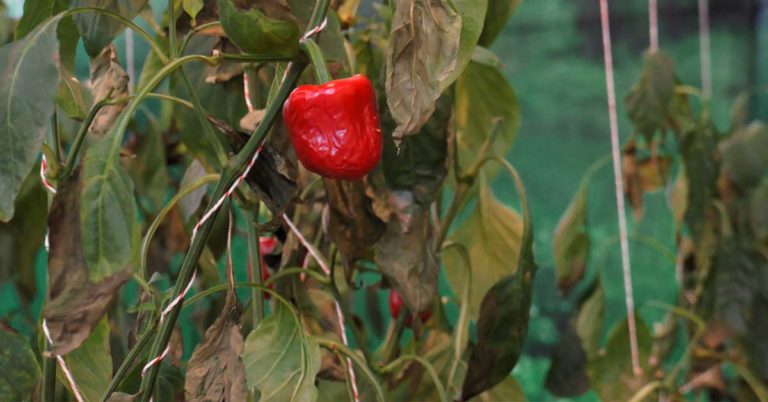
Stress, nutritional imbalances, pests, and diseases are all threats to pepper crops. Browning of the pepper plant’s leaves is a regular issue. If the leaves on your pepper plant are turning brown, and it might be due to a number of different things. Read on to learn why and how to treat pepper plant leaf...
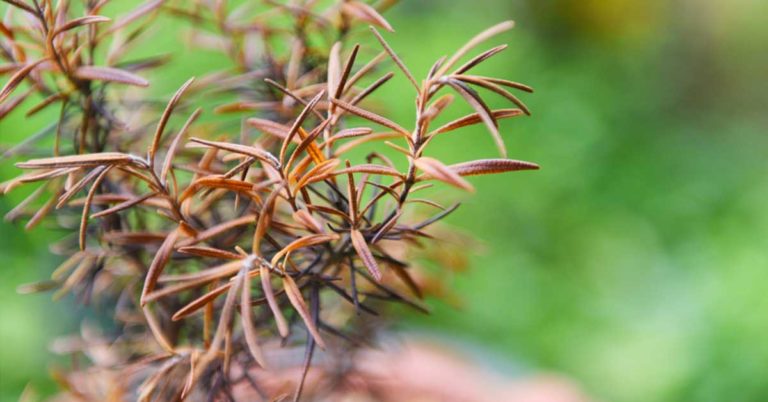
Aromatic rosemary originates in the Mediterranean and is an evergreen herb. In addition to its possible health advantages, it is also used as a flavoring agent, and in the creation of personal scents. Rosemary, as well as other herbs including oregano, thyme, basil, and lavender, belongs to the mint family Lamiaceae. Rosemary is a tasty...
Western Dog Violet, also known as Viola adunca, is a low-growing, sprawling perennial that is native to both eastern and western North America. It forms a tidy bunch of heart-shaped, dark green leaves. Attractive, petite, lavender-blue flowers, 1 in. across (2.5 cm), with noticeable white throats and vivid orange stigmas, rise above the foliage in...
Viola Glabella, or the Pioneer violet, is an attractive and large yellow pansy-like flower with leaves shaped like a heart. It is native to the northwestern US and parts of Asia and found in riparian areas and moist open forests. What is Viola glabella? The 4 to 8-inch flower is one of the most recognizable...
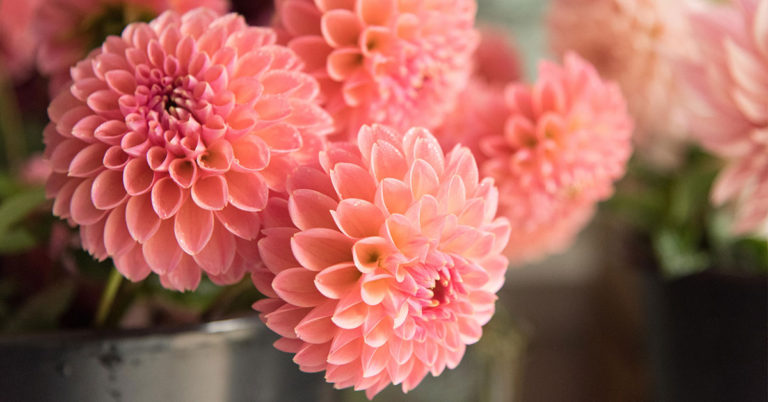
Asteraceae, which also includes the zinnia, sunflower, chrysanthemum, daisy, and, of course, aster, is the family that includes Dahlia. Dahlias elicit admiration and joy. Cultivating vegetables? Dahlias should be planted in a row along the edge, away from your vegetables. They produce beautiful cut blooms. Dahlias thrive in humid, temperate regions. Dahlias beautify any sunny...
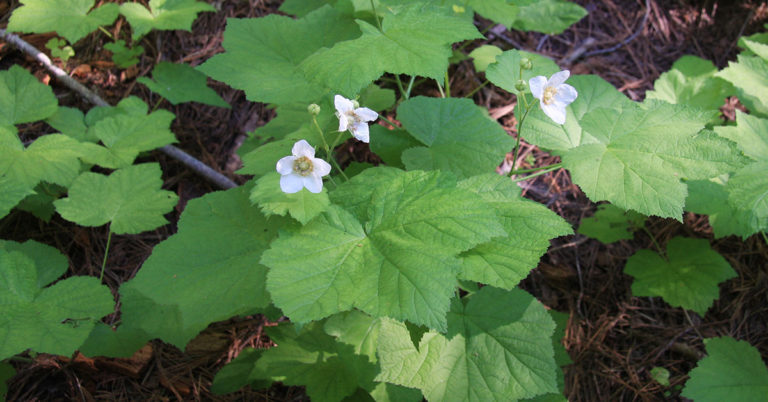
Although the Thimbleberry is beneficial for wildlife, are they also edible to people? Yes. They used to be a staple diet for the local native populations. So if berries are on your mind, consider growing thimbleberry. This native plant is a thornless shrub with deciduous leaves. It grows untamed in disturbed areas, among hills covered...
The western bleeding heart, Dicentra formosa, also known as the Pacific bleeding heart, is a blooming plant in the poppy family that can be found from California to British Columbia in damp, forested environments. From a horizontal rootstock, it is a perennial (tuber). The plant can grow as tall as 0.5 meters. The flower has...
Rosa woodsii, also known as woods’ rose, is a wild-growing plant that is an important part of various ecosystems. The plant is a multi-branched, deciduous shrub growing up to 5 feet tall. What is Rosa woodsii? Rosa woodsii grows in USDA hardiness zones 3 to 8. Its flowers form from June to July, and the...
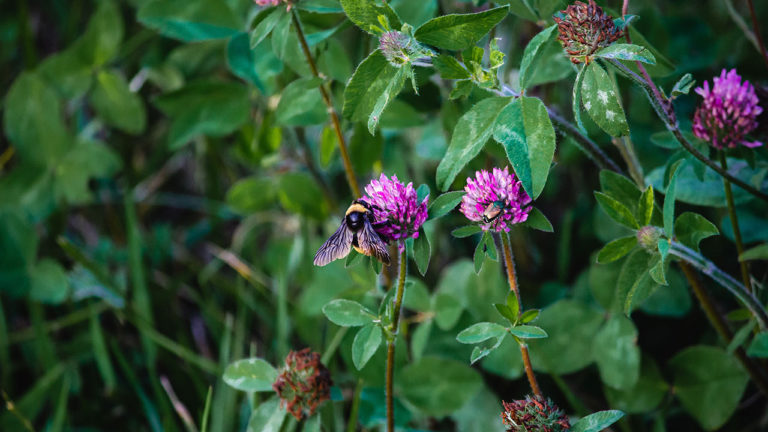
I’m a big fan of clovers, and red clover definitely has a space in my yard. I like to throw it in random spots, particularly along borders, as a sort of wild-growing flower. Red clover is generally grown in northern and midwestern states, however, it is occasionally grown as a winter annual in the Southeast....
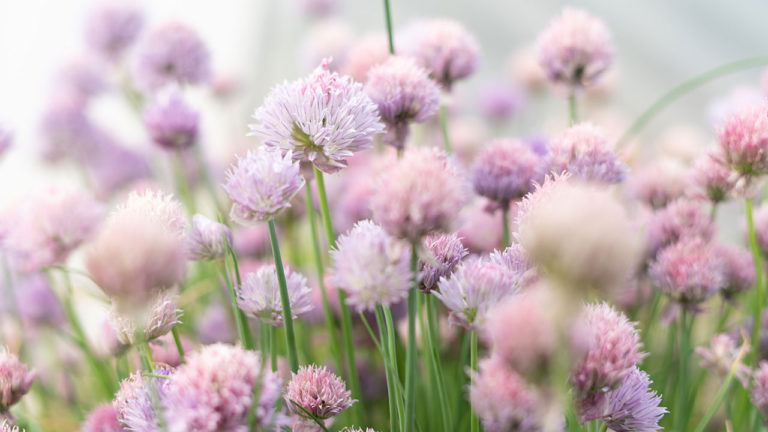
When it comes to herb gardening, growing chives is something I don’t think I could do without. Every garden I’ve ever planted has a little section devoted to chives. Their flavor is great and I love their pink, tuft-like flowers. Chives are remarkably easy to grow, often requiring next to nothing from the gardener who...
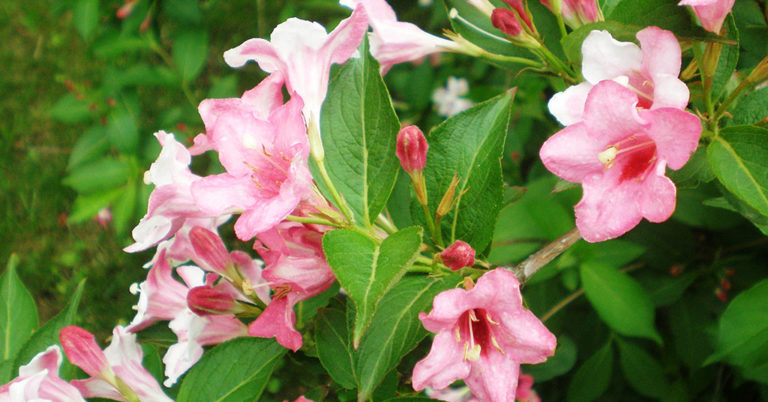
This vintage beauty has occasional blooms throughout the summer and spring. Weigela requires little upkeep. Weigela is a robust and hardy shrub, thus taking care of it entails planting and watering a growing weigela in the appropriate location. What is Weigela? Although they rank one or two tiers below more familiar species like lilacs, azaleas,...
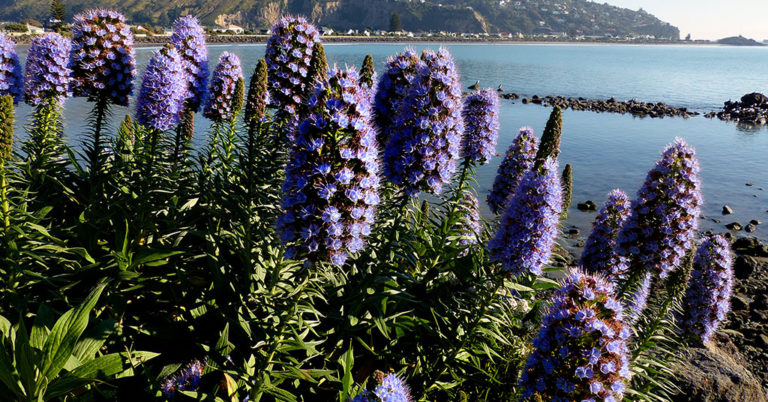
The Pride of Madeira is a popular addition to garden borders and beds and one of the easiest plants to grow and maintain. A native of the Portuguese island of Madeira and the Spanish Cayman Islands, it has become readily popular throughout America. Though the plant is not picky, it needs to be checked regularly...