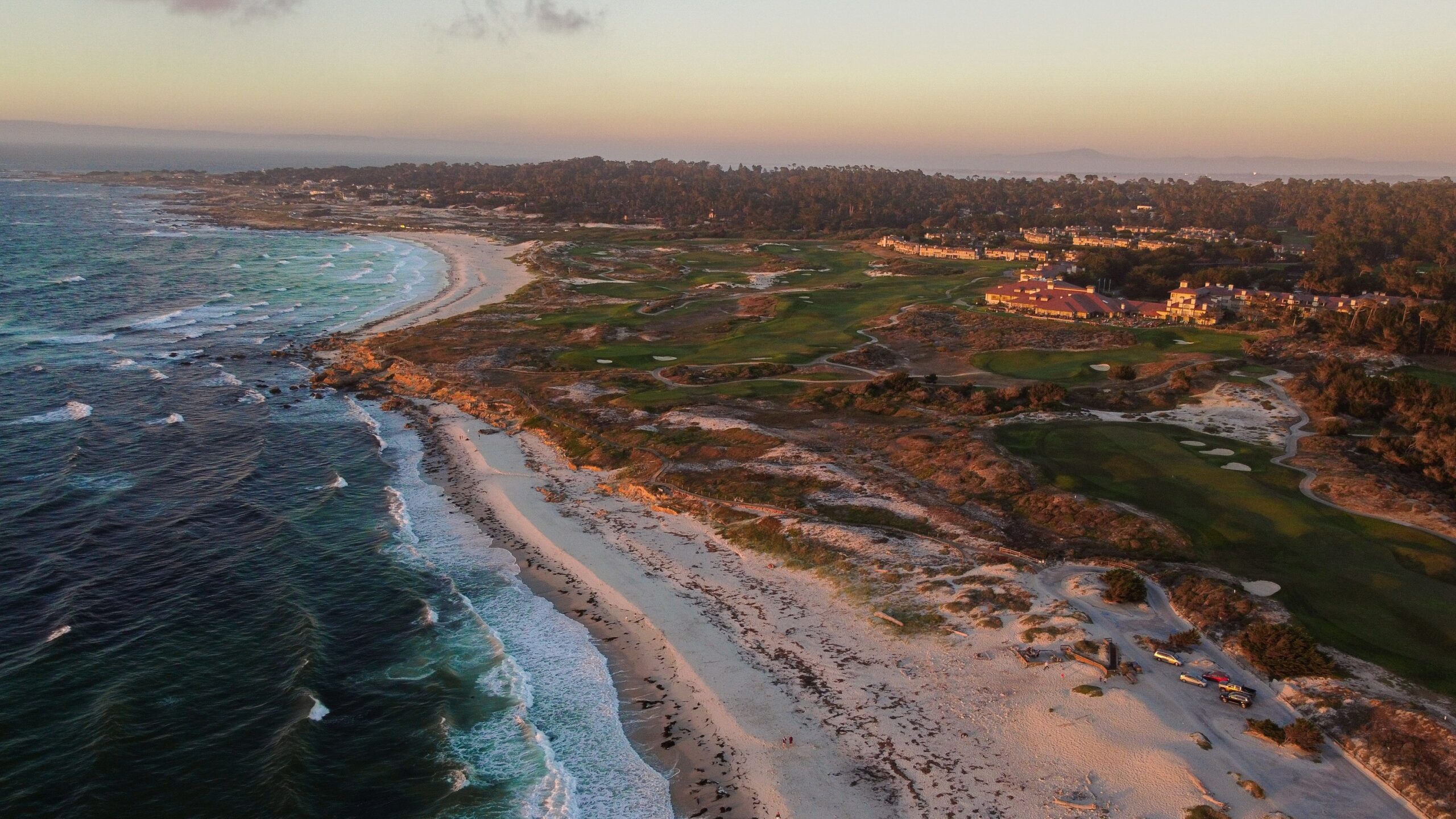

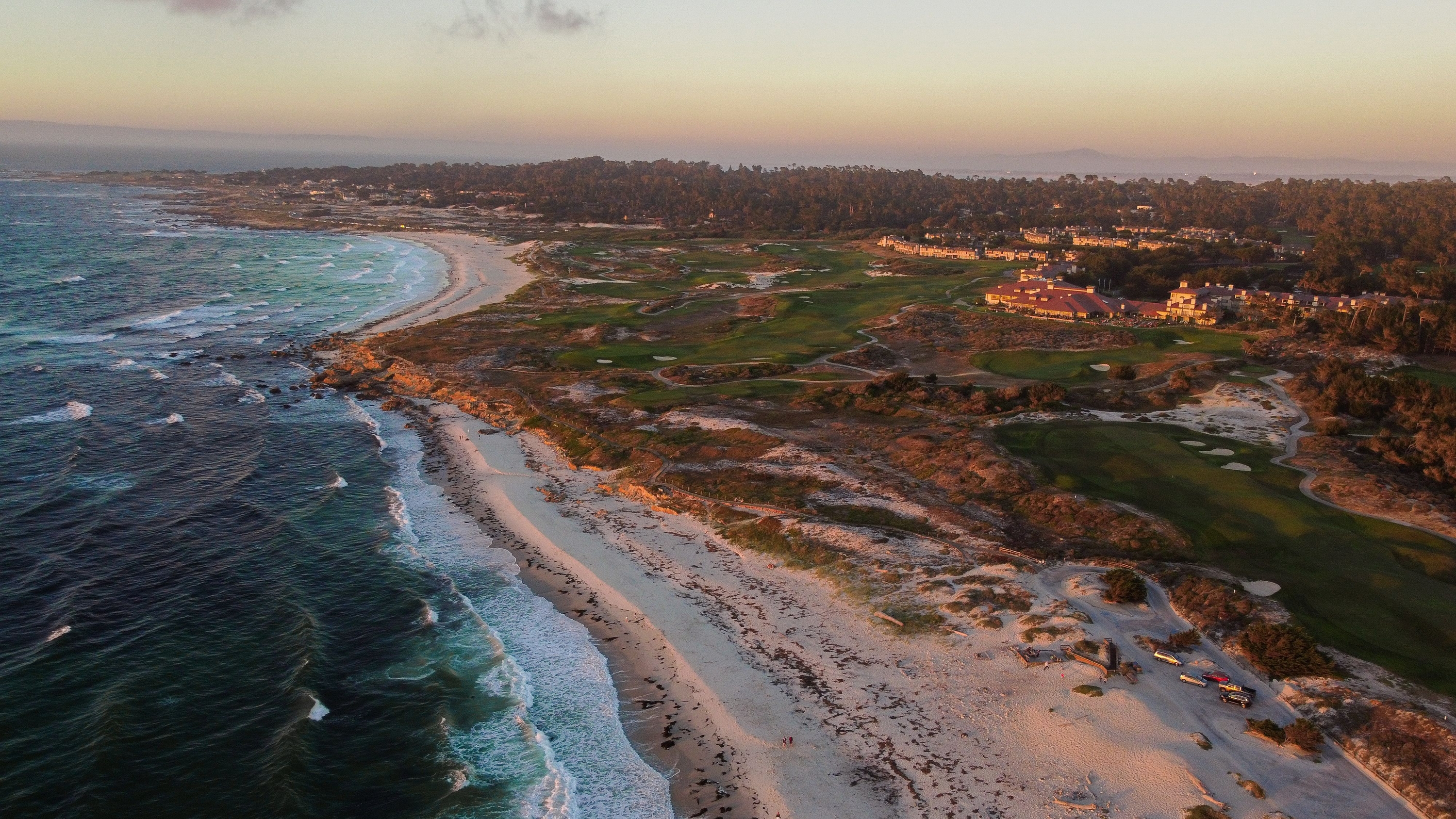
Gardening along the Monterey coast is an exercise in respecting the environment, not fighting it. The region is defined by powerful environmental forces, including persistent salt-laden winds, dense summer fog, and dramatic temperature swings between coastal and inland areas. The plants that thrive here do so because they’ve been shaped by exactly these conditions, some over millennia, others through generations of thoughtful cultivation.
A successful landscape design must account for these factors, using strategic plant selection and hardscape placement to create sheltered, functional, and beautiful outdoor spaces that endure challenging coastal conditions. The ten trees below are proven performers for Monterey gardens. Each one earns its place not through novelty, but through verifiable resilience.
Monterey Cypress (Hesperocyparis macrocarpa): The Region’s Iconic Wind Fighter
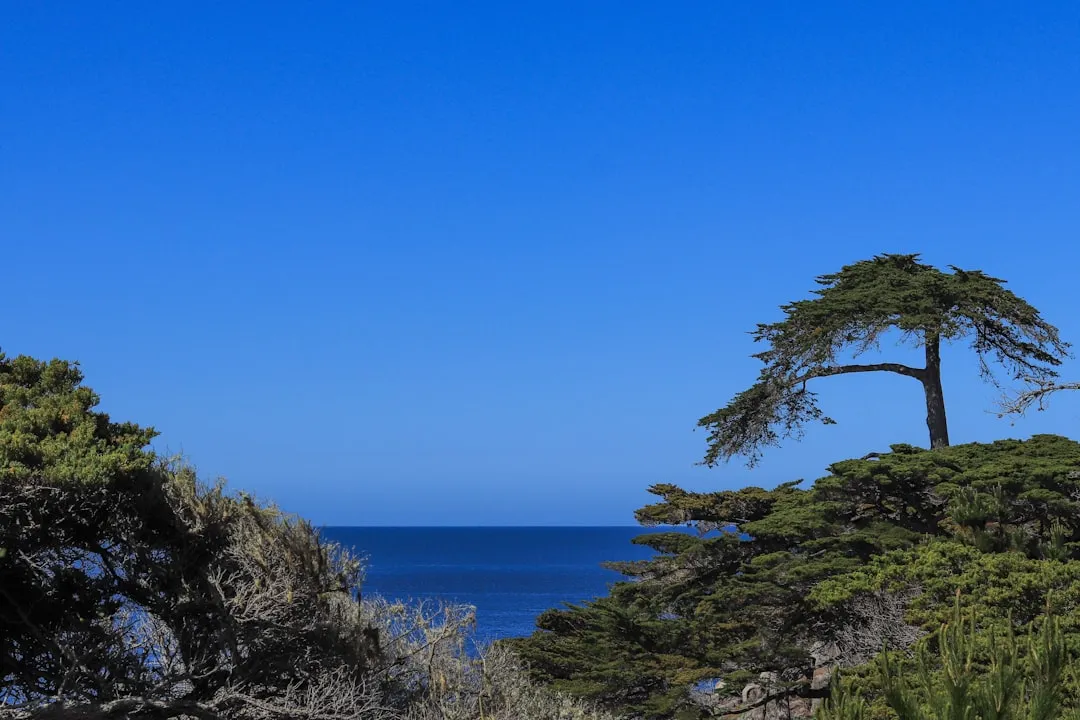
No tree is more closely tied to the identity of the Monterey Peninsula than the Monterey Cypress. The Monterey cypress is found naturally only on the Central Coast of California, with its modern distributional range confined to two small relict populations near Carmel, at Cypress Point in Pebble Beach and at Point Lobos. That such a small native footprint gave rise to one of the world’s most recognized coastal trees says something about the conditions that forged it.
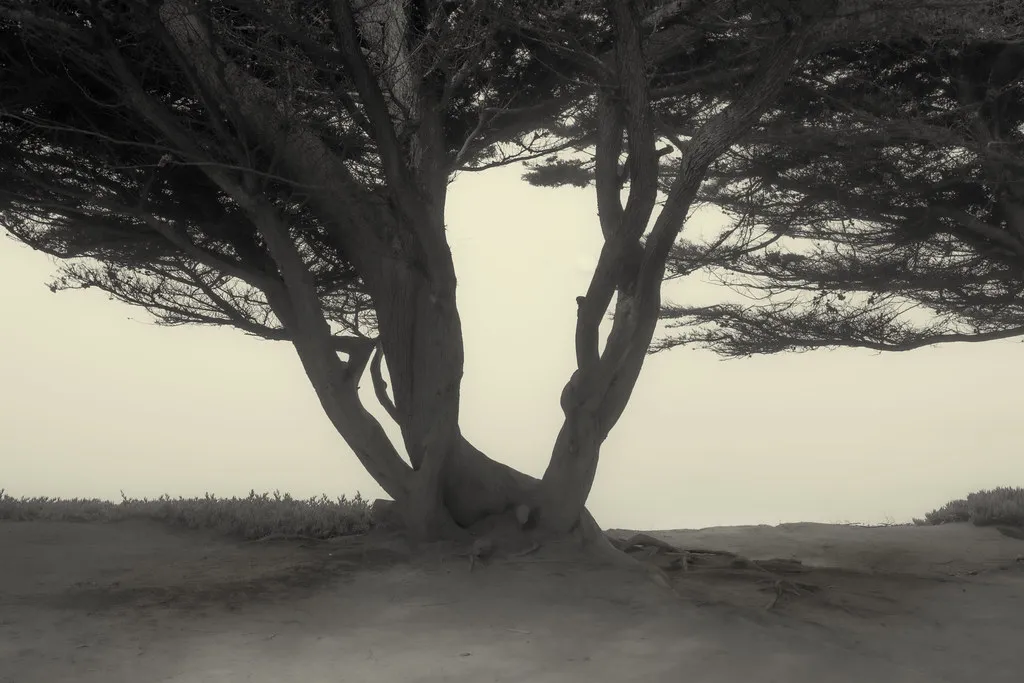
The Monterey Cypress is a dramatic, wind-sculpted native of the California coast, famous for its gnarled, spreading form and refreshing lemon-scented foliage. Naturally adapted to coastal winds and harsh conditions, Monterey cypress acts as a crucial halophyte that stabilizes fragile soils against harsh coastal winds, featuring a robust root network that binds sandy substrates together, stabilizing coastal cliffs and bluffs.
Established trees commonly add two to three feet per year in favorable coastal sites, and specimens can reach heights of 65 to 98 feet. It does best in cool, moist coastal areas but can grow further inland with additional water. If you have the space and want serious windbreak power alongside genuine local character, this is your tree.
Monterey Pine (Pinus radiata): Speed and Shelter in One Package
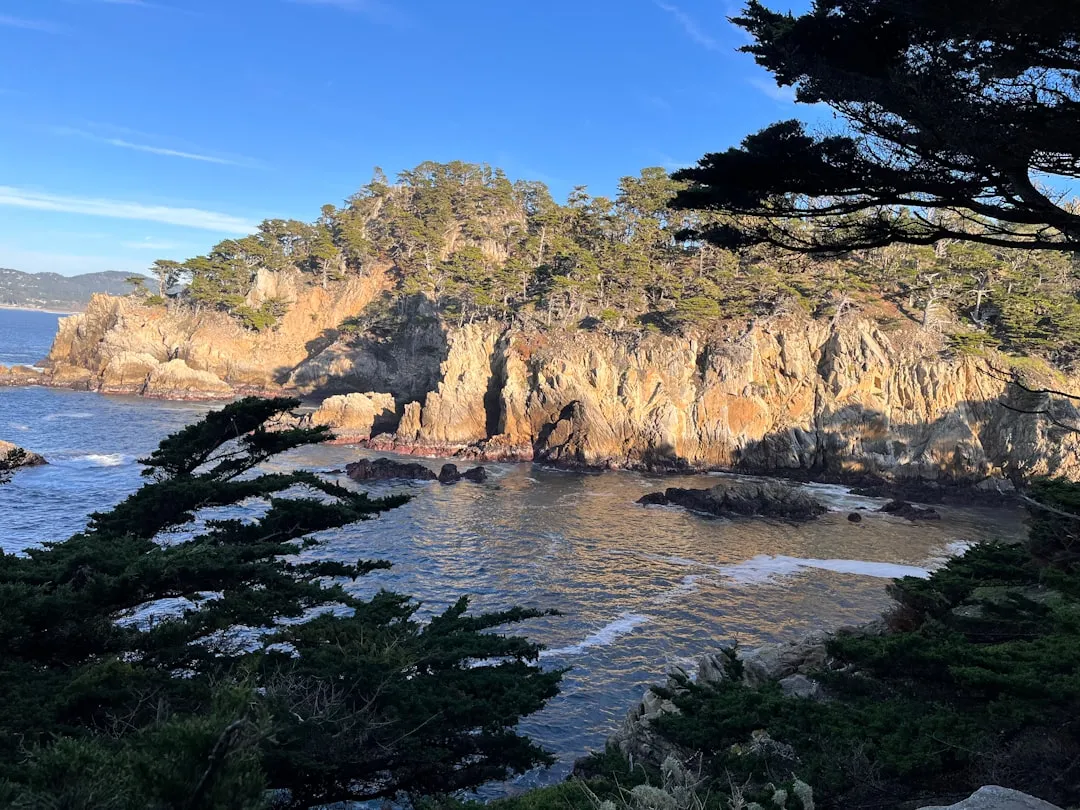
The Monterey pine is an evergreen conifer planted for commercial uses like timber and pulpwood, and though endangered in its native range, it is one of the world’s most widely planted pines. Its native range includes the Monterey peninsula itself, making it a genuinely local choice for the coastal garden. This species is rarely found more than 11 kilometers from the sea.
Monterey pines can grow two meters per year, often reaching a height of 12 to 18 meters within 25 years of planting. Many of the iconic Monterey pines of California grow in twisted, contorted, and knotted shapes as a result of coastal winds, giving the garden a sense of earned drama. It is smog and wind tolerant.
Grow this plant only along the coast well within the coastal fog bank. In inland areas, it will grow fast if given water but typically dies after around five years. Pitch canker disease is also a known concern: the three remaining native stands are infected and under threat from pitch canker, a fungal disease, and when trees begin to die of the disease, they attract bark beetles which provide a pathway for infection of other trees. Choose disease-resistant nursery stock when available.
Coast Live Oak (Quercus agrifolia): Long-Lived and Wildlife-Rich
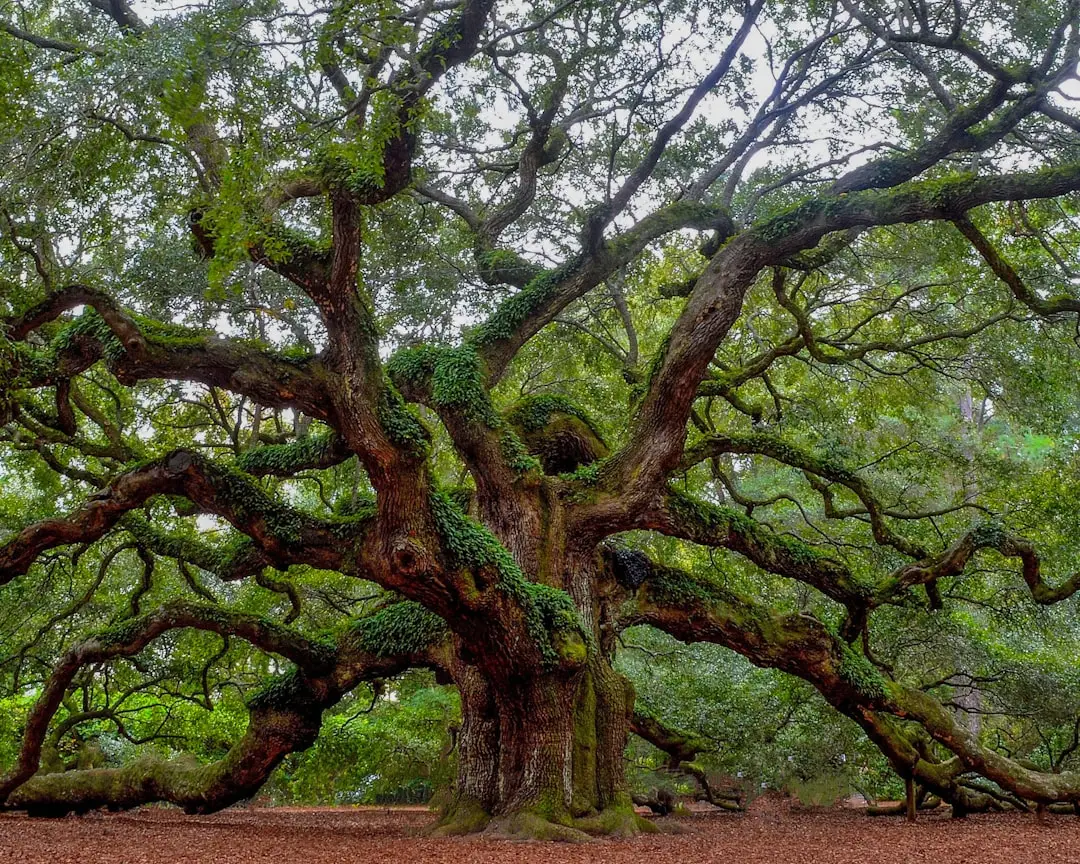
Coast live oak is the only California native oak that actually thrives in the coastal environment; it enjoys the mild winter and summer climate afforded by ocean proximity, and it is somewhat tolerant of aerosol-borne sea salt. The coastal fog supplies further buffering from the rainless California summer heat.
The Coast Live Oak flowers each spring and its acorns attract a wide variety of birds and butterflies, with over 270 species relying on these trees for habitat and food. These resilient trees can live for centuries, often surpassing 250 years, and can grow impressively tall, reaching mature heights ranging from 30 to 80 feet. Few trees offer that combination of longevity, wildlife value, and coastal toughness.
Coast live oak is foundational and wildlife-supporting; avoid in lowest-salt-exposure zones and monitor for sudden oak death. It tolerates wind and some salt spray in sheltered locations but can be susceptible to sudden oak death in some watersheds. Plant well upslope from eroding bluffs and allow ample room for its spreading crown and root system.
Understanding Monterey’s Microclimate Before You Plant
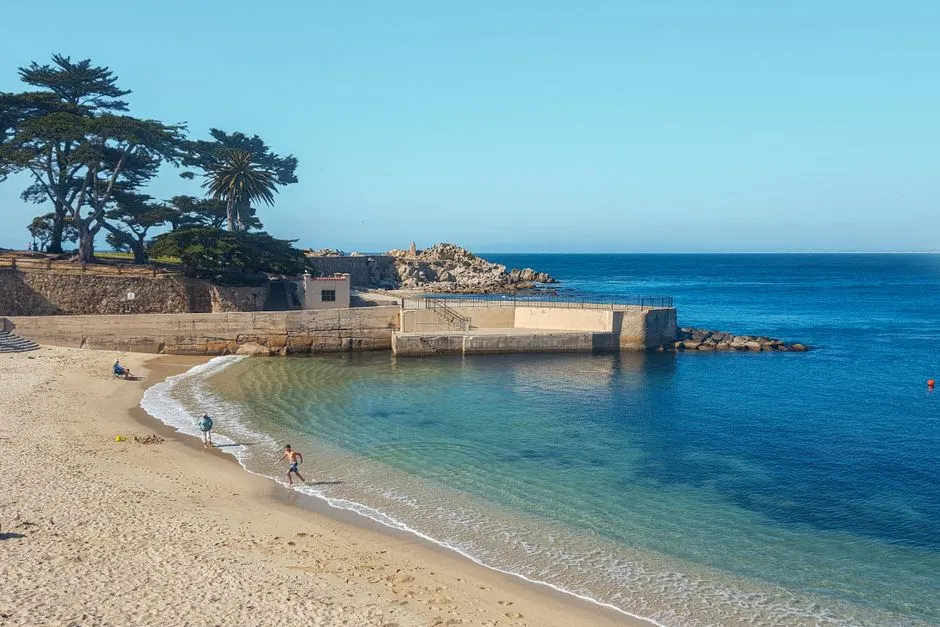
Coastal California is not a single uniform environment. Microclimates vary sharply over short distances, and each factor should influence your choice of species and planting location. A sheltered spot tucked behind a hillside behaves very differently from an exposed bluff edge, even if they’re a few hundred feet apart.
Wind can desiccate foliage and mechanically stress trees; salt spray causes leaf scorch, stunted growth, and root-zone salinity. Trees must either tolerate foliar salt or be placed in sheltered sites. Coastal fog reduces evaporative demand and helps mitigate drought stress, but fog drip also promotes fungal disease in sheltered, cool sites.
Mapping the daily movement of wind and fog across your specific property before choosing a species will save years of frustration. This method goes beyond simply choosing hardy plants; it involves a holistic site analysis to map how wind, sun, and fog interact with your property throughout the day and year.
How Windbreaks Actually Work: The Science of Shelter
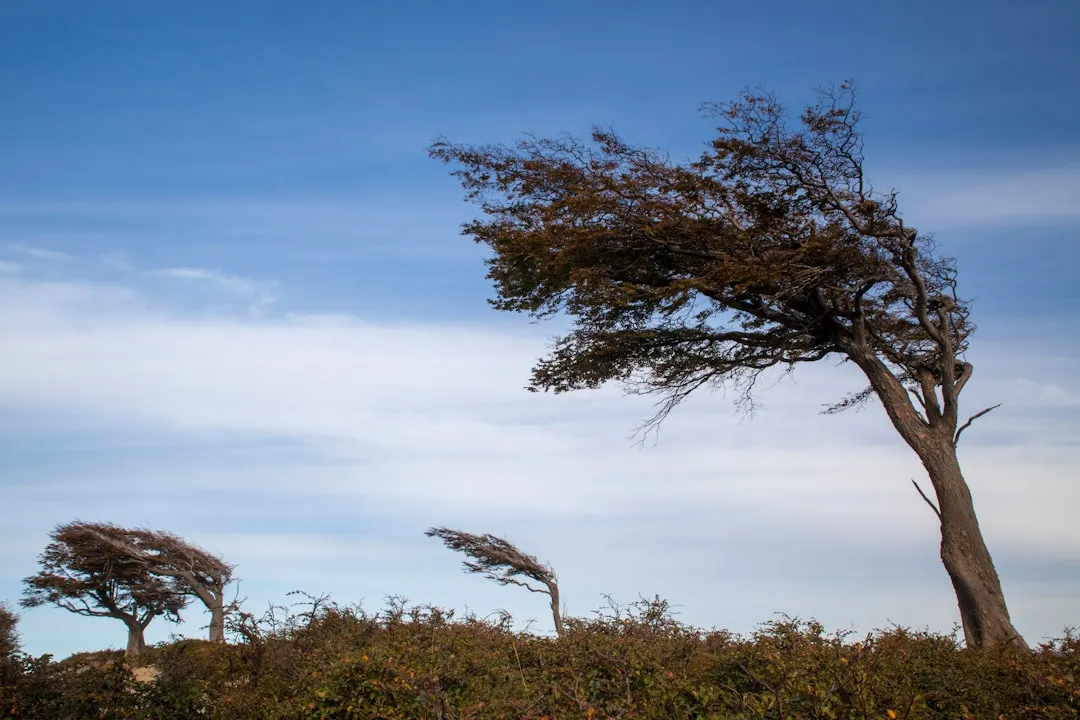
Planting trees for shelter is only effective when you understand how wind actually moves through a landscape. A well-positioned windbreak can protect more tender plants whilst reducing wind speed for a distance up to ten times the height of the barrier. That’s a meaningful radius of protection for the rest of your garden.
The most effective windbreaks filter rather than block wind completely. Solid barriers like walls can create turbulence, whereas permeable hedges or tree belts slow and filter coastal winds more effectively. To be effective, windbreaks must be semi-permeable, ideally filtering 50 to 60 percent of the wind to reduce its strength.
Since the number of plants that will grow directly in the spray from the sea is limited, it makes sense to use those plants to create shelter. By planting them on the ocean side of a property, a lot of the salt will be trapped by them, leaving a much friendlier environment on the lea side, where many ordinary garden plants can then be grown.
California Bay Laurel (Umbellularia californica): Aromatic and Adaptable
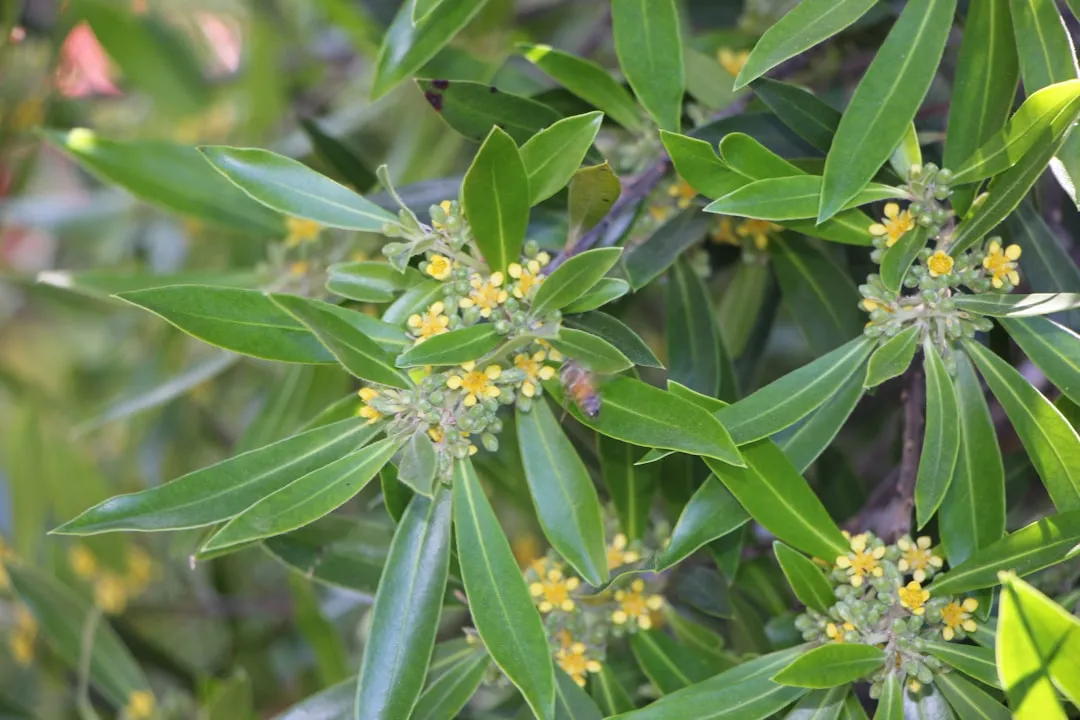
California bay is one of the smaller, multiuse trees suited for sheltered coastal yards. It’s evergreen, aromatic, and genuinely versatile. The leathery leaves naturally resist moisture loss and hold up well against coastal gusts that shred finer-leaved plants almost immediately.
California Bay Laurel grows well in a variety of coastal soils, tolerates drought once established, and works as both a specimen tree and a dense screen. Its canopy is dense enough to offer real protection to plants downwind, without growing so fast that it becomes difficult to manage in a smaller garden.
Worth noting: the essential oils in the foliage are potent, and while the leaves are used culinarily, they are far stronger than grocery-store bay. Keep that in mind if children or pets spend time in the garden. As a wind buffer, though, it’s an underrated option that deserves more attention from Monterey gardeners.
Pacific Madrone (Arbutus menziesii): The Striking Structural Choice
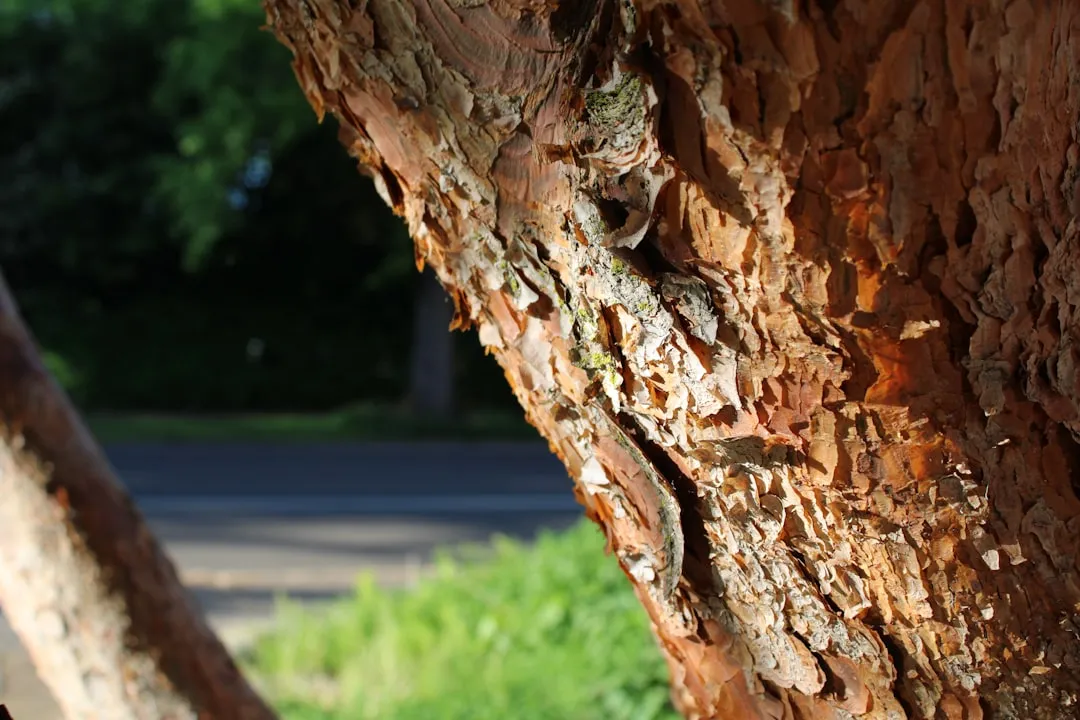
Arbutus (madrone) is an attractive and wildlife-friendly coastal option that needs well-drained soils. The Pacific Madrone is one of the most visually striking native trees of the California coast, recognized instantly by its peeling cinnamon-colored bark and glossy evergreen leaves.
Its value in a coastal garden extends beyond aesthetics. The madrone’s thick, leathery foliage resists salt spray effectively, and its root system anchors well in the sandy or rocky coastal substrates common around Monterey. Birds are drawn to its red berries in autumn, making it a wildlife asset as well as a windbreak element.
The one genuine caution with madrone is that it resents transplanting. Plant it young, from a small container, and disturb its roots as little as possible. When established it is remarkably self-sufficient, but it can struggle if moved or over-watered. It rewards patience with one of the most beautiful tree canopies in the California coastal garden.
Planting Strategy: Getting Your Trees Established in a Windy Site
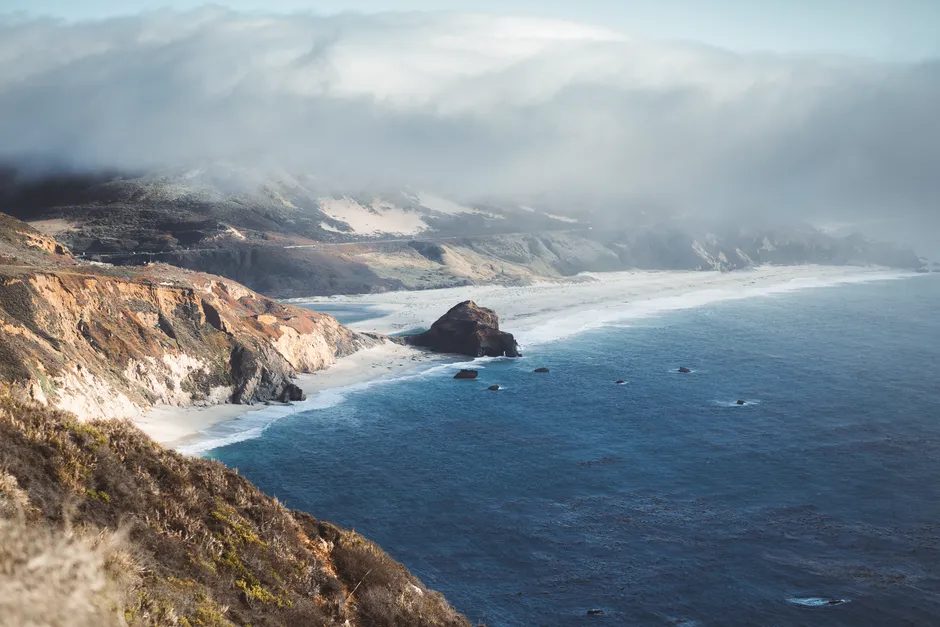
Choosing trees for coastal environments presents a unique challenge. Strong winds, salt-laden air, sandy or shallow soils, and exposure to the elements all place stress on plants that would otherwise thrive inland. However, with the right species selection, coastal landscapes can be transformed into resilient, beautiful spaces that offer shelter, biodiversity, and year-round interest.
Water regularly for the first two years, mulch the root zone, plant in full sun, and use well-drained soil. Avoid overwatering, which can contribute to root rot. Prune lightly in dry weather, remove dead or diseased wood, and do not cut hard into old wood. These basics apply across most of the species covered here.
Avoid planting large trees too close to bluff edges, utilities, or structures; allow room for mature crowns and roots. Staking newly planted trees lightly can help in the first season, but remove stakes after one year to encourage the trunk to develop natural flex and strength in response to the prevailing wind direction.
Choosing the Right Scale: Matching Tree Size to Your Property
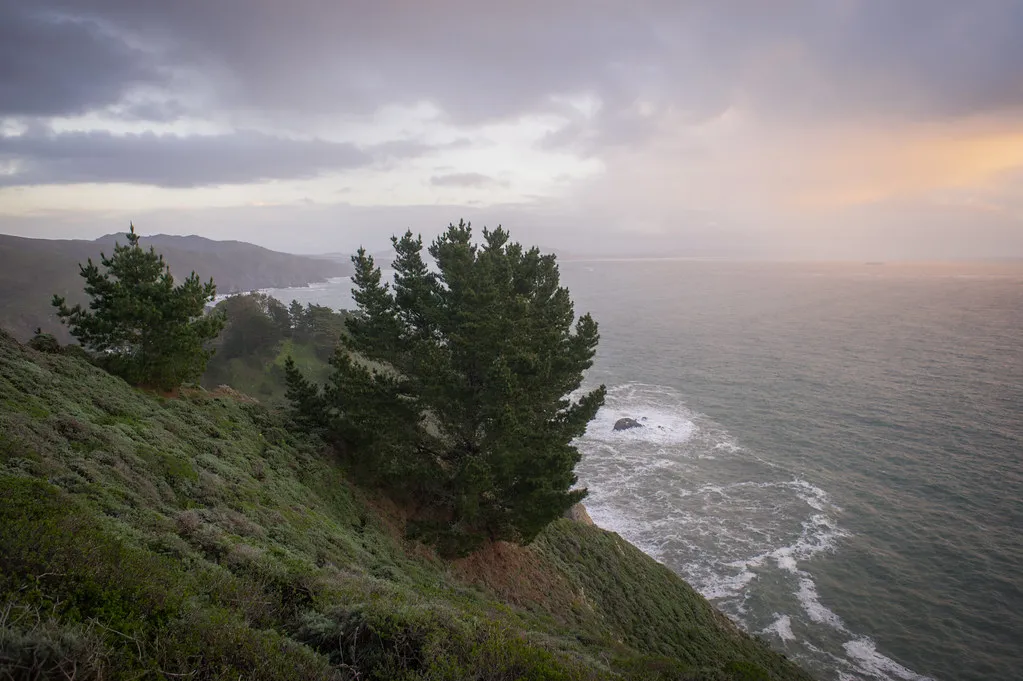
One of the most common mistakes in coastal garden planning is choosing trees that are too large for the site. Because Monterey Cypress can grow quite large, it needs a large planting area. The same logic applies to Monterey Pine. Both are exceptional trees, but they are trees for generous spaces.
For smaller gardens, California Bay Laurel and Pacific Madrone offer real wind protection without overwhelming a modest plot. Understanding and designing for Monterey County’s unique coastal microclimates is one of the most critical landscape design tips that work. Part of that understanding is accepting the scale of what you’re working with honestly.
Match species to the microclimate: exposure, fog frequency, soil type, and slope stability are decisive factors. Favor natives where possible for ecological resilience and reduced maintenance. A smaller native tree placed correctly will outperform a large exotic poorly sited every single time.
The Long View: Trees as Legacy Plantings in the Monterey Landscape
Monterey County’s climate, with its coastal fog and seasonal winter storms, puts unique stresses on trees. An arborist-led plan addresses these regional challenges head-on. Professionals can identify trees vulnerable to wind damage, diagnose diseases common to the coastal environment, and implement protection plans during construction to prevent root compaction or trunk damage.
Preserving a mature oak in Carmel or a historic cypress in Pebble Beach adds immediate, priceless value that new plantings cannot replicate for decades. There’s something humbling about that timescale. The trees you plant today in a Monterey garden may be sheltering gardeners two centuries from now, just as the old cypresses and oaks of Point Lobos sheltered coastal Ohlone peoples long before the first nursery was ever established.
Despite such a small native extant population, the Monterey cypress today has a cultivated ornamental distribution across a broader geography than any other indigenous Californian tree, which is proof of what the right tree, planted in the right place, can accomplish when given time. Choose well, plant carefully, and the Monterey coast will do the rest.
AI Disclaimer: This article was created with the assistance of AI tools and reviewed by a human editor.