
Understand What Root Rot Actually Is
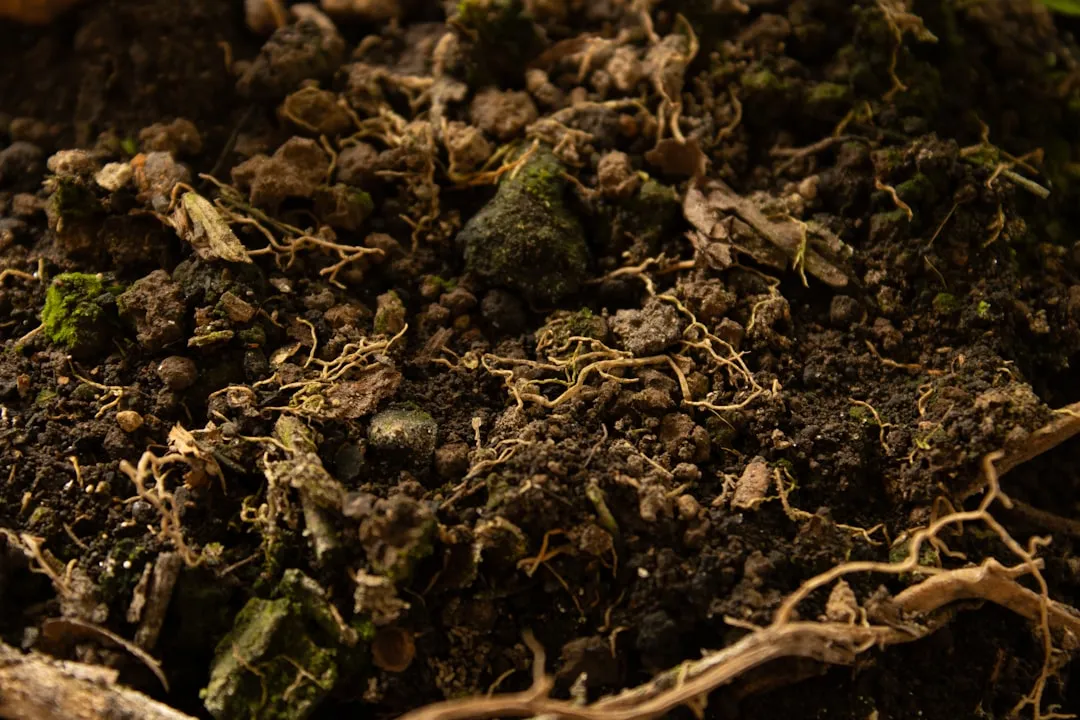
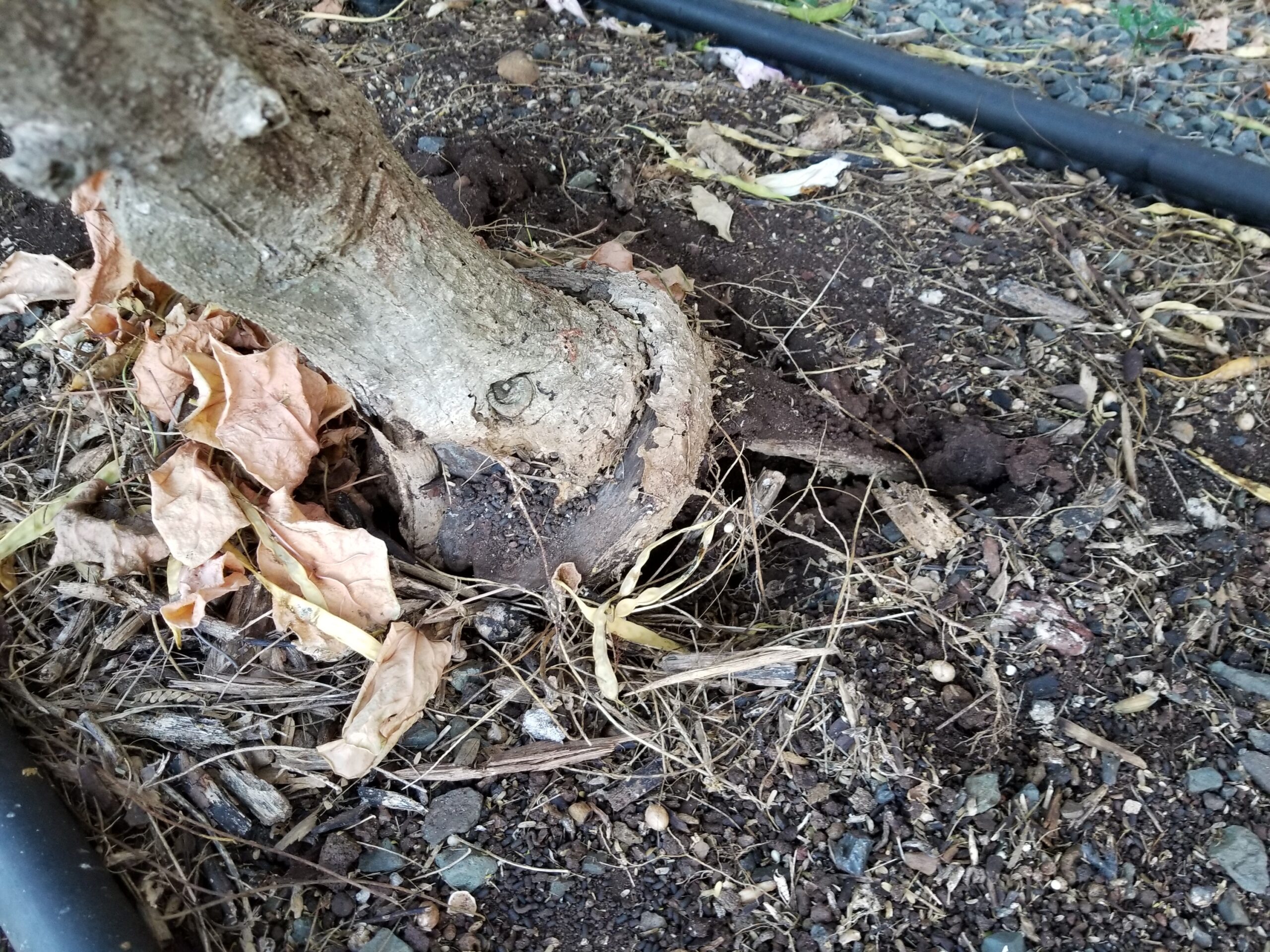
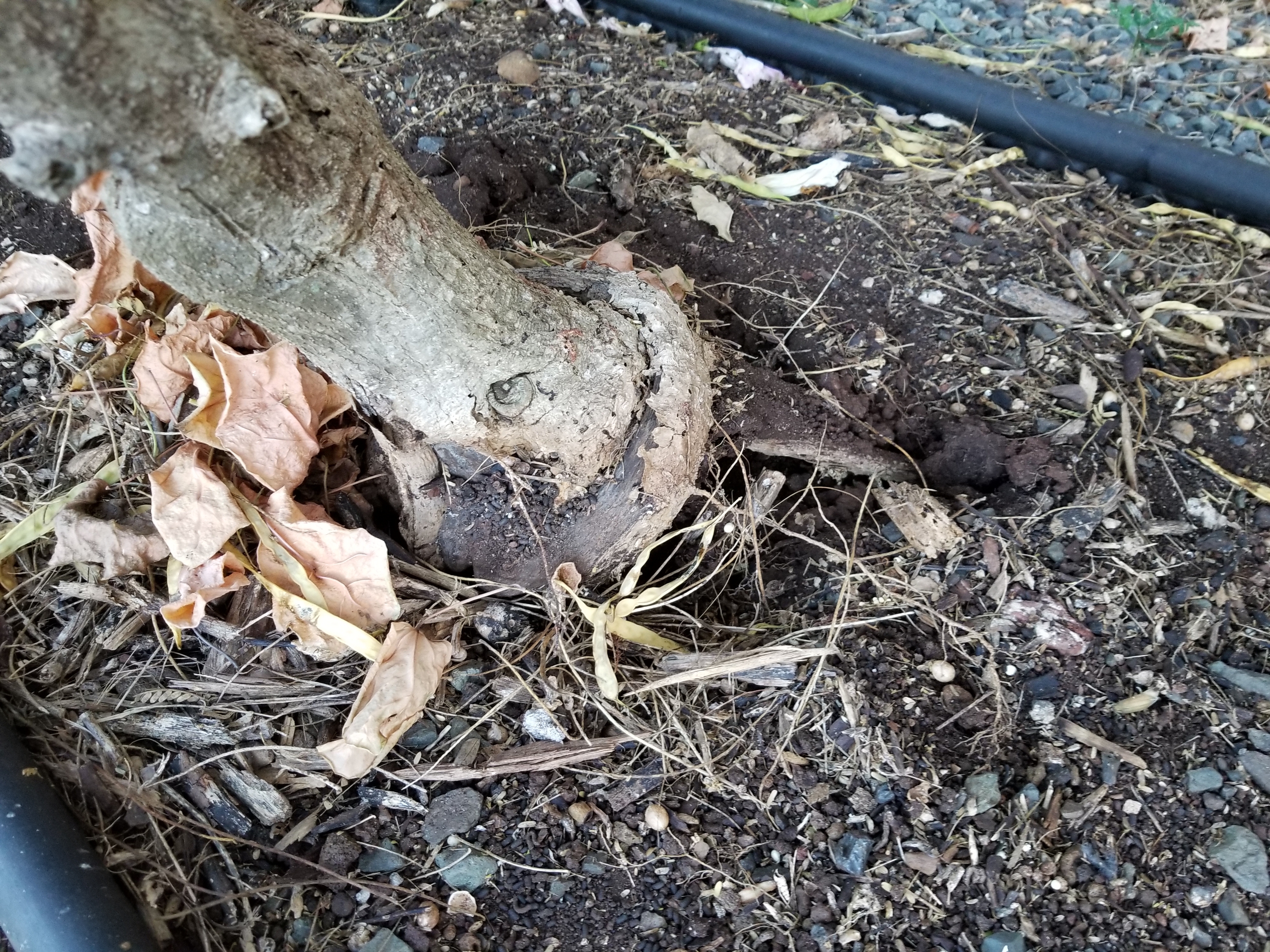
Root rot isn’t a single disease but a condition caused by a group of soil-borne organisms that attack roots once conditions turn favorable for them. Extension researchers at the University of Wisconsin note that a large number of soil-borne fungi cause root rots, with Pythium spp., Phytophthora spp., Rhizoctonia solani, and Fusarium spp. being the most frequent offenders. These organisms are not exotic or rare. They live in ordinary potting soil and simply wait for wet, oxygen-poor conditions to take hold before multiplying and attacking root tissue.
Know Which Pathogens Are Doing the Damage
Not all root rot behaves the same way, and knowing the difference helps explain why symptoms can vary so much from plant to plant. Pythium is described as the most common culprit in home settings, an oomycete that thrives in cool, wet, poorly aerated soil, and it spreads through spores that swim through waterlogged soil to reach healthy roots. Phytophthora behaves similarly but tends to be more aggressive, and in severe cases it causes crown rot where the stem base turns dark brown to black and collapses. Rhizoctonia, by contrast, is a true fungus that does not need standing water to infect and instead produces a dry, reddish-brown discolouration rather than the soft, mushy decay of Pythium.
Recognize How Common This Problem Really Is
Root rot isn’t a rare misfortune reserved for careless plant owners. According to Wikipedia’s summary of houseplant care research, keeping plants consistently too wet leads to roots sitting in water, which often causes root rot, making it the most common cause of death for houseplants. One frequently cited industry estimate compiled in a 2026 review of soil sensors puts the figure even higher, suggesting that roughly nine in ten houseplant deaths stem from incorrect watering. Whatever the exact number, the pattern is consistent across nearly every source: watering mistakes, not neglect from underwatering alone, are the dominant driver.
Watch for Yellowing Leaves That Don’t Match the Watering Schedule

Yellow leaves are one of the earliest visible clues, but they’re also frustratingly ambiguous because so many other problems cause the same symptom. Horticultural guidance from Pennington notes that yellow leaves or stunted growth are among the first root rot symptoms, since damaged roots can’t absorb the nutrients and water the plant needs. The real tell comes from timing and pattern. If yellowing spreads quickly across several leaves at once, particularly the lower ones, rather than showing up as the occasional aging leaf, it’s worth checking the soil before reaching for the watering can again.
Pay Attention to Wilting in Moist Soil
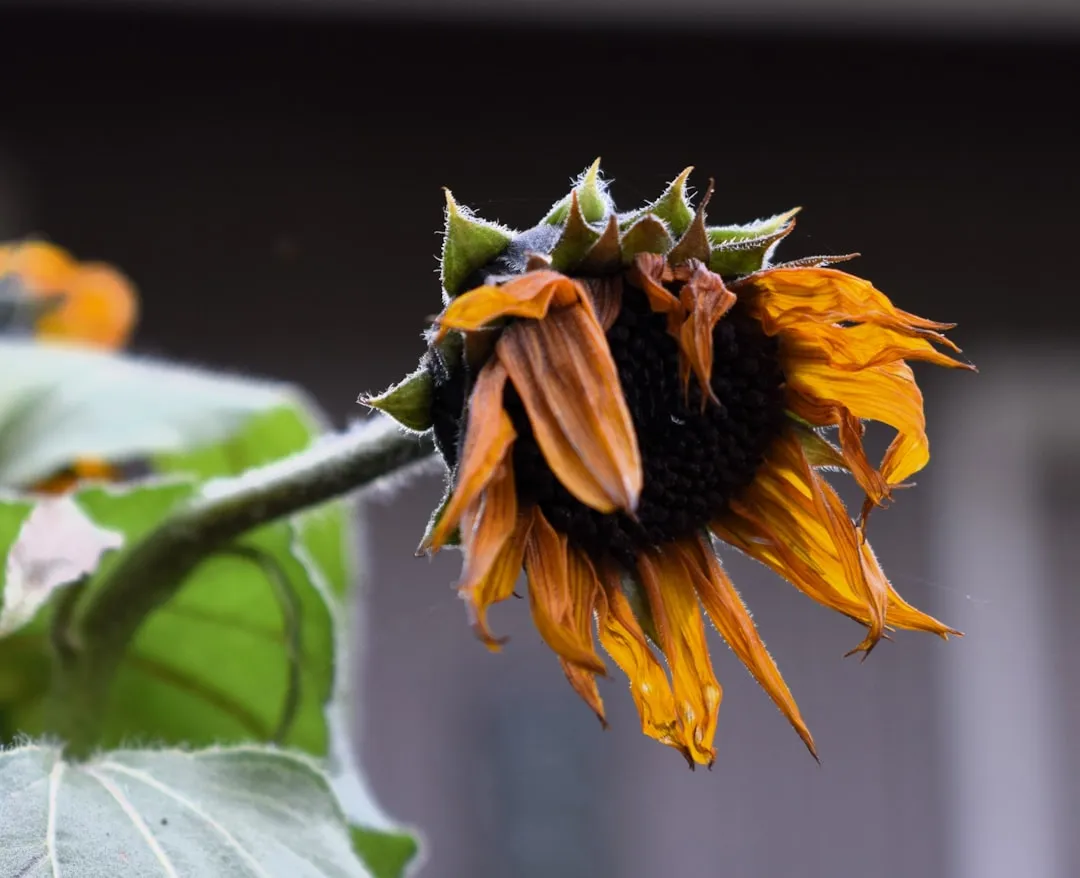
This is the sign that trips up the most plant owners, because instinct says a wilting plant needs water. In reality, gardening experts point out that rotten roots are unable to absorb water for the rest of the plant, so while the roots are wet the leaves may be dying of thirst. If a plant is drooping despite soil that already feels damp to the touch, more water is almost never the fix, and it’s a strong indicator that something is wrong beneath the surface.
Trust Your Nose Before Your Eyes
Smell is one of the most reliable early warning systems available, and it doesn’t require disturbing the plant at all. Multiple houseplant guides describe the odor as distinct, with one noting that a swampy or foul odor coming from the drainage holes of the pot is a clear sign of bacterial or fungal growth. Pennington’s plant care team makes a similar point, explaining that an unpleasant smell paired with sopping wet soil is a good clue that conditions favoring root rot are present. A quick sniff near the base of the pot, especially after watering, can flag trouble days before leaves start to change.
Check the Feel and Color of the Soil Surface
The condition of the potting mix itself often hints at problems before the plant shows any stress at all. According to OurHouseplants, warning signs at the surface level include fungus gnats flying around, obvious soggy or wet conditions in the soil, or patches of white mold growing on the surface. None of these signs alone confirm root rot is happening, but taken together with slow growth or off odors, they’re a strong reason to dig a little deeper, literally.
Inspect the Roots Directly When You Suspect Trouble
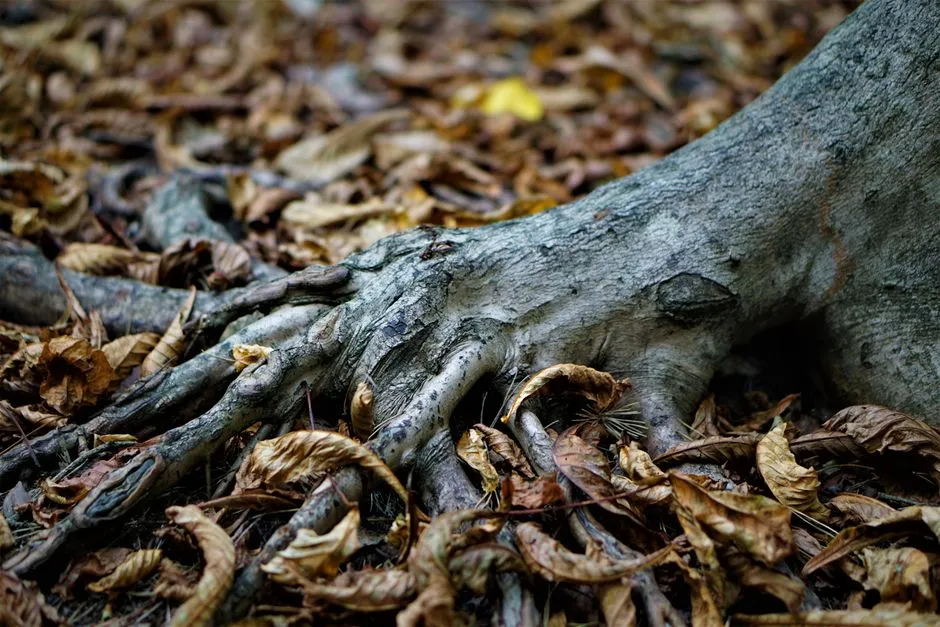
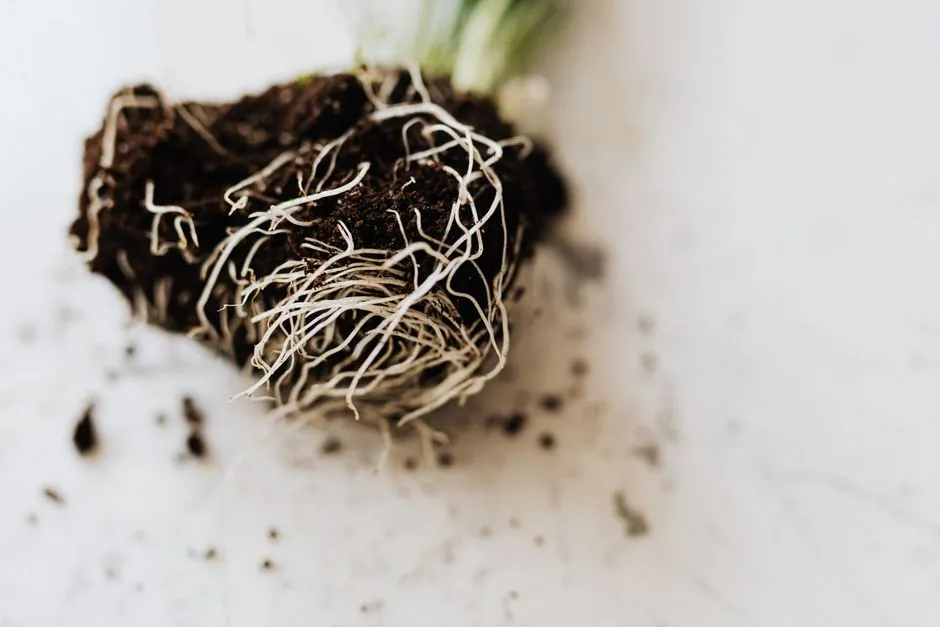
Surface clues can only tell you so much, because root rot frequently begins where you can’t see it. As one long-time houseplant grower explains, root rot often starts in the deep central parts of the root ball, rarely on the surface or in an area you can see or feel with your fingers, so even visible damage doesn’t reveal how bad things really are. The only way to confirm the diagnosis is to gently remove the plant from its pot and examine the root mass. Healthy roots are firm and typically white or light tan, while roots that have turned dark brown or black, especially if they feel mushy or slimy, are a strong signal that rot has already taken hold.
Use Moisture Meters and Smart Sensors as an Early Alarm System
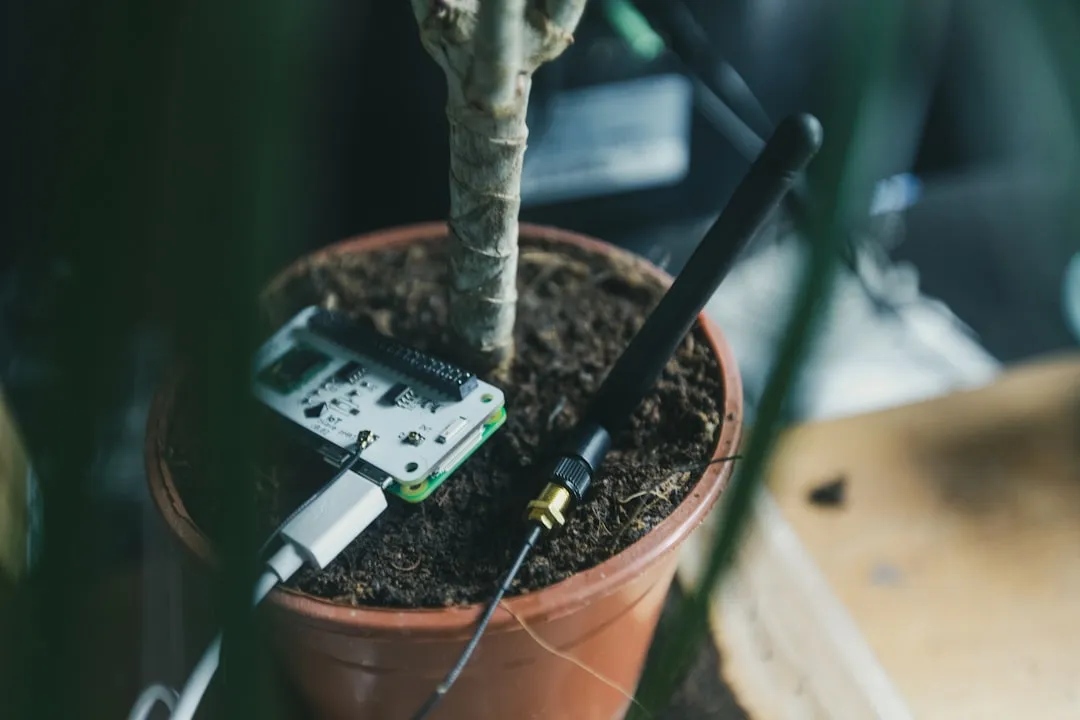
Because root rot is fundamentally a moisture problem, catching it early often comes down to knowing what’s happening underground before symptoms appear above it. Home and garden writers increasingly recommend smart moisture meters for exactly this reason, noting that these devices work by using a probe to detect how dry the soil is and then send an alert to your phone once conditions cross a set threshold.
A 2026 review of consumer soil sensors put it plainly, arguing that a sensor which reads actual conditions in the root zone removes the guesswork entirely, so you stop watering on a calendar and start watering when the soil actually needs it. For anyone who has lost a plant to soggy soil they didn’t realize was still wet, this kind of low-cost technology closes a real blind spot.
Build Habits That Prevent Root Rot From Starting
Detection matters, but prevention is where most root rot problems are actually solved. University extension guidance is direct about the basics: use a pot with drainage holes, skip the layer of rocks or gravel at the bottom since it can actually inhibit drainage rather than help it, and always choose a pasteurized commercial potting mix rather than garden soil, which often contains root rot fungi.
It’s also worth avoiding cross-contamination between plants, since experts warn that reusing old potting mix or drainage water can spread the same pathogens to otherwise healthy plants. Combined with a moisture check before every watering session, these habits address the root cause rather than just reacting to symptoms after they appear.
A Quiet Problem Worth Watching Closely
AI Disclaimer: This article was created with the assistance of AI tools and reviewed by a human editor.