
The Invasive Giant That’s Already in Your State
The box tree moth (Cydalima perspectalis) is an invasive pest that can defoliate and kill boxwood shrubs. While it isn’t the largest moth by wingspan, its outsized impact on residential gardens is what’s alarming plant specialists. This invasive species has become a serious pest in many regions outside its native range, including Europe and North America, where it lacks natural predators and can rapidly proliferate.
Initially detected in North America in Toronto, Canada, the box tree moth was first found in the United States in 2021 in New York State. Confirmed sightings have since extended its presence to Connecticut, South Carolina, Michigan, Ohio, Massachusetts, Delaware, Maryland, and West Virginia. The geographic spread has been swift and relentless.
How Fast Is It Spreading?
In merely four years since the border in Canada was breached, as of September 2025, the box tree moth had been found some 500 miles away from Toronto, in Kentucky. That kind of pace is what has plant health authorities on high alert heading into summer 2026.
APHIS established a box tree moth quarantine in Virginia in March 2026 and in West Virginia in December 2025. New federal quarantine zones are being added faster than many homeowners realize. A recent climatic study predicts that the box tree moth will survive throughout much of Europe, and most regions of North America, except Alaska and northern Canada, will provide suitable climates for establishment.
What Does the Moth Actually Look Like?
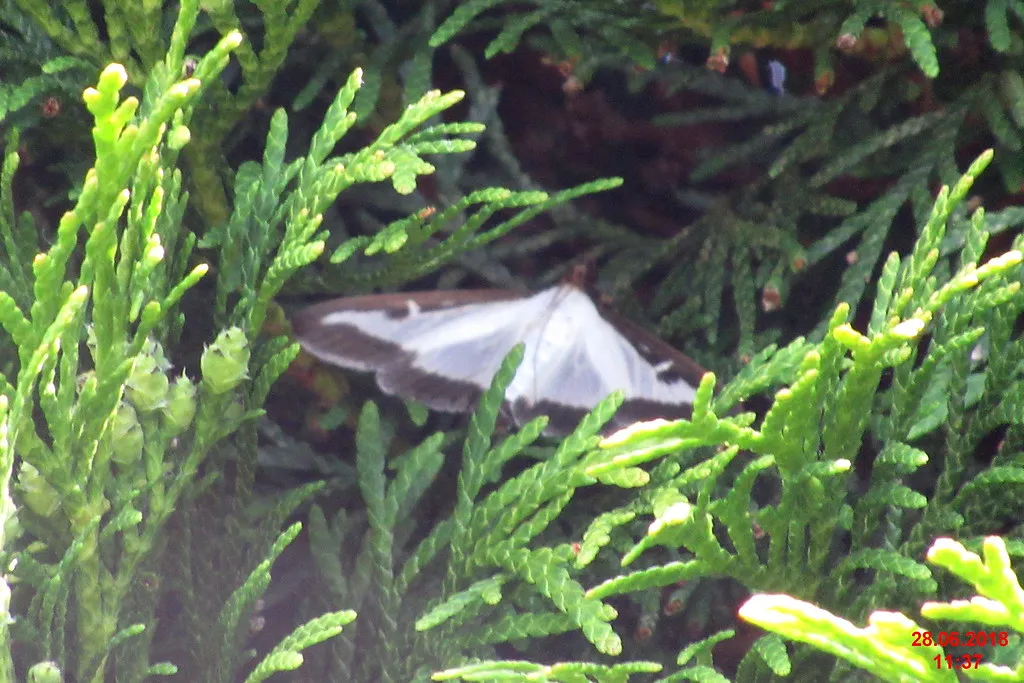
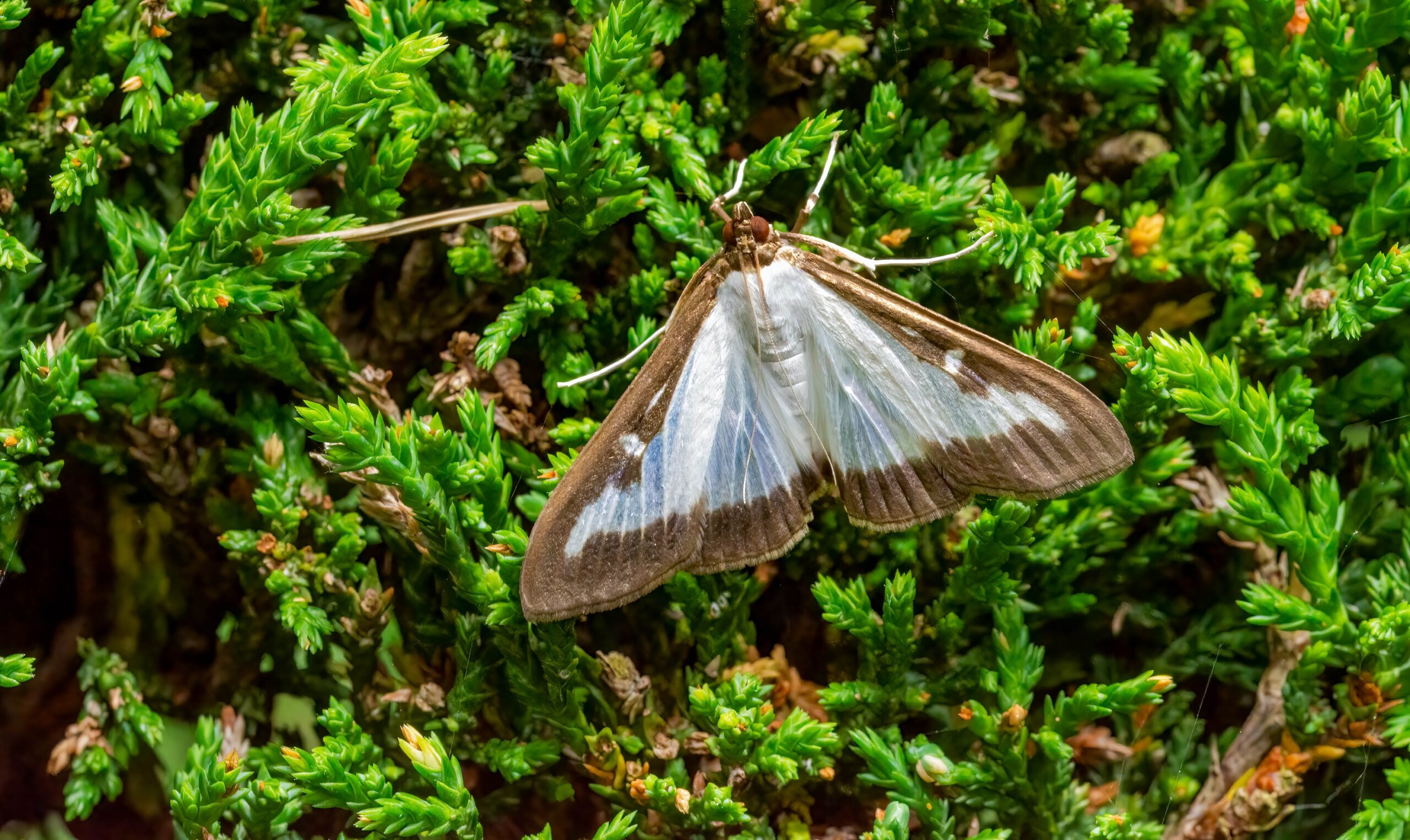
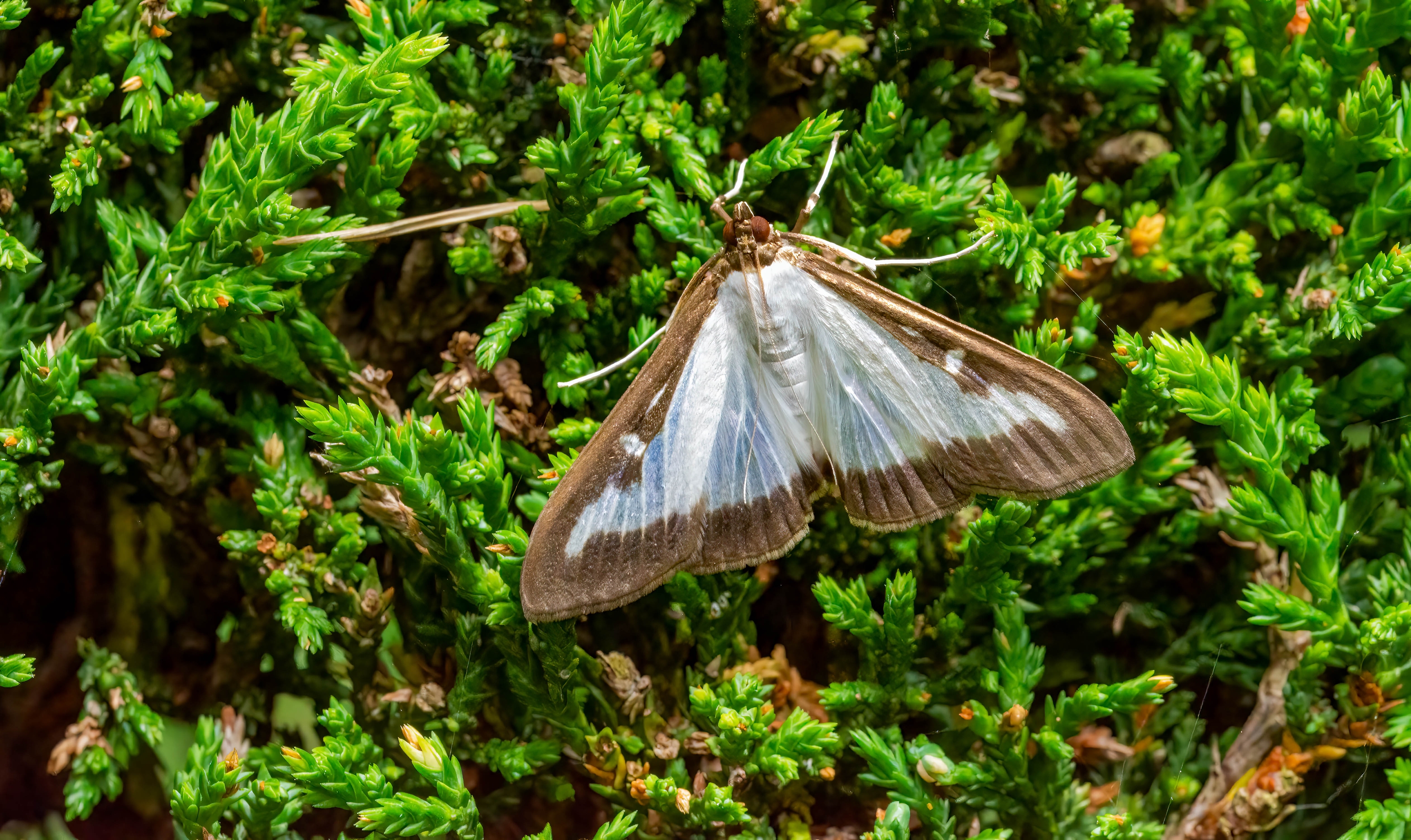
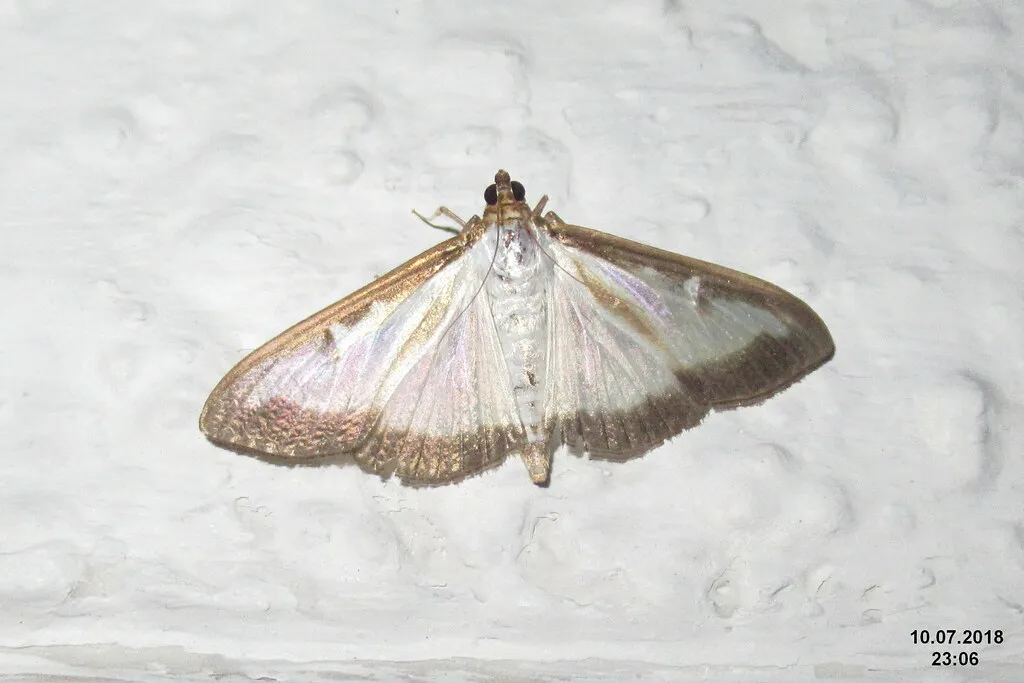
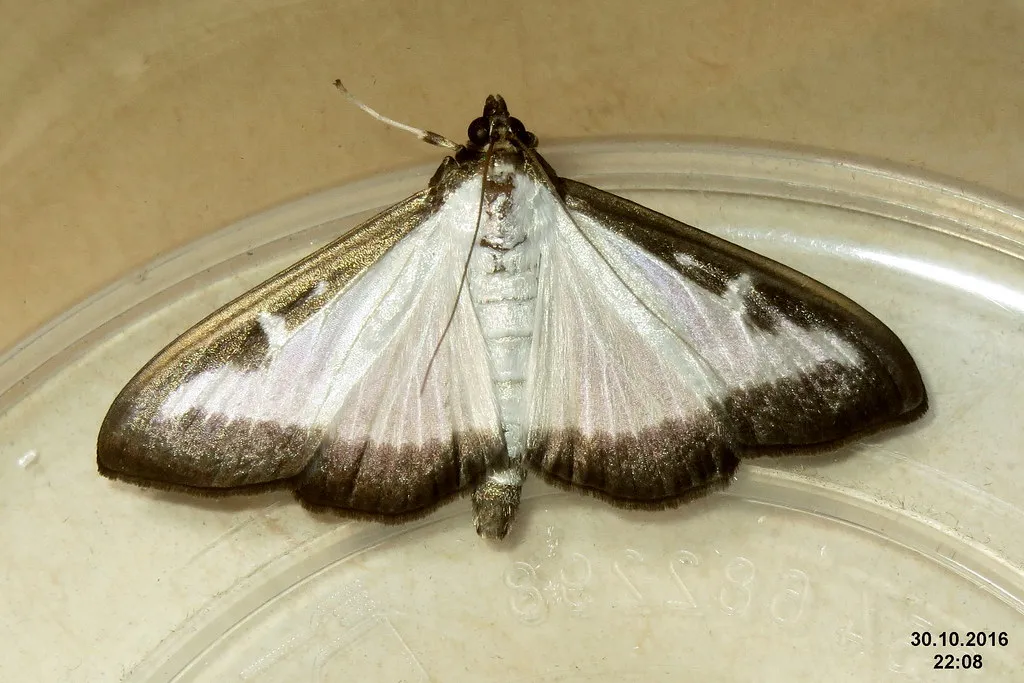
Adult box tree moths are typically white with a brown head and abdomen, with white wings outlined in a thick brown border. Some adults may be completely brown with a small white streak on each wing, though this morph is not as common and has not been reported in North America to date.
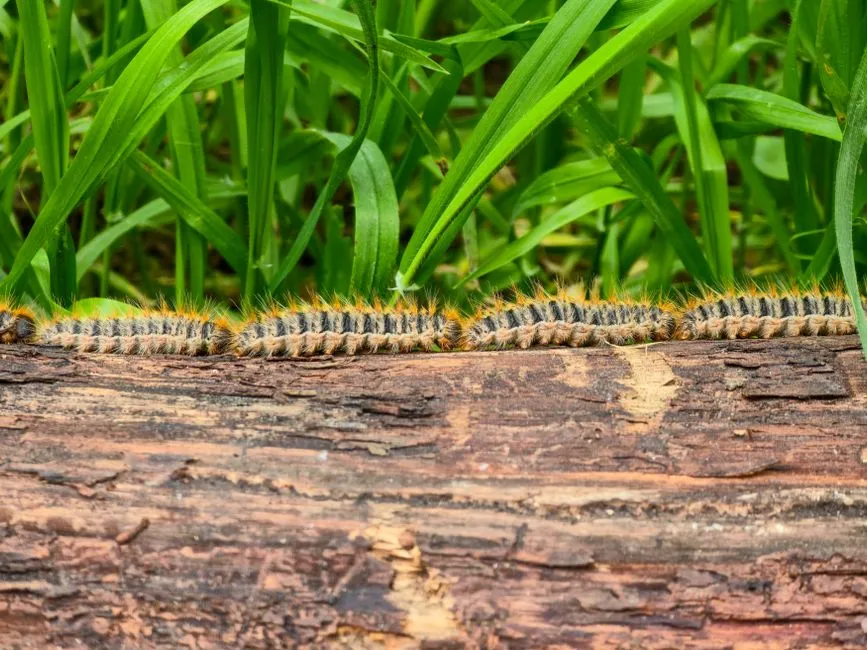
The caterpillars have lime green bodies with black stripes, white spots and hairs, and a shiny black head. They’re striking to look at, but their beauty masks serious destructive potential. Box tree caterpillars are easy to identify once you know what to look for. Most are about 2 to 4 centimetres long, with black heads and bright green bodies, with thick black and white stripes.
The Damage They Leave Behind
Already causing serious damage in Europe, the box tree moth has the potential to devastate one of the most widely planted shrubs in the US. In parts of Europe, boxwood hedges with heavy infestations have been completely defoliated in just a few weeks. The speed of destruction is what catches most homeowners off guard.
The first sign of an infestation is defoliation from caterpillar feeding. Caterpillars remove all leaf tissue except the midvein. If defoliation is observed, gardeners should check the canopy for caterpillars. By the time most people notice, the damage is already advanced. Box tree caterpillars usually start munching away from the inside of the plant, making damage difficult to spot to begin with.
The Quarantine Rules Homeowners Need to Know
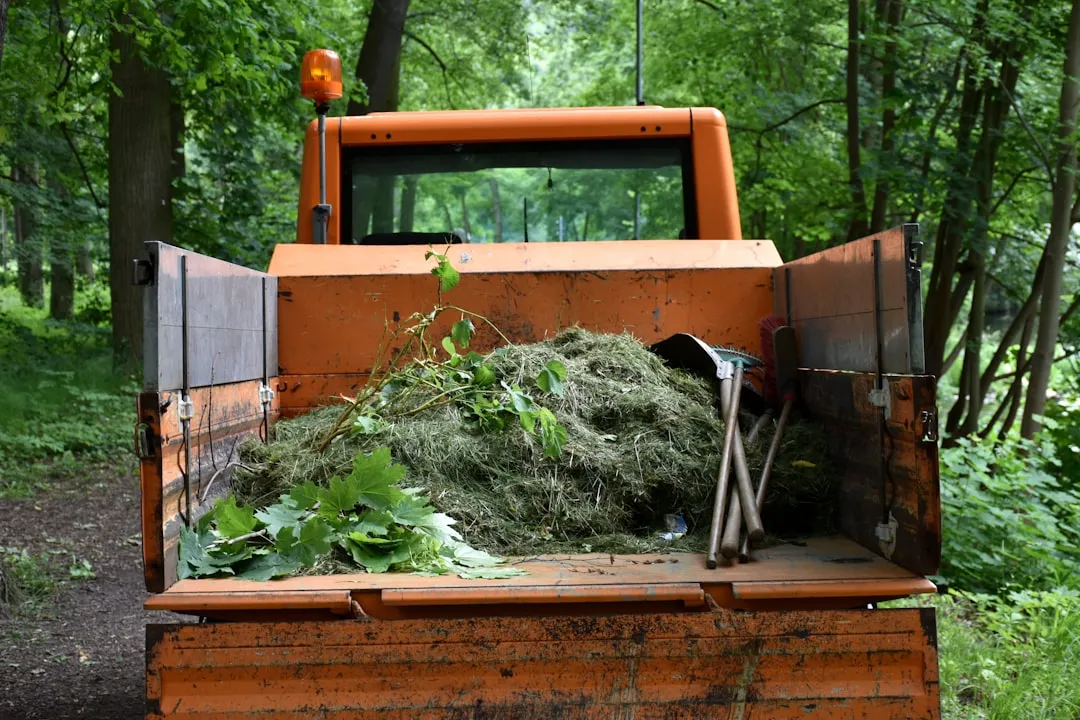
For homeowners and landscapers, moving any boxwood material is strictly prohibited within quarantine zones, including live or dead shrubs, trimmings, and debris. Many people unknowingly transport the pest when they move garden waste between properties or visit nurseries. The quarantine helps prevent the spread of box tree moth by limiting the movement of boxwood shrubs. Within the regulated quarantine area, growers and retailers must comply with internal quarantine measures, and movement of boxwood from inside the regulated area to outside the quarantine zone requires a signed compliance agreement.
The box tree moth is now firmly established in multiple Midwest states beyond Michigan. This aggressive defoliator is hitting boxwoods in residential gardens and commercial landscapes, often leading to complete leaf loss if not addressed early. Even homeowners outside the current quarantine zones are being urged to remain vigilant.
The Rare Giant: Meet the Death’s-Head Hawk-Moth
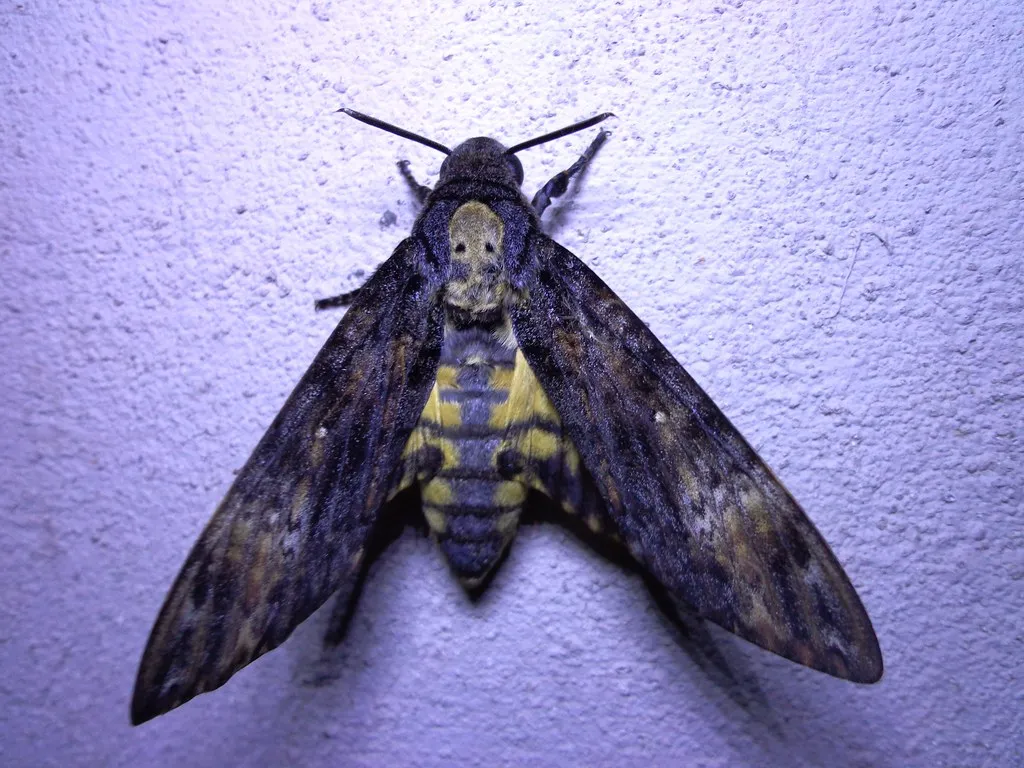
The death’s-head hawk-moth is the largest moth recorded in the British Isles. In the British Isles and other cooler northern parts of its European range, this magnificent insect is a scarce but annual migrant from southern Europe and Africa. Gardeners in southern England are most likely to encounter it, but sightings can occur much further north.
The death’s-head hawk-moth is the largest moth to be found in the UK, with a whopping wingspan of around 120 millimetres. It is an immigrant from southern Europe, usually arriving in late summer or autumn. Its sheer size tends to alarm anyone who spots it resting on a garden wall or fence post. Strikingly large, with a skull-like marking on its thorax and the ability to squeak when alarmed, the moth was traditionally seen as an omen of death.
When and Where to Expect Garden Sightings
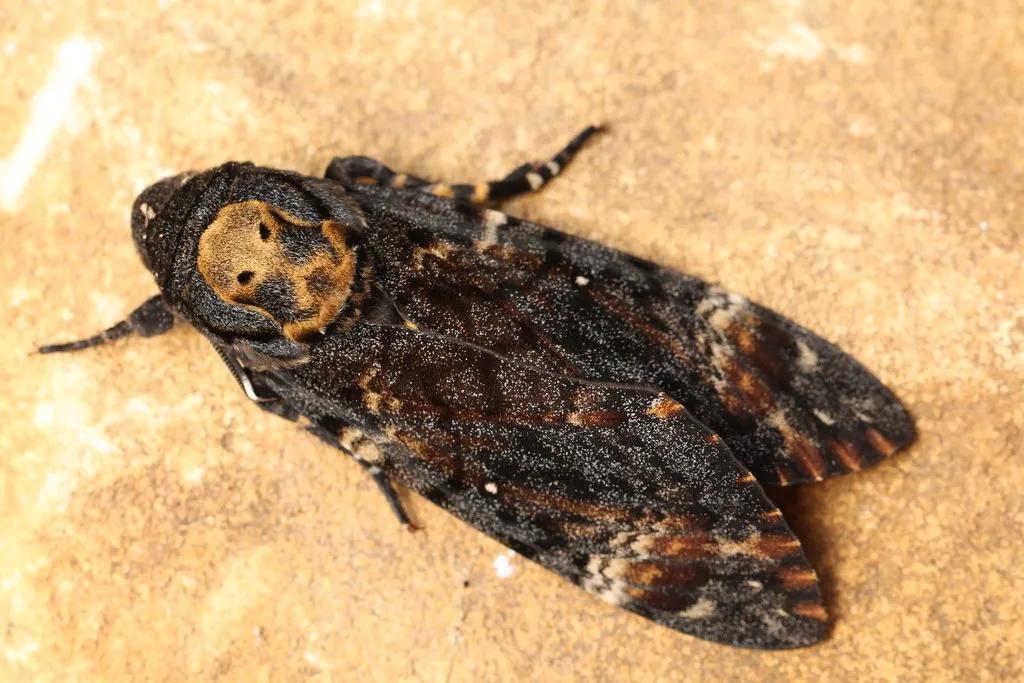
The death’s-head hawk-moth is nocturnal, only usually seen in light traps and sometimes in beehives in search of honey. In a good immigration year, its caterpillars can be seen in potato fields and allotments, pupating underground from August to October. The adult moth itself is most likely to be drawn to outdoor lights after dark.
The box tree moth goes through several life stages – egg, caterpillar, pupa, and adult – and is known to have two to three generations per season in Michigan, with 1.5 to 2.5 generations predicted in northern Michigan and 2.5 to 3.5 generations in southern Michigan. That means multiple waves of potential damage through a single growing season. These pests have continued spreading UK-wide and are expected to become an annual problem for gardeners during the growing season, particularly in the southeast of England.
What Experts Say You Should Do Right Now
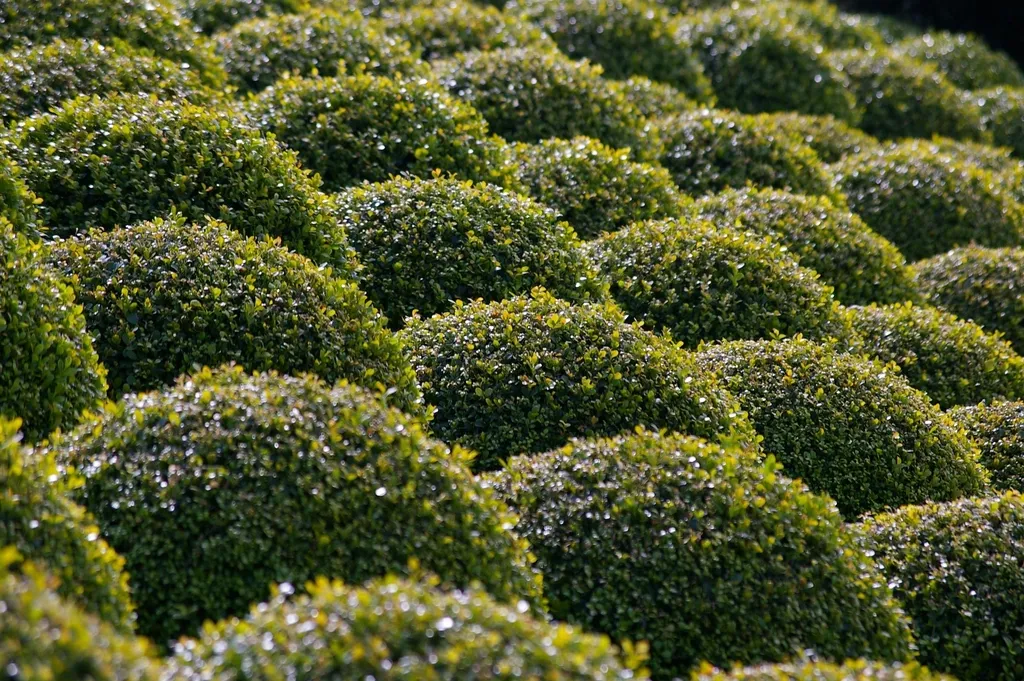
Homeowners, landscapers, and property managers are encouraged to inspect their boxwood plants regularly for signs of infestation. Weekly checks are increasingly the standard recommendation from horticulture professionals. Checking boxwoods weekly for signs of feeding damage, webbing, or the caterpillars themselves is advised. Using a flashlight and getting close is key, as early detection is critical.
Experts urge homeowners to check their plants regularly over the summer months and to look for tell-tale signs like webbing, leaf loss, or green-and-black striped caterpillars. If an infestation is spotted early enough, treatment is possible using biological control or specific pesticides, but swift action is essential to save the plant and stop the spread.
Safe Treatment and Disposal
Horticultural oil, insecticidal soaps, Spinosad, and Bacillus thuringiensis kurstaki (Btk) can be applied to control young larvae. These approaches are most effective when applied early in the infestation, before caterpillar populations build up. Heavily infested material should be double-bagged in plastic and placed in municipal waste. Leaving the sealed bag to sit in the sun for several days can help ensure that any remaining larvae are killed before disposal. Composting at home or leaving clippings at the curb for yard waste pickup should be avoided.
Pheromone traps, which mimic the pheromones produced by female box tree moths, can also help. Male moths are attracted to the trap and get stuck inside, disrupting the breeding cycle. The downside is that traps need to be replaced regularly and are unlikely to catch all male box tree moths that enter a garden. They can, however, be helpful for identifying the presence of box tree moths early so action can be taken quickly.
Should You Consider Replacing Your Boxwoods?
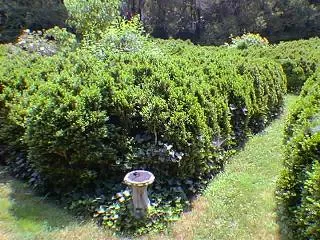
Few shrubs offer the compact size, evergreen foliage, and resistance to deer browsing that boxwood offers. However, with the amount of pest and disease pressure these shrubs are now facing, homeowners may opt for plants that will require less maintenance. It’s a difficult decision for gardeners who’ve invested years growing mature hedges.
When considering what to plant, alternative plants that are similar to box but don’t have the same appeal to box tree pests are worth exploring. Box-leafed holly (Ilex crenata or Lonicera nitida) looks similar to box, and for something a little different, lavender, podocarpus, and Mexican orange blossom spread well while also producing flowers to support pollinators. Meanwhile, the Royal Horticultural Society confirms that with around 2,500 species in Britain, moths are extremely important, diverse, and interesting. Moths are vital for the food chain and can provide pollination services. Swapping pest-targeted shrubs for pollinator-friendly alternatives can actually benefit a garden’s wider ecology.
A Measured Final Word

The box tree moth’s march across North America and Europe is one of the clearest examples of how quickly an invasive species can reshape the domestic garden. In 2025, arborists across the country observed elevated insect and mite activity, increased pressure from fungal diseases, and lingering stress from extreme weather patterns. As we move into 2026, those trends are expected to continue.
Panic isn’t warranted, but complacency isn’t an option either. Regular checks, careful waste disposal, and a willingness to adapt planting choices are the most practical things any homeowner can do right now. The moths are out there. Knowing which one you’re dealing with is always the best place to start.
AI Disclaimer: This article was created with the assistance of AI tools and reviewed by a human editor.