
Why the Crisis Behind This Garden Matters
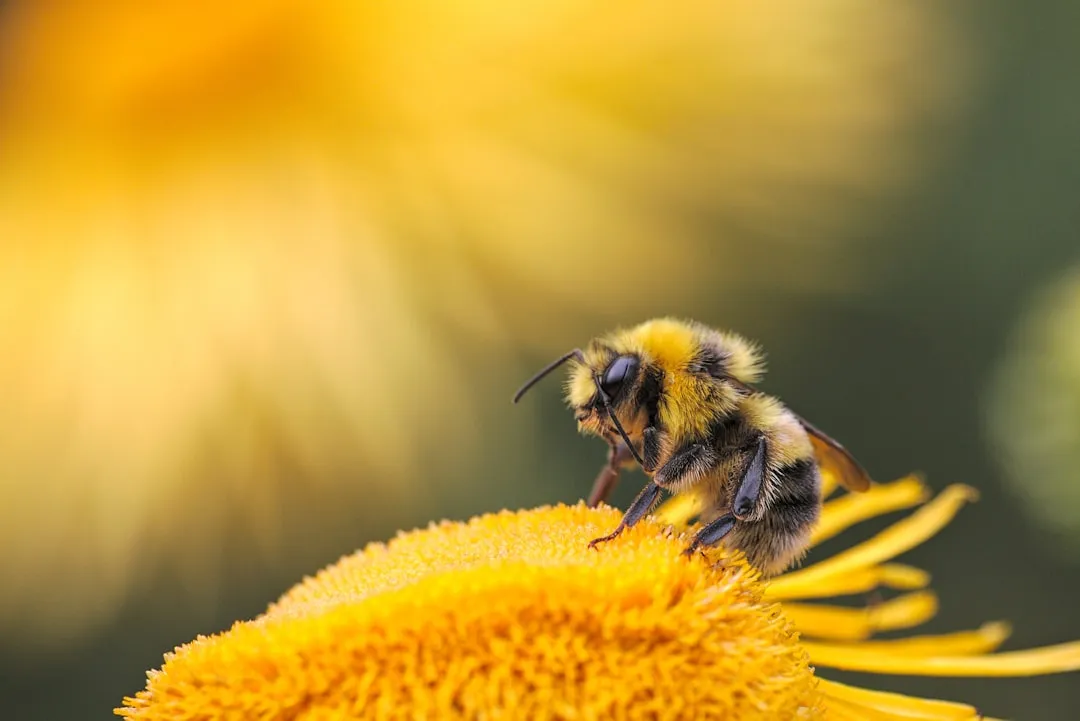
Recent reports indicate that U.S. beekeepers lost an average of 62% of their colonies between June 2024 and February 2025, a catastrophic loss of approximately 1.1 million colonies nationwide. That number is hard to sit with. Roughly one in every three bites of food Americans eat depends on pollination by bees and other pollinators, and the economic value of pollination services in the United States exceeds $18 billion annually.
Bee and butterfly populations are in decline in major regions of North America due to ongoing environmental change, and significant gaps in pollinator research limit our ability to protect these species, according to a study published in PLOS ONE in May 2024. Approximately 40% of invertebrate pollinators, such as bees and butterflies, are at risk of extinction, according to the Intergovernmental Science-Policy Platform on Biodiversity and Ecosystem Services. What happens in private gardens is not a small thing. It actually forms part of the solution.
Start with a Site Assessment Before Buying a Single Plant
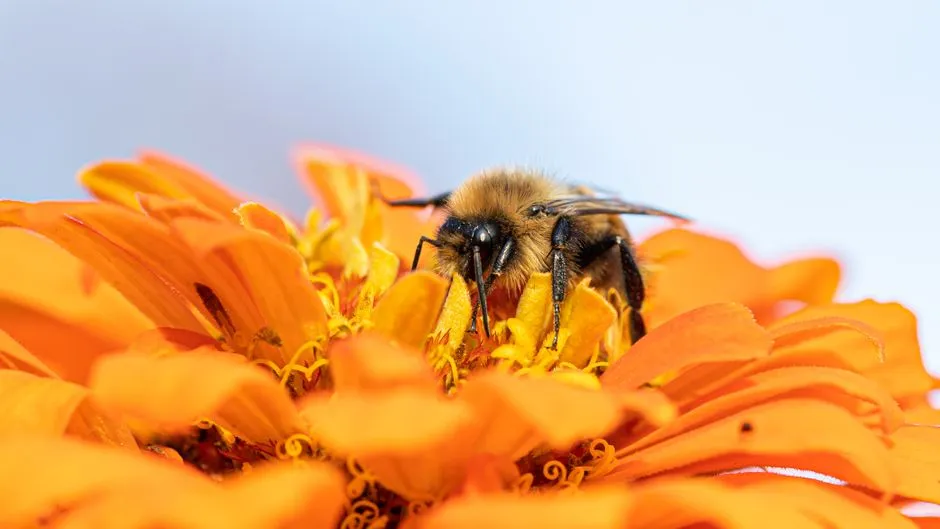
Research as much as you can about your backyard first: sun exposure, quality of soil, moisture, erosion, what grows well or not well, and the size of your planting area. These factors shape every plant decision that follows, and skipping this step is the single most common reason a pollinator garden fails in its first season.
Pollinating bees and butterflies are cold-blooded, which means they need the warmth of the sun to raise their body temperature so they can get moving for the day and start foraging. This is why full-sun locations are preferred for the core of any pollinator planting. Ensure beds or garden areas have six to eight hours of sun daily.
Opening the Season: Early Spring Nectar Plants
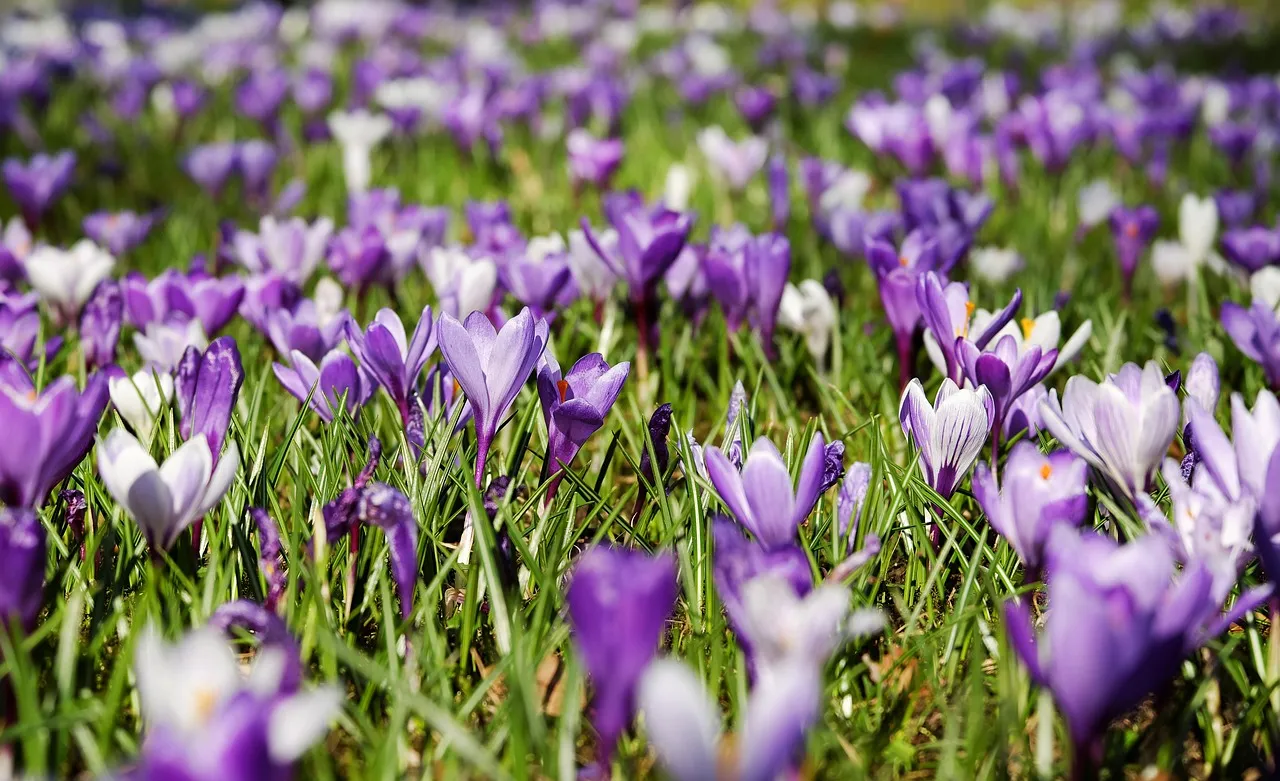
Low-growing crocus bulbs bloom as early as late February and are a favorite for early honey bees and bumble bee queens looking to recharge after winter. These small flowers do enormous work. Hellebores flower for months on end, from early spring until May, and are rich in nectar and pollen at a time of year when these are often scarce, giving much-needed sustenance to early-emerging bumblebees.
In early spring, the male catkins of willow offer valuable early pollen and some nectar, while the females exclusively offer nectar. A pussy willow shrub at the garden’s edge, then, is not merely decorative. Early spring flowers like golden alexanders and large beardtongue, and blooming shrubs like wild plum and willows, are critical food sources for early-emerging pollinators, according to the Minnesota Environmental Quality Board.
Bridging the Gap: Late Spring Into Early Summer
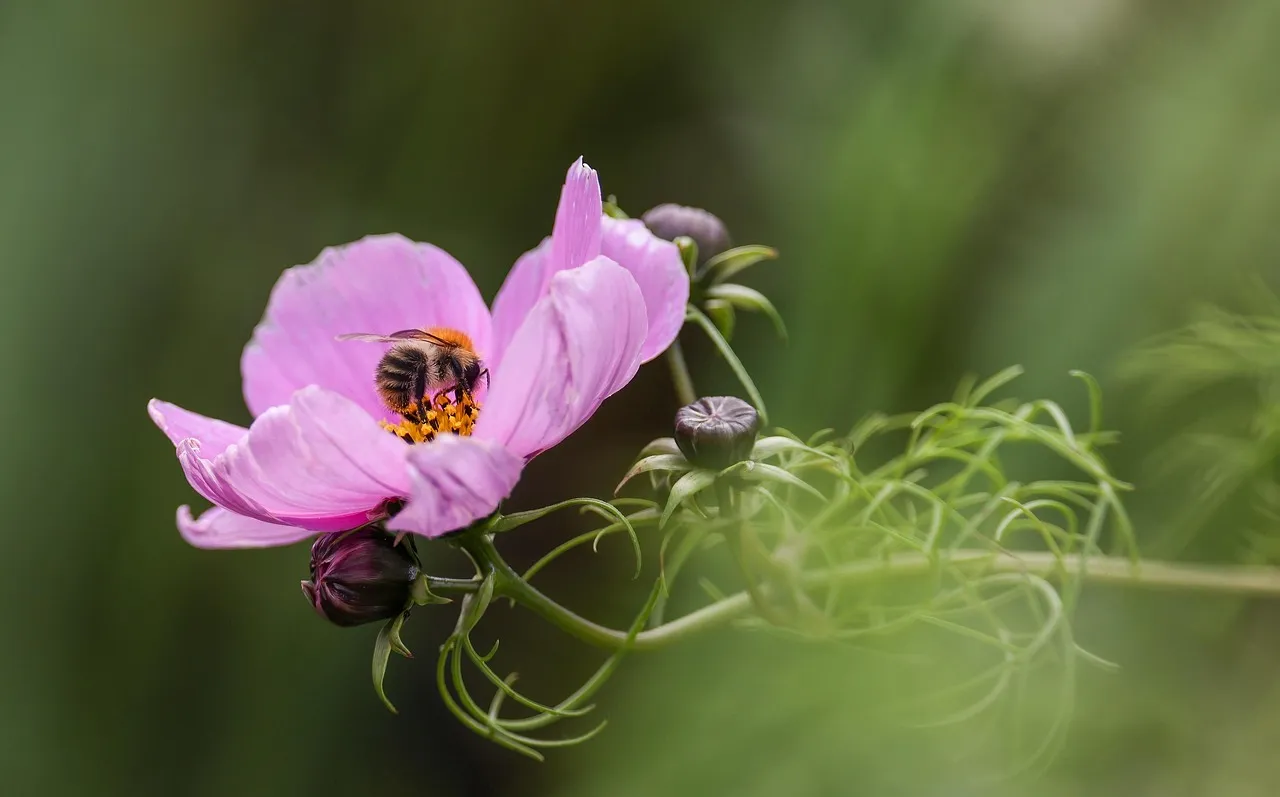
Early-season blooms like crocus and pulmonaria help pollinators emerging from hibernation, while late-season plants like borage and dahlias sustain the seasonal chain that keeps your garden productive. Between these two windows sits a stretch that many gardeners simply miss. A well-planned pollinator bed sequences bloom times so there’s always something flowering through the transition from spring to summer.
Grouping early bloomers like crocus and pulmonaria together supports early pollinators by creating a clear target they can find efficiently. Planting a single type of bee-friendly flower en masse or several types close together will have a greater draw for pollinators, because these creatures need to gather as much food as possible every day and it is more efficient for them to stop in a single location where many nutritious flowers are present.
The Summer Workhorses: Plants That Carry the Bed Through Heat
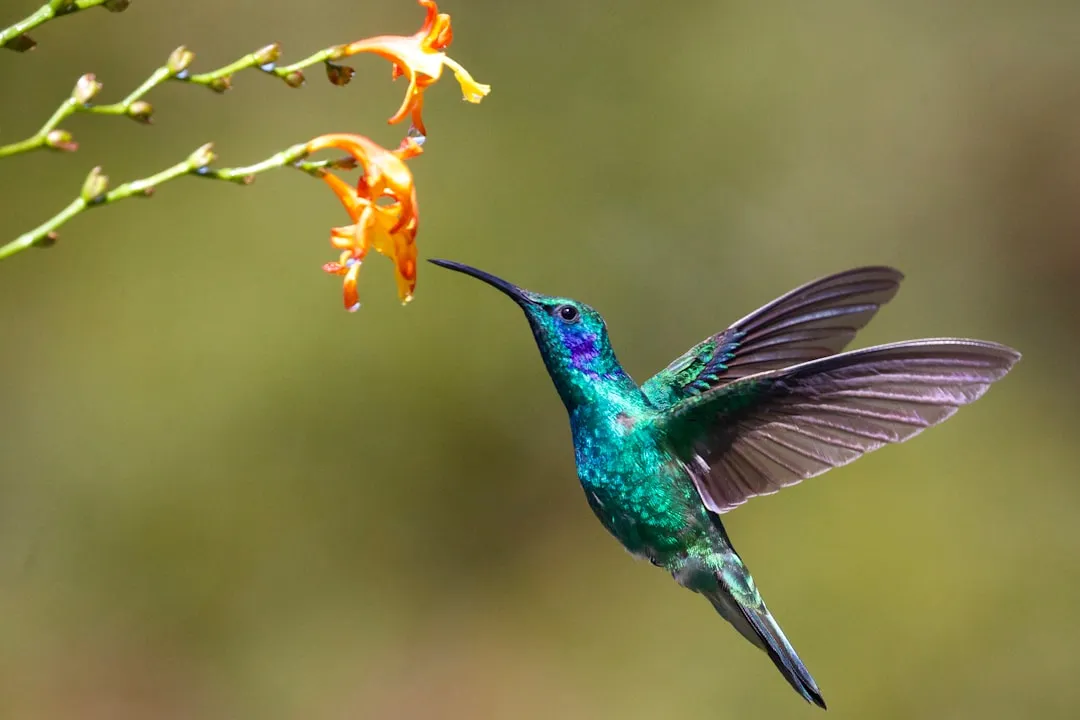
Salvia spikes keep producing nectar when heat arrives, which helps fill the midsummer pollinator gap. It is one of those plants that earns its space multiple times over. Agastache produces tubular, high-nectar flowers for months, making it one of the strongest hummingbird plants available, and it performs equally well for bees and butterflies throughout the hottest part of the season.
Known as shrub verbena, lantana is one of the best flowering plants to attract pollinators, with tropical-hued flower clusters occurring for much of the growing season and providing a continuous food source for hummingbirds, butterflies, moths, and bees. Single-petaled flowers produce more nectar than those with double blooms, a detail worth remembering when comparing cultivars at the nursery.
Flower Shape and Color: Designing for Different Pollinators
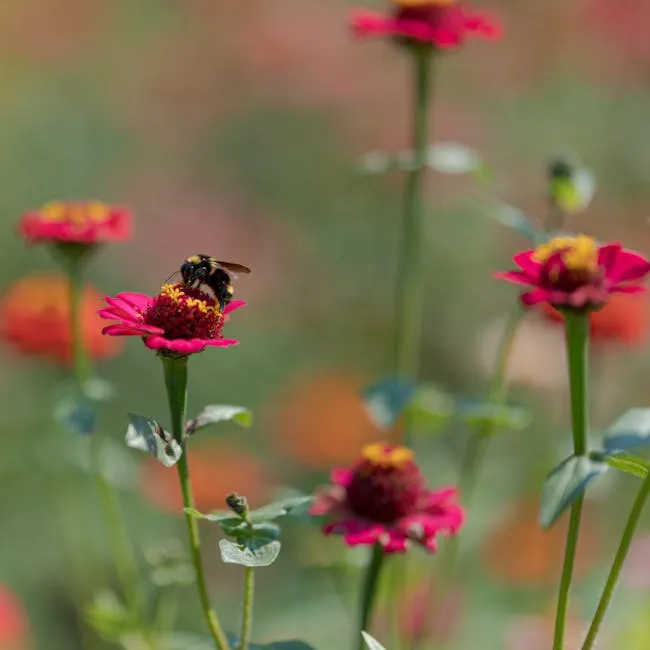
Pollinators depend on flower nectar and pollen as their food source, and the most familiar pollinators include butterflies, bees, and hummingbirds, though many other animals such as moths, flies, ants, beetles, and bats also play a crucial role. Designing for diversity means not picking favorites. Bees prefer purple, blue, orange, or yellow flowers with short tubes or no tubes that are easily accessible, while butterflies favor white, pink, red, yellow, or purple flowers with a place to perch while they sip on nectar.
A thoughtful pollinator layout includes common pollinator-friendly flowers in a variety of shapes, heights, and colors, from tubular foxgloves and lavender for long-tongued bees to flat-flowered yarrow and coneflowers for easier access. Height matters too. Plant taller tubular flowers like foxgloves, lavender, and agastache toward the back or center for structure, and place flat, open flowers like yarrow and coneflowers in clusters for easy access.
Keeping Nectar Flowing into Fall
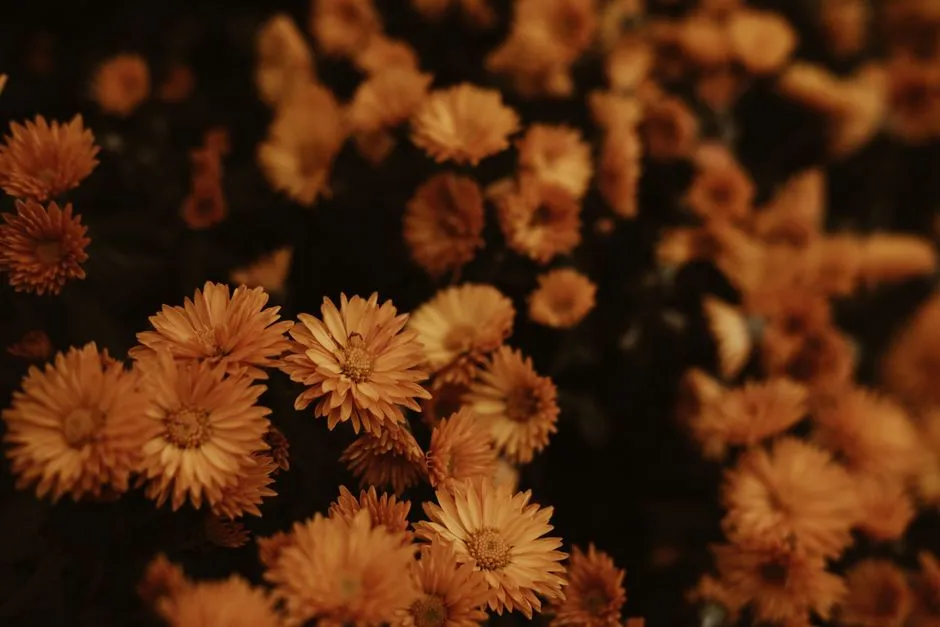
Pollinators need nectar early in the spring, throughout the summer and even into the fall. Many gardeners do not think past August, yet fall is a critical feeding window, especially for bees building winter reserves and late-season butterflies. You want late flowers that keep nectar and pollen available into fall as a fundamental design principle, not an afterthought.
Goldenrod, asters, and sedums are among the most effective fall performers across a wide range of climates. Known as cigar plant, hummingbirds find the vividly colored tubular cuphea flowers irresistible. This annual blooms nonstop from summer until frost, providing a continuous source of nectar for bees and butterflies as well. Planting summer and fall-blooming native flowers supports pollinators throughout the rest of the year and extends your own enjoyment until frost.
Choosing Native Plants as the Backbone of the Design
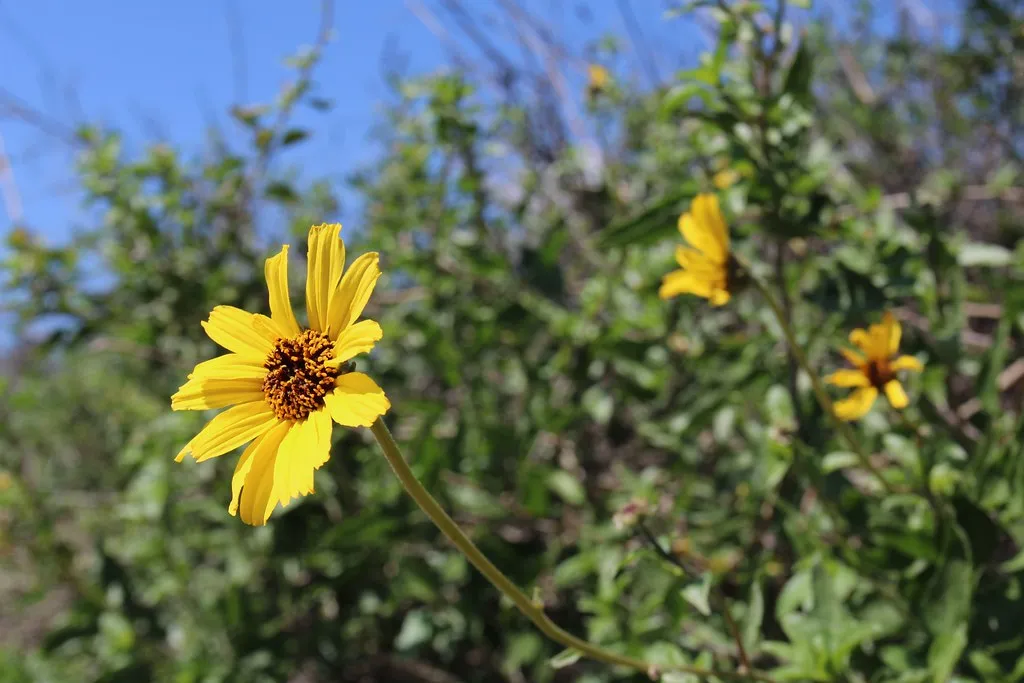
Native plants generally require less tending from gardeners because they are more resistant to regional pests, require less additional watering and fertilizing once established, and in some cases provide the only food source for specialist insects that need specific plant nutrients or products in critical stages of their life cycle. This is a practical argument as much as an ecological one. Pollinators evolved alongside native plants, making them a perfect match in both timing and nutrition.
There are over 20,000 known bee species in the world, and 4,000 of them are native to the United States. In fact, 770 of them are native to the eastern United States alone and are exclusively pollen specialists. Many of those specialists rely on specific native plants to survive. Native plants are preferred because local pollinators are adapted to them, but many non-invasive ornamental flowers like lavender or borage are also excellent nectar sources.
Eliminating Pesticides and Protecting Soil Health
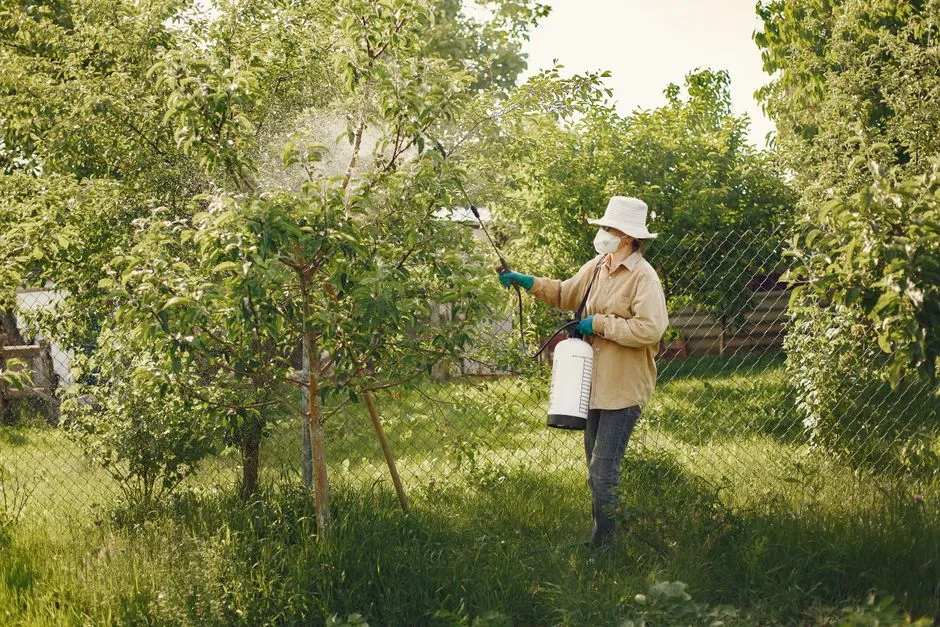
In maintaining your garden and landscaping, eliminate pesticide use, as these chemicals are toxic to pollinators and beneficial insects. This is one of the most consequential steps any gardener can take, and it costs nothing. Pesticide use is a major contributor to insect decline worldwide and one of the most popularly used insecticide classes in the United States, neonicotinoids, is a systemic synthetic chemical that persists well beyond the moment of application.
If pest management is genuinely necessary, targeted, low-impact options like neem oil, insecticidal soap, or horticultural oils break down quickly and reduce unintended harm. Applying treatments early in the morning or late in the evening when pollinators are less active limits any collateral impact significantly. Adding a thick layer of compost before installing plants ensures better success, especially for areas that were previously turf or treated. Healthy soil makes healthy plants.
Water Sources, Shelter, and Year-Round Habitat
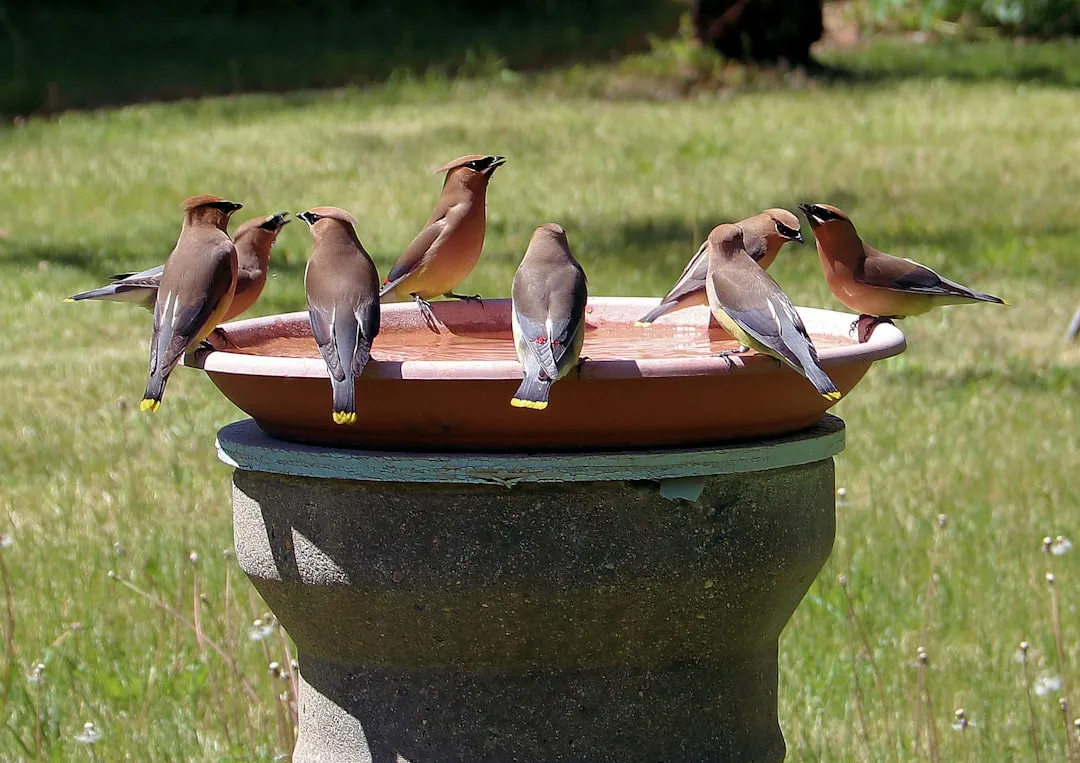
Adding a bird bath or water feeder with a wet surface made of sand, soil, or brick to your yard will allow pollinators to safely collect water without drowning. It is easy to overlook, but water is as essential as nectar. Providing wet soil, particularly loam or clay, helps some species of bees that collect mud to seal their nests.
Some pollinators and beneficial insects need the shelter provided by perennial plants growing in untilled areas, woody plant material such as unused firewood and dead branches, and undisturbed soil in areas that are not mowed or cultivated. By leaving garden and yard cleanup until spring, you provide critical winter habitat. Stalks of perennials, flower heads, dead limbs, grass clippings, and leaf litter are some favorite options for nesting sites and shelter. A perfectly tidy garden in November is, ecologically speaking, a missed opportunity.
Practical Layout and Maintenance for the Long Haul
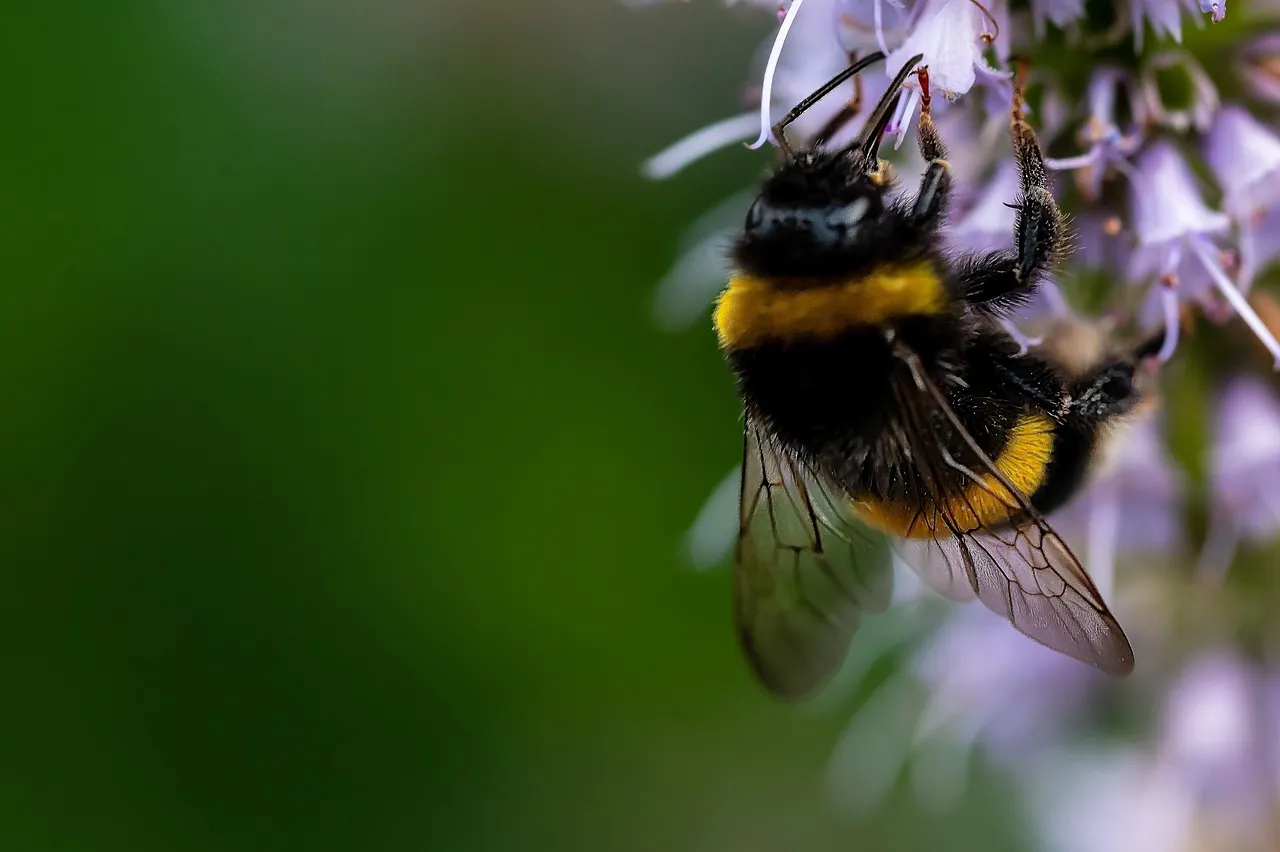
Construct pollinator gardens with a variety of colors, shapes, and heights of plants and include plants that flower throughout the growing season to provide nectar and pollen. Stagger your plant heights so that small bees foraging close to the ground and hummingbirds working the taller blooms both find what they need. If you are starting from scratch, choose five to seven plants with different bloom windows and flower shapes, then plant in small groups so pollinators can find them quickly.
To provide nectar and pollen resources for as long as possible, choose plants that have overlapping periods of bloom. For example, use plants from the daisy or sunflower family in a mixture with those of the carrot family. Opt for plants with nectar-rich, single flowers rather than double blooms, which are harder for pollinators to access and may not contain any nectar or pollen. Review your planting each fall and note any gaps in the bloom calendar, then fill them the following season.
The Takeaway
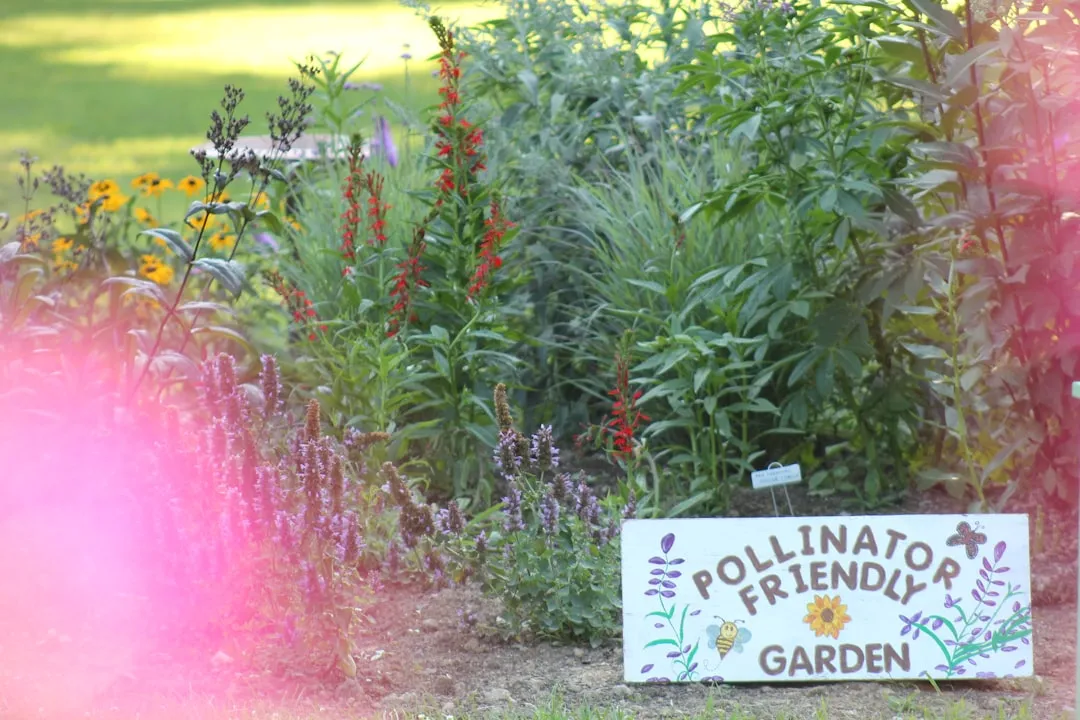
A garden that feeds pollinators from spring to frost is not the result of a single inspired shopping trip to the nursery. It is built season by season, with attention to timing, plant selection, and what you choose not to do as much as what you plant. The losses documented in 2024 and 2025 make clear that wild and managed pollinators cannot simply fend for themselves in a landscape dominated by monocultures and pesticides.
Every continuous-bloom garden, even a modest one on a small lot, chips away at that problem in a real and measurable way. The crocus pushing up in late February and the aster still standing in October are not decorative bookends. They are the beginning and the end of a lifeline, and you are the one who gets to lay it down.
AI Disclaimer: This article was created with the assistance of AI tools and reviewed by a human editor.