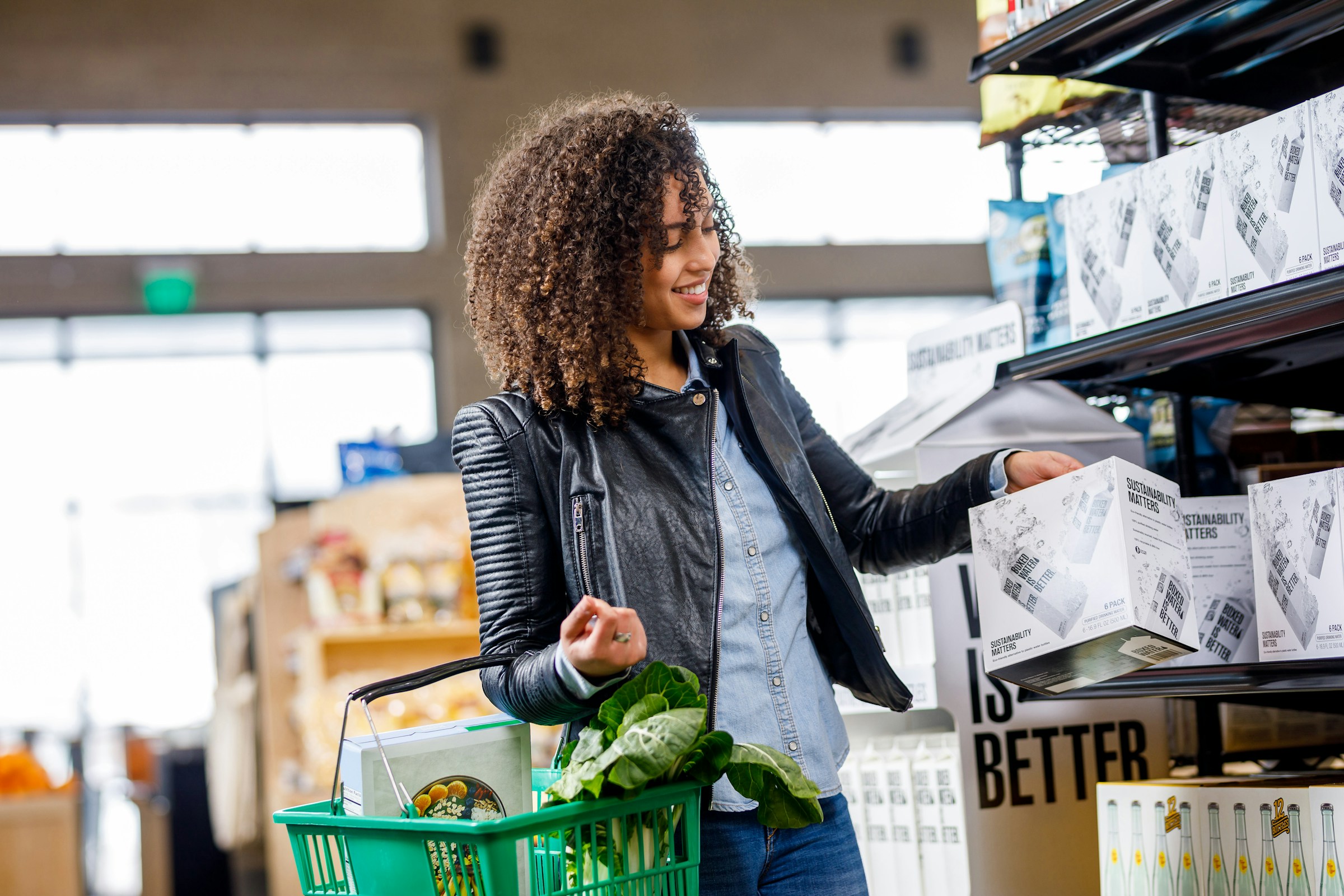

There’s a specific kind of frustration that comes from opening a product you’ve bought for years and thinking: something’s off. Not quite wrong enough to return, but definitely not right. You’re not imagining it. Across the United States and beyond, millions of shoppers are reporting the same feeling about some of the most common items in their carts.
A 2025 survey by the International Food Information Council recorded a historic low in Americans’ confidence in the safety of the U.S. food supply, with just roughly half of respondents expressing any confidence at all. That eroding trust is about more than safety. It’s about quality, ingredients, and the quiet but real sense that what you’re getting today isn’t what you were getting five years ago. Here are six grocery items where that feeling has the most evidence behind it.
1. Chicken Breast: The “Woody” Texture Problem Is Real
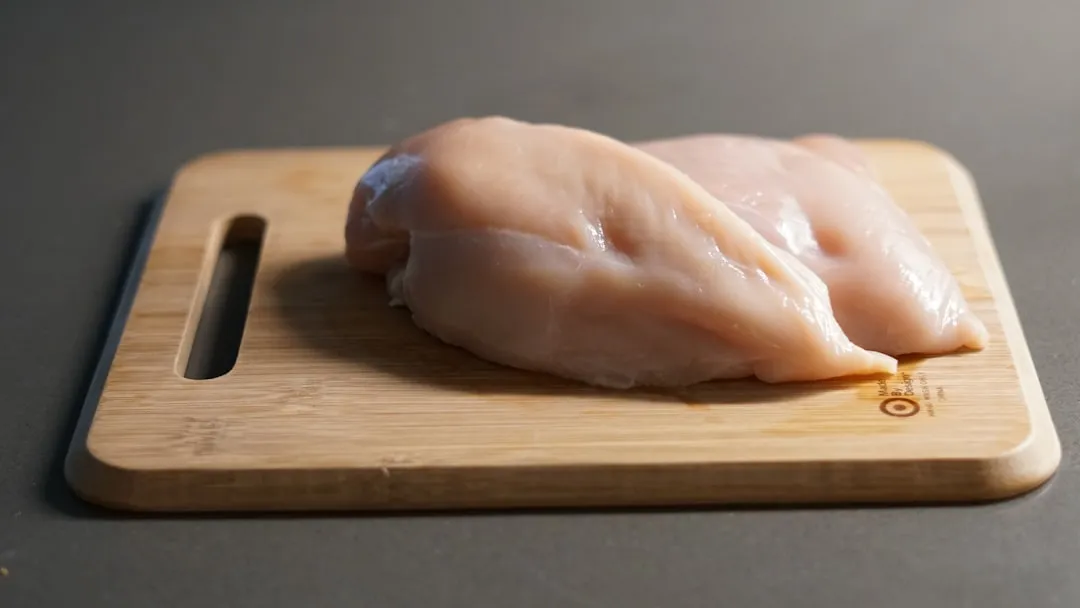
Woody breast is an abnormal muscle condition that impacts the texture and usability of chicken breast meat, with the affected meat described as tough, chewy, and gummy due to stiff or hardened muscle fibers spread through the fillet. It’s not just a perception problem. Woody chicken breast has emerged as a major meat quality issue due to its adverse effects on meat texture, nutritional value, and consumer acceptance.
For consumers it can mean a chewier chicken sandwich, but for the industry it can mean up to $200 million in annual yield loss. The condition is widely linked to modern broiler farming practices and the push for faster, heavier bird growth. The specific cause is not fully known but may be related to factors associated with rapid growth rates.
Another type of breast myopathy, white striping, was not even analyzed separately in recent research because it has become a common occurrence, observed in nearly all breast fillets from commercial broiler production systems. In other words, the muscle defects are so widespread they’ve started to become the norm rather than the exception.
2. Orange Juice: A Structural Quality and Supply Crisis
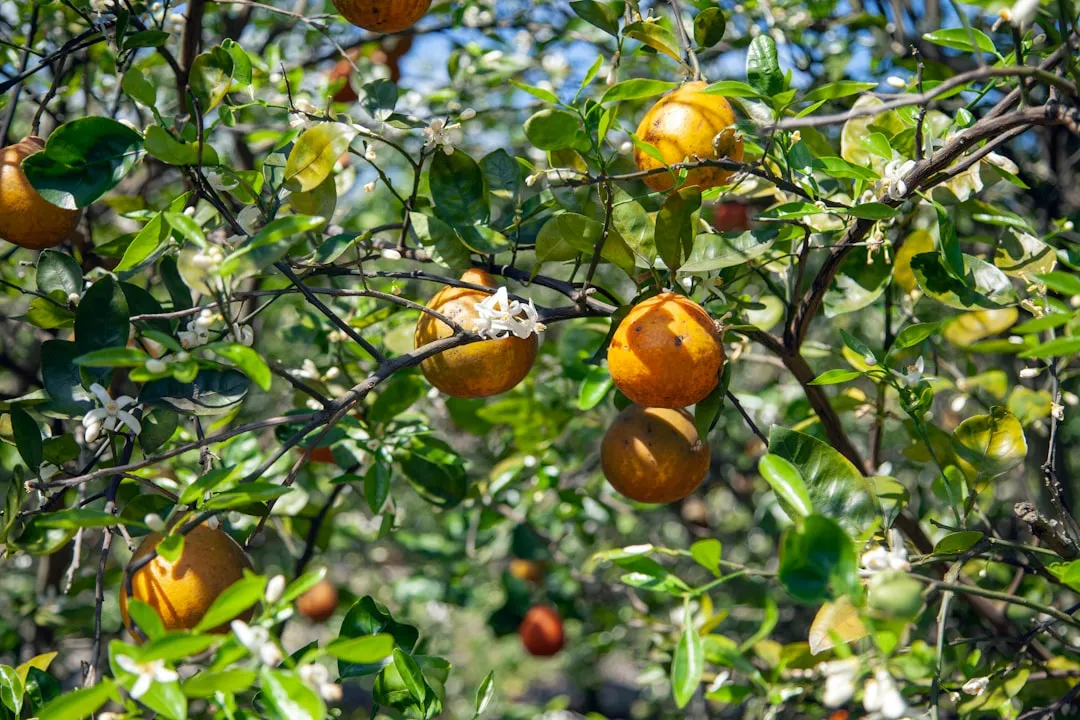
Orange juice is roughly eighty percent more expensive than it was in 2019, and the problem has nothing to do with a temporary supply disruption. The core issue is disease. There’s a perfect storm brewing in Florida that has negatively impacted citrus producers and juice manufacturers, including the impact of multiple hurricanes in recent years as well as a bacterial disease known as citrus greening affecting orange trees.
Florida oranges have been growing less sweet thanks to citrus greening disease, which made a portion of the Florida crop ineligible for processing into juice due to an FDA standard requiring a higher sugar content level. That means the juice hitting supermarket shelves is increasingly sourced from fewer, often lower-quality oranges. Tropicana started using more juice from concentrate and less fresh-squeezed juice, and also added “natural flavors” to boost the taste.
One of Tropicana’s primary suppliers, Alico Citrus, ceased operations after the growing season ending in 2025, which has likely led the already struggling company to scramble for a new supplier. The ripple effects of that supply chain disruption land directly in consumers’ glasses.
3. Breakfast Cereal: Smaller Boxes, Changed Recipes
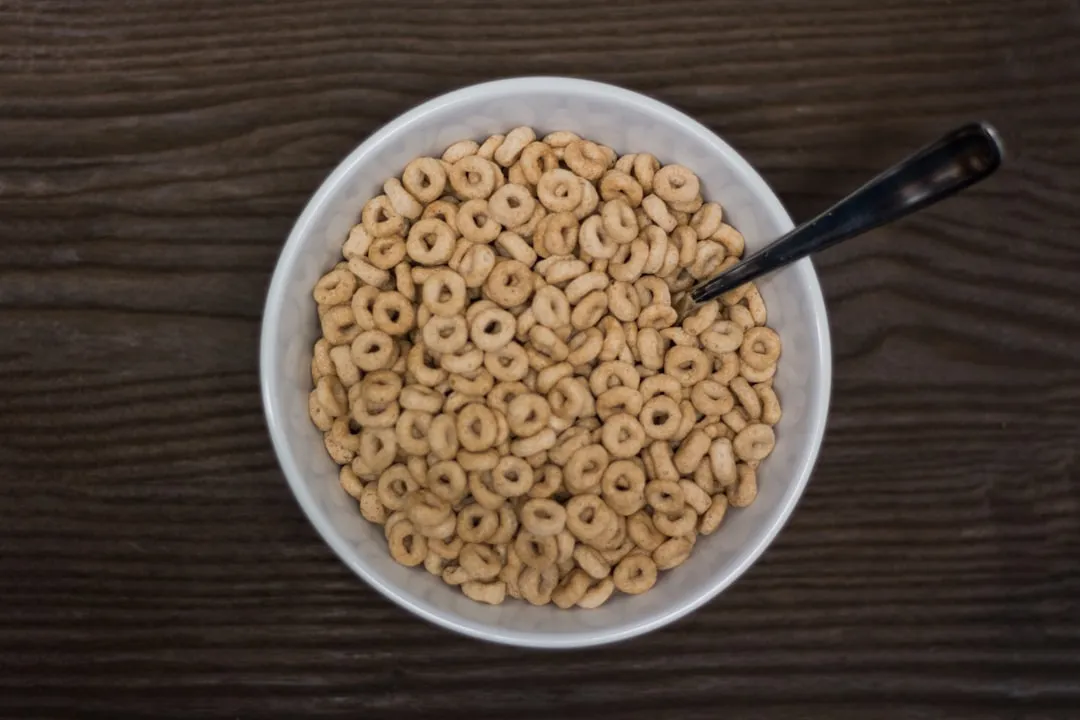
A box of name-brand cereal that once cost $3.50 now runs anywhere from $6 to $8, and the box is smaller. It’s a textbook case of shrinkflation meeting recipe reformulation. Family-size Frosted Flakes, for example, went from 24 ounces to 21.7 ounces, leading to a per-ounce price increase of roughly forty percent.
Cheerios has always marketed itself as a heart-healthy cereal, but in 2025, General Mills made a quiet change to the recipe, replacing some of the whole grain oats with corn flour and adding more sugar, which also means more carbs and less fiber per serving. These are not trivial changes for health-conscious buyers. In December 2025, General Mills reported that the company’s adjusted operating profits had fallen by twenty percent, partly stemming from the fact that consumers are increasingly purchasing generic brands to save money.
4. Supermarket Bread: Par-Baked and Passed Off as Fresh

The inviting smell of the supermarket bakery often hides the reality of highly processed, par-baked dough. To save on labor costs, many stores are shipping frozen loaves to their locations and briefly reheating them, a shortcut that creates bread that dries out and becomes incredibly hard within twenty-four hours of purchase.
Real artisan bread relies on a slow fermentation process that preserves moisture and enhances natural flavor. Checking the ingredient list for chemical preservatives is the best way to spot a low-quality loaf. The visual presentation of a supermarket bakery section can be genuinely misleading. The bread often looks beautiful at ten in the morning and resembles a brick by dinnertime.
5. Packaged Snack Foods: Skimpflation Hits Hard
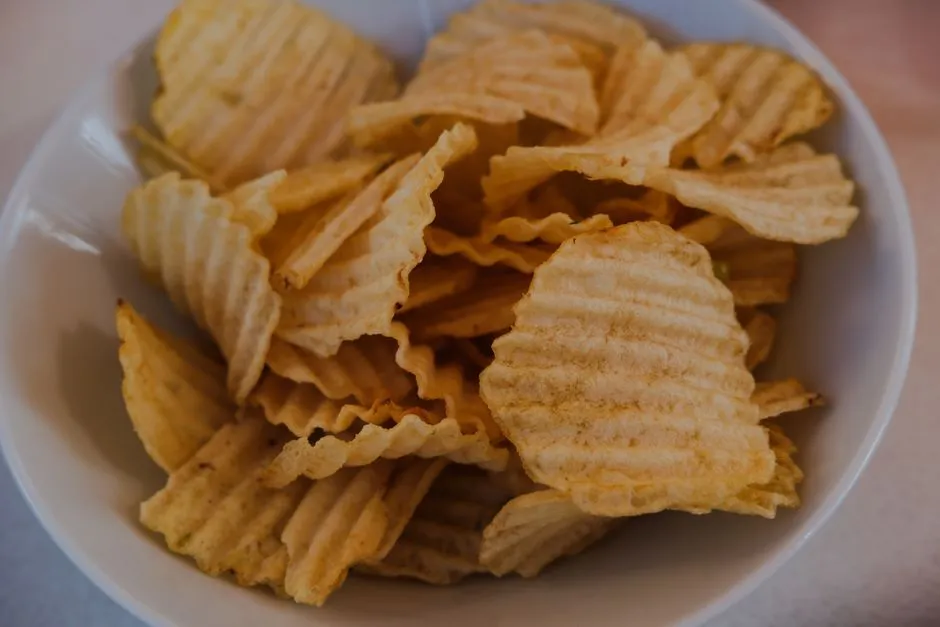
Shrinkflation means you get less quantity at the same price. Skimpflation means you get the same quantity but lower-quality ingredients or materials. Both cost you more per unit of value. Snack foods have been hit by both simultaneously. Within specific categories, GAO analysis showed that shrinkflation contributed significantly to snack food inflation over the period between 2019 and 2024.
Up to nearly four in ten snack items have increased their price per unit. Some major brands reduced product sizes by over thirty percent in 2025 without reducing prices, with shrinkflation averaging close to fifteen percent among selected national grocery brands. The Purdue University Consumer Food Insights Report from October 2024 found that seventy-seven percent of consumers surveyed said they noticed shrinkflation while grocery shopping over the month.
In 2023, one national brand reduced the oil content of its Italian-style dressing by over twenty percent and increased its water content. The year before, another national brand reduced the oil content in its butter-substitute spread by nearly forty percent and replaced much of it with water. These are the kinds of quiet changes that never appear in any press release.
6. Canned and Packaged Soups: Less Meat, More Fillers
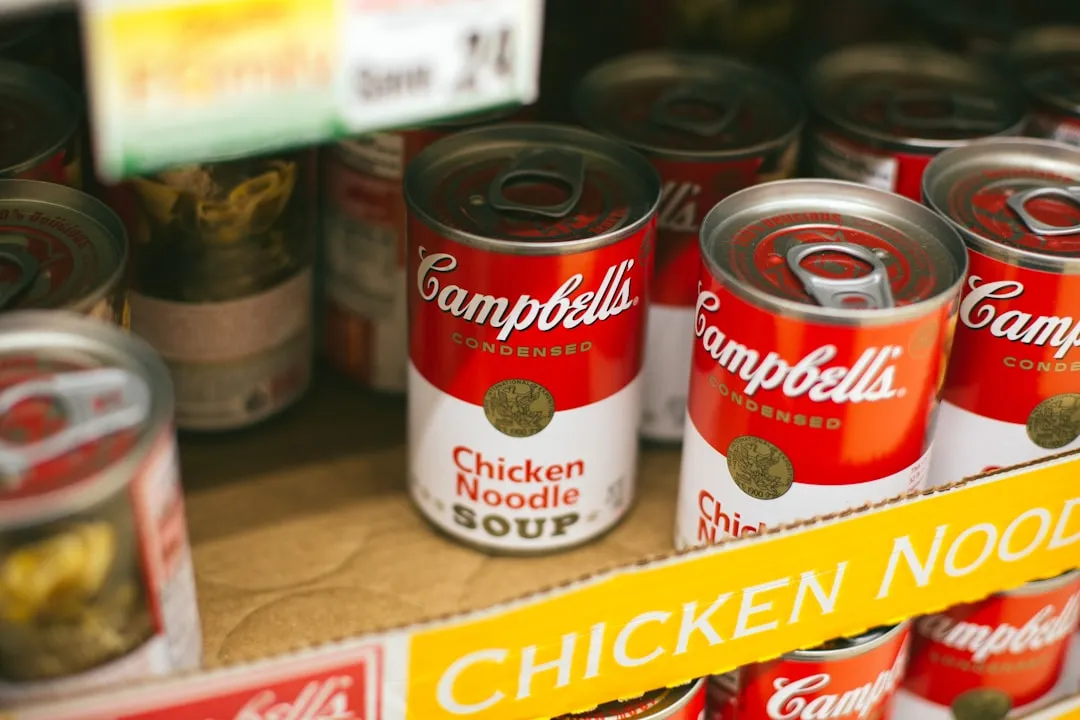
Campbell’s Chicken Noodle Soup is a comfort food for many, but in 2025, Campbell’s changed the soup’s recipe to cut costs. The company reduced the amount of real chicken and added more soy protein and potato starch. The noodles are now made with a different wheat blend, which changes the texture.
The broth is also less salty but contains more flavor enhancers like yeast extract. For those sensitive to MSG or who want more protein from real chicken, this matters. The soup still looks the same on the outside, but the taste and nutrition are different. This is skimpflation operating exactly as designed: visible to your palate but invisible on the label.
Why Is This Happening Across So Many Products?
After the pandemic, grocery price growth diverted from its forty-year trends, reaching nearly fourteen percent in August 2022, the fastest month of growth since 1979. Grocery inflation has come down since this peak but still remains above pre-pandemic levels. Manufacturers under that kind of cost pressure have had to make choices, and many chose to protect margins quietly rather than raise prices openly.
In some cases, companies have quietly altered recipes by replacing ingredients or reducing quality to cut costs, a phenomenon sometimes called “shrinkflation” or “recipe reformulation” that is frequently discussed as a major contributor to perceived food decline. The challenge for consumers is that skimpflation is harder to detect because nothing on the package label changes.
How Widespread Is the Problem, Really?
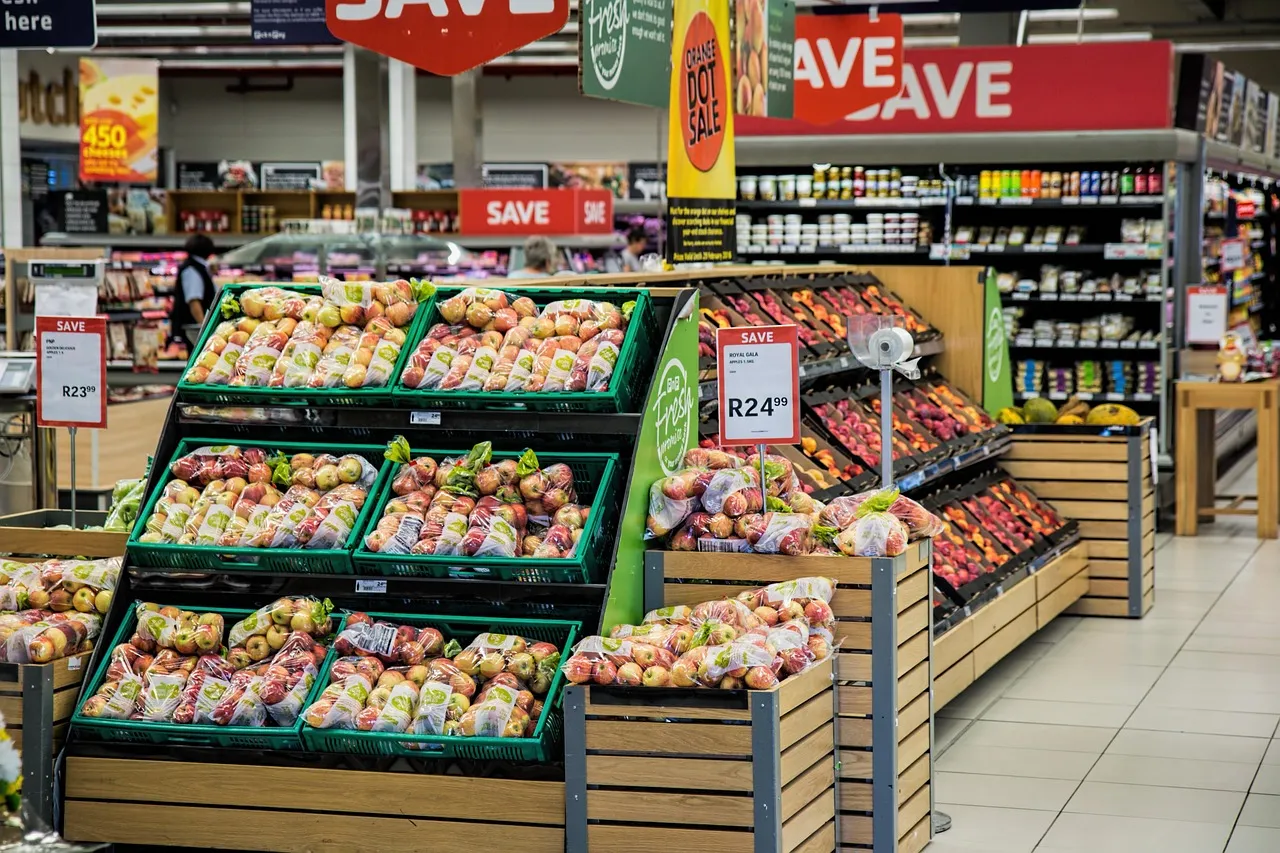
Shrinkflation has affected roughly one third of grocery items and effectively increases the cost per unit, driving up to about ten percent of grocery price inflation. That’s not a fringe phenomenon. Three quarters of Americans have noticed shrinkflation at their grocery store, and among those who noticed, nearly half have abandoned a brand as a result.
Packaged food sizes decreased by an average of nearly fifteen percent from 2012 to 2019, according to research published in the International Journal of Industrial Organization. That trend only accelerated after the pandemic. Total grocery costs have climbed more than twenty-five percent over the past five years, and there’s no sign of a broad reversal.
What Consumers Are Doing About It
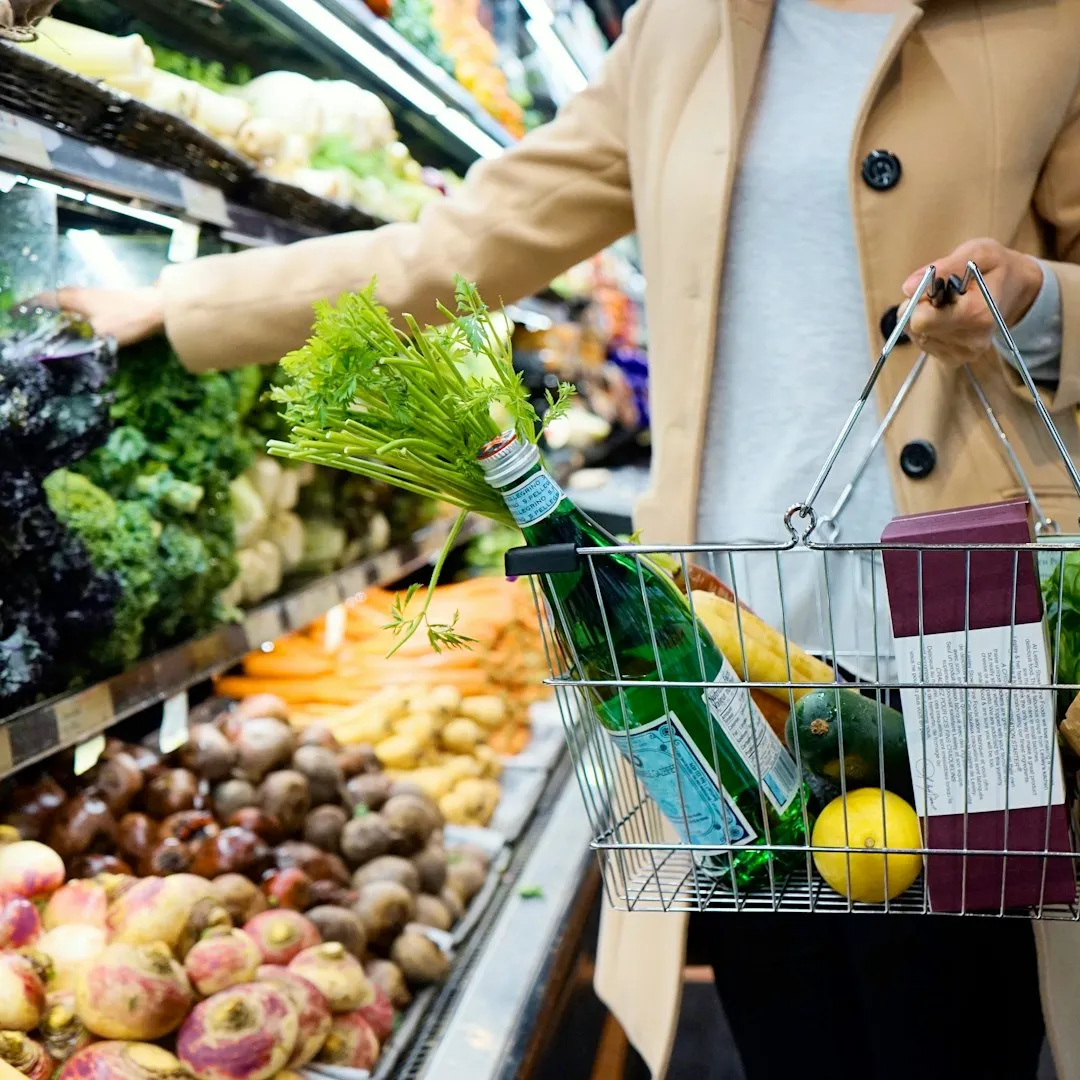
Eighty-two percent of Americans modified their grocery shopping behavior in 2025 due to cost pressures, and the most common adjustment was removing items from the cart. Some are switching to store brands, while others are turning to farmers markets. One approach is choosing local farmers markets, where produce is typically fresher and less processed than large retail supply chains. Others prefer buying seasonal fruits and vegetables, which are more likely to have better flavor and nutritional value.
Experts advise consumers to compare unit prices on shelf tags and explore alternatives to keep budgets in check. Reading ingredient lists carefully is also critical, particularly for products that look identical to what they were before but have quietly changed inside the package. Reading ingredient labels carefully can help identify highly processed foods with additives or fillers.
Are Regulators Paying Attention?
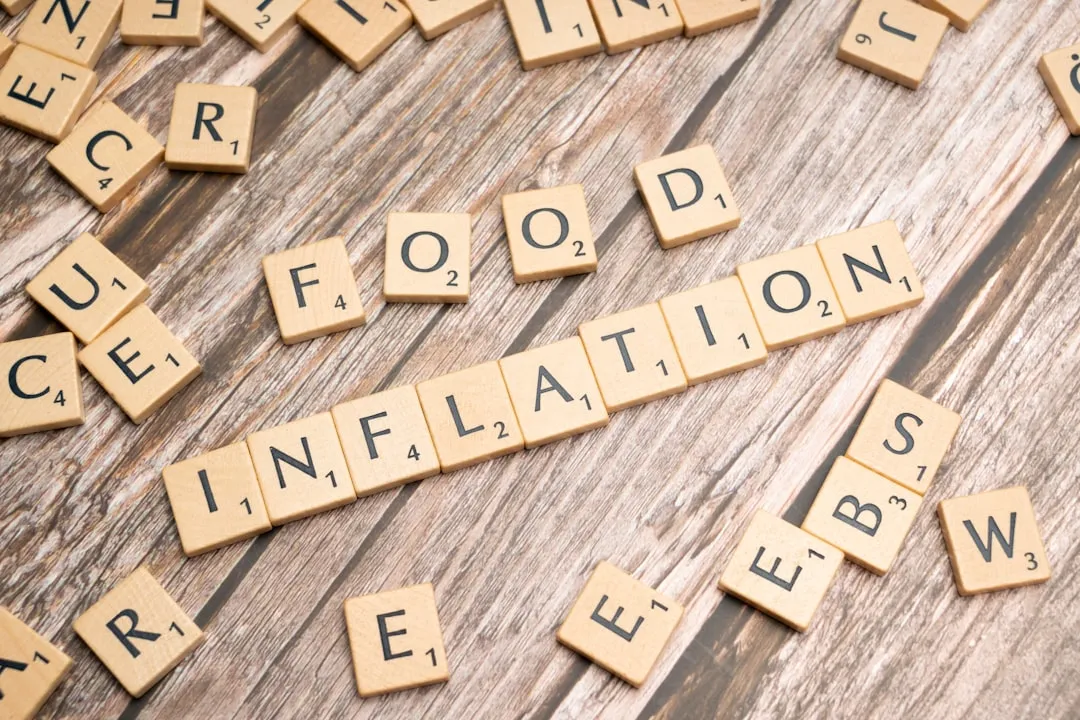
In February 2024, several U.S. senators co-sponsored a bill to define shrinkflation and empower the Federal Trade Commission and attorneys general to regulate it, with the FTC directed to enact rules prohibiting shrinkflation practices designed to deceive consumers. Regulatory appetite for this issue is growing, even if legislation has moved slowly.
France moved ahead in July 2024 with a ministerial decree requiring retailers to post a visible notice at the point of sale for any product that has been downsized, with the notice required to stay up for two months. In Korea, food makers and suppliers face fines of up to $7,300 if they fail to notify consumers of product size changes. The United States has no equivalent requirement in place as of 2026.
The Takeaway
The honest conclusion is that quality declines in grocery items are not entirely in consumers’ heads. They’re backed by data, confirmed by researchers, and documented by government agencies. The mechanisms vary: sometimes it’s a supply chain forced by disease or climate, sometimes it’s a deliberate recipe change, and sometimes it’s a packaging tweak designed to be too subtle to trigger complaints.
Skimpflation is more dangerous than shrinkflation because it attacks the customer’s memory of quality. The customer may not know exactly what changed, but they know the product no longer feels the same. That instinct, it turns out, is usually right. The best defense is still the same as it’s always been: read labels, compare unit prices, and trust your own taste.
AI Disclaimer: This article was created with the assistance of AI tools and reviewed by a human editor.