
1. Fruitless Mulberry: The Shade Champion of SoCal Yards
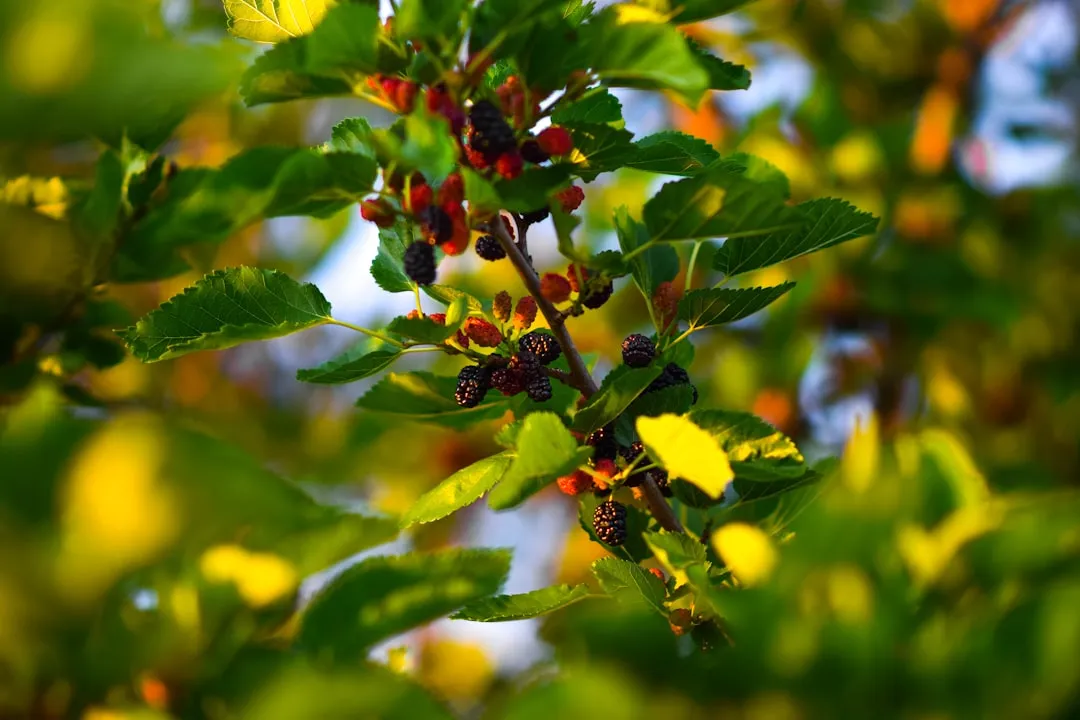
Few trees deliver shade as aggressively as the Fruitless Mulberry. It provides extremely fast-growing dense shade, reaching 30 to 50 feet tall and equally wide, and hitting mature size within 10 to 15 years. With a growth rate of 4 to 6 feet per year, it’s one of the fastest-growing shade trees available and provides significant shade within just 3 to 5 years.
The Fruitless Mulberry is a male, seedless cultivar that provides all the fast-growing, broad-canopied beauty of a classic mulberry without the messy fruit drop. These trees like the heat, tolerate alkaline soils, and are resistant to Texas root rot.
Fruitless Mulberry trees are considered by many as the best shade tree for the high desert, with large leaves that give dense shade rivaled by none. One practical note: they have heavy surface roots, so it’s recommended they be planted at least 6 feet from walkways, driveways, or foundations, as the roots can lift and crack concrete.
2. California Sycamore: A Native Giant That Grows Like It Means It
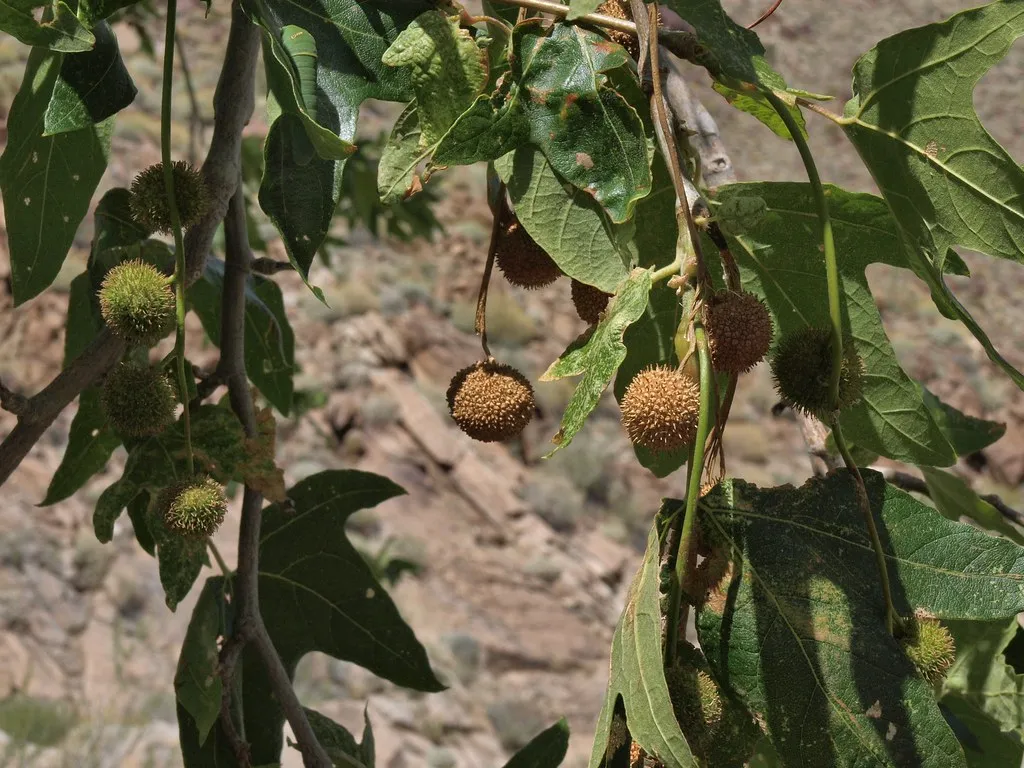
The California Sycamore is quite tall and fast-growing, reaching a mature height of roughly 70 feet and growing as fast as 3 feet per year. It’s a true native, which means it arrives in SoCal landscapes already adapted to the heat, the soil, and the seasonal dry spells.
California Sycamores grow quickly, up to 3 feet per year when young, establishing rapidly and becoming large, impressive shade trees within a decade. As a California native tree, it features large, palmate leaves that turn a vibrant golden-yellow in fall, and one of its most distinctive features is its exfoliating bark, which peels to reveal a captivating patchwork of white, gray, pink, and tan tones.
The California Sycamore is an important habitat for birds and insects, serving as a host plant for the Western Tiger Swallowtail butterfly. Its aggressive root system means you should plant it at least 15 feet from the house or sidewalk – but given its canopy coverage, the extra space is well worth it.
3. Jacaranda: Fast-Growing Beauty with a Purple Canopy
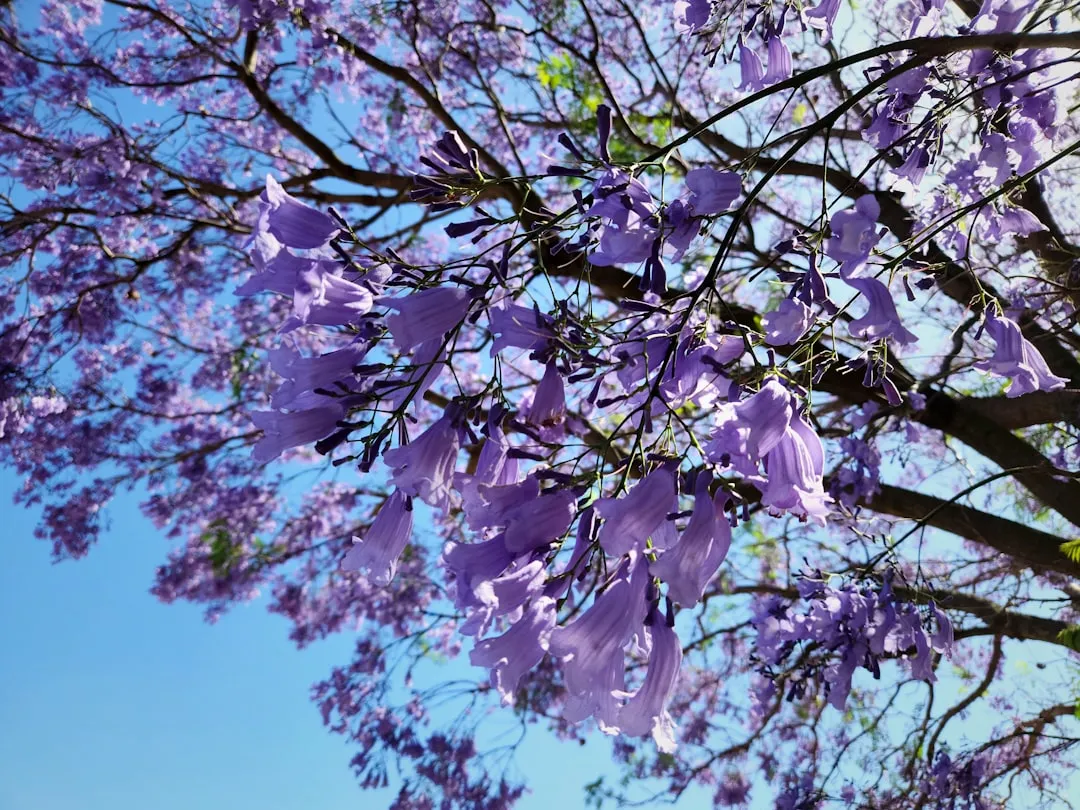
Jacaranda provides fast-growing shade with spectacular spring blooms and reaches 25 to 50 feet tall and 15 to 30 feet wide. Under good conditions, it grows 3 to 5 feet per year and provides noticeable shade within 3 to 5 years of planting. It’s one of the most recognizable trees in Los Angeles streetscapes for good reason.
Jacaranda thrives in Southern California heat, tolerates poor soil and urban conditions, and its fast growth provides shade quickly. The purple bloom display in late spring is genuinely stunning, and once the flowers drop, the tree settles into its role as a reliable overhead canopy.
Flowers and seed pods do create litter requiring periodic cleanup, and the shade is filtered rather than dense. If you want solid, impenetrable shade, pair it with a denser species elsewhere in the yard. For a patio or seating area where dappled light is actually pleasant, it’s hard to beat.
4. Indian Laurel (Ficus nitida): The Year-Round Evergreen Screen
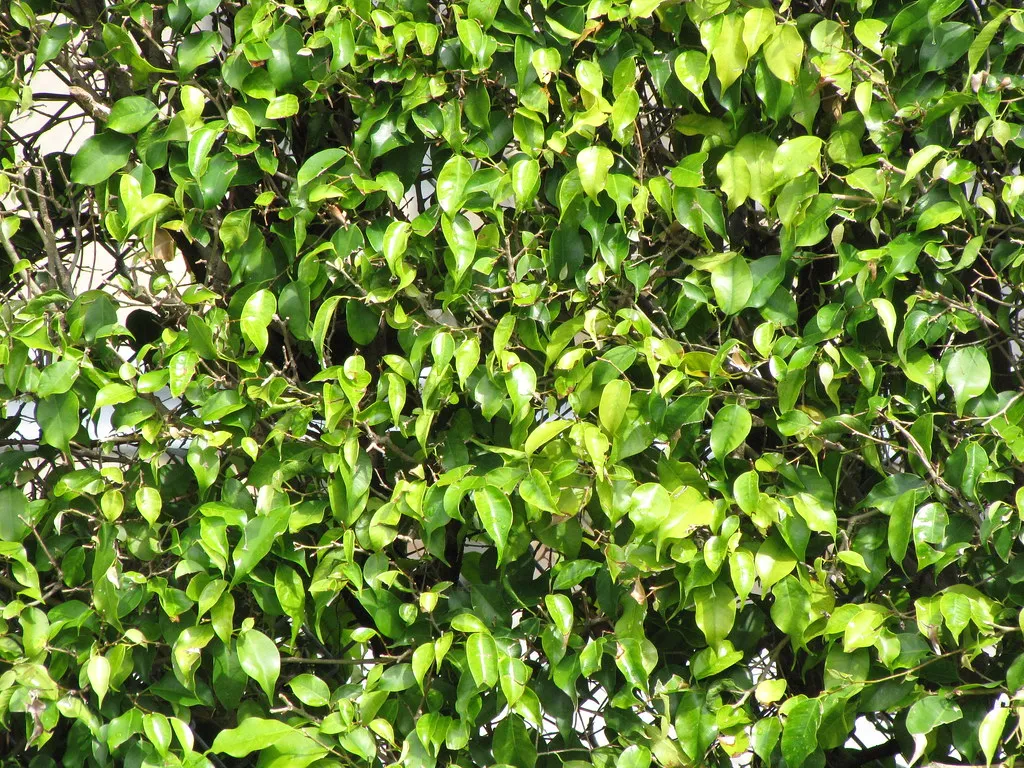
Indian Laurel, also known as Ficus nitida or Hollywood Hedge, is a highly popular shade plant in Southern California, and this fast-growing evergreen can be pruned to almost any shape and size. It handles desert dryness without issue, prefers to grow in full sun, and when planted on the south or west side of your property, provides excellent shading and a wonderful cooling effect.
It also grows tall and dense, making it an effective privacy screen and sound barrier. For urban SoCal properties where neighbors are close and traffic noise is constant, this double function as shade tree and acoustic buffer is a significant selling point.
Because it’s evergreen, the Indian Laurel works through all twelve months rather than going bare in winter. It does require regular watering during establishment, and its roots can be aggressive near infrastructure, so placement planning matters from the start.
5. Australian Willow: Drought-Tough and Underrated
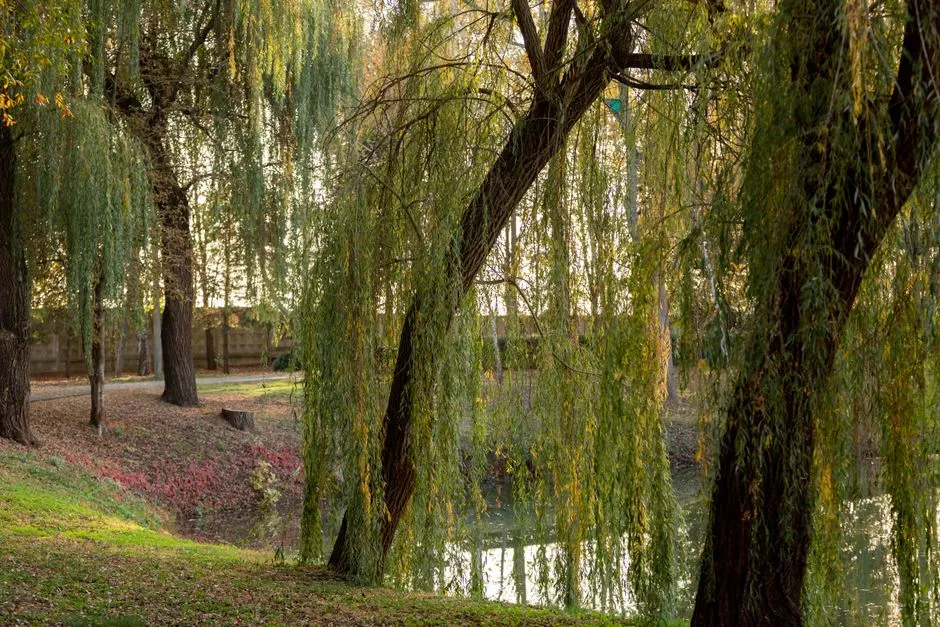
Australian Willows are relatively small, evergreen trees reaching heights of about 30 feet, and they store water in their leaves, which makes them relatively fire-resistant and well-suited for high-risk locations. They are drought-resistant and adaptable to a variety of soil conditions, growing best in full sun.
Similar to the Brisbane Box, the Australian Willow is indigenous to the Southwestern Region of Australia, requires minimal upkeep, provides ample shade, and becomes highly drought-resistant once it takes root. Its adaptability to a wide range of soil types, combined with its non-invasive root system, makes it an ideal choice for street planting.
The Southwestern Region of Australia shares a Mediterranean climate similar to that of the Southwest of the United States, making Australian trees a suitable option for both regions. This climate alignment is part of why the Australian Willow thrives in SoCal without the fuss that other imports sometimes require. It won’t dominate a yard, but it’s an excellent choice for smaller spaces craving relief.
6. Camphor Tree: The Big Canopy for Serious Summer Heat
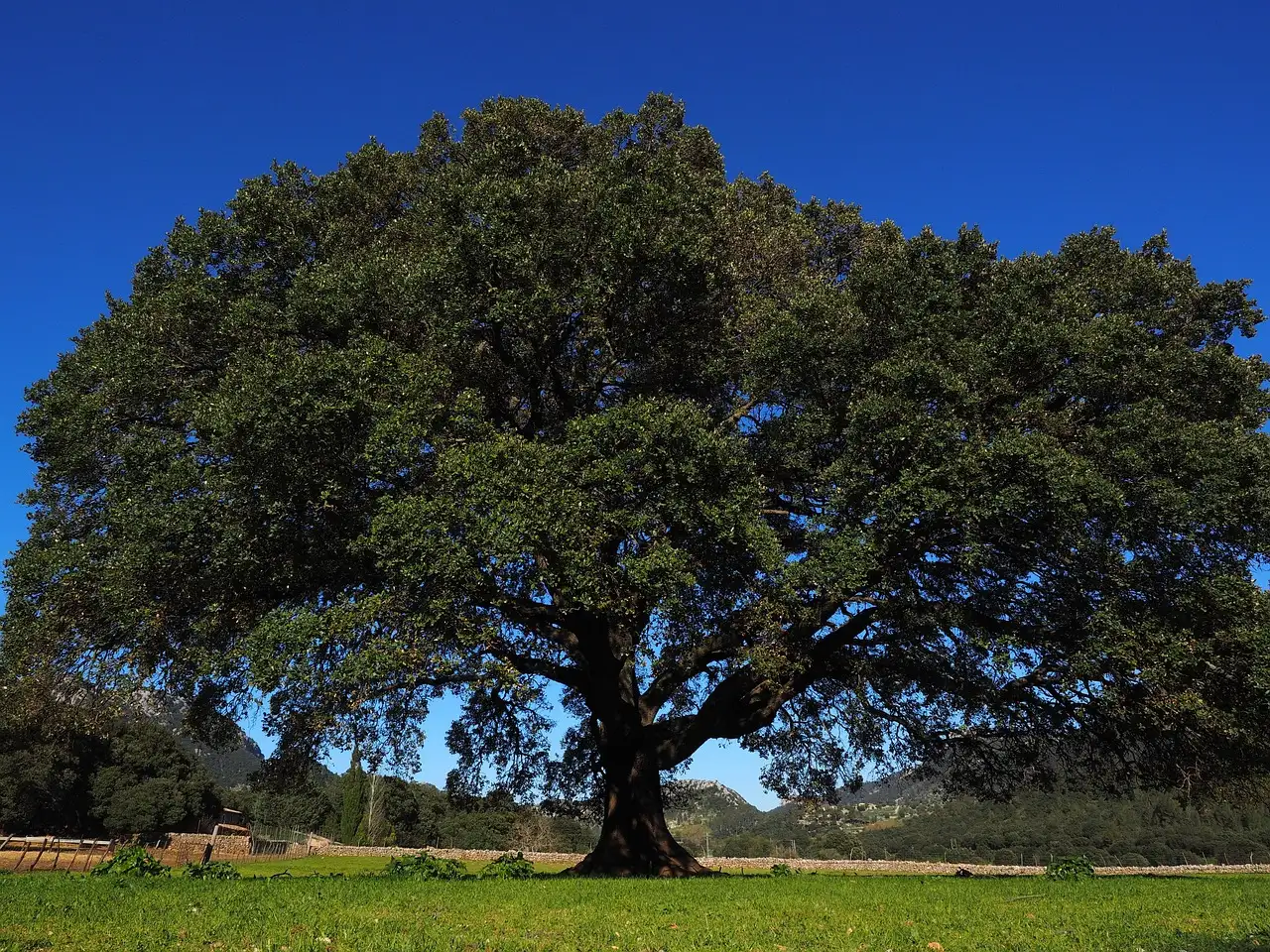
Camphor is a large evergreen shade tree that matures to a height of 50 to 60 feet and, once established, requires little water, making it a hardy, drought-tolerant choice for Southern California homes. Its size is its greatest asset. Few trees in the SoCal palette eventually produce this volume of overhead canopy.
The Camphor tree is one of the best shade trees for Southern California homes because it reaches an ultimate height of around 50 to 60 feet, the trunk grows wide making it a sturdy tree, and it is aromatic and flowers in the springtime. The scent alone makes it a pleasant addition to any backyard seating area.
While it will take longer to grow than some other options, the reward of planting a Camphor tree will be great. If you want fast results from day one, consider sourcing a larger specimen from a nursery rather than starting small. Because Camphor trees take longer to grow, transplanting a large tree lets you begin enjoying shade from the lush, wide canopy immediately.
Why Shade Trees Are Worth the Upfront Investment
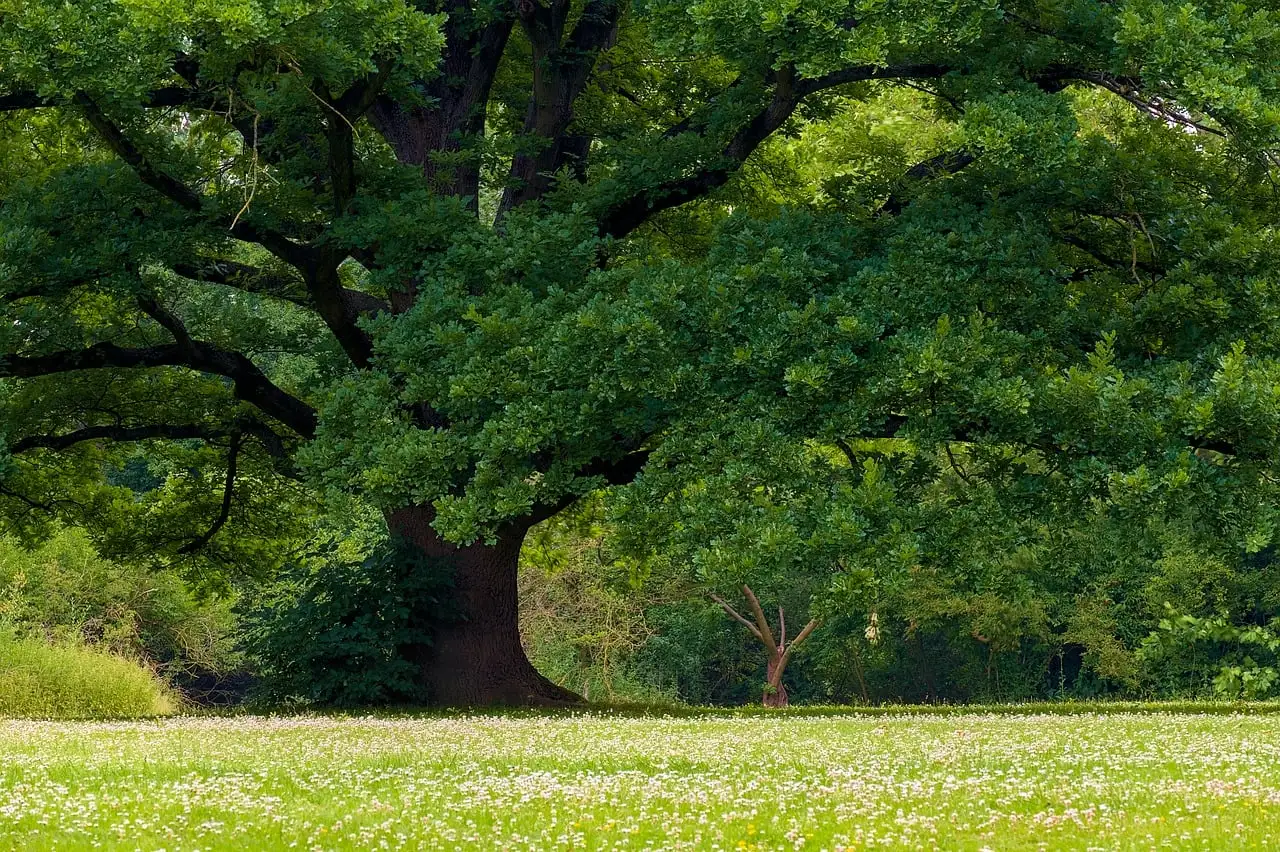
A systematic review synthesizing 128 studies on the cooling effects of urban trees found that trees reduce air temperature by approximately 0.5 to 5.8 degrees Celsius and surface temperature by 2 to 12 degrees Celsius, depending on canopy density, climate type, and measurement method. For SoCal homeowners, those numbers translate directly into lower utility bills and more usable outdoor space.
According to the US Department of Energy, carefully positioned trees can reduce a home’s energy costs by as much as 25 percent, including air conditioning. Urban planners and landscaping researchers emphasize prioritizing species with dense canopies, ensuring optimal placement to maximize shading, and considering proper spacing and orientation to achieve significant cooling benefits.
Beyond personal comfort, trees reduce energy costs by providing shade, improve air quality and combat pollution, and increase property and neighborhood value. In a region where property values run high and energy costs climb with every summer heat wave, a well-chosen shade tree is genuinely one of the best long-term investments a homeowner can make.
When and How to Plant for the Fastest Results
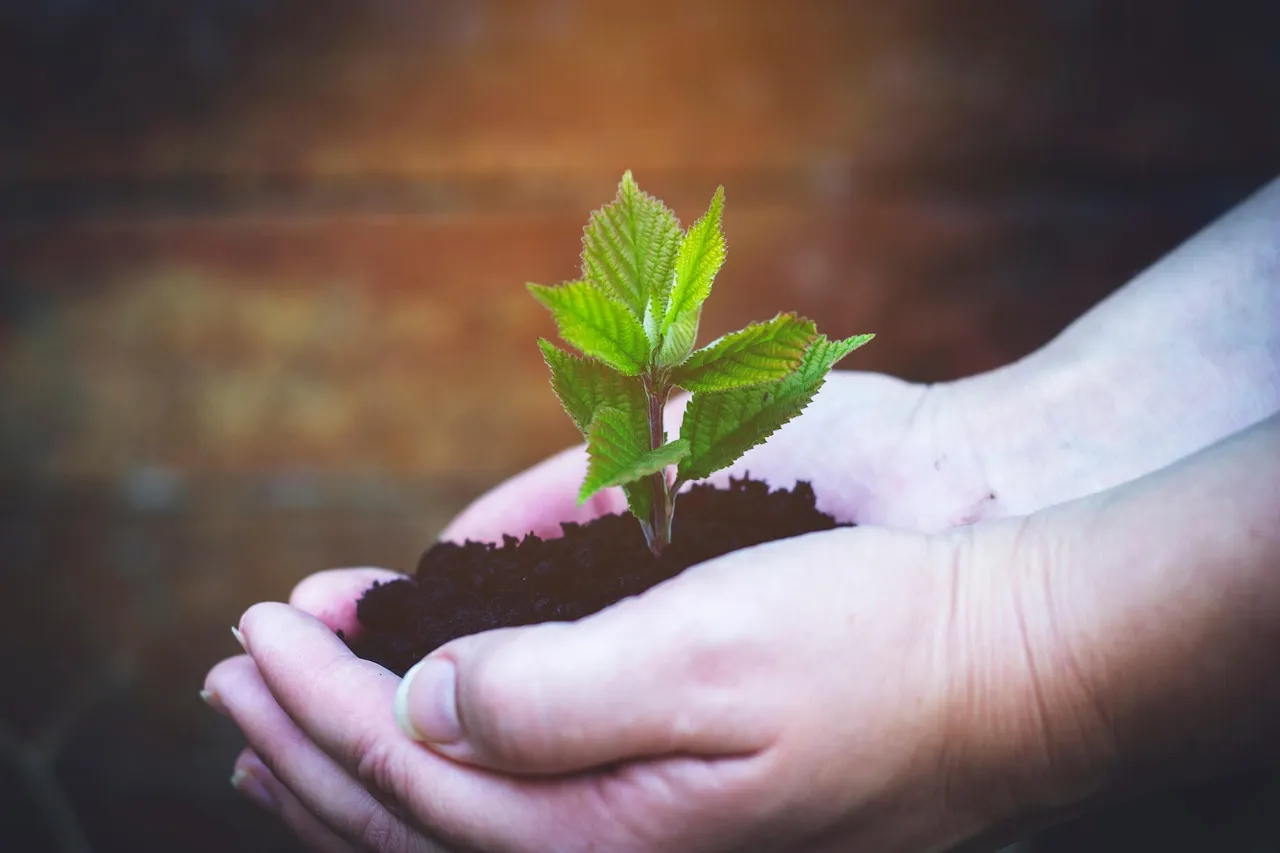
Timing matters more than most people assume. In Southern California, fall and early spring are the strongest planting windows, giving roots time to establish before the next intense summer arrives. Planting in midsummer heat is possible but requires more consistent irrigation during the first critical months.
Most of these trees become drought-tolerant once established, typically after 2 to 3 years. During that window, tolerating seasonal dry periods is easier when deep roots have had time to access groundwater. Watering deeply but infrequently is almost always better than frequent shallow watering, which discourages deep root development.
Placement is equally important. Trees planted on south and west sides of homes do the most work, blocking intense afternoon sun most effectively. Planting deciduous trees in strategic locations around buildings helps reduce the amount of solar energy absorbed into building materials, especially if those trees shade windows and part of the building’s roof.
Understanding Growth Rates: Setting Realistic Expectations
The phrase “fast-growing” gets used loosely, so it helps to have real numbers. Fruitless Mulberry tops the list at 4 to 6 feet of growth per year. California Sycamore clocks in at up to 3 feet per year. Jacaranda follows at 3 to 5 feet per year under good conditions. These are meaningful differences when you’re planning around a 5-year or 10-year horizon.
The trees that grow fastest tend to need more water and occasionally more pruning during their early years. Growing Fruitless Mulberry trees is easy because they require very little care, and once established they withstand both drought and extended flooding, though they grow faster if watered during dry spells. The setup period is the trade-off for the speed you get on the back end.
Trees bring beauty, shade, and life to any California yard, and fast growers can transform your landscape quickly. The key is matching the right tree to your yard’s actual conditions: available space, soil type, proximity to structures, and how much setup irrigation you can realistically provide.
The Wildlife Bonus You Didn’t Expect
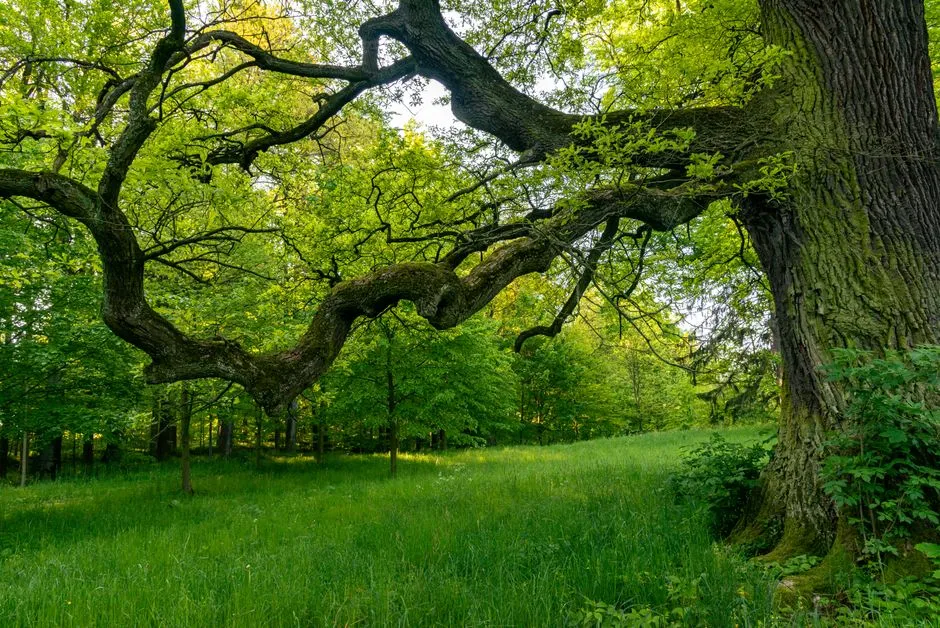
Shade trees do more than cool you down. Sycamores house food and nesting sites for birds including red-tailed hawks, woodpeckers, and hummingbirds. The Western Sycamore is an important host plant for the Western Tiger Swallowtail butterfly. A maturing canopy in your backyard quickly becomes a small ecosystem.
Trees like the Japanese Privet attract hummingbirds with lovely white flowers in late spring, which give way to glossy, ornamental berries that ripen in fall and last throughout winter. Even a single well-chosen tree adds layers of seasonal interest and wildlife activity that no other landscaping element can replicate.
One of the environmental factors that consistently highlights differences in neighborhood health is tree canopy coverage. Neighborhoods with a lower proportion of tree coverage and a greater proportion of paved surfaces face higher ambient temperatures than those with more tree coverage. Planting a shade tree isn’t just a personal decision, it gradually improves the whole block.
Final Thoughts
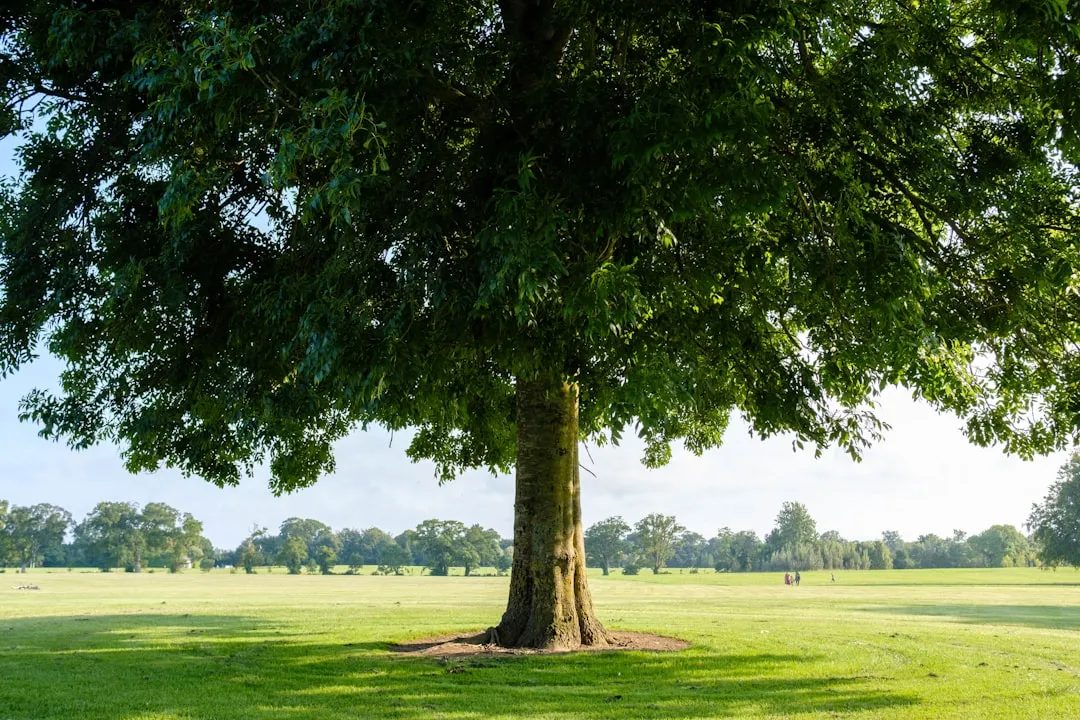
The SoCal sun isn’t going anywhere, and summers are only trending hotter. The good news is that the fix is relatively simple, rooted in soil, and beautiful to look at while it works. Whether you choose the rapid canopy of a Fruitless Mulberry, the native grandeur of a California Sycamore, or the fragrant coverage of a Camphor tree, any of these six species will start paying back your investment long before they hit full size.
Plant one this fall, give it consistent water through its first two summers, and by the time the next heat wave rolls through, you’ll already be sitting in the shade.
AI Disclaimer: This article was created with the assistance of AI tools and reviewed by a human editor.