
Most people assume that watering their garden more often is a sign of being attentive and caring. The logic seems straightforward enough: hot summer days, thirsty plants, more water. The reality, though, is a bit more complicated, and the gap between what gardeners believe they’re doing right and what’s actually happening underground is where most summer gardens quietly fall apart.
Most gardeners think they know how to water plants. Turn on the hose, spray everything down, done. Improper watering, however, is one of the leading causes of plant death in home gardens, and it often goes unrecognized until it’s too late. The specific mistake is one that feels completely harmless in the moment: shallow, frequent watering instead of deep, infrequent soaking.
The Mistake Hiding in Plain Sight: Shallow Watering
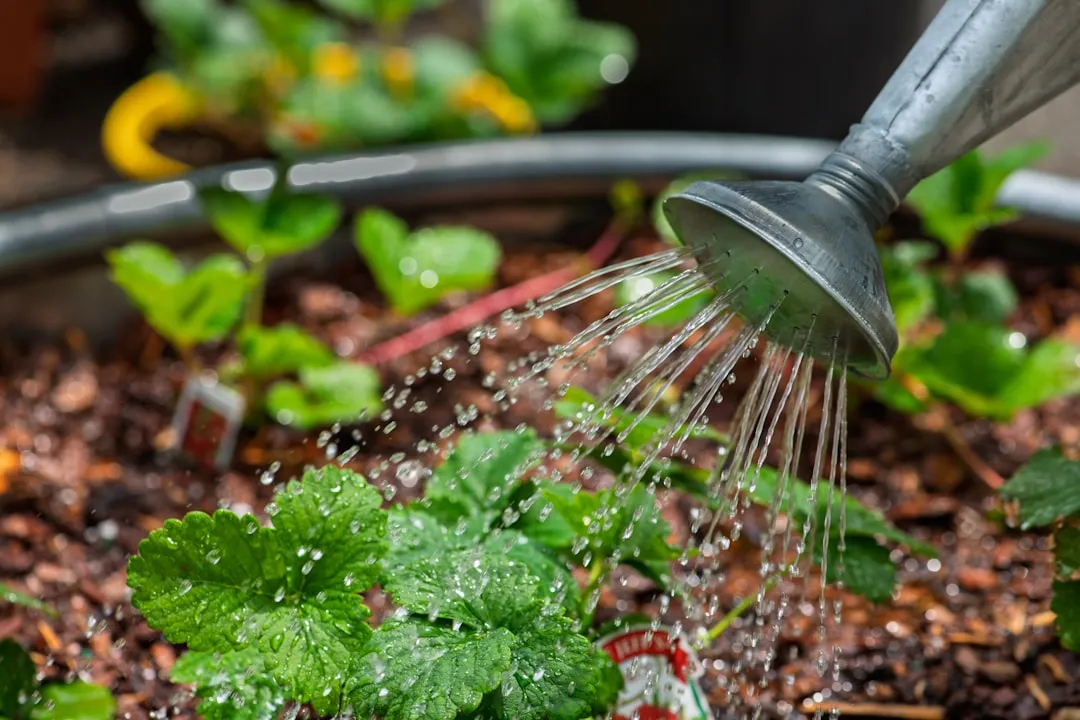
Most often, gardeners only sprinkle the top layer of the soil and do not allow the roots to get a proper drink. This is the core error, repeated millions of times every summer across backyard gardens.
Light daily sprinkling that only wets the top inch of soil trains roots to stay shallow near the surface, where soil gets hottest and dries fastest. When heat waves hit, these shallow-rooted plants die quickly.
Gardeners often fall into the trap of watering little and often during the hot summer months. This habit can literally kill plants, causing the roots to stay near the surface, where they are prone to drying out rapidly. Watering little and often can actually create weaker plants because the roots remain close to the surface where they dry out more quickly.
What Really Happens Below Ground
When small amounts of water are applied frequently, only the top inch or two of soil becomes moist. Plant roots, following the water, concentrate in this shallow zone. This creates rapid drying, since surface soil loses moisture quickly to evaporation, along with a dangerous dependency where plants need water constantly with no reserve to draw upon. Shallow roots also don’t hold plants securely.
Shallow watering, covering just one to three inches of soil, encourages surface-rooting, increases evaporation loss by up to forty percent, promotes fungal diseases like powdery mildew and root rot, and triggers chronic stress responses that reduce flowering, fruiting, and pest resistance.
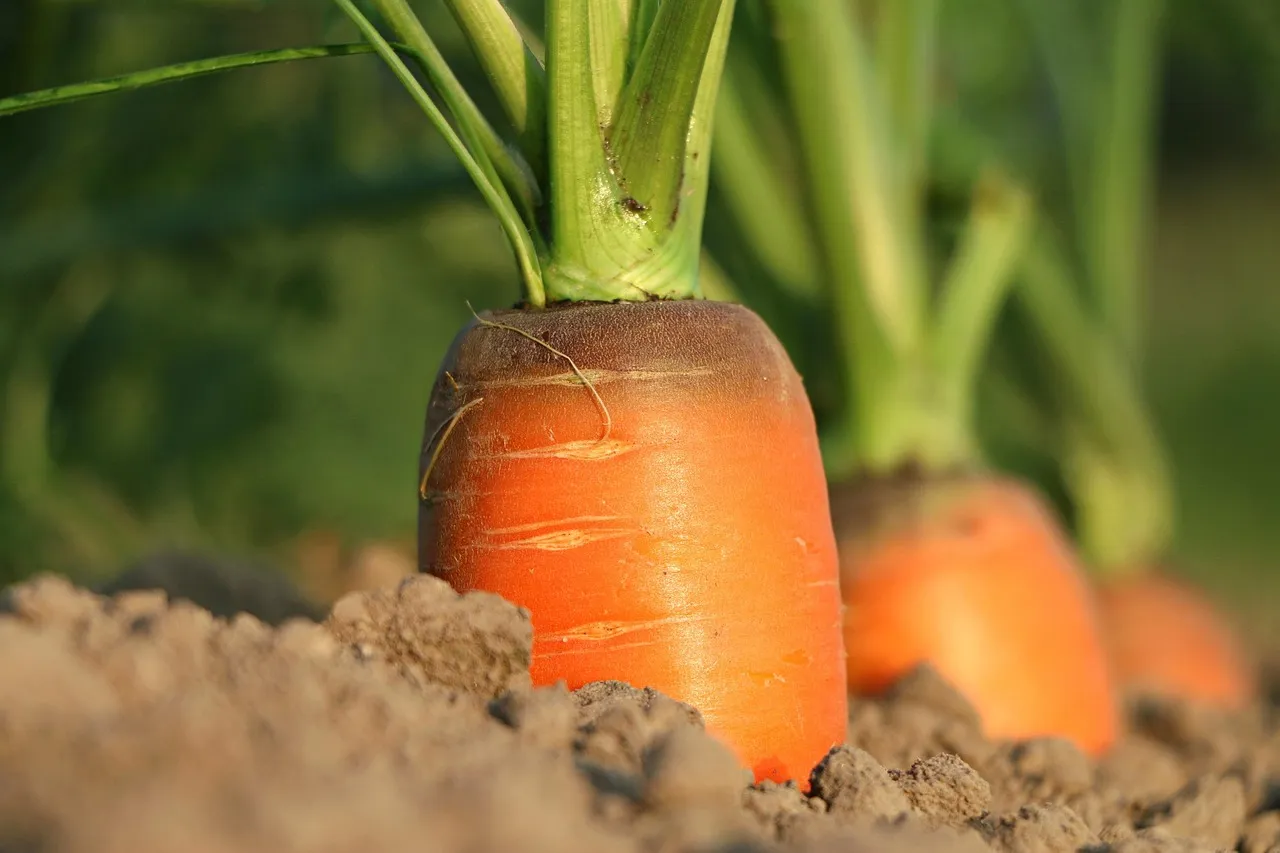
Deep watering means that the soil is saturated to about an eight-inch depth. Healthy plants usually grow their roots down deep. In fact, some plants grow roots that are nearly two feet long for optimal nutrient and moisture uptake.
Why Deep Watering Produces Dramatically Better Results
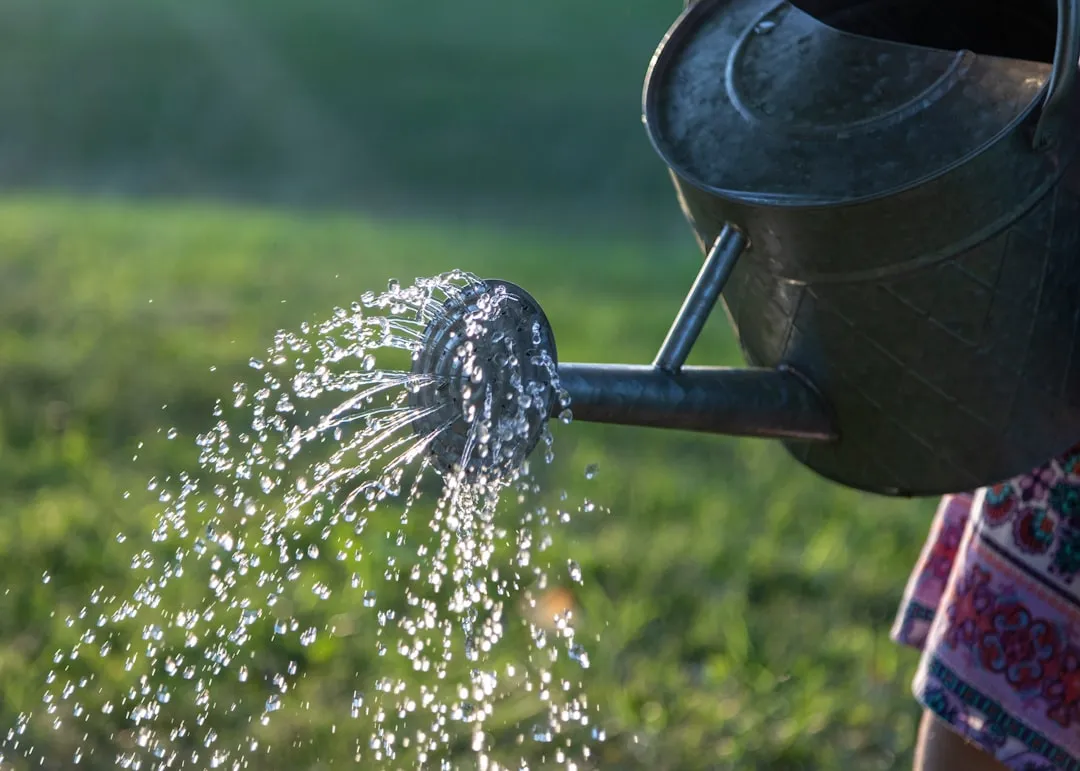
Deep watering, soaking soil to a depth of six to twelve inches, is consistently superior to shallow watering for nearly all garden plants. It’s not a minor tweak. It’s a fundamentally different approach to how plants build their root systems.
Deep watering encourages roots to grow deeper, enhancing access to moisture and nutrients. Unlike shallow watering, which leads to weak surface roots, deep watering promotes a robust root system for better plant stability. Deep roots improve drought resistance, allowing plants to survive longer without frequent watering. By reaching deeper soil, roots can absorb essential nutrients like phosphorus, potassium, and nitrogen more effectively.
University trials across USDA Zones 4 through 9 show tomato plants watered deeply twice weekly produced roughly a quarter more fruit with significantly fewer blossom-end rot incidents than those watered shallowly every other day.
The Root Rot Trap: When Overwatering Turns Lethal
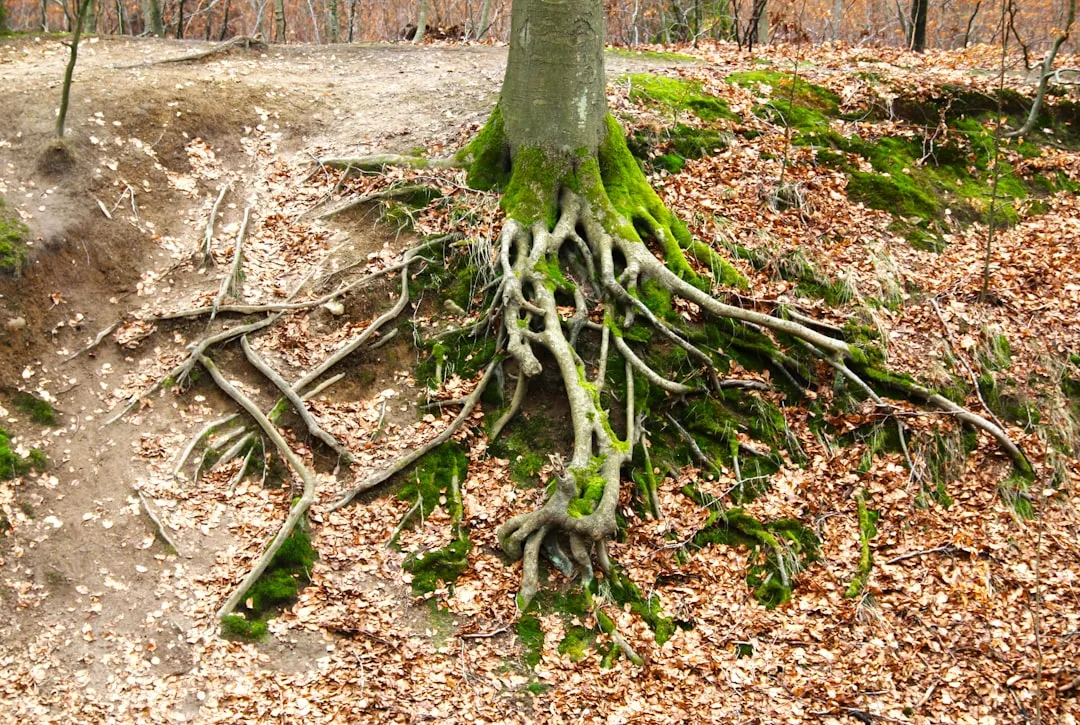
Root rot usually develops when soil stays too wet for too long. Plant roots need oxygen as well as water, and in saturated soil they can’t breathe. Without oxygen, roots weaken, die, and begin to decay.
Most garden and houseplant root rot problems are caused by water molds, fungus-like organisms such as Phytophthora and Pythium, as well as a few true fungi, including Rhizoctonia and Fusarium. These organisms thrive in damp conditions and can survive in the soil for many years.
As roots rot away, plants lose their ability to take up water and nutrients. That’s why plants with root rot often wilt, yellow, or decline even when the soil is moist and nutrients are available. It’s a cruel irony: the plant looks thirsty, the gardener waters more, and the damage deepens.
The Fixed-Schedule Irrigation Problem
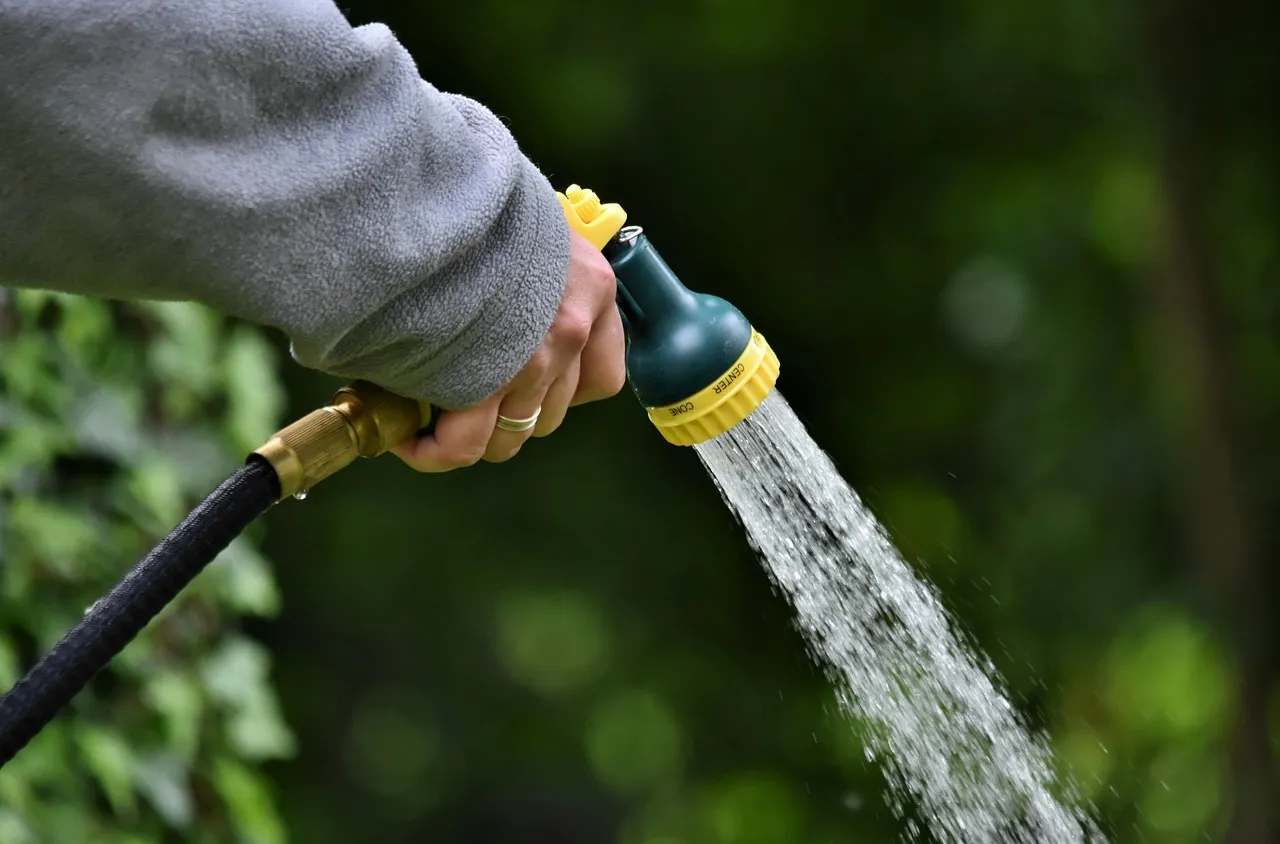
One of the worst habits homeowners can adopt is running irrigation on a fixed schedule without adjusting for weather or rainfall. A controller that runs every Tuesday and Saturday regardless of rainfall, temperature, season, or plant maturity is not really an irrigation strategy.
A fixed schedule sounds safe. In practice it breaks because pots and beds do not dry on a calendar. A simple check beats a schedule: check the top one to two inches of soil and water based on dryness and plant type.
According to an EPA report, poorly maintained automatic landscape irrigation systems can waste up to 25,000 gallons of water annually. Running the sprinkler on autopilot without reading the actual soil conditions is precisely what drives that kind of waste.
Watering at the Wrong Time of Day
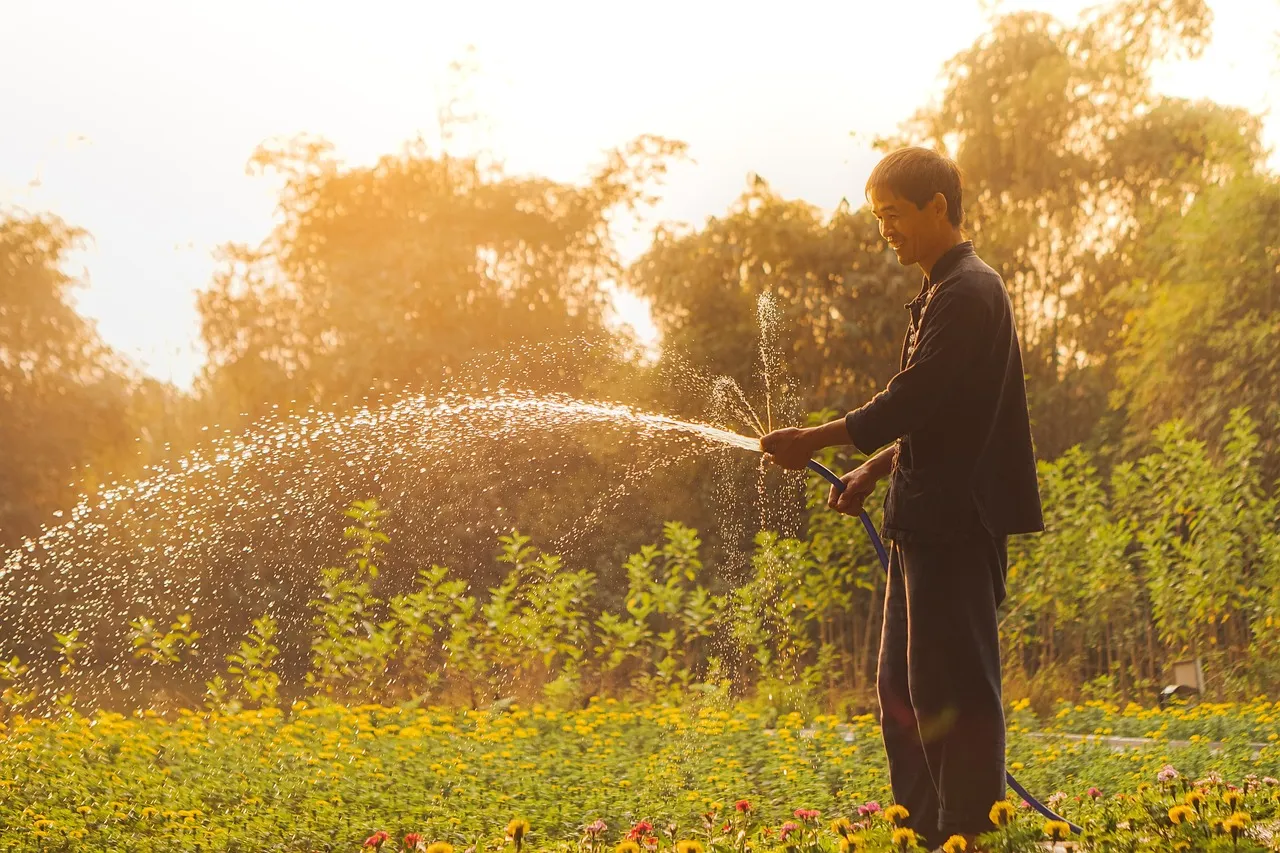
Watering in the middle of the day exposes plants to rapid evaporation, leaving them thirsty. Wet leaves in hot sunlight may also lead to scorching. The window matters more than most gardeners realize.
According to Stuart Thompson, senior lecturer in plant biochemistry at the University of Westminster, plants go through their own weight in water on a sunny day. Plants that are not in pots will benefit most from being watered in the morning or evening, when droplets have time to soak down into the soil.
If morning watering isn’t possible, evening watering works, but keep water at soil level. Wet foliage overnight encourages fungal diseases. Morning remains the clear winner for most garden setups.
Watering the Leaves Instead of the Roots
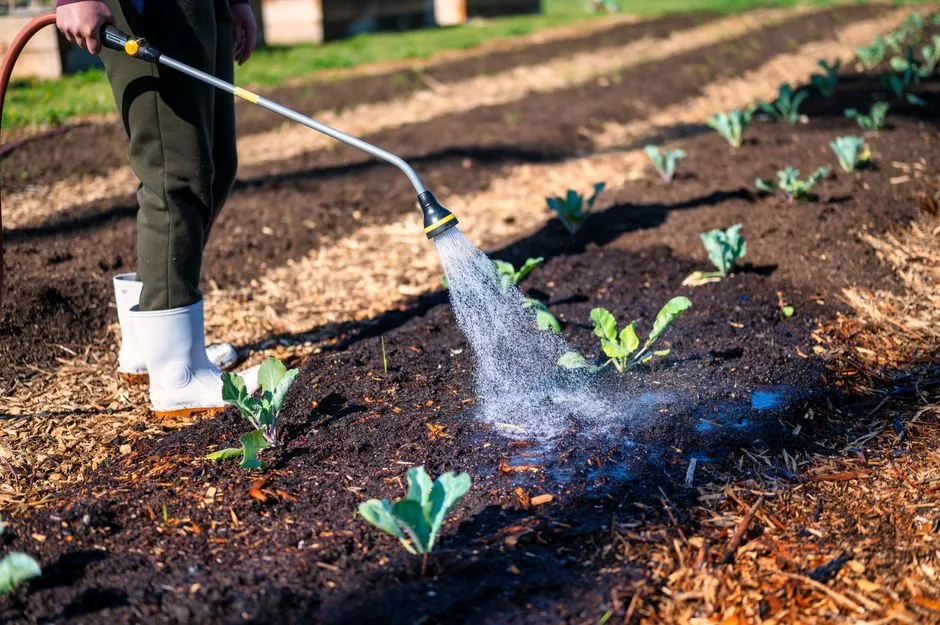
Watering plants from above can leave water droplets on leaves and stems, creating an environment for fungal diseases to thrive. This is especially a problem for plants like tomatoes and roses, which are prone to leaf spot and mildew.
Aim the watering can or hose nozzle directly at the soil, focusing on the base of the plant. This ensures water reaches the roots, where it’s needed most. It’s a simple adjustment, but one that significantly reduces disease pressure over an entire season.
It’s usually best to apply water directly to the soil around plants rather than watering with a sprinkler. Less water is lost to evaporation, especially on hot, sunny days. Foliage stays dry, minimizing disease problems.
Ignoring What the Soil Actually Tells You
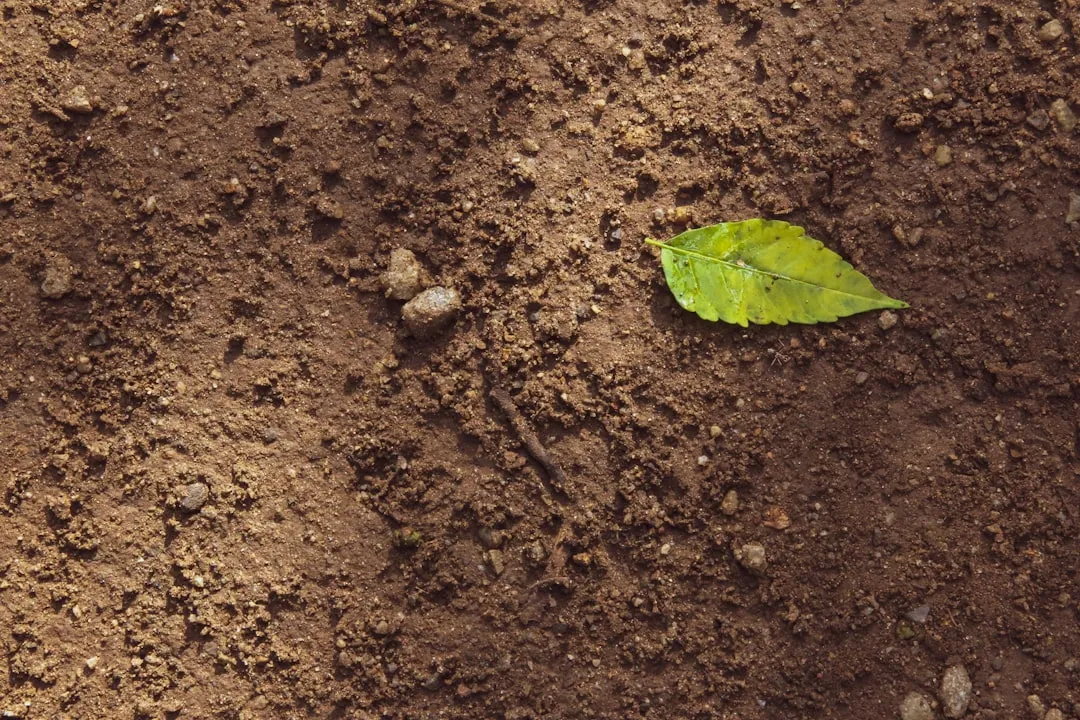
To determine whether a particular part of your yard needs water, use your index finger. Just pull back the mulch and stick your finger in the soil surface an inch or two to determine if the soil is moist or bone-dry. No tool required.
Master Gardeners note that underwatering gardeners usually just water to surface level. They’re in a rush, trying to get in and get out, and the water never makes it down to the roots. The soil check takes about ten seconds and eliminates most guesswork entirely.
A simple finger test about two inches down reveals real moisture levels. Reliable watering habits create stronger, more resilient gardens. Knowing when not to water matters just as much as knowing when to turn the hose on.
Skipping Mulch and Letting Soil Bake
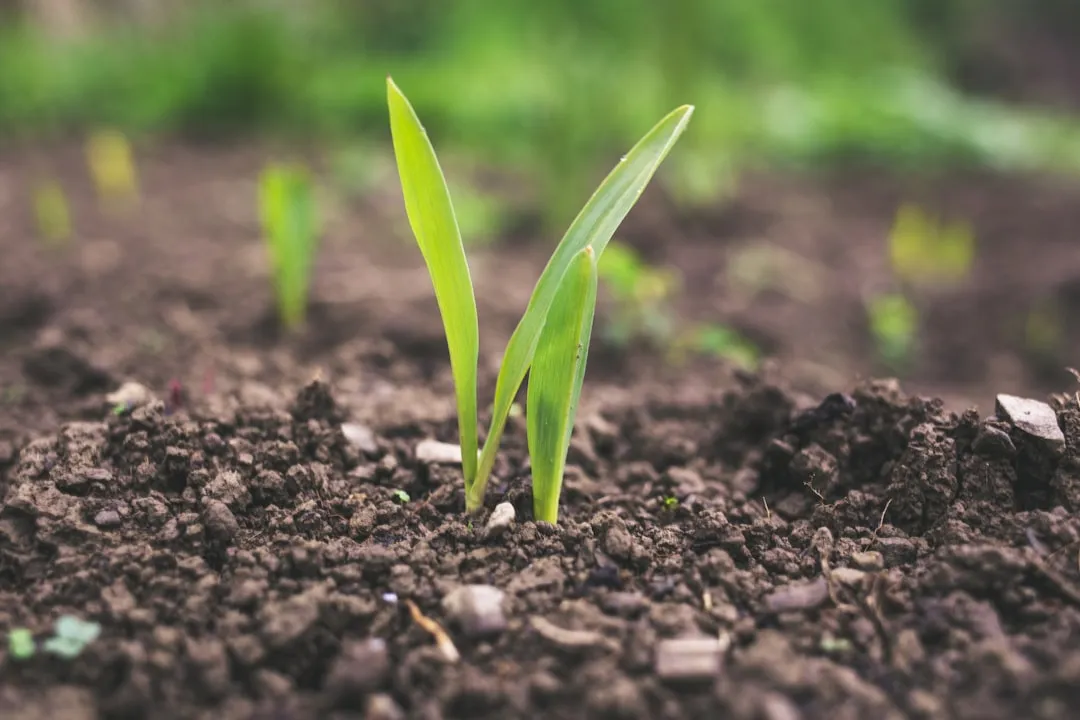
Bare soil heats up quickly and loses moisture fast during summer. Plants suffer when roots sit in hot, dry conditions for long periods. Many beginners skip mulch because it seems optional, and that decision often leads to extra watering and stressed plants.
Mulch creates a protective barrier that stabilizes soil conditions. Straw, shredded leaves, and bark chips all work well in garden beds. A two to three inch layer keeps soil cooler and reduces evaporation. Mulch also suppresses weeds that steal nutrients from crops.
If homeowners perform regular maintenance to reduce irrigation water waste, they can save nearly 8,800 gallons of water each year. A proper layer of mulch is one of the simplest and most impactful steps toward that goal.
Treating All Plants as If They Need the Same Amount of Water
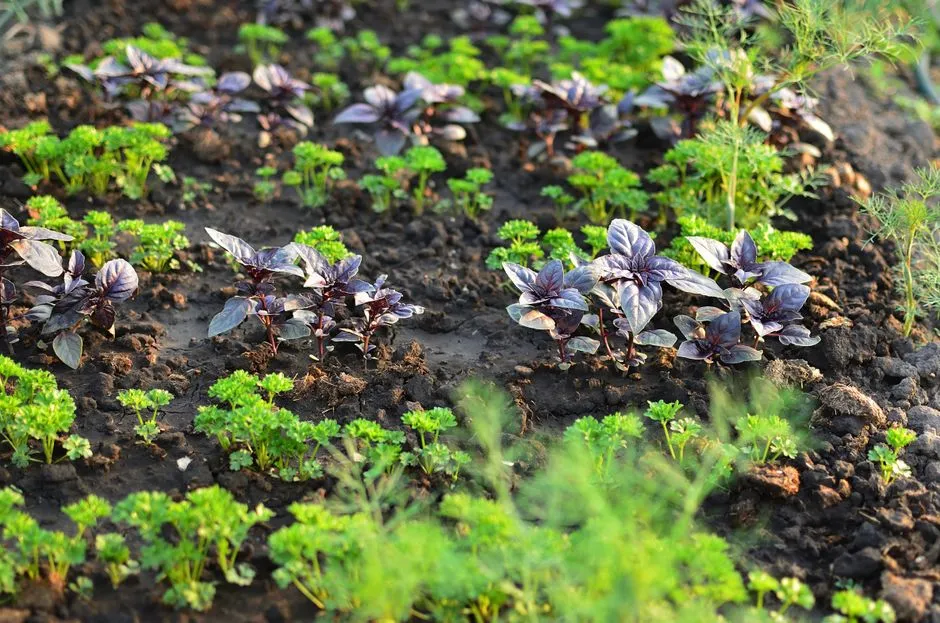
Different plants have dramatically different watering needs. Herbs like thyme, oregano, rosemary, and chives tend to be more drought-tolerant, while basil and parsley require more consistent moisture.
Treating all plants as if they have the same water requirements is a widespread mistake. Succulents need far less water than moisture-loving plants like ferns. Grouping plants with similar water needs together in watering zones, and researching the specific requirements for each plant, is a practical fix.
The inch-a-week watering rule is often cited as a rule of thumb, but the truth is that plants vary widely in their water needs. Young seedlings and new transplants have limited root systems and may need daily watering if the weather is sunny and hot. Established trees and shrubs may need supplemental watering only during extended dry spells because they have more extensive root systems.
The Takeaway
The mistake isn’t a lack of effort. Most gardeners who struggle with their plants in summer are actually putting in the time. The problem is a widely shared misunderstanding about how water moves through soil and how plant roots actually develop.
The core principle is simple but non-negotiable: water depth determines root architecture, and root architecture determines plant resilience. Shifting from a little water every day to a deeper, less frequent soak is the single most impactful change most backyard gardeners can make.
Roughly three in five gardeners say they would garden more often if they simply knew more about it, making knowledge the second-largest barrier to participation, behind only time. On watering, at least, the knowledge gap is entirely closeable. Get the water to the roots, give the soil time to breathe between sessions, and the garden will do most of the rest on its own.
AI Disclaimer: This article was created with the assistance of AI tools and reviewed by a human editor.