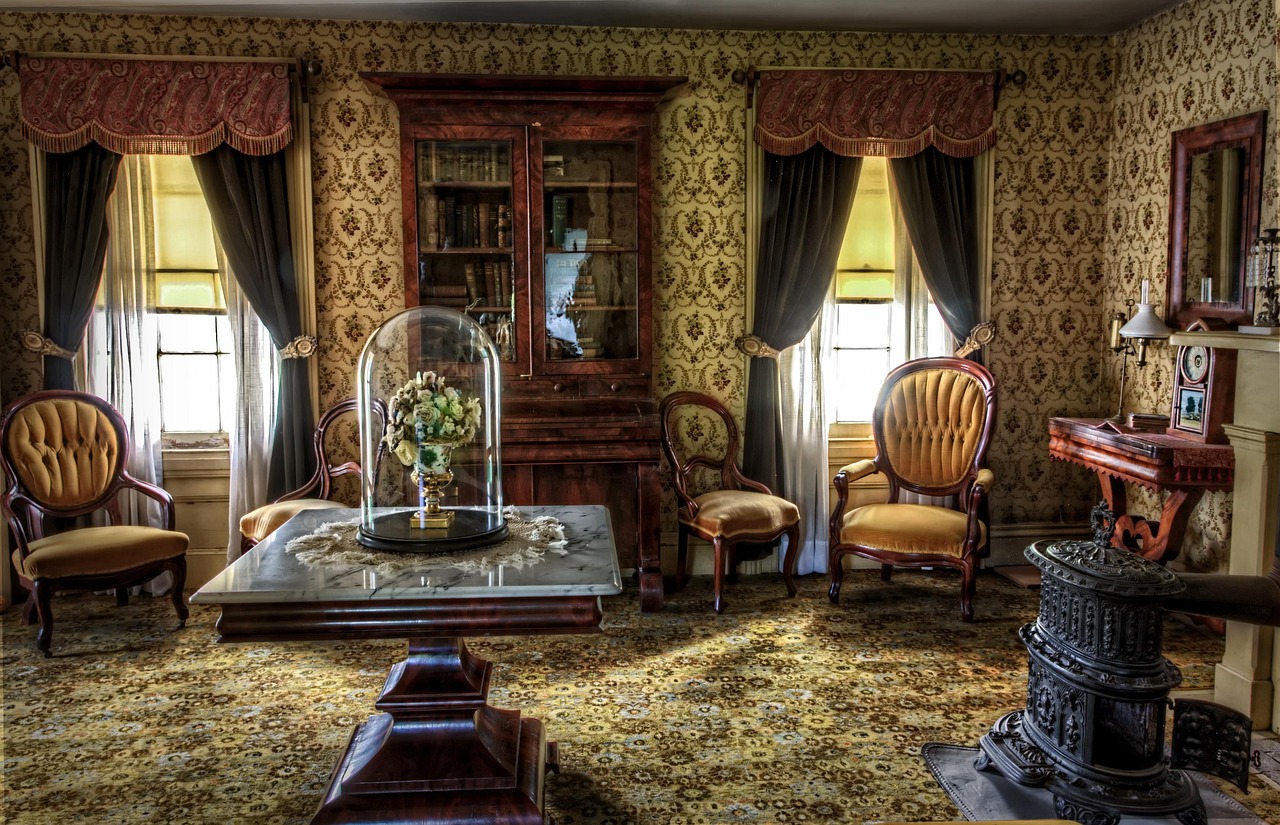

There’s a particular feeling you get walking into a well-kept older home in winter. Even before the heat kicks on, the rooms feel settled and enclosed. Walls absorb you rather than reflect you back. That sensation rarely comes from a thermostat setting. It comes from layering textiles, a habit that people practiced for centuries before central heating existed and that still holds up today.
Layering fabric throughout the home, on floors, walls, windows, and beds, was the primary strategy people used to push back against the cold. It worked then, and its principles are just as sound now.
The Ancient Logic of Fabric on Floors
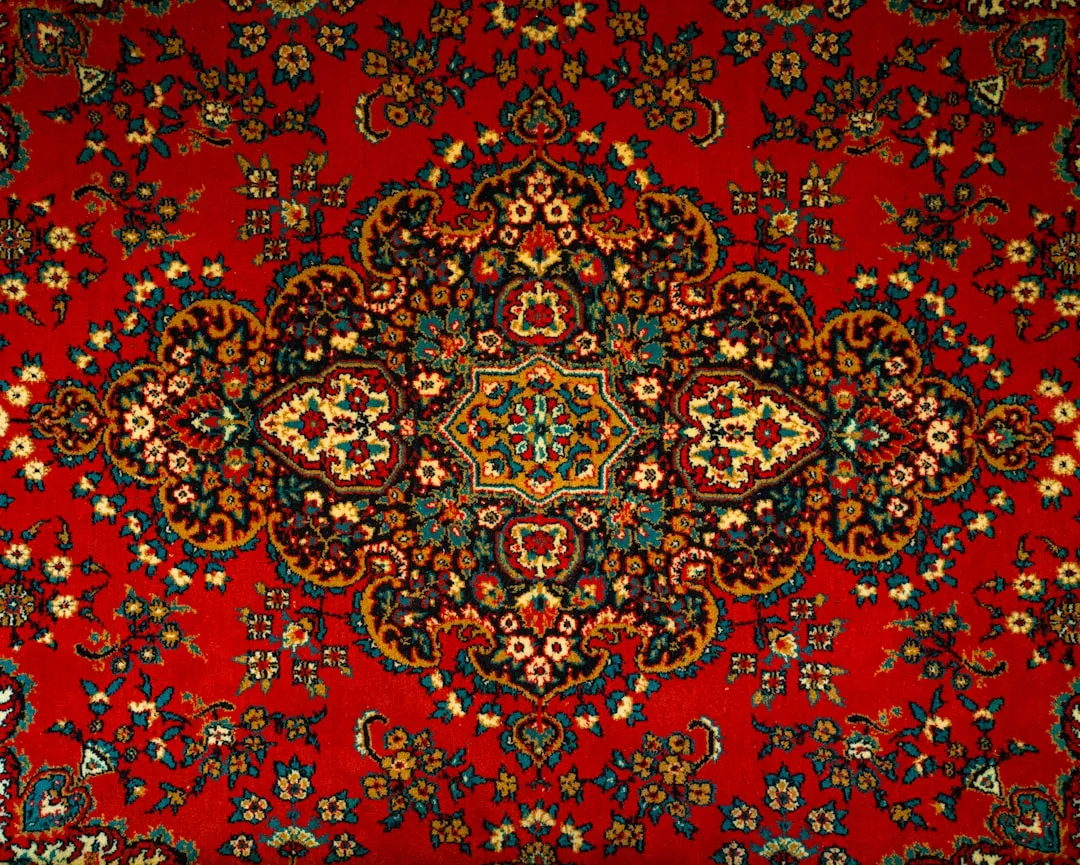
Rugs have a long and storied history, used in homes for centuries. For many cultures, floor coverings served both practical and decorative purposes, with intricate designs conveying cultural values. The practical side often mattered more than the aesthetic one. A bare stone or wood floor in winter is a cold floor, and a cold floor drags the whole room down.
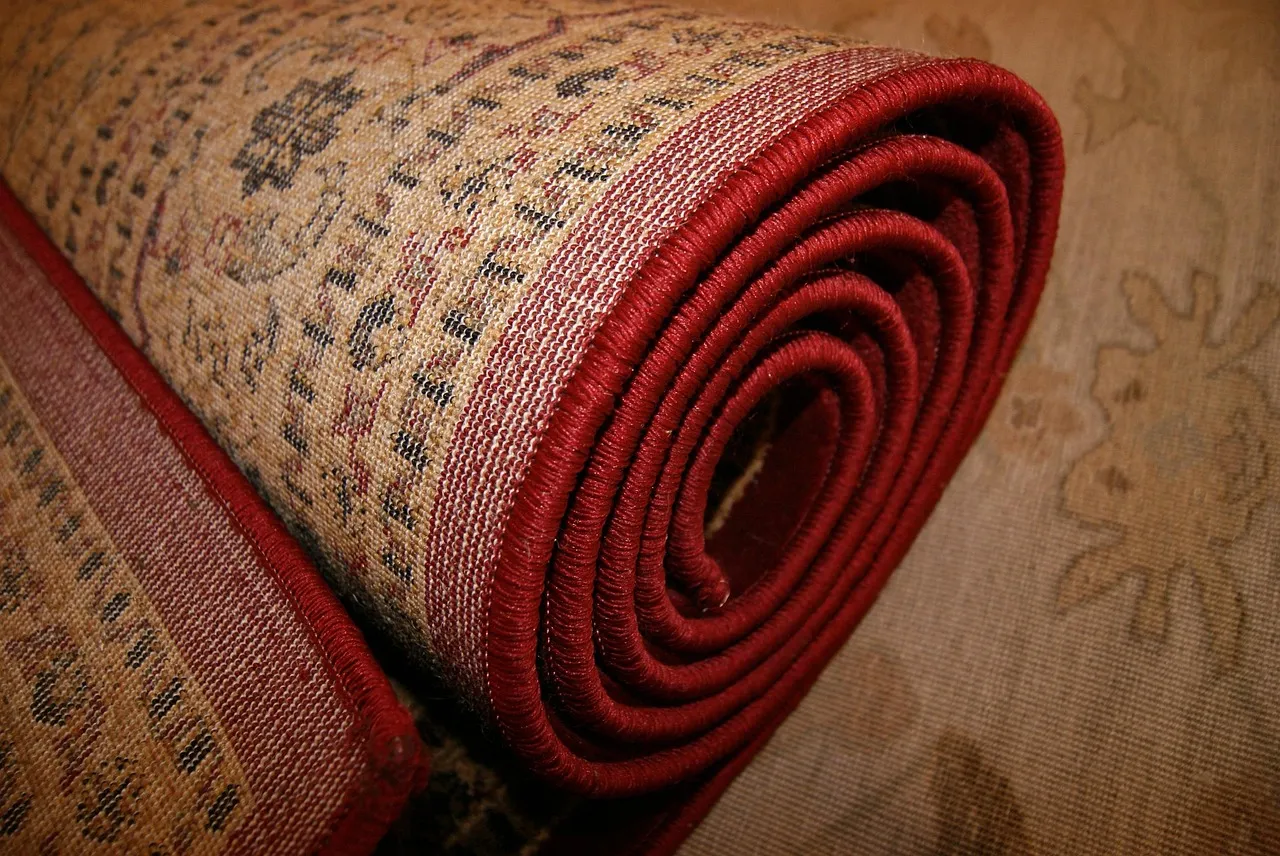
Beyond aesthetics, Persian and Oriental rugs also provide practical benefits by adding warmth and comfort to a room. The plush texture of a handmade rug can soften hard flooring surfaces and provide cushioning underfoot, making the space feel more inviting and cozy. That’s not a design opinion. It’s physics. Fiber traps air, and air resists heat transfer.
The Tactile Logic of Layering Rugs on Rugs
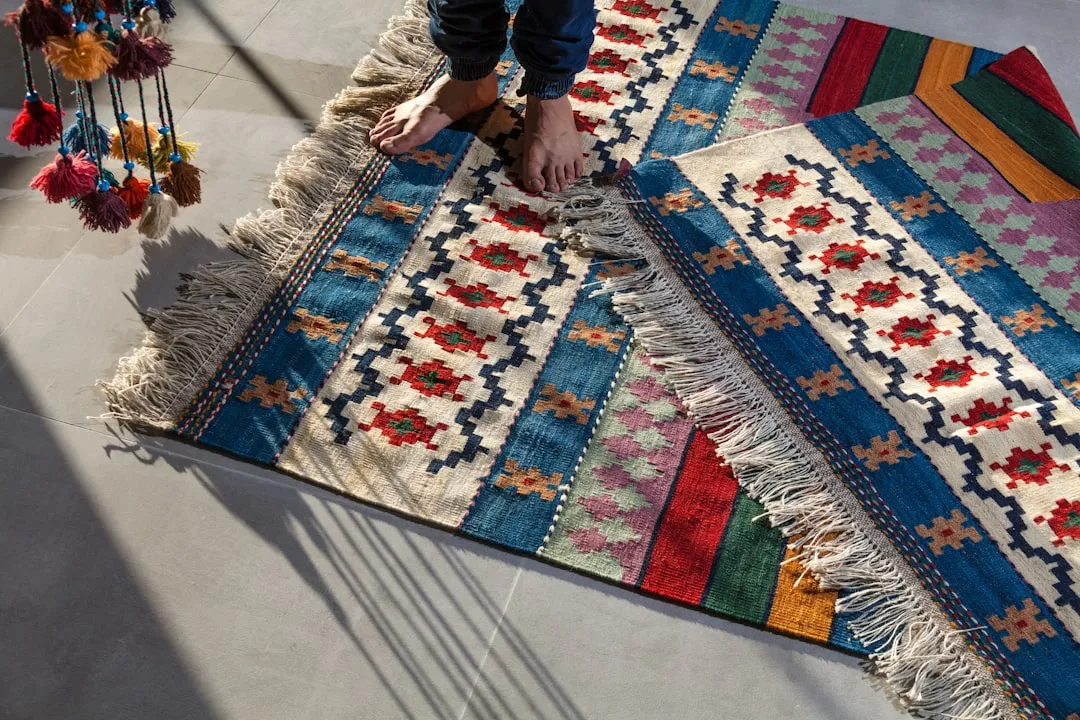
The practice of layering floor coverings is rooted in historic textile traditions, from Middle Eastern nomadic tents to grand European country estates where fine oriental runners were thrown over utilitarian base materials. It wasn’t a trend. It was a practical response to cold climates and drafty interiors.
When you add a secondary wool textile on top of a base rug, you effectively double the thermal and acoustic insulation of the room, turning a drafty space into a quiet sanctuary. The fiber density matters too. A jute flatweave underneath and a dense wool pile on top creates layered insulation, not just visual interest.
Tapestries Were Never Just Art
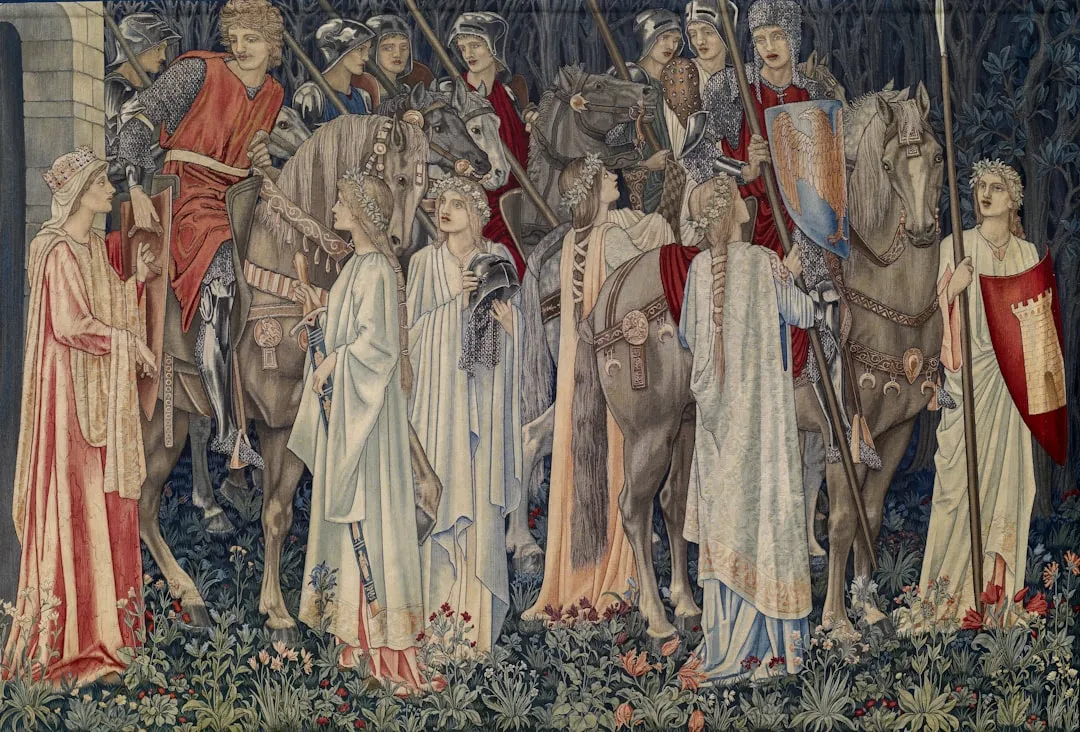
Castles and large stone churches were drafty places that are hard to keep warm during the winter. In those days, insulation was unheard of, therefore tapestries were placed in buildings to keep them warm. Wealthy and modest households alike understood that bare walls were cold walls.
The point of tapestries was to trap heat inside a room and act like a crude form of insulation. Wherever possible, tapestries were hung to keep warm air in, and cold air out. Even the wealthy would have lived in cold rooms, and one way to abate this was by hanging thick tapestries of wool and silk around the room. These rich pieces of artwork could take years to produce and were made by hand weaving. According to the Victoria and Albert Museum, it could take a skilled weaver a month to complete one square meter of tapestry.
Why Heavy Curtains Blocked More Than Just Sunlight
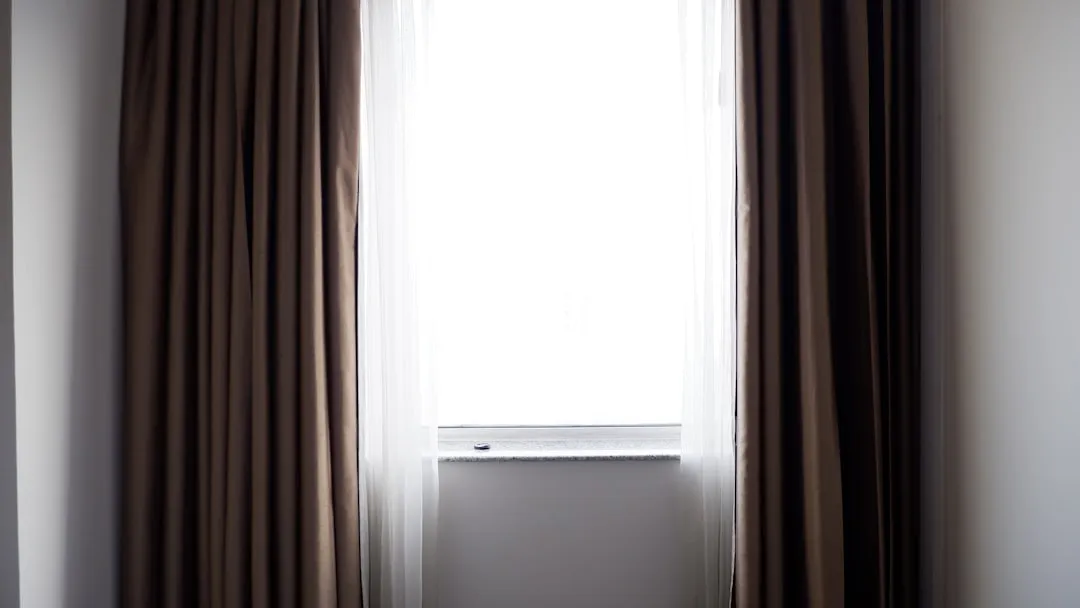
Using conventional drapes and curtains made of heavy material reduces heat loss through windows. Closing curtains at night can reduce heat loss by up to 17 percent. That’s a meaningful number for any household paying heating bills, and Victorian homeowners understood this intuitively without ever measuring it.
According to the U.S. Department of Energy, using curtains with thermal lining can reduce heat loss by up to 25 percent. Drapes create a pocket of still air that slows these processes, keeping warm air in during winter and blocking out heat in summer. The vintage habit of drawing heavy drapes at dusk was thermally sound, not just a matter of propriety.
Victorian Bed Curtains Were a Microclimate of Their Own
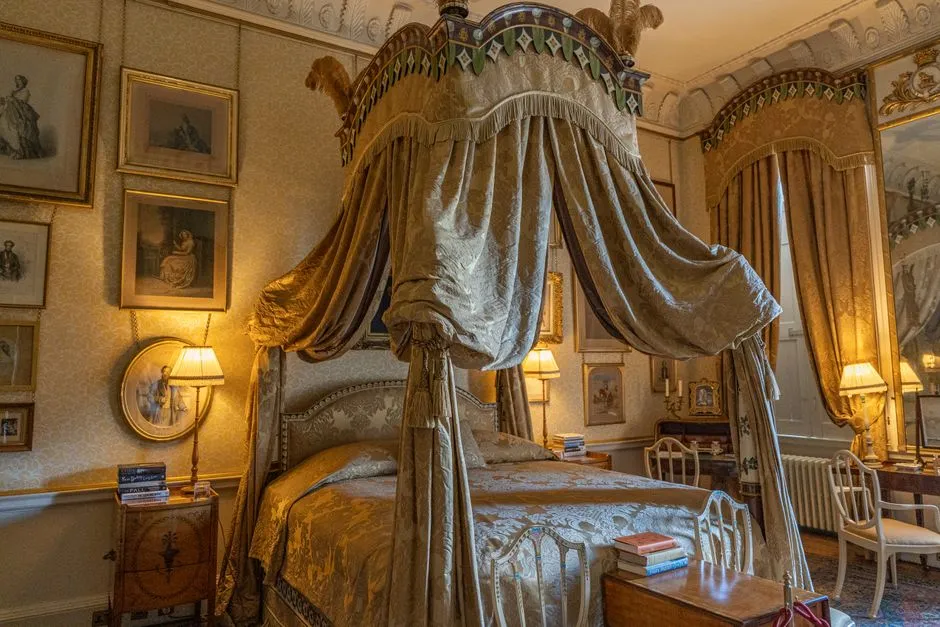
The Victorians also made good use of fabrics to stay snug, especially on those bitter winter nights when the house fires had gone out. In many homes, thick curtains, known as bed curtains, would surround the bed. The four-poster bed, often associated with grandeur, was really a practical thermal enclosure.
The reality was that most Victorians woke up to chilly floorboards after a night spent sleeping in upstairs bedrooms. Thus, cast iron or ceramic bed warmers were slipped under the covers, bed drapes or canopies were hung around the bed, and Victorian sleepers might wear a nightcap. The warmth they felt was largely self-generated and preserved by the fabric enclosure around them.
Wool Was the Material That Made It All Work
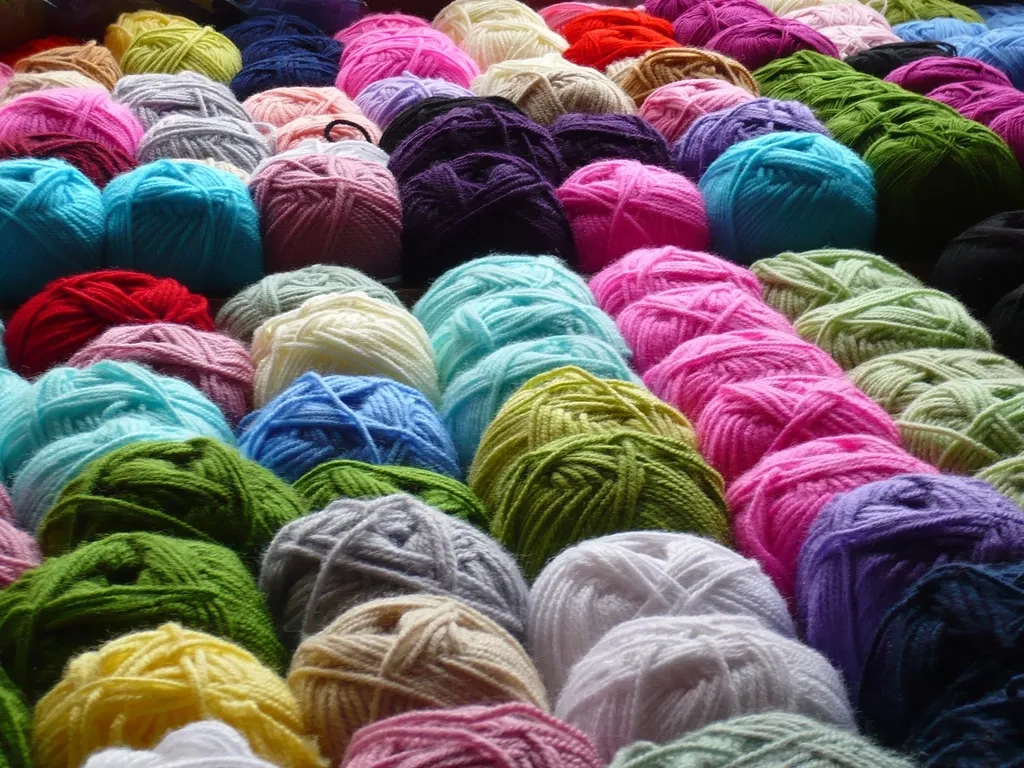
Tapestries can help insulate both sound and temperature, especially when hung on a wall. Tapestries are often made from heavy materials such as wool, which can effectively muffle sound and keep out drafts. Additionally, tapestries add a layer of fabric to a wall, which increases the area available for insulation.
Wool’s ability to trap air within its fibers makes it uniquely suited to warmth. It’s why it dominated vintage interiors in everything from carpet to upholstery to bed coverings. The same principle that kept people warm in medieval halls is now understood thermodynamically: dense, fibrous materials resist convective heat loss.
The Central Fireplace and How Furnishings Worked Around It
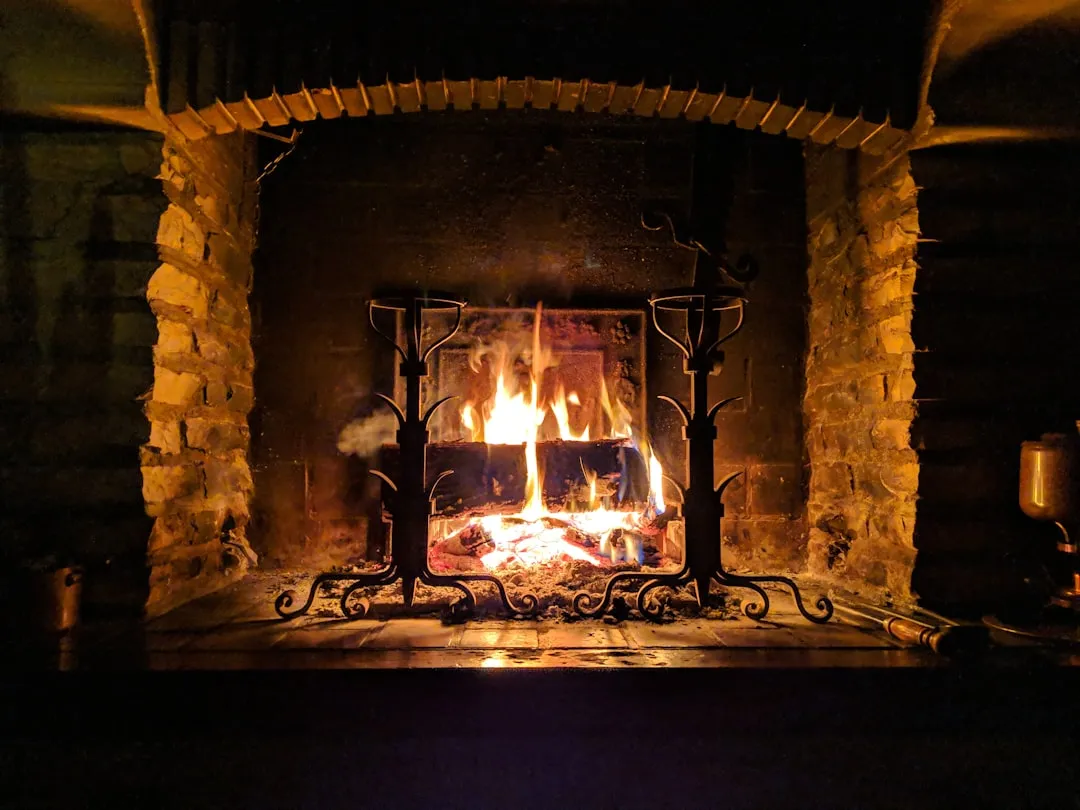
Fireplaces were well-used by the affluent classes for heating their homes, having an open fire in most, if not all, rooms of the house. In Stuart times, homeowners had to pay a hearth tax, a tax on each fireplace. Pitzhanger Manor in Ealing, for example, was taxed for 16 fireplaces in 1664.
Fireplaces are incredibly inefficient as a primary heat source. They pull heated air out of the home through the chimney, and only areas directly near the fire feel warm. This is precisely why textile layering became so important. Rugs, curtains, and wall hangings compensated for the uneven distribution of radiant heat, extending warmth across rooms that would otherwise stay cold at their perimeters.
Cast Iron Radiators and the Textiles That Worked With Them
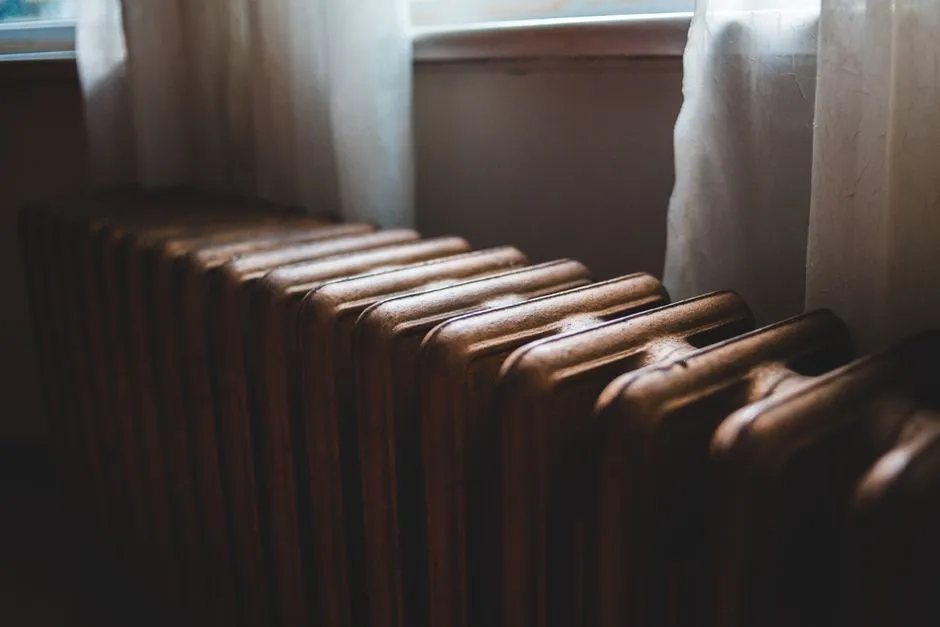
By the end of the 19th century, the invention of low-cost cast iron radiators brought central heating to American homes, with a coal-fired boiler in the basement that delivered hot water or steam to radiators in every room. This changed things, but it didn’t eliminate the layering habit.
Cast iron radiators may look old-fashioned, yet they hold heat and release it slowly, which matches older construction nicely. Vintage homeowners discovered that layering rugs and drapes alongside radiator heat worked better together than either alone, a combination that interior designers still recommend in period homes today.
Hot Water Bottles and Portable Warmth
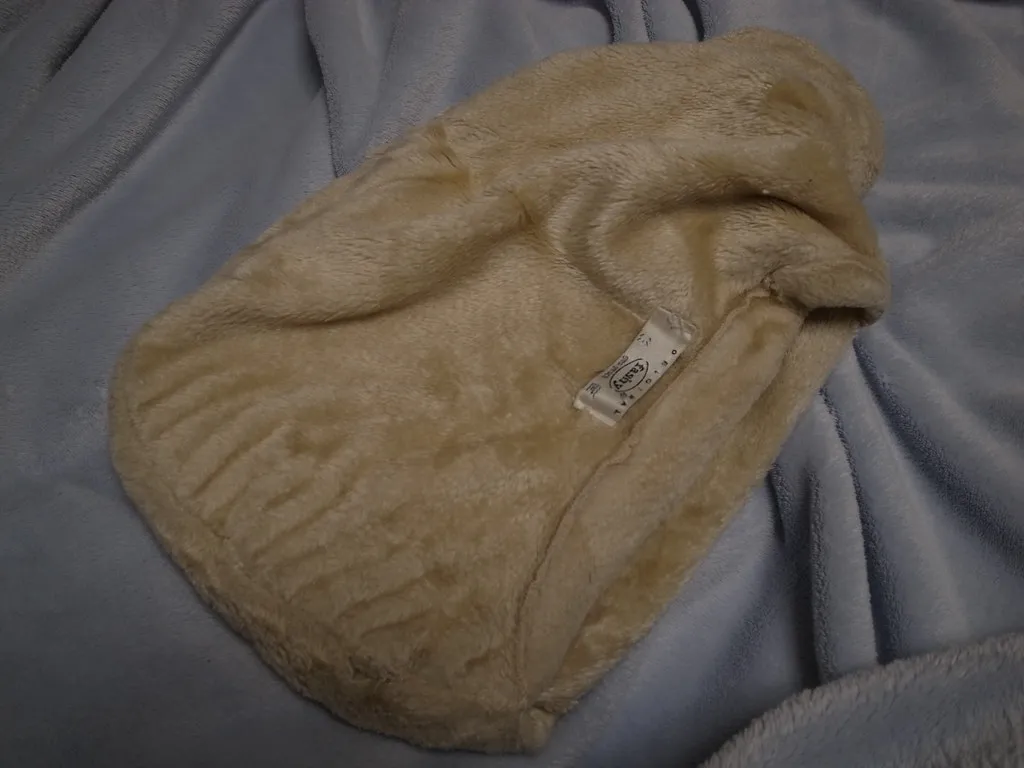
A safer and more portable option than coal bed warmers was the hot-water bed warmer. A classic for centuries, the hot-water bottle is a simple and effective way to keep warm at night. Before more modern rubber bottles were invented, most people used sturdy copper bottles instead. Copper is rustproof and an easy conductor of heat, and so was the natural metal for manufacturing hot-water bottles.
The hot water bottle was the layering habit made portable. It extended warmth beyond fixed fireplaces or radiators to wherever a person happened to be. It’s not coincidental that the hot water bottle has seen a quiet revival in recent years, recommended again for reducing overnight heating costs.
Why These Habits Still Hold Up in 2026
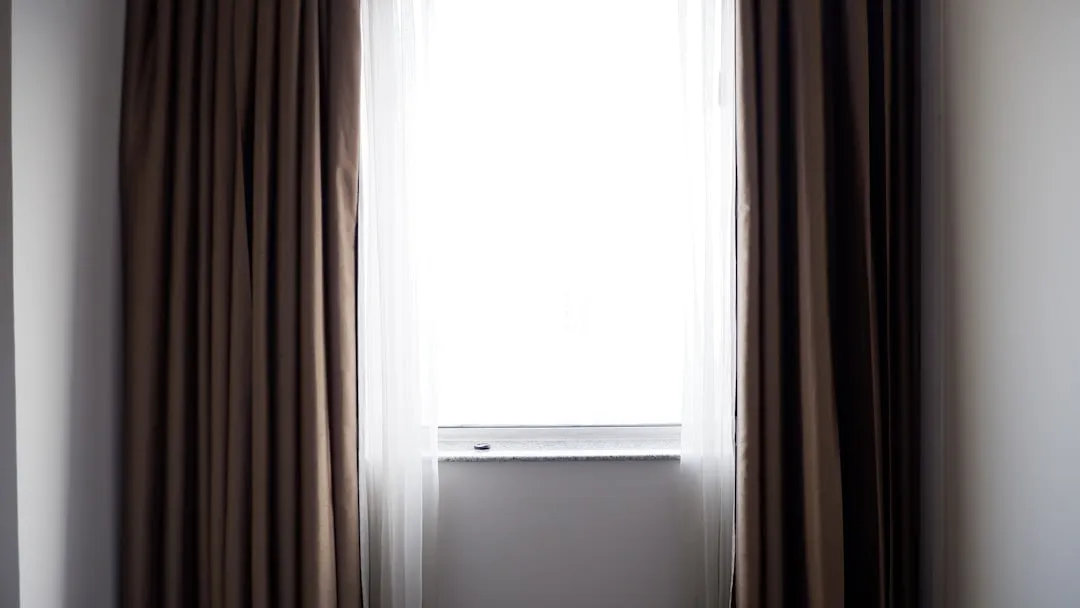
Multiple independent studies show that standard curtains provide only modest insulation, whereas properly designed and installed thermal curtains can deliver a substantially higher reduction in heat loss. Research comparing uncovered windows, standard drapes, and insulated curtains consistently finds that the biggest gains come from curtains that combine thermal linings with good coverage and minimal air leakage.
Mastering the art of textile layering transforms rooms from cold and flat to rich and welcoming. By combining comfort with creativity, you can design interiors that not only look polished but also invite you in to relax and stay awhile. The vintage habit never really left. It just got rebranded as interior design.
The Takeaway
There’s something quietly satisfying about realizing that the people who built and lived in older homes already understood what modern building science confirms. Fabric layered over floors, walls, and windows doesn’t just make a room look warmer. It actually is warmer.
The habit survived centuries because it worked. Rooms with layered rugs, heavy drapes, and upholstered furniture hold heat differently from bare ones. That difference is measurable, and it’s also something you feel the moment you step inside. In an era of rising energy costs and renewed interest in smarter, lower-impact homes, that old layering instinct is worth taking seriously again.
AI Disclaimer: This article was created with the assistance of AI tools and reviewed by a human editor.