

Most people associate the scent of a freshly mowed lawn with warm weekends, open air, and maybe a cold drink on the porch. It’s one of the most universally recognized smells in the world. What almost nobody stops to consider is that the grass producing it is in genuine distress – broadcasting a sophisticated chemical alarm that has been evolving for roughly 100 million years.
Researchers have uncovered intricate details about the sophisticated biochemical alarm systems that plants set off when wounded, and how insects found ways to manipulate those signals in an evolutionary arms race that dates back an estimated 100 million years. The scent isn’t pleasant by design. That part is purely coincidental, at least for us.
The Chemistry Behind the Scent

The smell of freshly cut grass is caused by green leaf volatiles (GLVs) released when the plant is damaged. Mechanical damage from activities such as lawnmowing results in the release of cis-3-hexenal and other compounds that contribute to that grassy, “green” smell.
The primary culprits behind the signature scent are a group of volatile organic compounds (VOCs) known collectively as Green Leaf Volatiles. These are oxygenated hydrocarbons, specifically aldehydes and alcohols containing six carbon atoms.
One chemical, Z-3-hexenal, gives off a fresh leafy aroma, while E-2-hexenal adds a sharper-smelling scent. These also help repel herbivores, suppress pathogens, and even attract predators that attack the insects feeding on the plant.
How Fast the Alarm Goes Off

GLV formation is tightly suppressed when plant tissues are intact, but upon mechanical wounding, herbivore attack, or abiotic stresses, GLVs are formed rapidly, within seconds or minutes. The speed of this reaction is remarkable for an organism with no nervous system.
These GLVs are synthesized via the lipoxygenase pathway, where enzymes in the damaged grass cells break down fatty acids like linolenic acid from cell membranes into smaller fragments, including aldehydes, alcohols, and esters that evaporate into the air.
It takes only one minute of exposure to GLV from cut grass clippings to activate mitogen-activated protein kinases in neighboring grass plants – a measure of just how urgent and fast this plant defense network operates.
A Signal Humans Can Detect at Almost Nothing
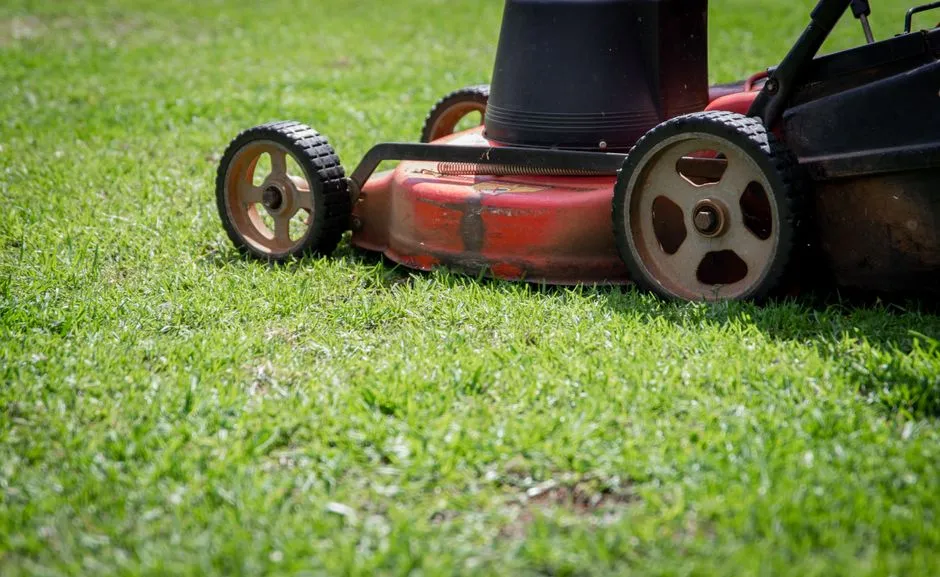
Cis-3-hexenal has a low odour detection threshold that humans can perceive at concentrations as low as 0.25 parts per billion. That’s a vanishingly small amount, which partly explains why the scent hits you so immediately and completely when you walk past a freshly mowed lawn.
The compound is highly unstable and breaks down into trans-2-hexenal, which may account for why the smell is said to fade rapidly. What you’re catching in those first few minutes after mowing is essentially the front edge of a biochemical cascade.
For the grass, this volatility is useful – an alarm that disperses quickly also fades quickly once the immediate threat has passed. For us, it’s one of the most fleeting and nostalgic sensory experiences imaginable.
The Lawn Mower Looks Like a Predator to Grass
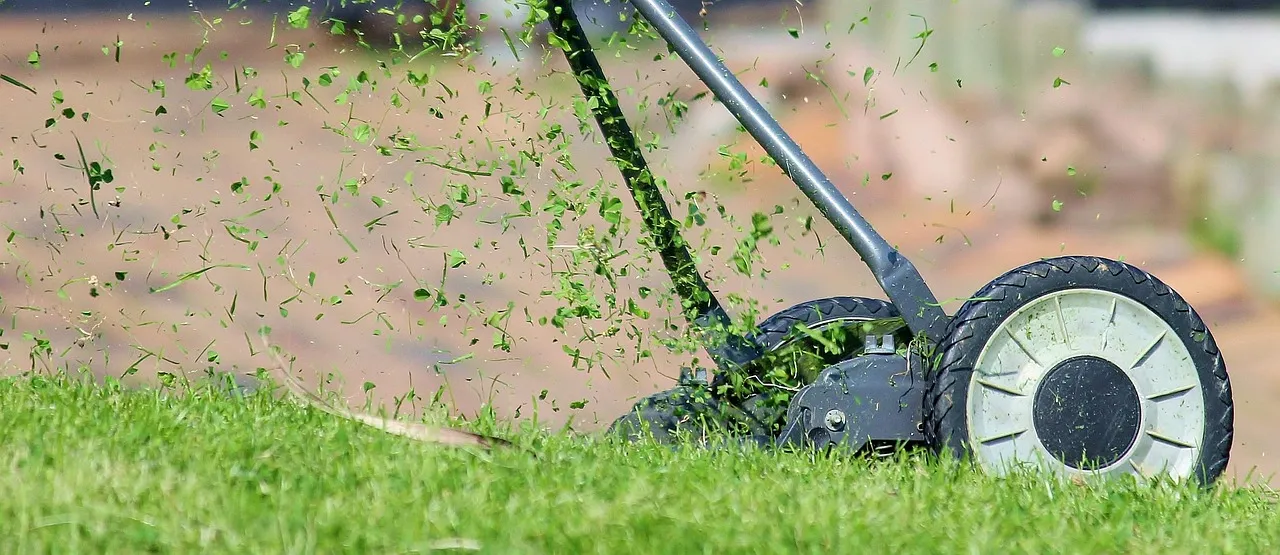
A lawn mower isn’t too different from a caterpillar chomping down on the grass, at least from the perspective of the grass itself. It releases the same chemicals it would if a caterpillar, or any other organism, chose to make a meal of it.
The trimming of its blades prompts grass to produce a dramatic emission of GLVs. That smell of fresh-cut grass is really a distress signal as the lawn sends out its chemical alarm.
The smell we associate with freshly cut grass isn’t the scent of healthy, intact blades. Instead, it’s the result of a rapid chemical release triggered by physical damage – in this case, the slicing action of lawnmower blades. The plant simply cannot distinguish between a blade of steel and a locust jaw.
Calling in Reinforcements: Parasitic Wasps
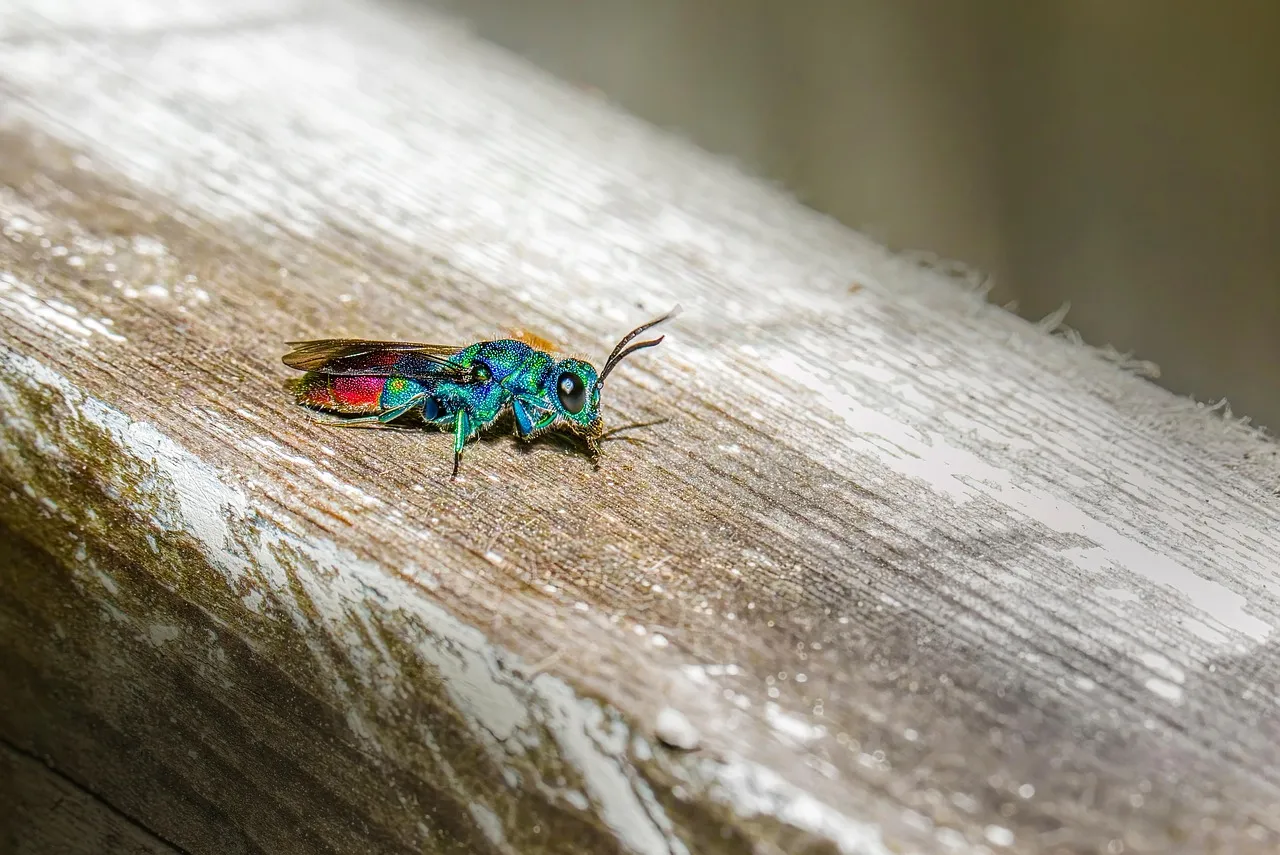
Research from Texas A&M University has shown that specific GLVs act as a homing beacon for parasitic wasps. These wasps are attracted to the scent of the injured plant, where they find and lay their eggs inside the caterpillars that are eating the grass, effectively neutralizing the threat through biological means.
To test how this functions during insect attacks, researchers used a mutant corn plant that could not produce the green leaf volatiles when cut or torn. That’s when they observed that the parasitic wasps didn’t pay attention to plants without the green leaf volatile.
Parasitic wasps that prey on caterpillars eating the grass can be drawn in by the specific blend of GLVs released by the damaged plant. The grass essentially summons bodyguards to deal with its attackers. It’s a remarkably precise rescue call, routed through chemistry rather than sound or motion.
Neighboring Plants Eavesdrop on the Signal

When a blade of grass – or any plant – suffers tissue damage, it releases a particular mixture of airborne chemicals to alert neighboring greenery of the incoming threat, which they can recognize and respond to by building up their defenses accordingly.
According to studies published in the journal Science, this triggers a defensive response in the healthy neighbors. They may begin moving nutrients away from their leaves or producing bitter chemicals to make themselves less appetizing to potential herbivores before the threat even reaches them.
Research on Arabidopsis plants showed that GLVs can trigger a response in receiver plants even with intermittent exposure, and the amount necessary to elicit a response is very low, in the range of 24 to 140 parts per trillion per each repetitive exposure. Plants are, in that sense, remarkably sensitive listeners.
The Enzyme That Fine-Tunes the Signal

Green leaf volatiles are six-carbon volatile organic compounds that mediate plant responses to environmental stresses. The quantity and composition of emitted GLVs can vary with stress type, allowing plants to fine-tune their volatile blends.
A key mechanism underlying this plasticity is the conversion of Z-3-hexenal to E-2-hexenal by the enzyme hexenal isomerase, which reshapes GLV profiles and may influence interactions across multiple levels of the food web.
Scientists homed in on this enzyme, which controls the balance of the GLVs released into the atmosphere. It can even manipulate these compounds, converting Z-3-hexenal into E-2-hexenal. This kind of molecular editing allows the plant to send different “messages” depending on the severity of the attack.
Insects Have Learned to Hack the Signal
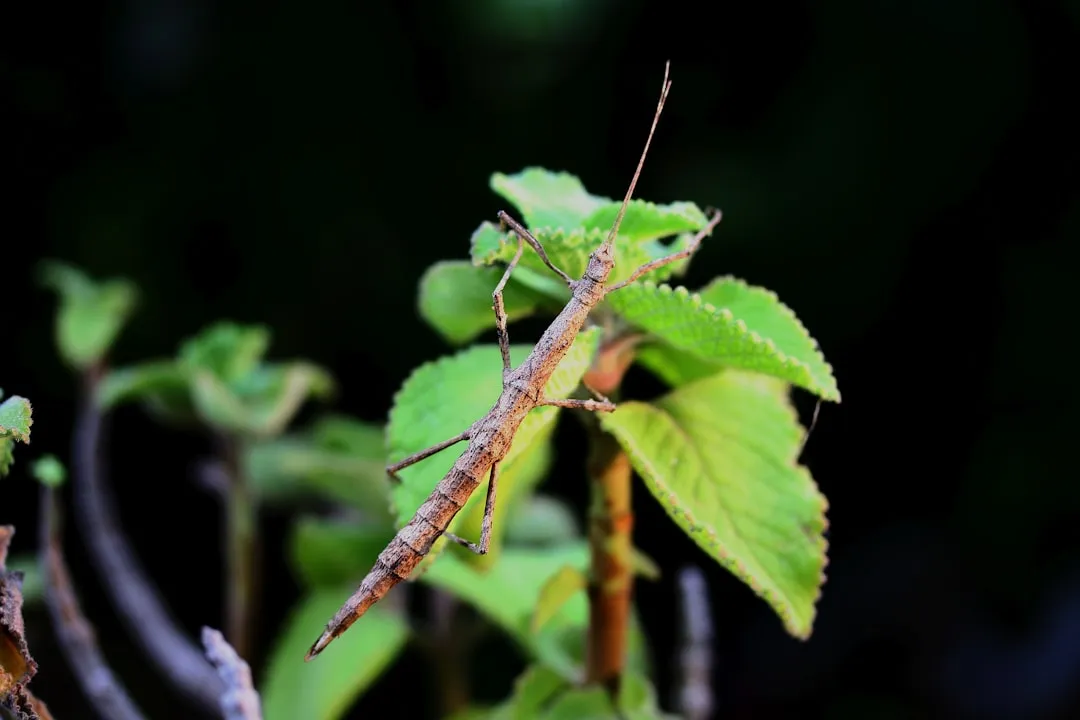
Previous studies have shown that oral secretions of the tobacco hornworm, introduced into plant wounds during feeding, can catalyze the re-arrangement of GLVs from Z-3- to E-2-isomers. This change in the volatile signal is bittersweet for the insect, as it can be used by their natural enemies as a prey location cue.
Phylogenetic and functional analyses across 34 Lepidoptera and 183 plant species show that hexenal isomerases found in Lepidoptera exhibit functional convergence with those found in plants, despite having evolved independently from unrelated enzyme families. In other words, both plants and their insect attackers evolved similar molecular tools, arriving at the same solution from entirely different starting points.
This is an ongoing evolutionary chess match, with each side quietly developing new counter-moves across millions of years. The smell you enjoy on a summer afternoon is just the sound of the latest round.
GLVs Also Help the Plant Heal Itself
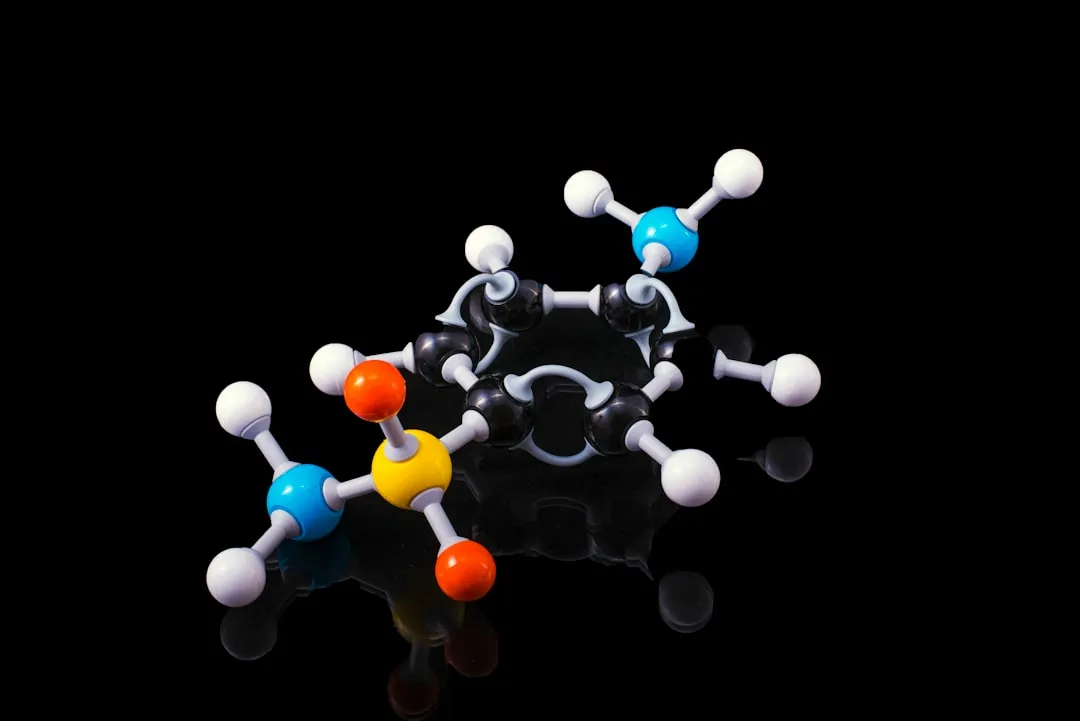
Researchers believe that plants give off a burst of these volatile organic compounds as an antimicrobial defense to protect the wounded leaf from pathogen attack. A compound called traumatic acid is triggered and signals the plant to make more cells to cover up or close the wound.
Some of these chemicals are signaling molecules inside the plant. Jasmonic acid and salicylic acid, for example, help the plant synthesize compounds that make it less appetizing or defend against fungal and bacterial infections.
Jasmonic acid is a plant growth regulator involved in the signaling mechanisms for a variety of conditions including plant defense, wound healing, tuberization, fruit ripening, and senescence. It’s far more than just a warning signal – it’s part of the plant’s internal recovery protocol.
Agricultural Science Is Paying Close Attention
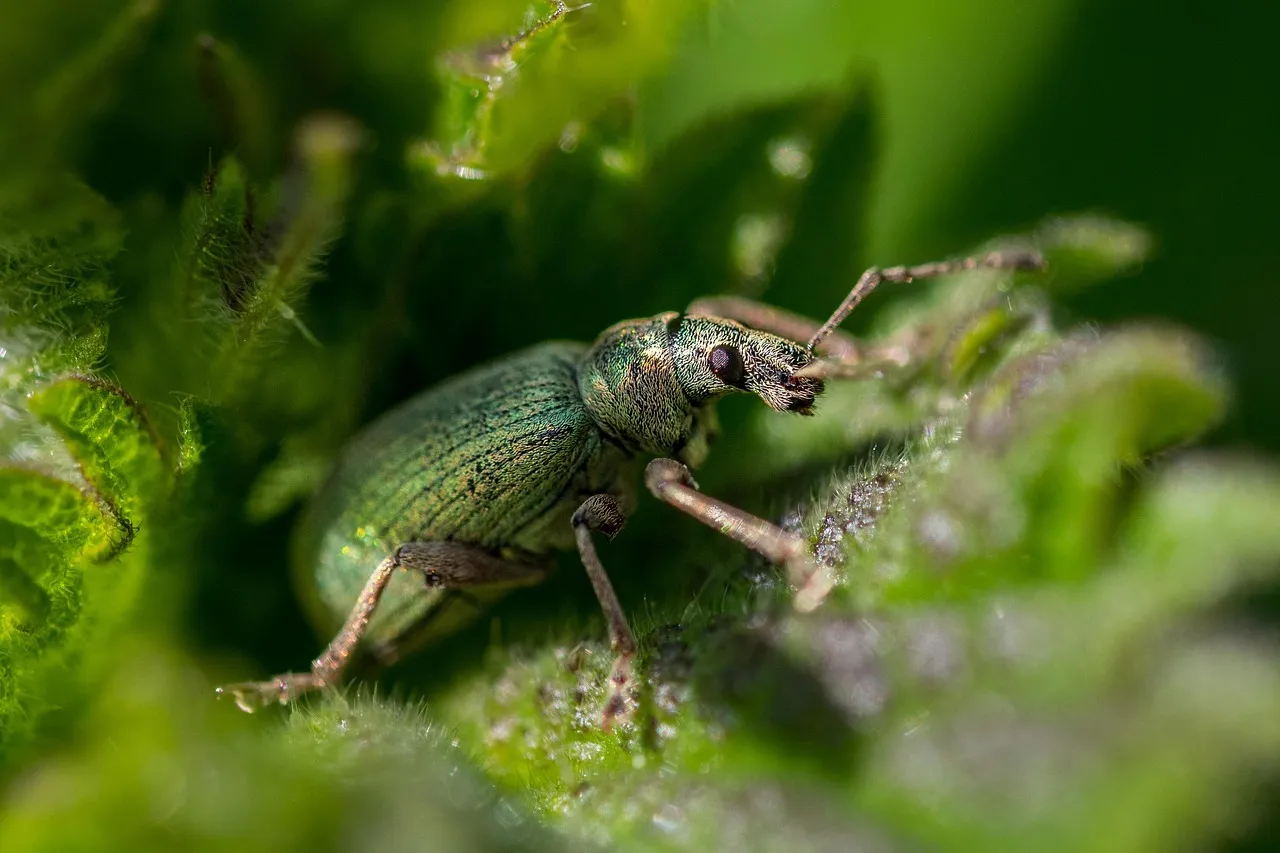
Understanding this natural warning system could revolutionize pest control in agriculture, potentially reducing the need for harmful pesticides. That’s not a small ambition. Global agriculture currently relies heavily on synthetic chemical inputs, many of which carry significant environmental costs.
Plants emit green leaf volatiles in response to damage and facilitate plant-to-plant communication by alerting neighboring plants to possible insect herbivory. Plants exposed to GLVs upregulate jasmonic acid and downstream chemical defenses against herbivorous insects, leading to increased resiliency against insect attack.
Exposure to GLVs leads to the activation of certain defense-related genes in plants, suggesting that they perceive these volatiles as danger signals. This gene activation could be a crucial step in natural plant defense mechanisms against herbivores. The research opens up possibilities for using GLVs in agricultural pest control, potentially reducing reliance on chemical pesticides. Breeding crops that signal more effectively – or respond to signals more readily – is a genuinely promising direction.
The Quiet Intelligence of Plants
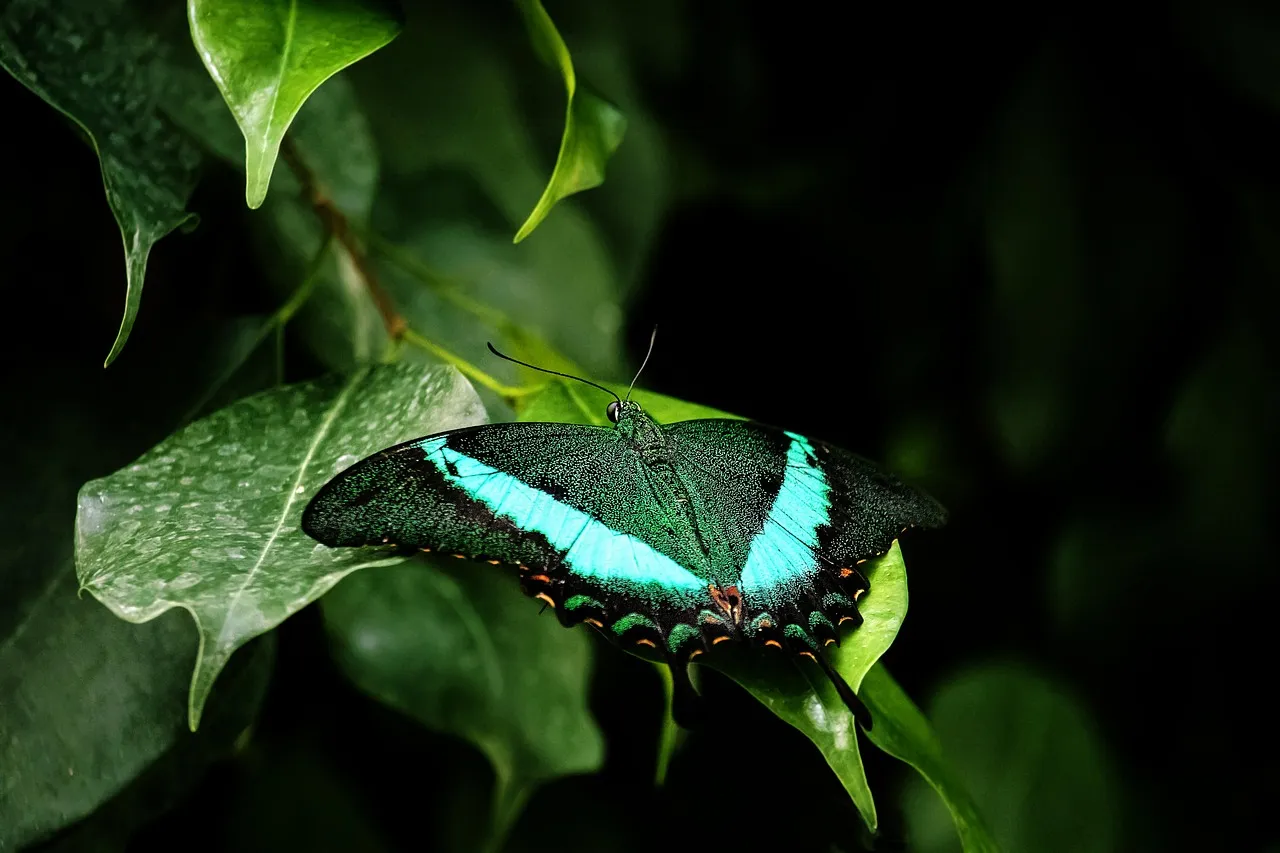
Plants are not static objects but active participants in a complex, invisible dialogue. This chemical signaling highlights the evolutionary ingenuity of organisms that cannot run away from danger. Instead of fleeing, they use chemistry to heal, warn their kin, and call for reinforcements.
This sort of chemical power is critical for a sessile organism that can’t just pull up its roots and relocate away from a threat. Without legs, teeth, or a voice, grass does something arguably more elegant: it talks in molecules.
Because GLV formation in the natural environment is roughly related to the degree of stress in the plant’s life, sensing the amount of GLVs in the atmosphere might allow plants to recognize their surroundings. That’s a form of environmental awareness, however different from our own it might be.
The Takeaway

There’s something oddly moving about this piece of science. A smell that triggers nostalgia and ease in humans is, at the same time, a cry for help in the organism producing it. The grass doesn’t know you find it pleasant. It’s simply doing what 100 million years of evolution trained it to do: fight back, warn others, and survive.
Next time you catch that sharp green wave drifting across the yard after a mow, you’re not just smelling summer. You are sensing a sophisticated biological alarm system. While the scent remains a pleasant hallmark of the outdoors for us, for the grass, it is a high-stakes effort to survive in a world of constant threats.
The gap between what we perceive and what is actually happening in nature is often vast. Freshly cut grass is one of the most vivid reminders of that distance – and one of the most fragrant.
AI Disclaimer: This article was created with the assistance of AI tools and reviewed by a human editor.