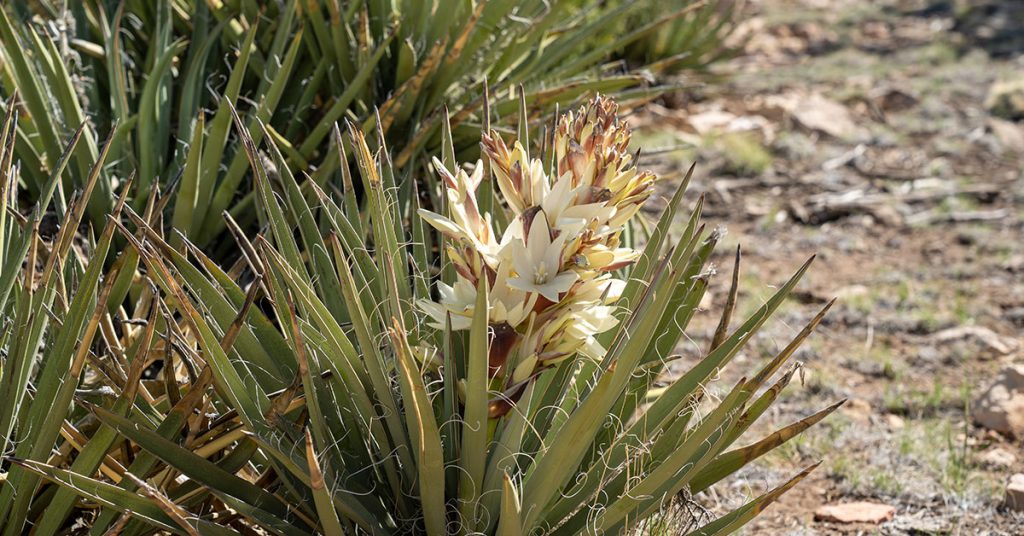
One of my favorite plants to include in a sunny border is the yucca, a striking genus native to the arid regions of the Americas, from the southwestern United States down into Central America. Their sword-like leaves and architectural flower spikes aren’t just eye-catching—they create a haven for specialized pollinators like the yucca moth, which...
Gardening Tips
Having a garden is a key aspect of a sustainable lifestyle. When you go to the grocery store to buy produce like fruits and vegetables, as well as eggs, each of those items comes with a carbon footprint and other environmental complications. Unfortunately, a lot of industrial-level farming practices aren’t good for the environment and they aren’t sustainable either. Growing your own fruits and vegetables reduces the negative impact that industrial farming has.
We are strong proponents of living a sustainable lifestyle, both by having a garden and by making environmentally friendly choices that put you on a more sustainable path. That includes using less single-use plastic, conserving energy and water, gardening using organic methods, avoiding synthetic chemicals inside and outside of the home, driving less, living off the grid, and other sustainable efforts.
Sustainable living isn’t just good for the planet but it’s good for you too. Often times, living sustainably means simplifying your life – you get more out of life with less. Sustainable living helps avoid unnecessary consumerism, save money, save the earth, and save your sanity all along the way.
Our gardening tips will help guide you to a greener lifestyle that benefits the planet, your pocket, your community, and yourself too. If all of us did just a little bit to be more sustainable, we could have a massive positive impact and change our world.
So let’s explore these gardening tips together and work toward a greener future for our kids and grandkids.
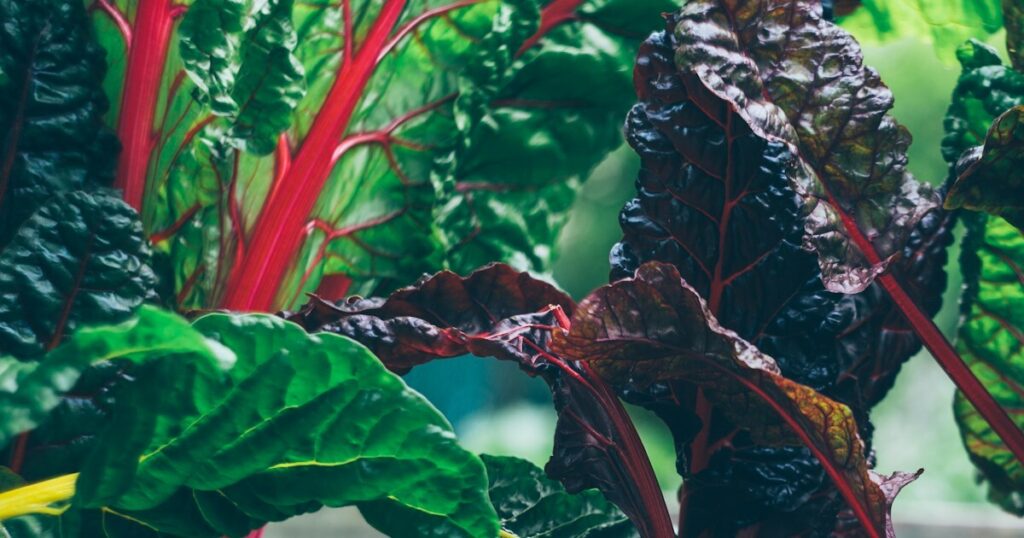
Growing Swiss chard (Beta vulgaris var. cicla), native to the Mediterranean, is one of my favorite ways to add lush greens—and a pop of color—to the vegetable patch. This hearty biennial, not considered invasive, will bounce back through multiple harvests if treated right. Yet it’s such a bummer when a few missteps leave your crop...
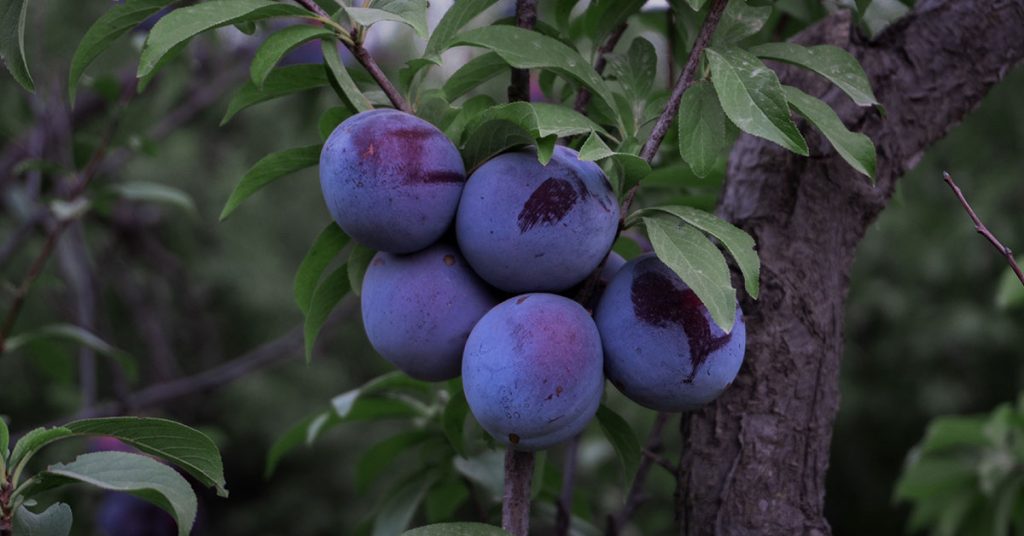
One of my favorite fruit trees to nurture is the plum (Prunus domestica), a species native to China and Central Asia that’s been delighting gardens across the world for centuries. From its delicate spring blossoms that tempt pollinating bees and early-nesting birds to its succulent summer fruit, a healthy plum tree is a true showstopper....
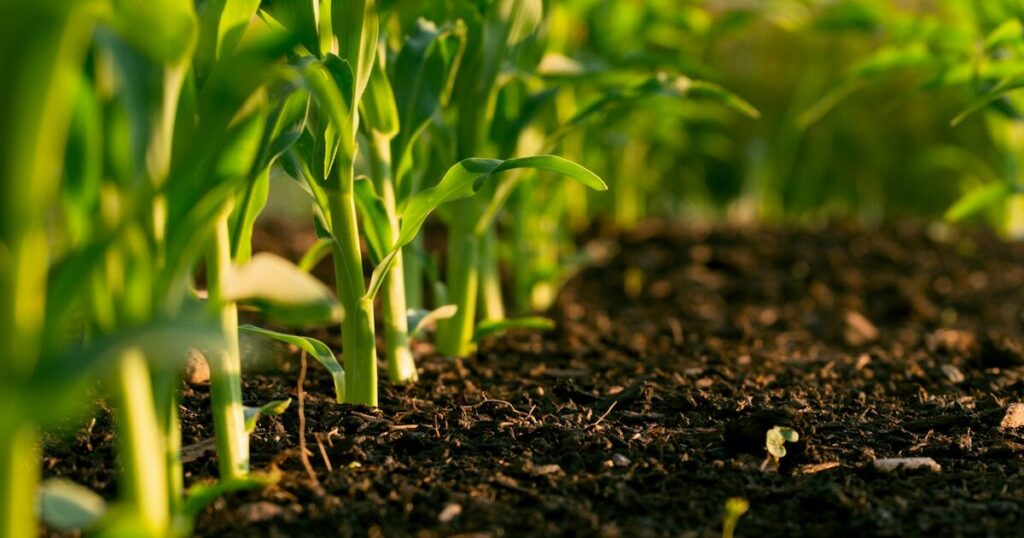
There’s nothing more disheartening than spending hours tending to your plants only to find them looking lackluster. Even the hardiest perennials—from native coneflowers that support local butterflies to vigorous invasives like Japanese knotweed—rely on a balanced soil diet to thrive. When the soil’s nutrients are depleted, plants signal distress in a dozen subtle and not-so-subtle...
One of my favorite plants to grow is the fig tree (Ficus carica), native to the sun-drenched Mediterranean and cherished for centuries for its sweet, pulpy fruits. Growing in a pot is fantastic for getting started—especially if you live where winters dip below freezing—but eventually your fig will outgrow its container. When you start noticing...
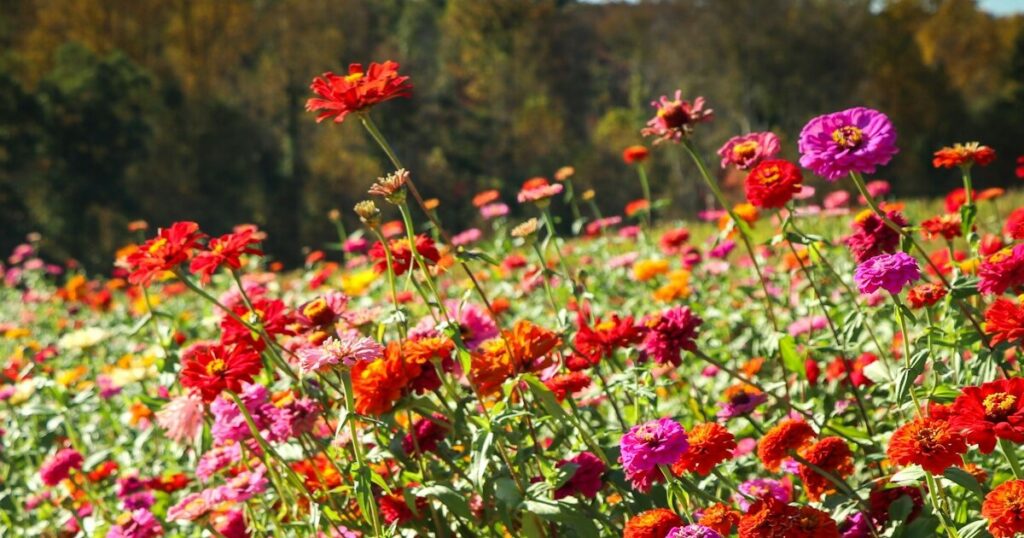
Zinnias are some of my favorite annuals—they burst into color with bold, daisy-like blooms that practically demand attention! Native to Mexico and Central America, these sun-loving beauties thrive in well-drained soil and full sun, and they’re remarkably low-maintenance. Yet, I know how frustrating it can be when your garden feels a little one-note, with zinnias...
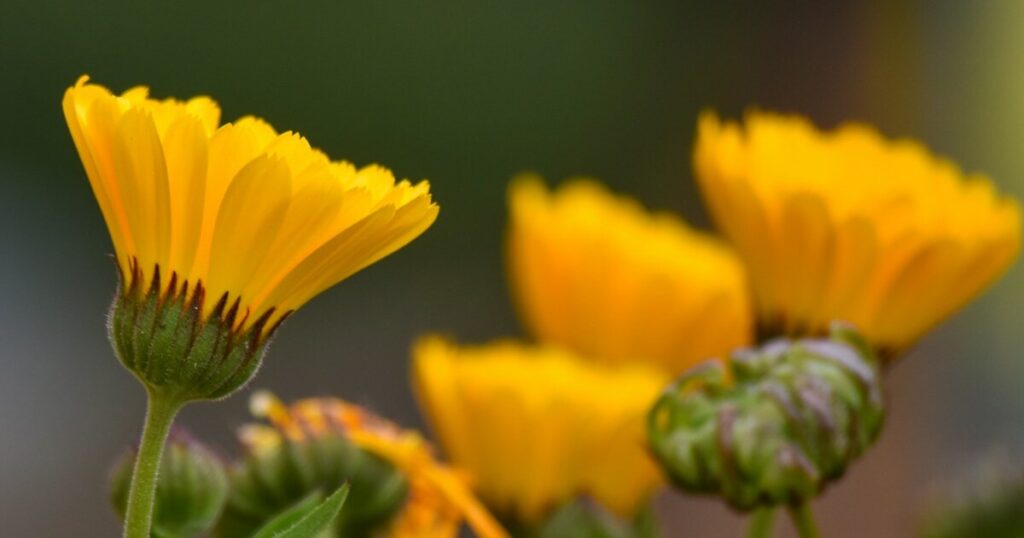
Growing calendula in your garden feels like welcoming a burst of sunshine—those cheerful orange and yellow blooms brighten beds and containers alike! One of my favorite things about calendula (Calendula officinalis) is how versatile it is as a companion plant. Native to the Mediterranean region, calendula isn’t considered invasive in most climates, yet it offers...
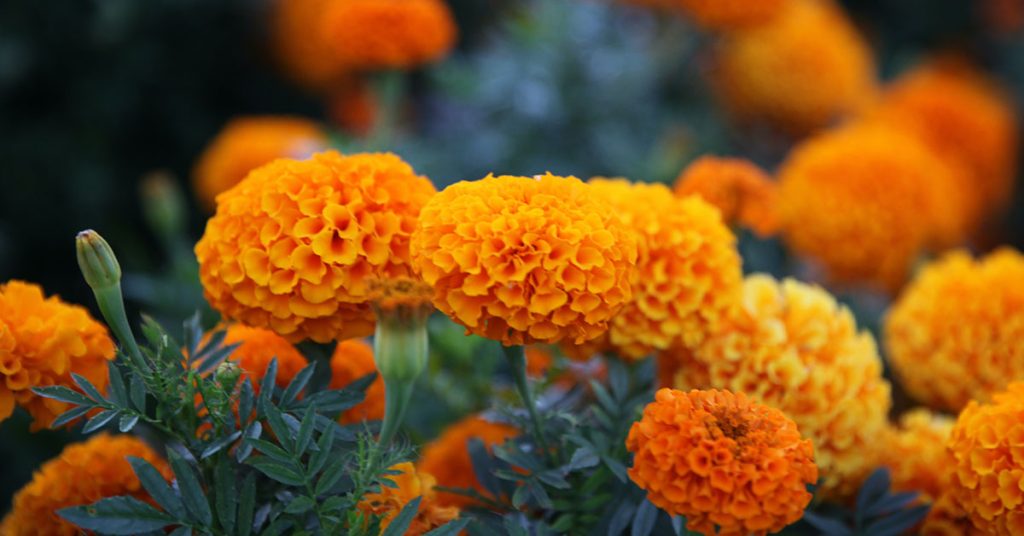
Marigolds are such cheerful companions for your entryway—those golden-orange pom-pom blooms practically sing “welcome!” each time you approach your front door. Yet, I know how tempting it can be to overlook these unassuming annuals in favor of flashier perennials. Over the years, I’ve discovered that marigolds (Tagetes spp.), native to the Americas and naturalized worldwide,...
Hibiscus are such showstoppers in any garden—their oversized, tropical flowers instantly lift your spirits with vibrant reds, pinks, yellows, and whites! Yet I know exactly how frustrating it can be when your hibiscus produces only a handful of blooms or worse, none at all. Over the years, I’ve wrestled with leggy plants, powdery mildew outbreaks,...
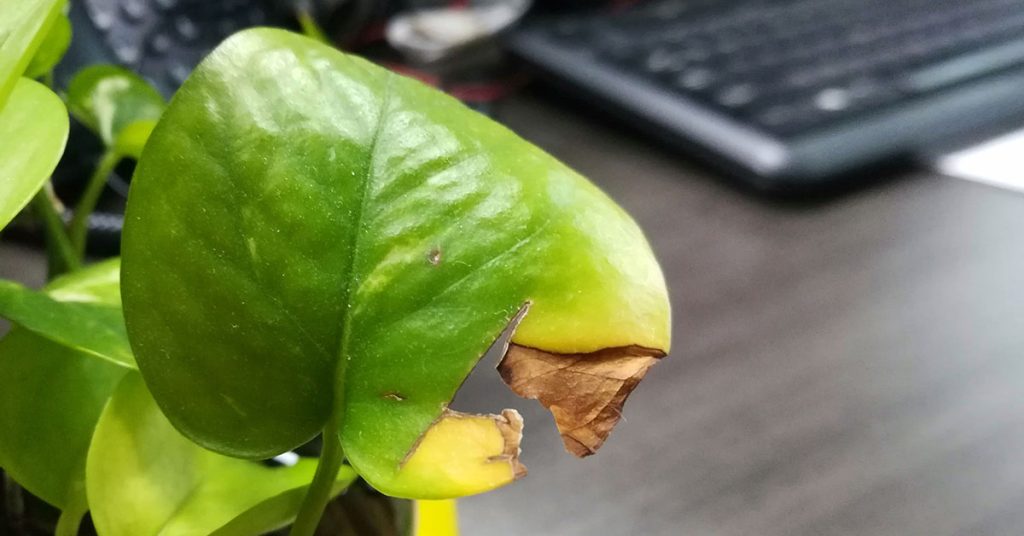
Pothos (Epipremnum aureum) are such dependable houseplants—those glossy, heart-shaped leaves cascading from a hanging basket or climbing a moss pole add instant life to any indoor space! Yet I know how deflating it can be when your once-vibrant pothos starts showing distress signals: drooping vines, discolored foliage, or slow growth that leaves you wondering what...
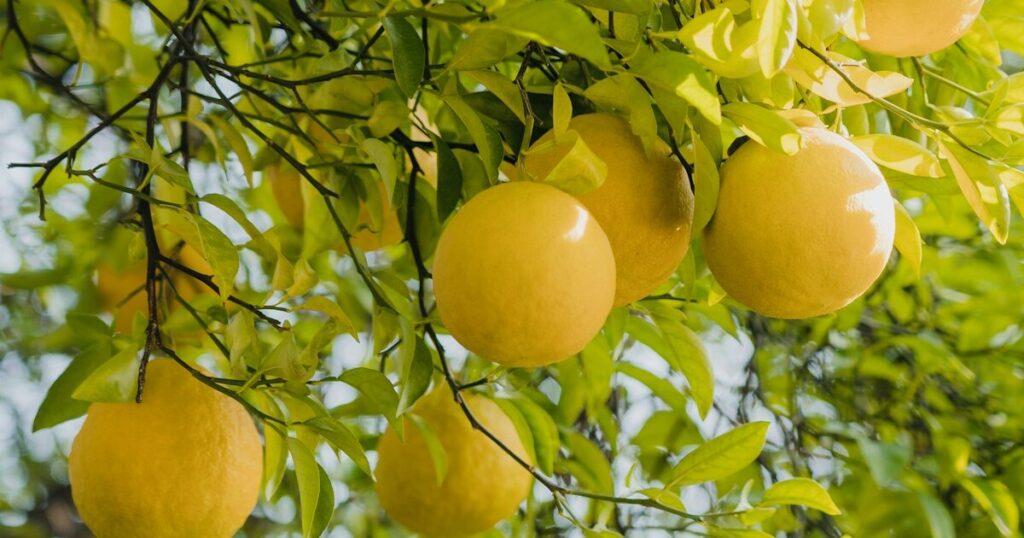
Grapefruits are such showstoppers in the citrus family—their bright, tangy flavor and impressive size feel like a gourmet treat straight from your own backyard! Yet, I know how deflating it is to watch blossoms set tiny fruit that never seem to swell, or to find half your crop dropped before ripening. Over the years, I’ve...
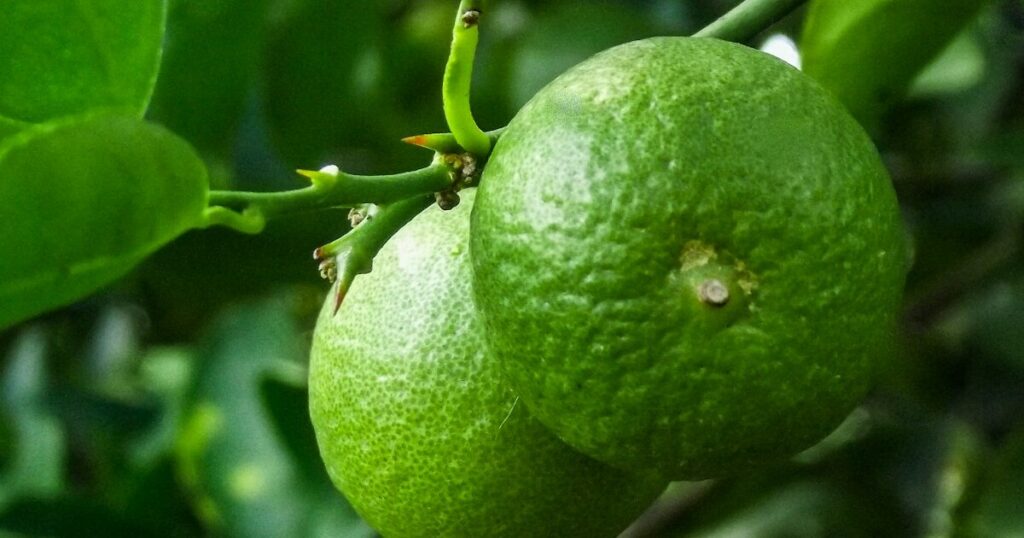
Limes are such a delight in the garden—those zesty fruits fresh off the branch can elevate any dish or cocktail to gourmet status! Yet, I know how frustrating it is when your lime tree flowers profusely but never sets fruit, or when tiny limes drop before they swell. Over the years, I’ve learned that growing...