Gardening Tips

Having a garden is a key aspect of a sustainable lifestyle. When you go to the grocery store to buy produce like fruits and vegetables, as well as eggs, each of those items comes with a carbon footprint and other environmental complications. Unfortunately, a lot of industrial-level farming practices aren’t good for the environment and they aren’t sustainable either. Growing your own fruits and vegetables reduces the negative impact that industrial farming has.
We are strong proponents of living a sustainable lifestyle, both by having a garden and by making environmentally friendly choices that put you on a more sustainable path. That includes using less single-use plastic, conserving energy and water, gardening using organic methods, avoiding synthetic chemicals inside and outside of the home, driving less, living off the grid, and other sustainable efforts.

Sustainable living isn’t just good for the planet but it’s good for you too. Often times, living sustainably means simplifying your life – you get more out of life with less. Sustainable living helps avoid unnecessary consumerism, save money, save the earth, and save your sanity all along the way.

Our gardening tips will help guide you to a greener lifestyle that benefits the planet, your pocket, your community, and yourself too. If all of us did just a little bit to be more sustainable, we could have a massive positive impact and change our world.

So let’s explore these gardening tips together and work toward a greener future for our kids and grandkids.

5 min read Flowers And Houseplants

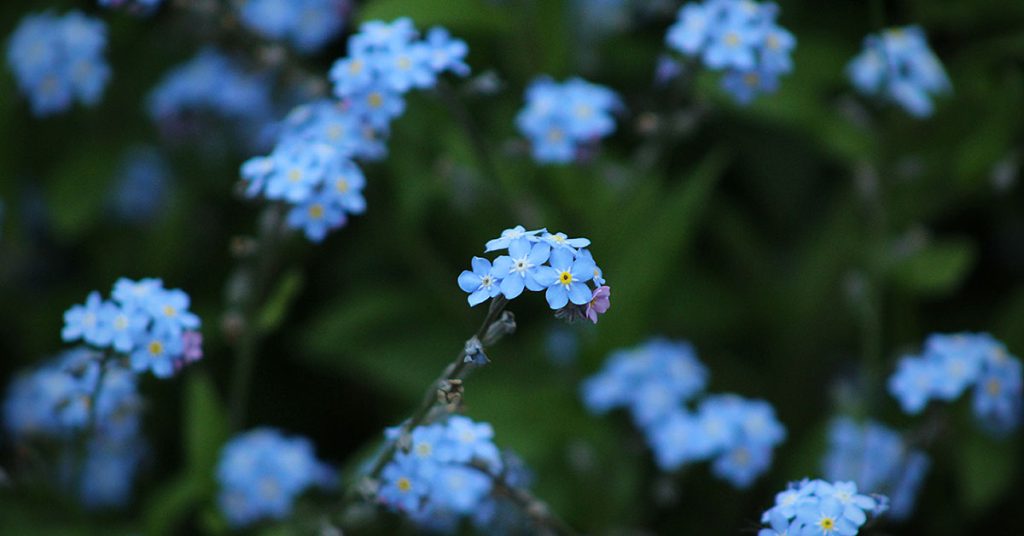
Periwinkle (Vinca minor and Vinca major), native to the woodlands of Europe and the Mediterranean, is prized for its glossy evergreen foliage and cheerful, star-shaped blooms. Although some varieties can naturalize aggressively in moist, shaded areas—becoming invasive in parts of North America—keeping them contained in defined beds or containers helps you enjoy their low-maintenance charm...

5 min read Flowers And Houseplants

Monsteras (Monstera deliciosa), native to the tropical rainforests of southern Mexico through Panama, are celebrated for their dramatic, fenestrated leaves and ease of care. While they’re not generally invasive, in regions with year-round warmth and humidity they can naturalize if left unchecked. One of my favorite houseplants, I’m always amazed by how its aerial roots...

5 min read Flowers And Houseplants

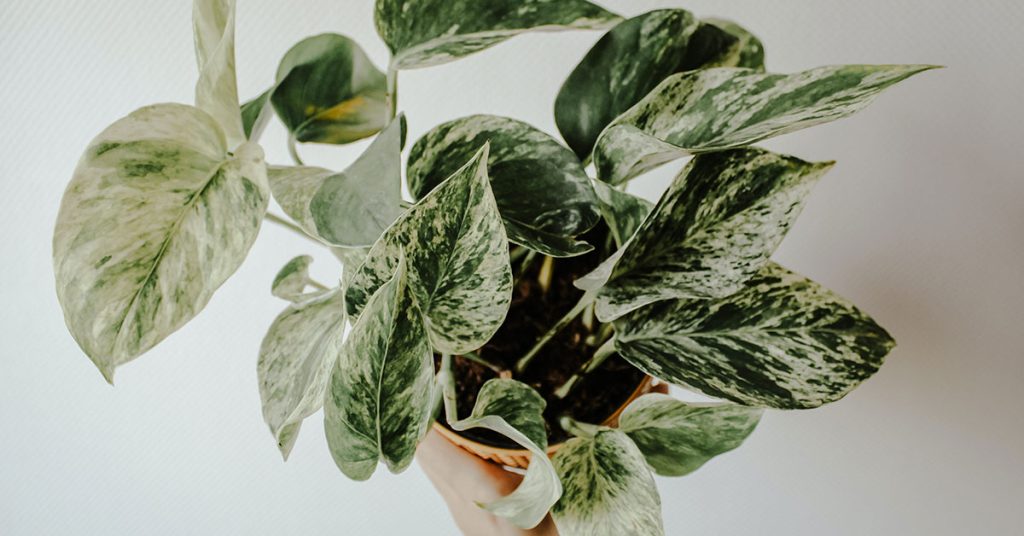
There’s nothing quite like watching a pothos (Epipremnum aureum) cascade its glossy heart-shaped leaves from a hanging basket or climb a moss pole—no wonder one of my favorite houseplants has graced windowsills worldwide! Native to the lush forests of Moʻorea in French Polynesia, pothos thrives in well-draining mixes and bright, indirect light. In its natural...

5 min read Flowers And Houseplants

Jade plants (Crassula ovata), native to the dry regions of South Africa and Mozambique, are beloved for their plump, glossy leaves and easy-going nature. Despite their hardy reputation—and the fact that they’re not considered invasive—these succulents can surprisingly be quite finicky. One of my favorite succulents to share with friends, I’ve seen even the most...

6 min read Gardening Tips

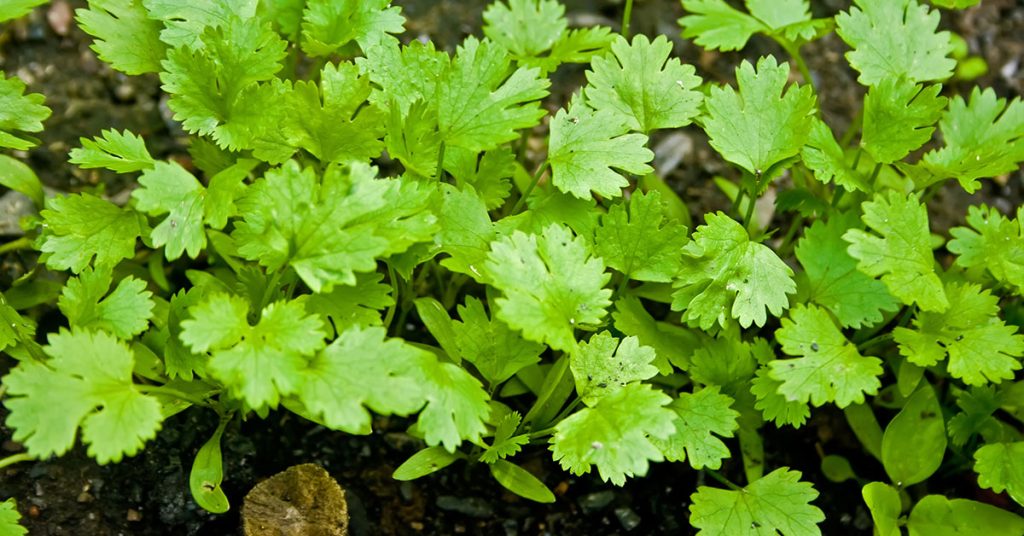
Growing cilantro (Coriandrum sativum), native to the Mediterranean and southwestern Asia, can feel like catching lightning in a bottle—one minute you have tender, lacy leaves, the next it surges into bloom! While cilantro isn’t truly invasive, it self-seeds readily, popping up in spots long after you’ve forgotten where you planted it. I’ve learned the hard...

6 min read Gardening Tips

Nothing beats the welcome of fresh herbs greeting you at the threshold—imagine snipping fragrant basil for dinner or brushing past mint leaves that release a cool, uplifting scent! Placing herbs by your front door not only offers kitchen convenience but also creates a sensory delight for visitors and passersby. Plus, many herbs are magnets for...

6 min read Fruits And Vegetables

Getting your onions off to the right start—and keeping them thriving all season—can feel like a balancing act. Onions (Allium cepa), native to the mountainous regions of Central Asia, have been cultivated for millennia and, while they’re not generally invasive, they share a lineage with wild Allium species that can pop up in unexpected corners...

6 min read Fruits And Vegetables

Bok choy (Brassica rapa subsp. chinensis) is a cool-season treasure, prized for its crisp white stems and tender green leaves that elevate stir-fries, soups, and salads alike! Native to the river valleys of Yunnan, China, bok choy has adapted worldwide without becoming invasive in most home gardens. Its rapid growth cycle and attractive rosettes also...

7 min read Fruits And Vegetables

Microgreens—those tender, nutrient-packed seedlings of vegetables and herbs—have taken the culinary world by storm! Originating from the same diverse family of plants as full-grown lettuces, kale, radishes, and peas, these miniature greens trace their lineage back to centuries-old sprouting traditions in Asia and Europe. In a controlled indoor or sheltered outdoor setting, microgreens aren’t invasive,...