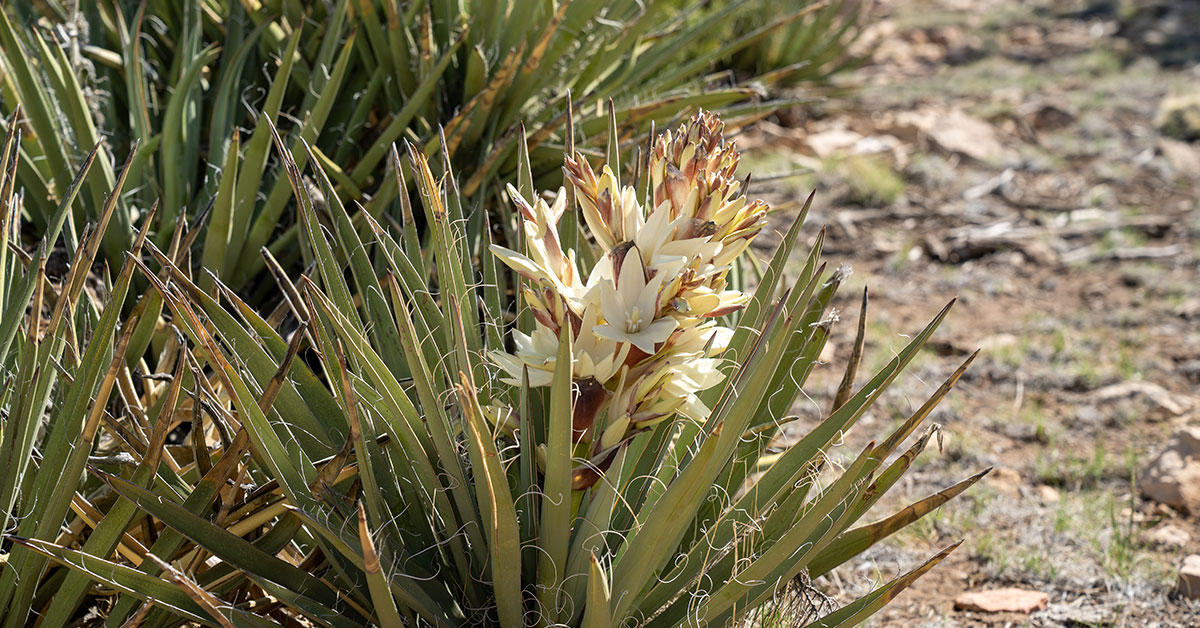

One of my favorite plants to include in a sunny border is the yucca, a striking genus native to the arid regions of the Americas, from the southwestern United States down into Central America. Their sword-like leaves and architectural flower spikes aren’t just eye-catching—they create a haven for specialized pollinators like the yucca moth, which coexists in a remarkable, mutually beneficial relationship! Yet even these hardy specimens need a bit of guidance in cultivation to truly shine in a garden setting.
I know how frustrating it is to plant something so resilient only to see it sulk in soggy soil or fail to bloom. Whether you’re aiming for the cold-hardy Yucca filamentosa or the dramatic, towering Yucca gigantea, these ten tips will help you avoid common pitfalls, respect their native preferences, and enjoy a yucca garden that thrives year after year.
Ensure Well-Draining Soil

Yuccas evolved in sandy, rocky substrates that shed excess water quickly. Planting them in heavy clay or compacted garden beds often leads to root rot and yellowing leaves—it’s such a bummer when a once-vigorous clump collapses from oversaturation!
Amend clay soils with coarse sand, gravel, or perlite to recreate their native conditions, and consider raised beds if your site tends to stay wet. Proper drainage encourages roots to delve deep, anchoring the plant firmly and inviting beneficial soil fauna like predatory ground beetles that patrol for slugs and other pests.
Provide Full Sun Exposure

These desert-adapted plants crave at least six to eight hours of direct sunlight daily. In too much shade, growth becomes leggy, and flower stalks may fail to develop. I once tucked a yucca under the eaves to “give it some protection” only to watch its bloom spike shrivel before opening!
A sunny southwestern or southern exposure lets yuccas channel energy into robust flowering, and the bright light helps foliage maintain its crisp, blue-green hue. Plus, sunlit leaves warm quickly in the morning, drying dew and reducing fungal risks—keeping your yucca looking pristine.
Avoid Overwatering
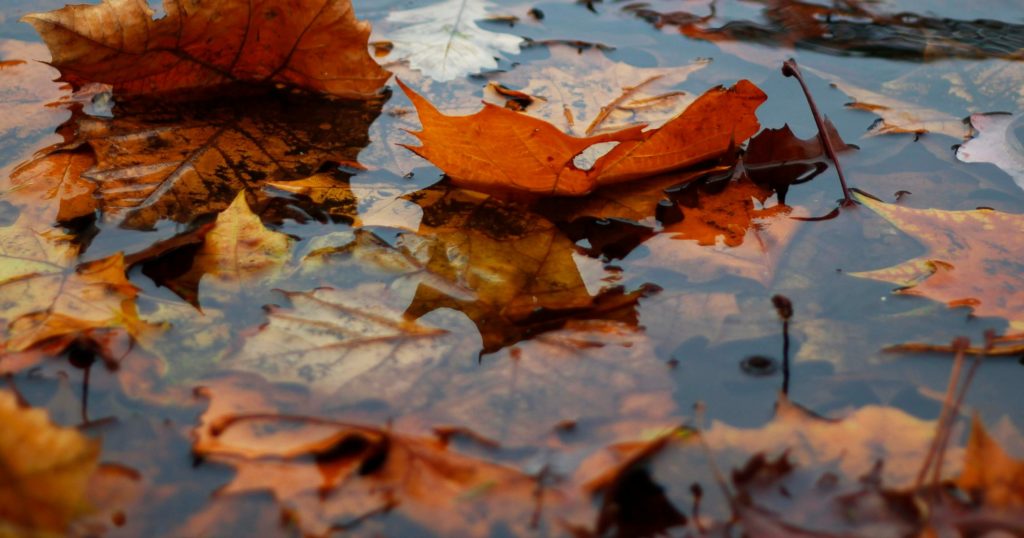
While occasional deep soaking during prolonged drought helps establish young plants, yuccas are adapted to long dry spells. Waterlogged roots quickly succumb to fungal pathogens, and you’ll find lower leaves turning brown and mushy—always a discouraging sight!
After the first season, reduce supplemental irrigation and rely on natural rainfall. In truly arid climates, a monthly watering during peak summer heat is more than enough. This dry regimen promotes strong fibrous roots and deters cold-weather rot by keeping tissue firm and healthy.
Select the Right Yucca Species for Your Climate
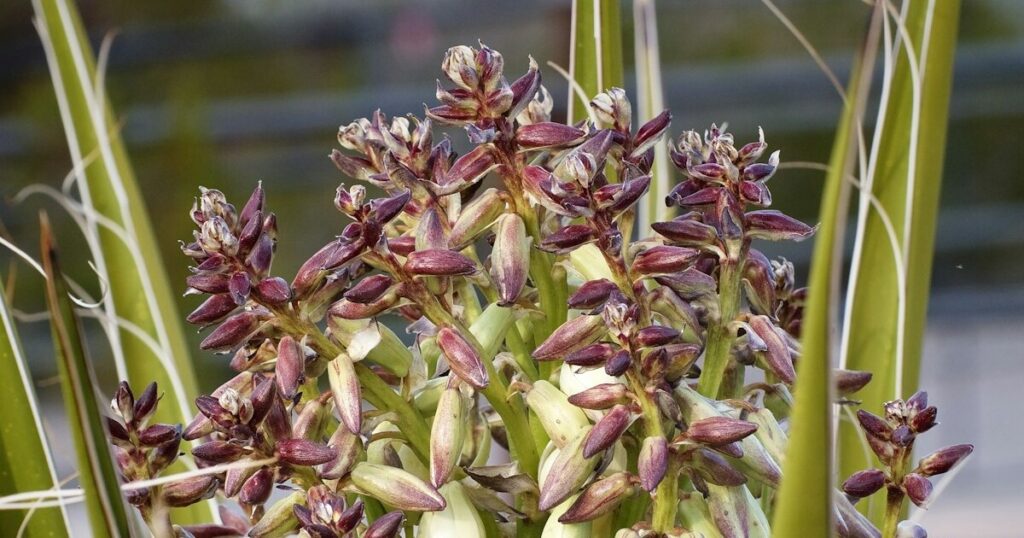
With over 40 species, yuccas range from cold-hardy filamentosas to frost-sensitive species like Yucca schidigera. Planting the wrong type can lead to winter dieback or summer scorch. I once planted a tender yucca in zone 6 without protection—and learned that lesson the hard way!
Research species’ USDA hardiness ratings and native ranges before purchase. Cold-tough varieties will tolerate snow and ice, while tropical types may need overwintering indoors or under frost cloth. Choosing wisely prevents heartbreak and keeps your garden looking sharp all year.
Plant with Proper Spacing

Yuccas often form clumping offshoots or “pups” over time. Crowding multiple plants too close can lead to competition for water and nutrients, resulting in lanky growth or smaller blooms. I regretted squeezing three pups into a two-foot space when they all struggled to flourish!
Allow at least two to three feet between clumps for filamentosa types, and up to five feet for larger species. This breathing room ensures each plant can expand naturally, and it provides clear pathways for caretakers—and nesting birds that sometimes tuck their nests beneath sturdy leaf bases.
Protect from Frost in Cold Regions

Even hardy yuccas can suffer tip dieback in brutally cold winters or when exposed to freeze–thaw cycles. Wrapping the trunk with breathable burlap or adding a thick mulch ring around the base can prevent soil heaving and crown rot!
Apply protection after the ground freezes, and remove it in early spring to allow new growth. Proper insulation mimics the insulating rock crevices of native habitats and helps yuccas bounce back strong once warmer weather returns.
Use Proper Planting Depth
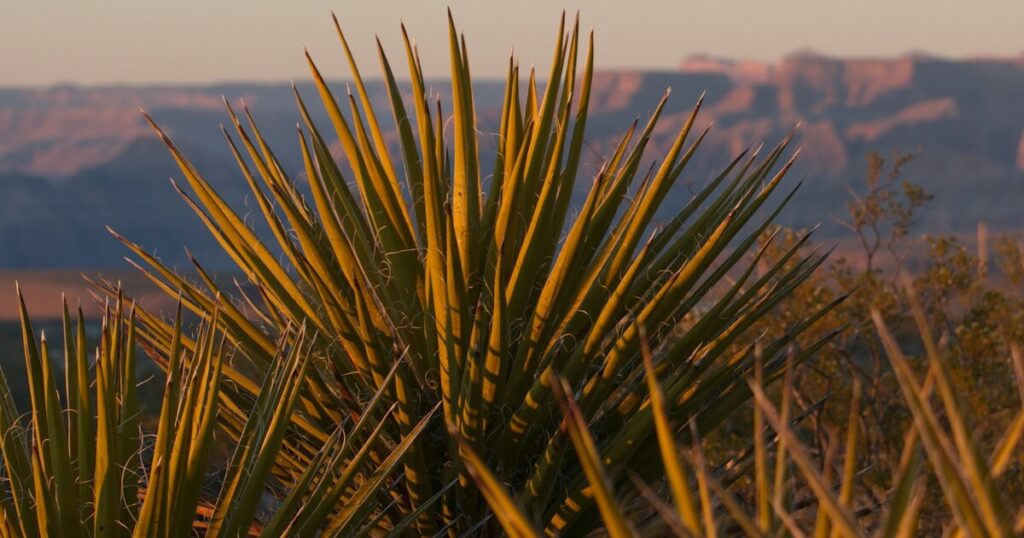
Plant yuccas so that the base of the leaves sits just above the soil line. Burying the crown too deep can trap moisture against the stem, inviting rot, while planting too shallow leaves roots exposed and prone to drying out. I once replanted a colleague’s yucca after its crown rotted underground!
Dig a hole twice as wide as the root ball but no deeper, settle the plant gently, and backfill with amended soil. A slight mound at the crown encourages water to run away from the stem, keeping tissues dry and healthy.
Fertilize Sparingly and Appropriately
Yuccas don’t need heavy feeding—too much nitrogen leads to floppy foliage and fewer flowers! A light application of a balanced, slow-release fertilizer in early spring gives plants a gentle boost without overstimulating leaf growth.
Incorporate a palm or cactus fertilizer with lower nitrogen and higher potassium to support root and bloom development. Proper feeding helps yuccas produce those dramatic ivory flower spikes that attract specialized pollinators, including the yucca moth’s charming courtship!
Control Pests Like Yucca Weevils

Yucca weevils and scale insects can bore into stems, weakening the plant and inviting disease. Regularly inspect stems for small holes or sticky residue indicating insect activity. Catching infestations early makes treatment far less stressful!
Use insecticidal soaps or horticultural oils at the first sign of scale, and remove heavily infested leaf bases by pruning. Encouraging beneficial predators—like parasitic wasps—by planting companion flowers will also keep pest populations in check.
Propagate and Divide Responsibly
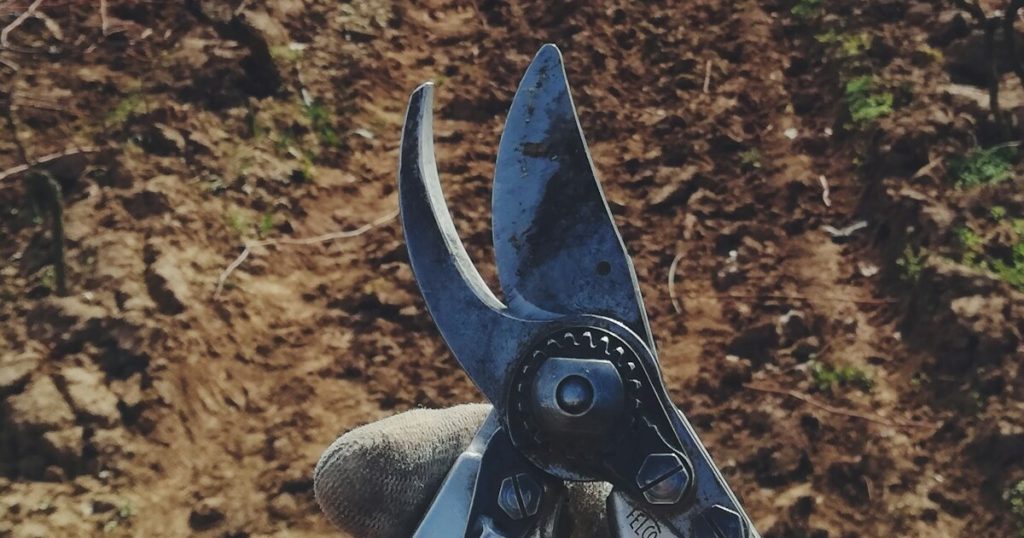
Yucca pups can be lifted in spring or fall and replanted to expand your garden. However, removing too many offshoots at once can stress the parent clump. I once divided a filamentosa into seven pieces and ended up with half of them sulking for months!
Aim to lift no more than one-third of the pups per season, allowing both mother and baby plants to thrive. Ensure each division has ample roots, let wounds callus briefly in the sun, and then plant in well-prepared soil. This gradual propagation keeps your yucca garden vigorous and flourishing.