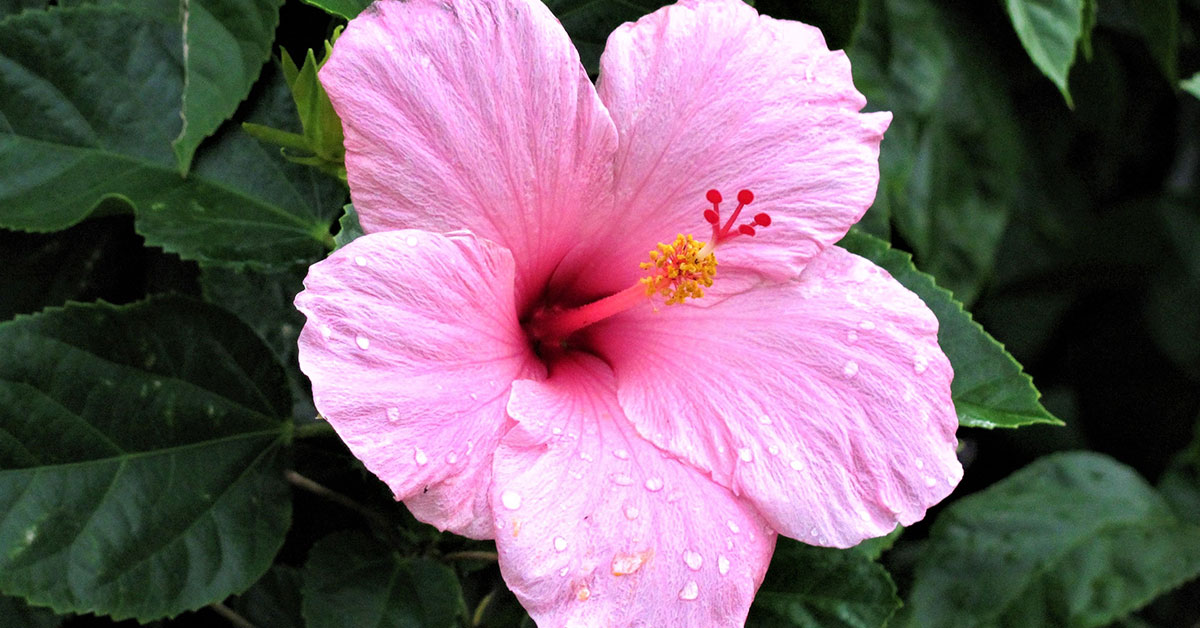

Hibiscus are such showstoppers in any garden—their oversized, tropical flowers instantly lift your spirits with vibrant reds, pinks, yellows, and whites! Yet I know exactly how frustrating it can be when your hibiscus produces only a handful of blooms or worse, none at all. Over the years, I’ve wrestled with leggy plants, powdery mildew outbreaks, and blossom drop, so I’m thrilled to share my hard-won insights to help you coax those spectacular flowers season after season.
In this article, you’ll find twelve essential tips—each explored in two thorough paragraphs and presented in a randomized order to keep you guessing! We’ll touch on everything from selecting the perfect species and soil prep to pruning, pest defense, and even how to invite hummingbirds and bees to your hibiscus party. Hibiscus hail from warm, pantropical regions (Asia, the Pacific Islands, and beyond) and in some locales can naturalize aggressively, so we’ll also discuss how to keep them beautifully contained. Let’s dive in and unleash a riot of blooms in your garden!
Pest and Disease Monitoring
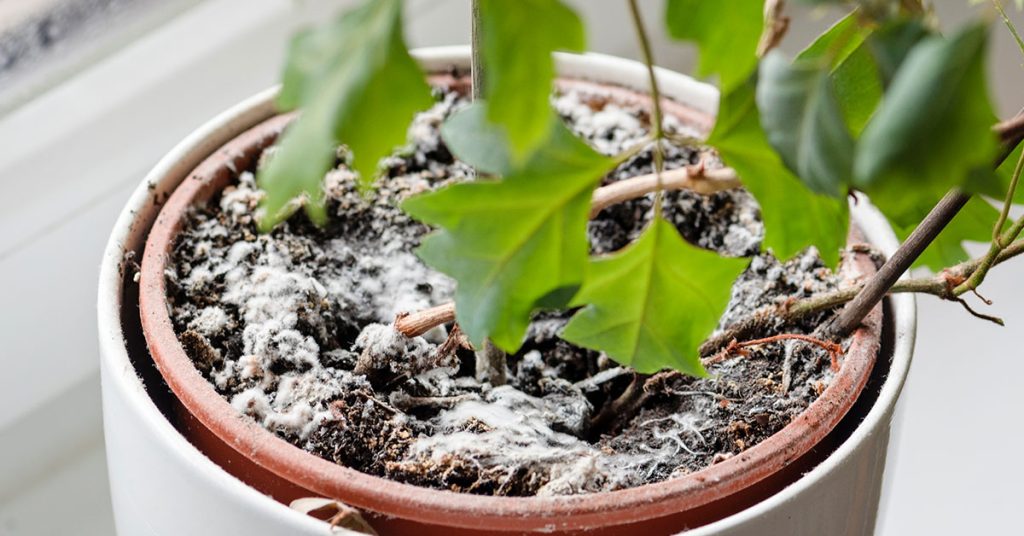
Nothing’s more depressing than powdery mildew coating your hibiscus leaves or spotting tiny aphids clustering on new buds! Regularly scanning for pests—lifting leaves, inspecting stems, and peeking beneath the canopy—lets you catch problems before they spiral. I recommend keeping a soft spray bottle of insecticidal soap or neem oil on hand; a gentle weekly mist can deter aphids, spider mites, and whiteflies while preserving beneficial insects.
Fungal diseases like leaf spot and rust thrive in humid, stagnant air. To prevent them, space plants for good airflow and prune dead or overcrowded growth promptly. If you spot any discolored patches, remove the affected foliage immediately and apply a fungicide labeled for ornamentals. Healthy hibiscus not only bloom more but also provide splendid perches for nesting bees and hummingbirds!
Ensuring Adequate Sunlight

Hibiscus are sun-lovers, craving at least six to eight hours of direct light daily for robust flowering. I once planted mine in a partially shaded courtyard only to watch buds abort week after week! Relocating them to a sunnier spot transformed their performance, filling the air with continuous blooms through summer.
If you’re container-growing hibiscus, rotate pots occasionally so all sides receive equal sun exposure, preventing lopsided growth. Remember that in exceptionally hot climates—where hibiscus are nearly invasive—you may need to provide a light afternoon shade cloth to shield blooms from scorching, preserving their vibrant colors and preventing petal scorch.
Supporting and Staking Tall Varieties
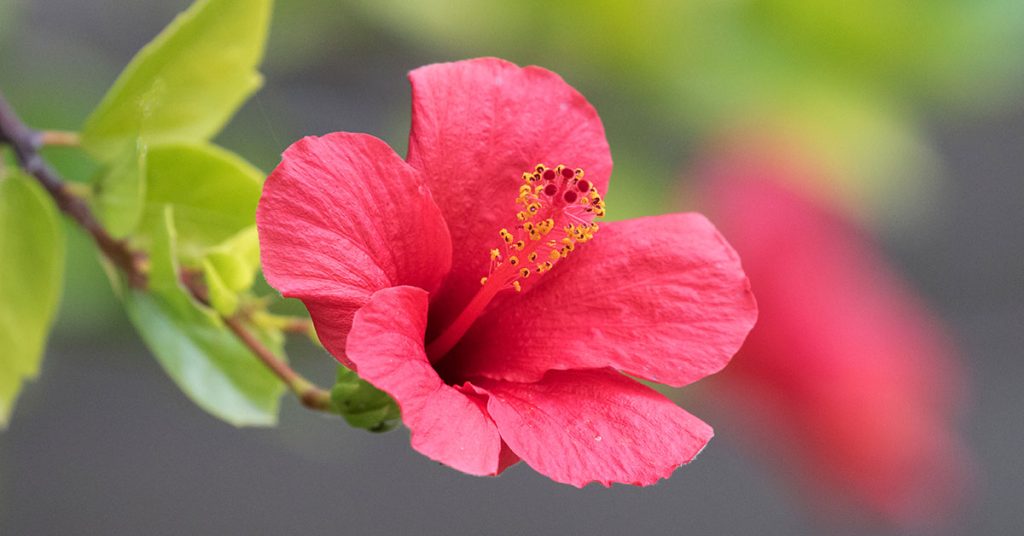
Some hibiscus cultivars can reach eight feet or more, and all those heavy flowers can bend or snap slender stems. I learned this the hard way when a summer storm toppled half my Scarlets! Installing sturdy stakes or bamboo supports at planting time lets you tie new shoots gently, guiding upright growth and showcasing every bloom.
Staking also opens the canopy for wind flow, reducing fungal risk and making it easier for pollinators to access blossoms. Hummingbirds, in particular, prefer stable perches near flower clusters—stake placement can directly boost their visits, ensuring more pollination and even fuller bloom flushes!
Watering Wisely
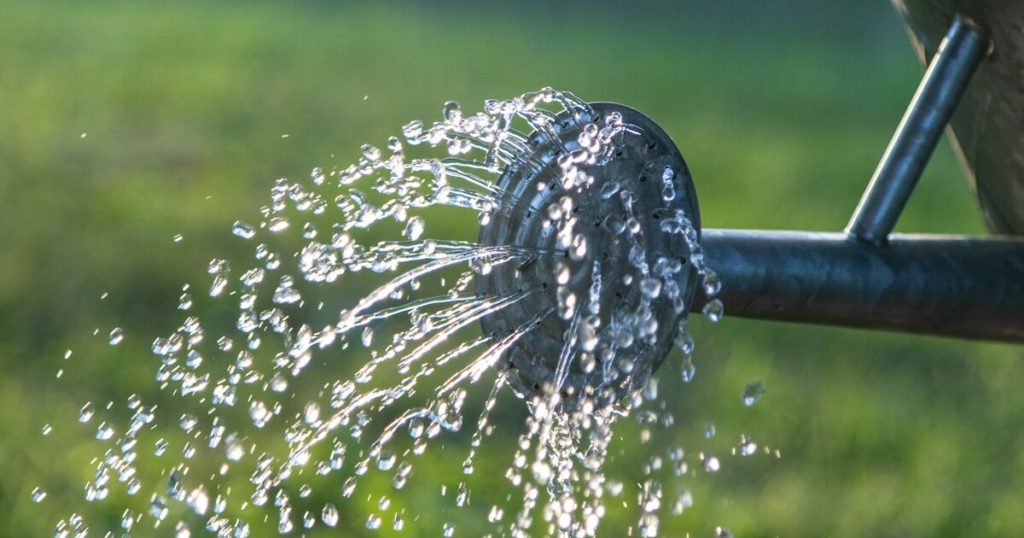
Hibiscus thrive on consistent moisture but hate sitting in soggy soil that invites root rot. I once watered mine daily in a heatwave only to find yellow wilted leaves within days! Instead, aim for deep, thorough soakings—wetting the root zone to 12 inches—then allow the top two inches of soil to dry before the next irrigation.
Mulching (see next tip) helps maintain that perfect moisture balance by reducing evaporation. In drought-prone times, water early in the morning so leaves can dry out during the day, discouraging fungal spores. Your diligent watering habits will reward you with lush foliage and those enormous, eye-popping blooms we all adore!
Container vs. Ground Planting
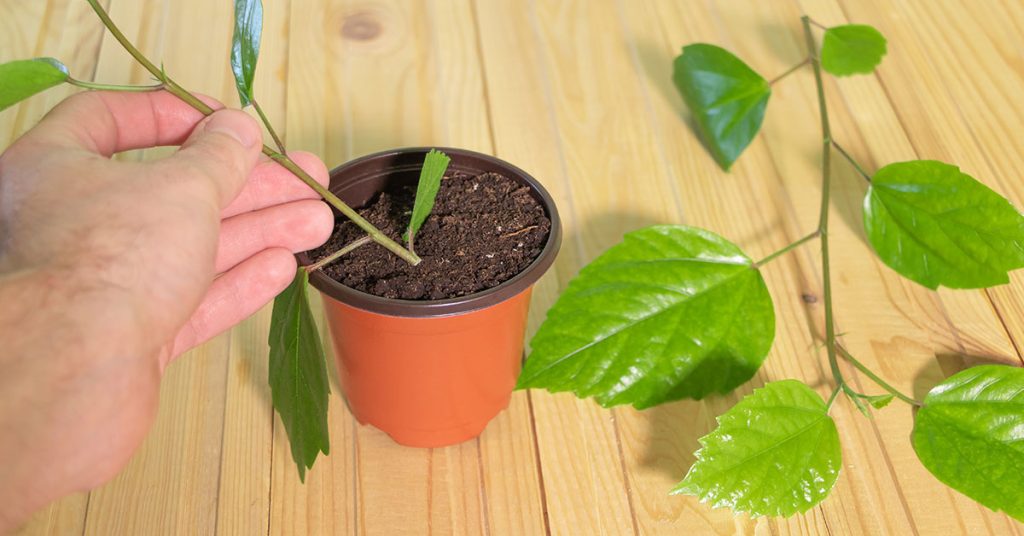
Growing hibiscus in containers offers flexibility—if frost threatens, pots can move under cover, whereas ground-planted shrubs need heavier winter protection. I often start new cultivars in pots to judge their vigor before committing to the ground. Containers also let you control soil composition precisely, ensuring excellent drainage.
On the flip side, in warm climates where hibiscus can naturalize, ground planting demands vigilance: cut back seed pods before they set to prevent volunteers popping up in wild corners. Whether container or ground, choose a location with room for mature size (often 4–6 feet wide) to avoid root crowding and ensure ample bloom displays.
Deadheading Spent Blooms
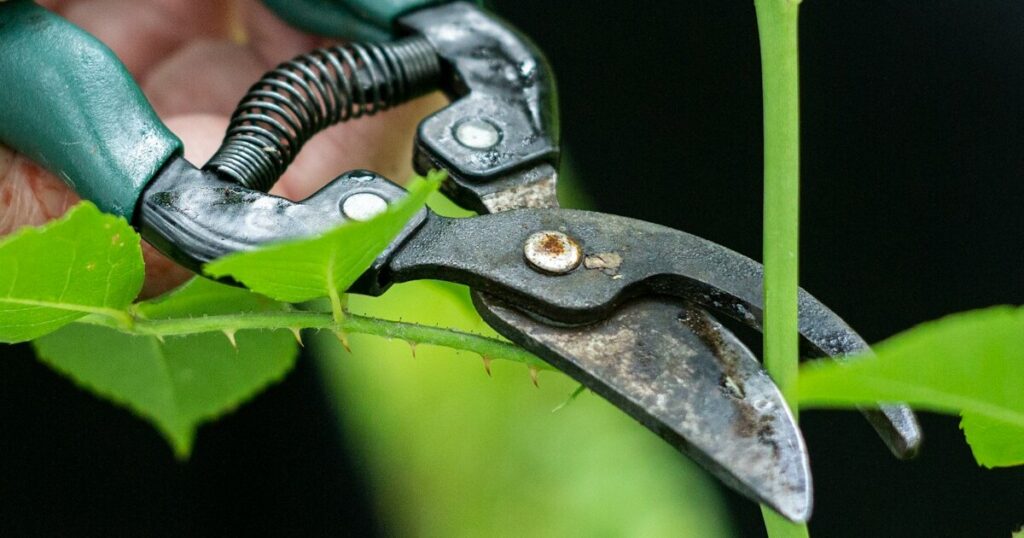
It’s tempting to leave every spent flower dangling, but those faded blooms sap energy that your hibiscus could invest in fresh buds. I use clean scissors weekly to snip off finished blossoms just above the first set of healthy leaves—this simple step stimulates new flower production and keeps the plant tidy.
Deadheading also prevents seed pod formation, which in some vigorous species can ripen and scatter seeds, leading to invasiveness. By pruning spent blooms, you channel resources into dazzling new flowers and reduce volunteer hibiscus seedlings popping up where you don’t want them!
Soil Preparation and Drainage

Hibiscus crave rich, slightly acidic soil (pH 6.0–6.5) with excellent drainage—heavy clay can lead to root suffocation. Before planting, I mix garden soil with compost, aged manure, and a handful of coarse sand or perlite to mimic their native tropical forest floor, where debris and good drainage coexist.
Conducting a soil test is also wise: if pH is off, elemental sulfur can lower alkaline soils, while lime raises overly acidic ground. Healthy soil fosters a vibrant microbial community—earthworms, fungi, and bacteria—that supports vigorous root growth, setting the stage for those lavish blooms you’re after!
Mulching for Moisture and Temperature Control
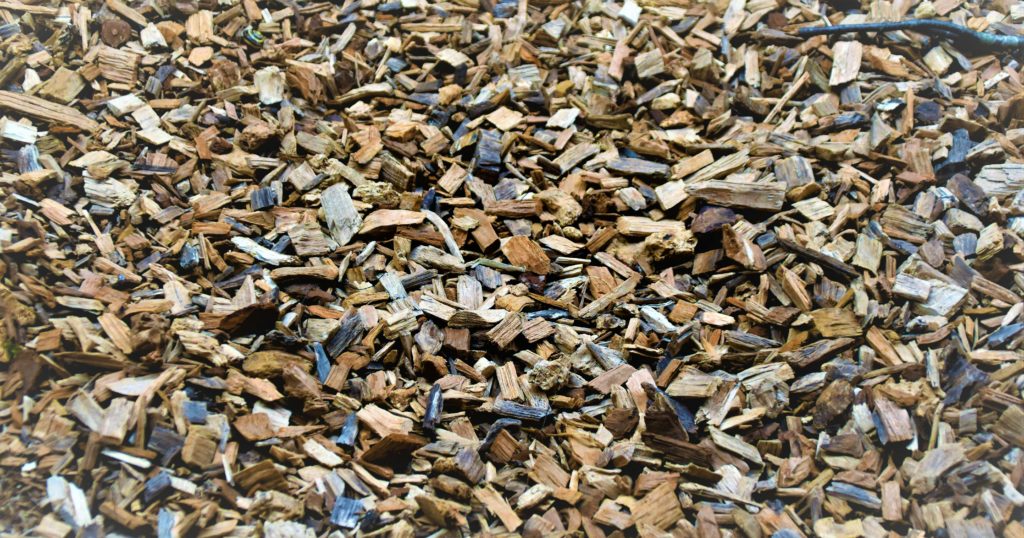
A two-inch layer of organic mulch—wood chips, shredded bark, or leaf mold—around your hibiscus helps retain soil moisture, suppresses weeds, and insulates roots from temperature swings. I always leave a small gap around the stem to prevent collar rot, then extend the mulch circle to the drip line for maximum impact.
As mulch breaks down, it enriches the soil and attracts beneficial organisms like earthworms and predatory beetles. In warmer zones where hibiscus can naturalize, mulch also discourages weed seeds from germinating, keeping your display pure and problem-free.
Fertilizing Regularly
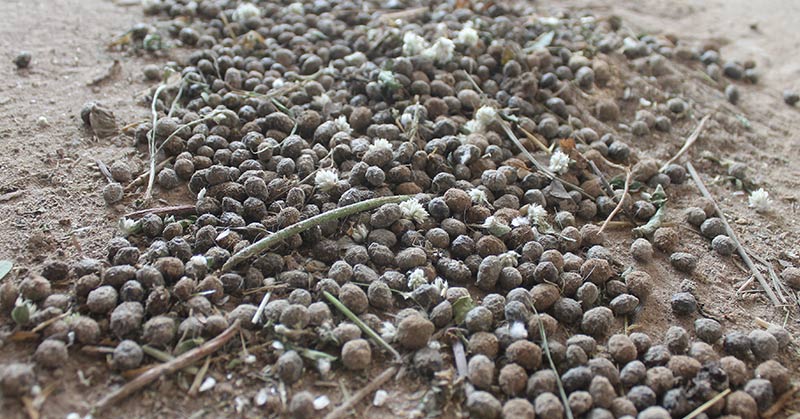
To coax those giant hibiscus blooms, feed your plants every six to eight weeks during the growing season with a balanced fertilizer high in potassium, which supports flower formation. I prefer slow-release granular formulas supplemented with a weekly foliar feed of seaweed extract to boost trace minerals and stimulate bloom hormones.
Organic options—like fish emulsion or compost tea—nourish soil microbes while delivering nutrients directly to leaves and roots. Avoid excessive nitrogen, which promotes lush foliage at the expense of flowers. With the right feeding regimen, your hibiscus will become a continuous fountain of color!
Pruning for Shape and Vigor
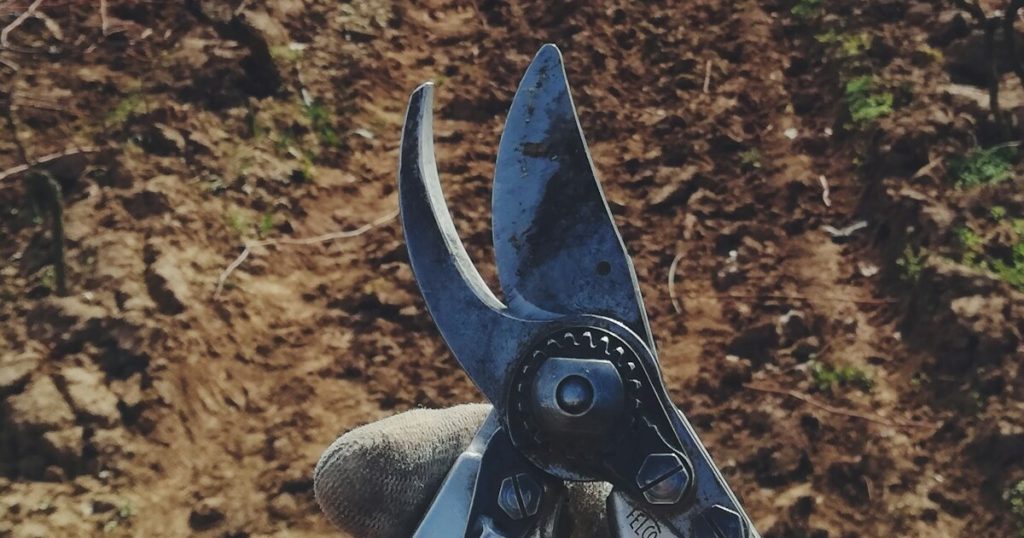
Light pruning in early spring—removing dead wood, weak shoots, and crossing branches—shapes your hibiscus into a strong, open framework that encourages abundant flowering sites. I love the ritual of thinning my ‘Double Pink’ each year; within weeks, new shoots teem with buds, ready to burst into bloom!
Pruning also allows you to check for nesting activity—small birds like finches sometimes build their nests in the shelter of thick branches. If you spot active nests, delay pruning that section until the fledglings have flown. This balance between horticulture and wildlife care makes your garden a harmonious, living tapestry.
Choosing the Right Species and Cultivar

With over 200 species of hibiscus—from tropical Hibiscus rosa-sinensis to hardy Hibiscus syriacus—selecting the right type for your climate is crucial. I planted a tropical hibiscus in a zone 6 garden once and watched it perish in the first frost! In cooler areas, opt for hardy altheas (rose of Sharon) that can tolerate winter chill and still reward you with late-summer blooms.
Even within tropical varieties, flower form and repeat-blooming ability vary widely. Some cultivars bloom only once in summer, while others flush continuously. Research your local hardiness and bloom habits to ensure you get the spectacular display you envision—then prepare to fall in love with your perfect hibiscus!