
Pothos (Epipremnum aureum) are such dependable houseplants—those glossy, heart-shaped leaves cascading from a hanging basket or climbing a moss pole add instant life to any indoor space! Yet I know how deflating it can be when your once-vibrant pothos starts showing distress signals: drooping vines, discolored foliage, or slow growth that leaves you wondering what went wrong. Over the years of nurturing these tropical vines—native to the Solomon Islands, though naturalized (and even invasive) in warm, humid climates around the world—I’ve learned to spot the warning signs early so you can swoop in with a rescue plan.
In this article, we’ll explore eleven common symptoms of a struggling pothos and share two-paragraph solutions for each—no skimping on details! I’ve mixed up the order so you stay on your toes. We’ll cover everything from pests and root rot to nutritional deficiencies and environmental stress, and I’ll sprinkle in tips about how pothos’ aerial roots behave, how they react to low humidity, and even how to encourage beneficial insects in a greenhouse setting. Let’s get your vines thriving again!
Pests: Mealybugs, Spider Mites, and Scale

It’s such a bummer when you discover tiny cottony clusters or fine webbing on your pothos leaves—signs that mealybugs or spider mites have moved in! These sap-suckers weaken your plant by draining its juices, causing yellow stippling and leaf drop. To save your vine, isolate the infected plant immediately and wipe down foliage with a cloth dipped in mild insecticidal soap or neem oil solution. Repeat every seven to ten days until no pests remain!
Encouraging beneficial predators—like ladybugs or lacewings—in a greenhouse or sunny windowsill can also help keep pest populations in check. Pothos’ aerial roots can even provide habitat for tiny predatory mites that patrol for pests. Maintaining good air circulation and avoiding overly dry conditions will discourage mites, while wiping leaves regularly can prevent scale insects from gaining a foothold.
Powdery Mildew and Fungal Spots
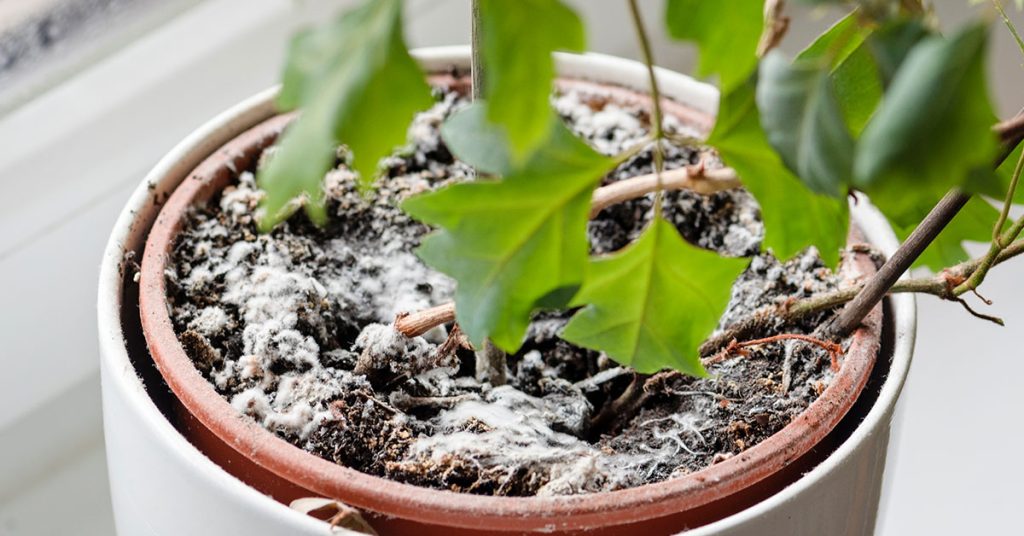
White, powdery patches on leaves or dark, slimy spots often signal fungal trouble—particularly in humid, poorly ventilated rooms. I once lost half a vine to powdery mildew after experimenting with a misting setup! To combat this, increase air flow, reduce humidity to around 50–60%, and remove affected leaves promptly. A diluted baking soda spray or specialized fungicide can nip early outbreaks in the bud.
Since pothos evolved in tropical understories, sudden swings between soggy and dry conditions stress leaf tissues and invite fungal spores. Keeping soil evenly moist—not waterlogged—and ensuring pots have drainage holes helps prevent root-reinforced infections. And remember: outdoor-grown pothos in warm climates can escape to become invasive, so always sanitize pruners and pots before bringing them indoors!
Leggy, Sparse Growth
When vines stretch several inches between leaves, you’ve got leggy growth—a common sign of insufficient light. I remember rescuing a pothos tucked in a dim corner; within weeks under brighter, indirect sun it filled out beautifully! Solve leggy vines by relocating closer to an east- or west-facing window, or supplementing with a grow light for 10–12 hours a day.
Regularly pinch back the tips of overgrown vines to encourage branching and fuller foliage. These cuttings make excellent propagations—one of my favorite ways to share plants with friends! And don’t forget to rotate your pot so all sides receive even light, preventing one-sided growth and giving you a lusher display.
Brown Leaf Edges and Tips

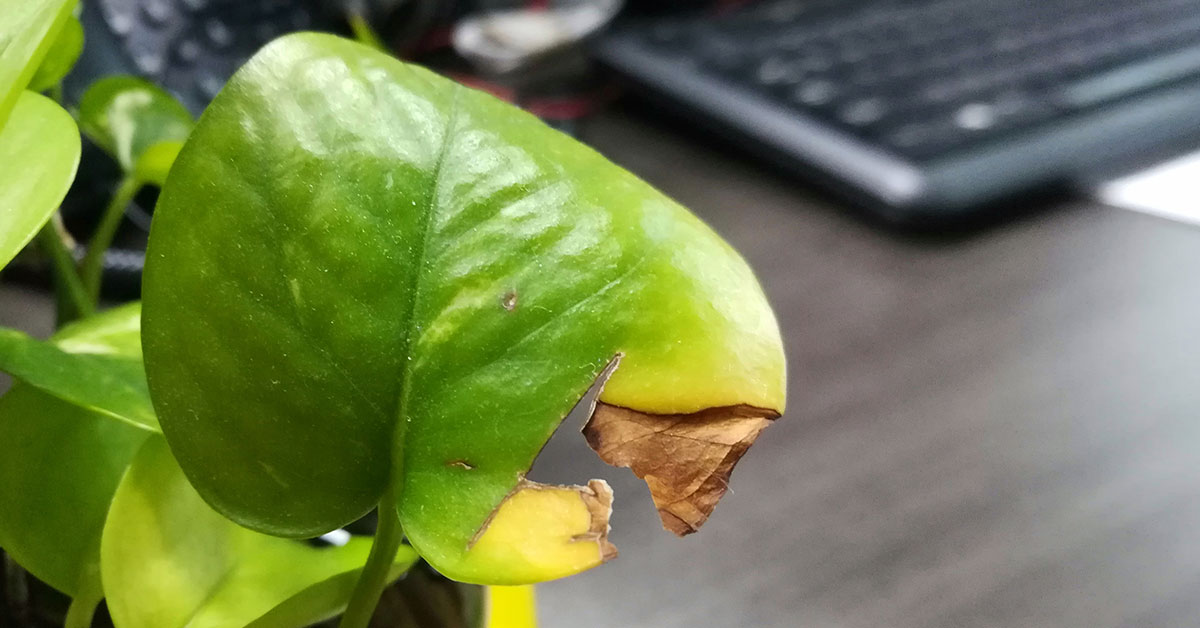
Crispy, brown margins often mean underwatering, low humidity, or salt buildup from frequent fertilizing. Pothos aren’t huge water drinkers, but they do appreciate consistent moisture and a humid atmosphere. I combat dry air in winter by placing my plant on a pebble tray or using a room humidifier—no more scorched tips!
If you suspect salt buildup, flush the pot thoroughly by running water through the soil for several minutes, letting excess drain away. Then cut back on fertilizer to every six to eight weeks with a balanced houseplant feed. Organic options—like diluted fish emulsion—also reduce the risk of chemical burn at the root zone.
Loss of Variegation in Variegated Cultivars
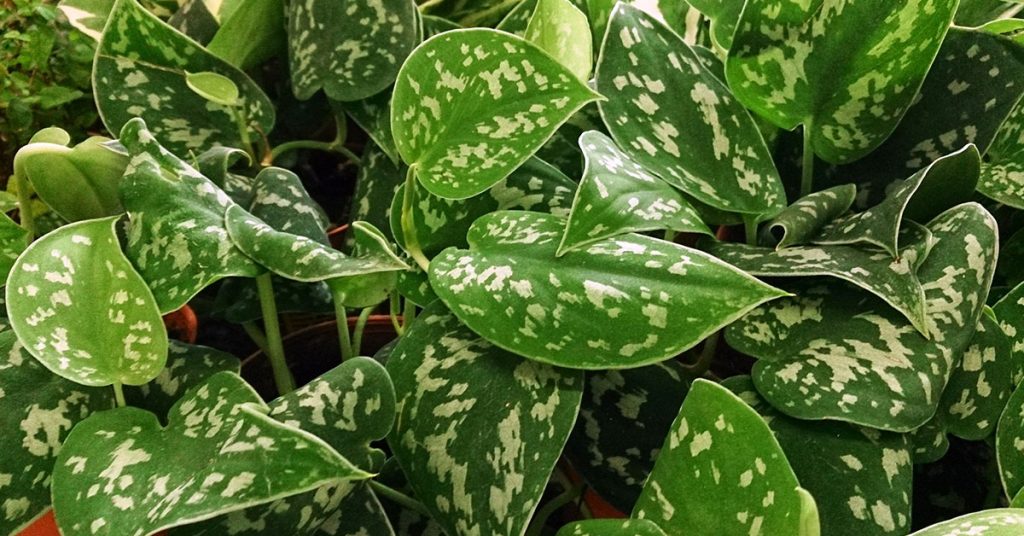
Those stunning white- and yellow-marbled pothos cultivars can revert to solid green if light levels drop too low or nitrogen runs short. I once saw my ‘Marble Queen’ revert completely after being relegated to a dark shelf! Restoring variegation means upping bright, indirect light and using a balanced fertilizer to provide steady nitrogen without overdoing it.
Trim away fully green shoots to encourage the plant’s genetic desire to produce variegated leaves. Over time, your pruning and improved lighting will coax the distinctive splash patterns back, giving you a dazzling display once more!
Wilting or Limp Leaves

Wilting leaves in an otherwise healthy-looking pothos almost always point to a watering issue—either drought stress or waterlogged roots. I’ve overcompensated with daily watering only to find soggy soil and root rot the next week! Instead, stick to a routine: water deeply, let excess drain, and wait until the top inch of soil feels dry before the next soak.
If root rot has set in (see next section), you may need to repot, trimming away brown, mushy roots and refreshing soil with a well-draining mix. Once roots recover, your plant will perk up and stay turgid again—no more droopy leaves betraying your green thumb!
Root Rot and Soggy Soil

A musty smell or black, slimy roots during repotting screams root rot—a nightmare for any gardener! Pothos are particularly vulnerable when planted in dense potting mixes that retain too much water. To rescue your plant, remove it from the pot, cut back any rotten roots with sterile shears, and replant in fresh, chunky mix (coco coir plus perlite or orchid bark works wonders).
Ensure the new pot offers excellent drainage—elevate it on a saucer with pebbles if necessary. After repotting, hold off on watering for a week to allow root wounds to callus, then resume a balanced watering schedule. Your pothos will thank you with vigorous new growth!
Leaf Curling or Deformation
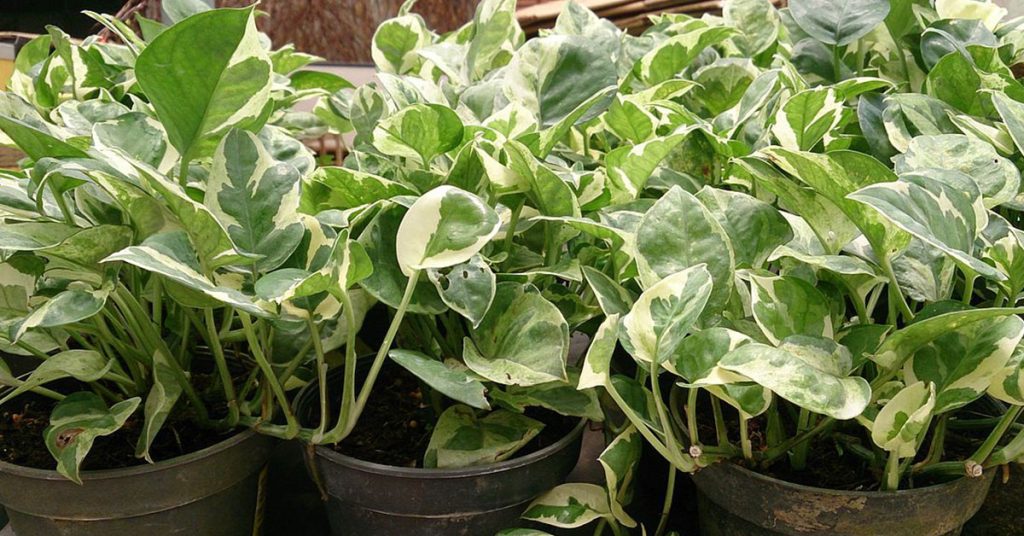
When leaves curl, cup, or become twisted, it often indicates environmental stress—extreme temperatures, drafts, or sudden humidity shifts. I once placed mine beside an AC vent and returned to find leaves folded inward like prayer! Relocate your pothos away from direct heat or cold drafts, maintaining stable indoor temperatures between 65–80°F.
Overfertilization can also warp new leaves. If curling coincides with recent feeding, flush the soil thoroughly and delay the next application. Keeping conditions steady and refraining from overfeeding will restore those smooth, flat leaves you love to admire!
Stunted Growth and Small Leaves
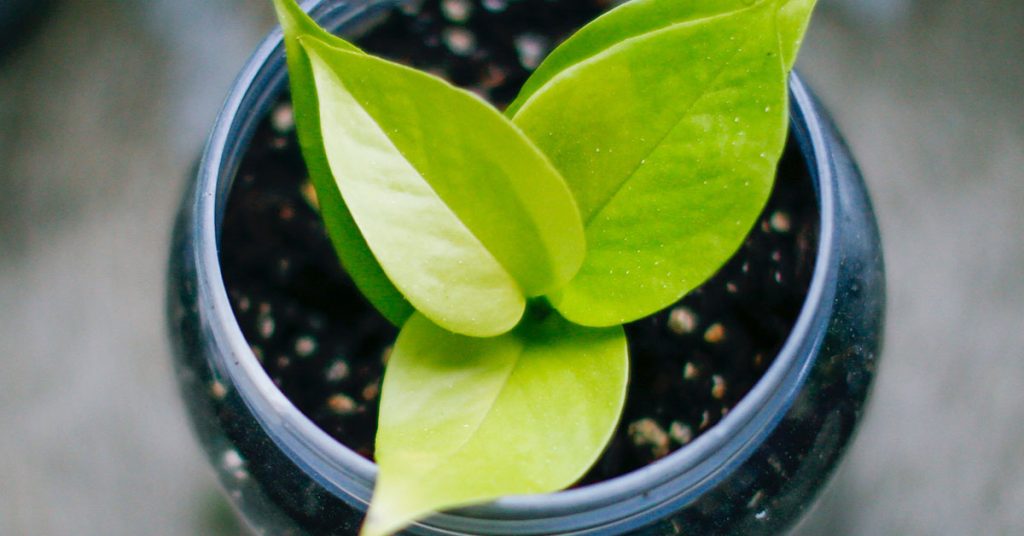
Tiny leaves and meager vines usually point to nutrient deficiencies or insufficient light. I’ve seen fast-growing pothos actually slow to a crawl under poorly lit office lighting! Boost light levels and feed lightly with a water-soluble houseplant fertilizer every six to eight weeks during the growing season to jumpstart sizes back to normal.
Occasionally, a rootbound pot constricts growth—roots circle the pot and strangle themselves. If you spot roots peeking from drainage holes, it’s time for a gentle repot into a slightly larger container. Fresh soil plus room to expand will quickly translate into lush new foliage.
Aerial Root Issues
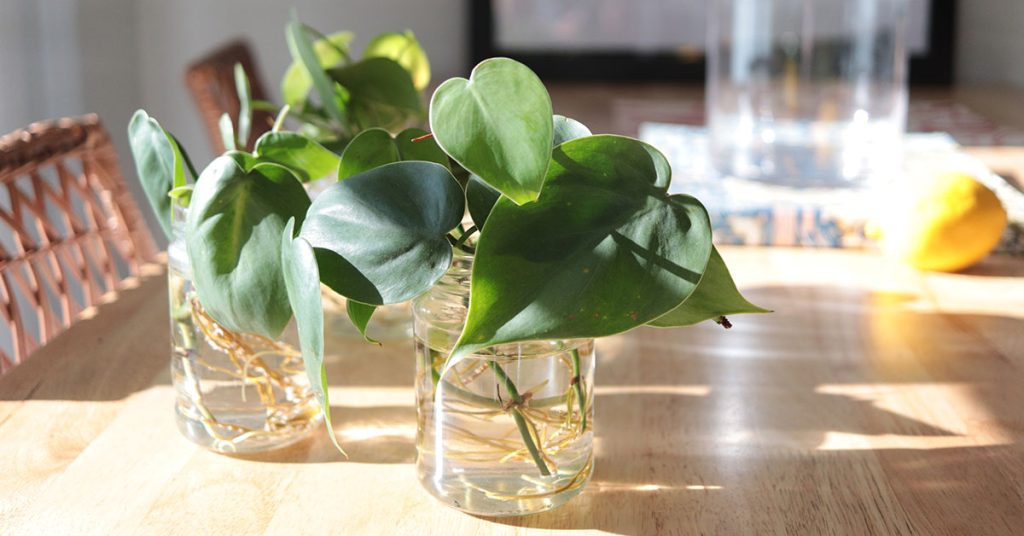
Pothos produce aerial roots along their vines to cling to supports or absorb moisture from the air. If these brown, wiry roots dry out or rot, your plant may struggle to stay hydrated. I often tuck vine sections into sphagnum moss on a moss pole to give aerial roots something to grip—and thrive!
Maintaining moderate room humidity (around 50–60%) helps these roots stay functional. In greenhouses or terrariums, ensure pockets of humid air settle around vines. Healthy aerial roots not only anchor your pothos but also contribute to nutrient uptake, so treating them kindly promotes overall plant vigor!