With fall in full swing and Halloween around the corner, social media is abuzz with all sorts of tips and tricks to keep your pumpkins looking fresh and vibrant for as long as possible. One of the most popular suggestions making the rounds is to bleach your pumpkins to prevent them from rotting. It seems...
Gardening Tips
Having a garden is a key aspect of a sustainable lifestyle. When you go to the grocery store to buy produce like fruits and vegetables, as well as eggs, each of those items comes with a carbon footprint and other environmental complications. Unfortunately, a lot of industrial-level farming practices aren’t good for the environment and they aren’t sustainable either. Growing your own fruits and vegetables reduces the negative impact that industrial farming has.
We are strong proponents of living a sustainable lifestyle, both by having a garden and by making environmentally friendly choices that put you on a more sustainable path. That includes using less single-use plastic, conserving energy and water, gardening using organic methods, avoiding synthetic chemicals inside and outside of the home, driving less, living off the grid, and other sustainable efforts.
Sustainable living isn’t just good for the planet but it’s good for you too. Often times, living sustainably means simplifying your life – you get more out of life with less. Sustainable living helps avoid unnecessary consumerism, save money, save the earth, and save your sanity all along the way.
Our gardening tips will help guide you to a greener lifestyle that benefits the planet, your pocket, your community, and yourself too. If all of us did just a little bit to be more sustainable, we could have a massive positive impact and change our world.
So let’s explore these gardening tips together and work toward a greener future for our kids and grandkids.
Fall is a magical time in the garden, as the lush greens of summer give way to a spectacular display of reds, oranges, and yellows. Choosing the right perennials can ensure that your garden remains vibrant and colorful well into the autumn months. From striking foliage to late-blooming flowers, these perennials will keep your garden...
Perennials are one of my favorite types of plants to have in my garden for the simple fact that they keep coming back every year, year after year. Some perennials, like peonies, can actually continue to regrow after every winter for 100 or more years! A perennial garden is easy to keep up and will...
After a long day of working on my garden in the hot summer sun and enjoying all the different plants I’m growing, my favorite thing to do is come back inside and enjoy all of the plants I have in my house too! I guess you could say I really like plants. Over the years...
Creating a garden that attracts butterflies, hummingbirds, and bees is not only a beautiful endeavor but also an essential one for supporting pollinators. These creatures are crucial for the health of our ecosystems, aiding in the pollination of many plants, including those we rely on for food. By planting nectar-rich flowers, you can create a...
In the lush, dimly lit forests of eastern Thailand, scientists have just uncovered a remarkable new resident — Cyrtodactylus sakaeratensis, the Sakaerat bent-toed gecko. Small, secretive, and uniquely adapted to its rugged home, this gecko adds to the growing list of species revealing how much biodiversity remains hidden in Southeast Asia’s remaining wild places. A...
When we think of beneficial insects for our gardens, we often picture ladybugs, bees, and butterflies. However, there’s an unsung hero in the insect world that you might not be familiar with: the hoverfly. This incredible insect not only helps with pollination but also acts as a natural pest control agent. By understanding and encouraging...
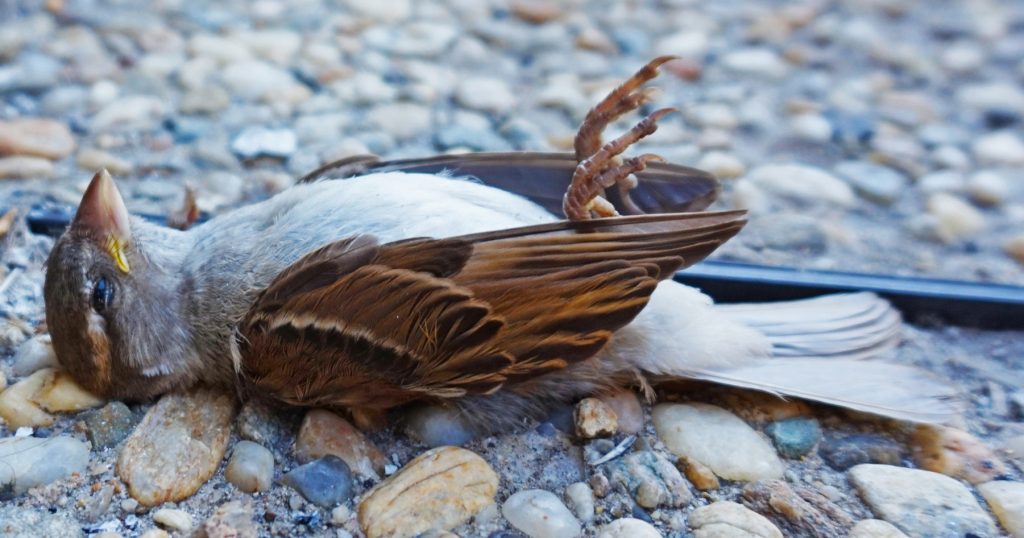
Bird baths: charming, idyllic, and a delightful addition to any garden, right? Well, yes, but there’s a bit more to the story. While these little pools offer a vital resource for our feathered friends, especially during those scorching summer months or the icy grip of winter, they’re not without their pitfalls. From the unsuspecting dangers...
Creating a safe and nurturing environment for our feline companions involves more than just providing food, water, and shelter. As cat owners, we must also be vigilant about the plants we bring into our homes, as many common houseplants can pose a threat to the health and safety of our beloved pets. While plants often...
A sweeping new study paints a troubling picture for one of the country’s most beloved and ecologically important insect groups. Since 2000, butterfly populations in the United States have dropped by an estimated 22 percent, a decline of roughly 1.3 percent per year. Researchers analyzed nearly 77,000 survey records across 35 different monitoring programs to...
As a dedicated gardener, you want to see your plants thrive and produce bountiful yields. It can be tempting to reach for those brightly colored, synthetic fertilizers that promise quick results. However, these blue powders and liquids might be doing more harm than good. Synthetic fertilizers can disrupt the natural balance of your soil, harm...
Ohio’s only national forest, the Wayne National Forest, is facing a new and alarming threat. Under a recent push by the Trump administration to expand logging on public lands, this forest could soon see large sections opened up for timber extraction. The move has sparked fierce debate between those focused on short-term economic gains and...