Dandelions (Taraxacum officinale) often get a bad rap as stubborn weeds, but these cheerful, golden blooms are actually powerhouse plants with a lot to offer! Native to Eurasia, they’ve naturalized across North America and beyond, sometimes earning the “invasive” label—yet their resilience and versatility make them invaluable allies in the garden. I’ve grown to appreciate...
Gardening Tips
Having a garden is a key aspect of a sustainable lifestyle. When you go to the grocery store to buy produce like fruits and vegetables, as well as eggs, each of those items comes with a carbon footprint and other environmental complications. Unfortunately, a lot of industrial-level farming practices aren’t good for the environment and they aren’t sustainable either. Growing your own fruits and vegetables reduces the negative impact that industrial farming has.
We are strong proponents of living a sustainable lifestyle, both by having a garden and by making environmentally friendly choices that put you on a more sustainable path. That includes using less single-use plastic, conserving energy and water, gardening using organic methods, avoiding synthetic chemicals inside and outside of the home, driving less, living off the grid, and other sustainable efforts.
Sustainable living isn’t just good for the planet but it’s good for you too. Often times, living sustainably means simplifying your life – you get more out of life with less. Sustainable living helps avoid unnecessary consumerism, save money, save the earth, and save your sanity all along the way.
Our gardening tips will help guide you to a greener lifestyle that benefits the planet, your pocket, your community, and yourself too. If all of us did just a little bit to be more sustainable, we could have a massive positive impact and change our world.
So let’s explore these gardening tips together and work toward a greener future for our kids and grandkids.
Green beans (Phaseolus vulgaris), cherished for their crisp pods and vibrant flavor, trace their origins to Central and South America, where indigenous peoples cultivated them for centuries. In most home gardens they’re not invasive, though self-seeding volunteers can pop up if you leave spent pods on the soil. Beyond delighting our taste buds, green beans...
Blazing stars (Liatris spp.), also known as gayfeather, are one of my favorite prairie natives—those feathery spikes of purple, pink, or white blooms light up any garden with their vertical drama! Hailing from North America’s grasslands, these resilient perennials aren’t typically invasive in home gardens, though they’ll happily self-seed if you let those spent heads...
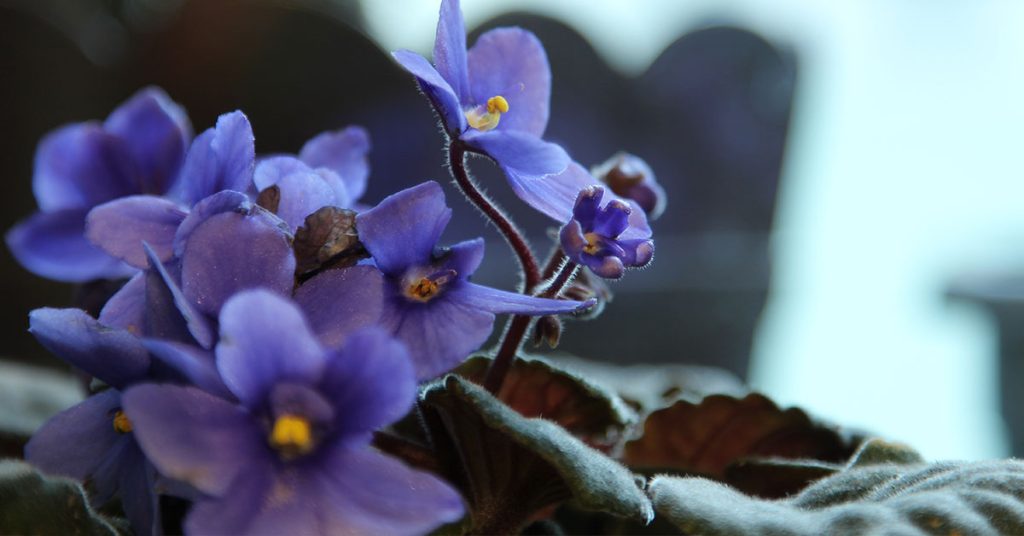
African violets (Saintpaulia ionantha) have captured my heart ever since I discovered those velvety leaves and cheerful clusters of flowers! Native to the cloud forests of Tanzania and Kenya, these charming perennials aren’t considered invasive in most home collections, yet they reward diligent care with waves of vibrant blooms. With the right conditions, they can...
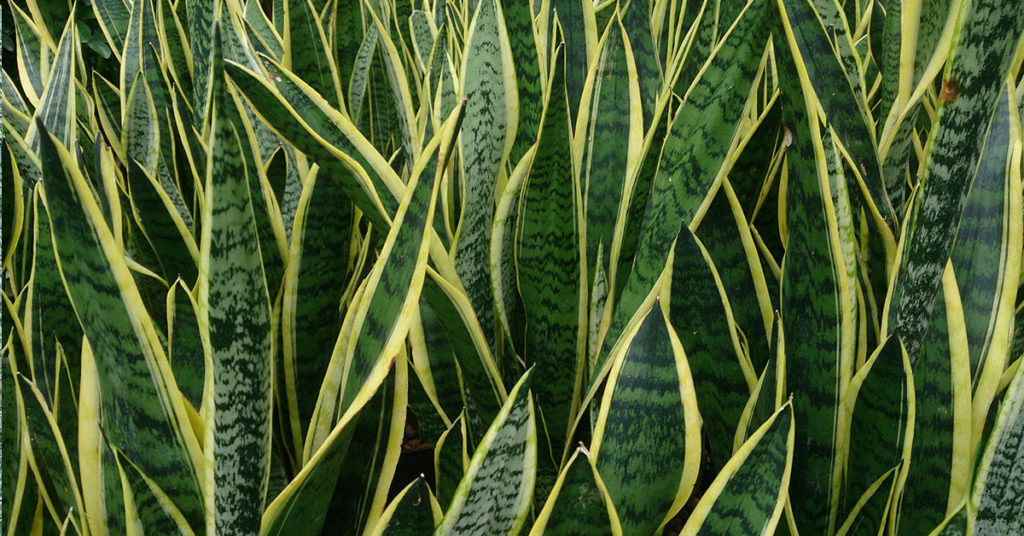
Snake plants (Sansevieria trifasciata), with their striking upright leaves and sculptural form, are some of my favorite houseplants—one of the reasons I fell in love with indoor gardening! Native to the tropical regions of West Africa, these sturdy succulents aren’t considered invasive in most home settings, though in frost-free climates they can spread via rhizomes....
Spider plants (Chlorophytum comosum) are one of my all-time favorite houseplants—those arching, variegated leaves and dangling spiderettes just light up any windowsill! Native to the tropical and southern regions of South Africa, these tough, easygoing plants seldom become invasive in typical indoor settings, though outdoors in warm climates they can self-seed under ideal conditions. Over...
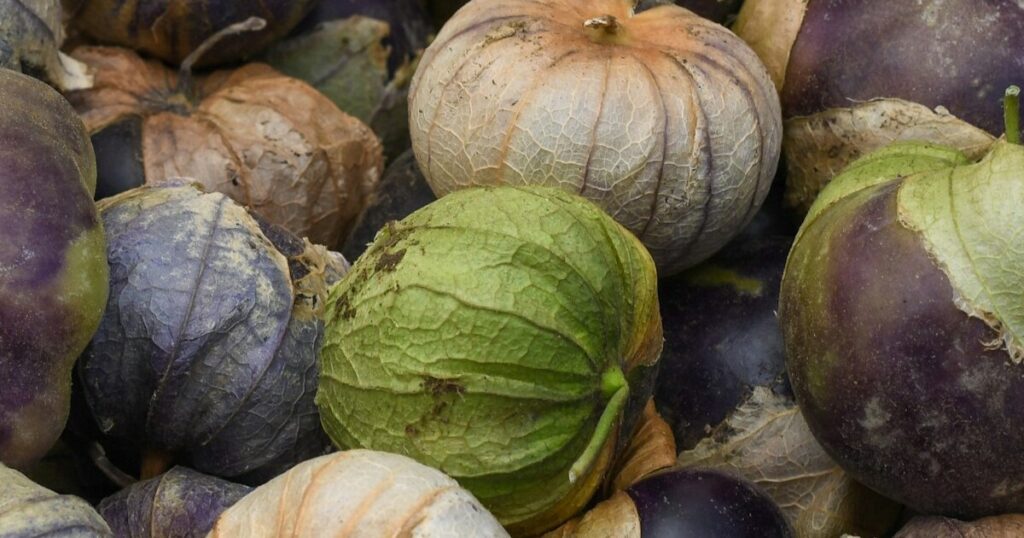
Tomatillos (Physalis philadelphica) bring a pop of citrusy tang to salsas and sauces, but they’re a bit more particular than their tomato cousins. Native to Mexico and Guatemala, these lantern-husked gems have been cultivated for centuries—and while they aren’t typically invasive in most home gardens, their habit of self-seeding can surprise the unwary grower! I’ve...
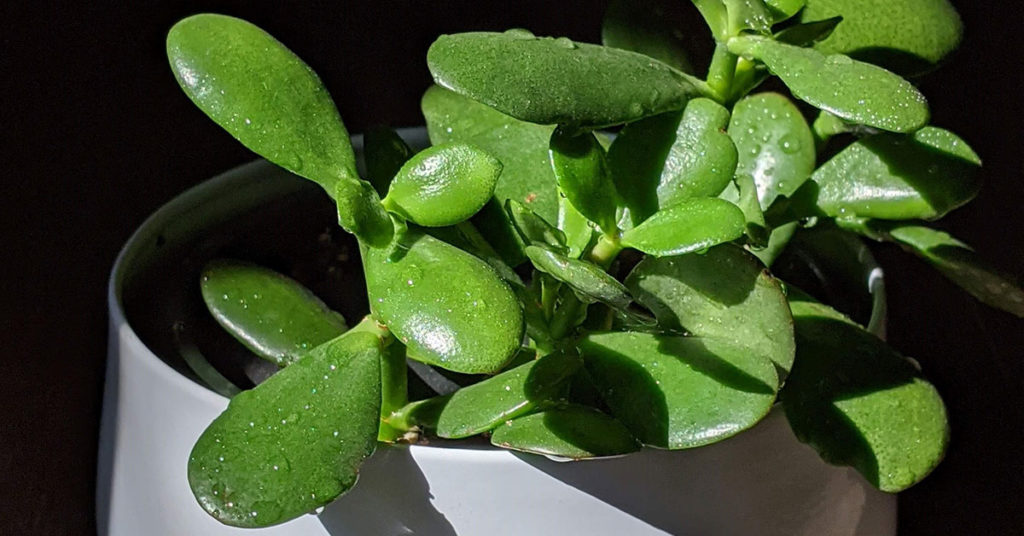
Jade plants (Crassula ovata), native to the arid savannas of South Africa and Mozambique, are cherished for their glossy, fleshy leaves and resilience. These succulents aren’t considered invasive in most home gardens, but they do require specific care to thrive and maintain their signature plump appearance. Whether brightening a sunny windowsill or forming the backbone...
Tomatillos (Physalis philadelphica), those charming fruits encased in papery husks, hail from the highlands of Mexico and Central America, where they’ve been a staple in salsas and stews for centuries. When you grow them in your own garden, you’re inviting a piece of that vibrant culinary heritage into your backyard—and giving local wildlife a treat,...
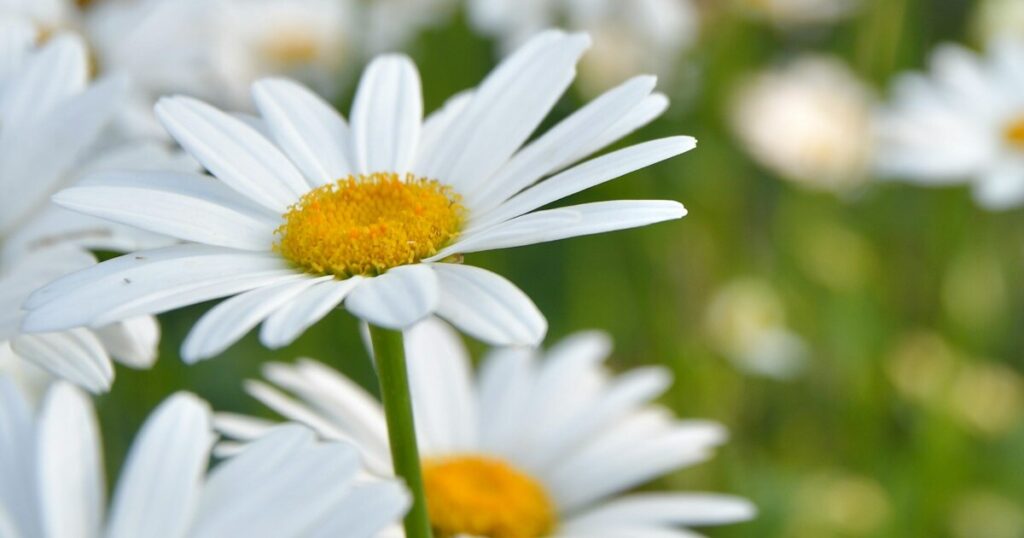
There’s something utterly magical about a sweeping field of Shasta daisies (Leucanthemum × superbum), those gleaming white blossoms with sunny yellow centers dancing on sturdy stems. Native to Europe but long naturalized in North America, Shastas aren’t considered invasive if managed responsibly—and their bold blooms attract a cavalcade of pollinators, from honeybees to hoverflies, that...
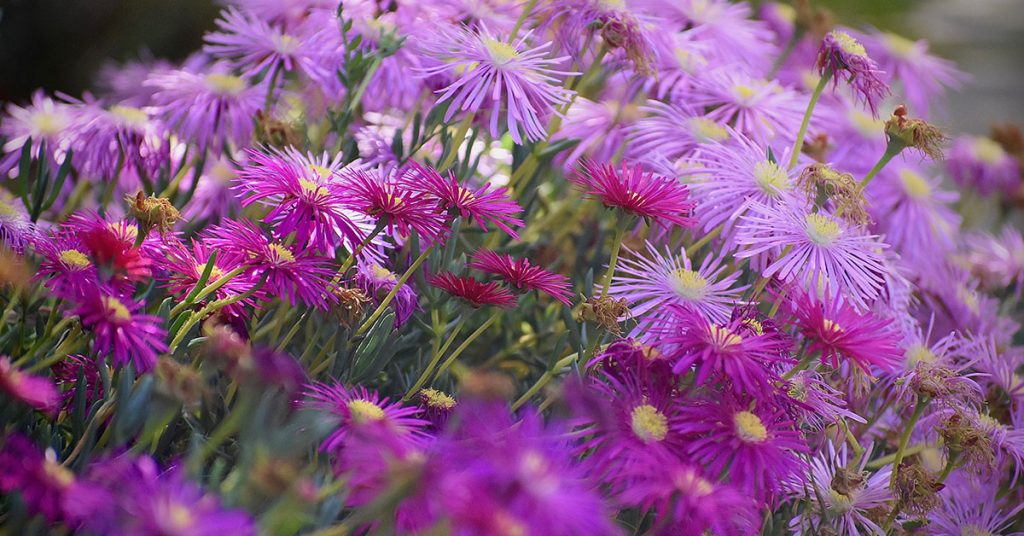
I absolutely adore asters (genus Symphyotrichum and Aster), those late-season gems native to meadows and woodlands across North America, Europe, and Asia. Their daisy-like flowers—ranging from pale lavenders to deep purples—light up the fall garden and beckon butterflies and bees preparing winter nests. Yet, even these hearty perennials can sulk if they lack the right...
I love the idea of turning soggy, runoff-prone spots into vibrant havens of color and life! A rain garden not only soaks up stormwater from roofs and driveways—reducing erosion and pollution—but also creates habitat for pollinators, birds, and beneficial insects that may nest in the surrounding plants and soil. It’s such a bummer when rainwater...