Gardening Tips

Having a garden is a key aspect of a sustainable lifestyle. When you go to the grocery store to buy produce like fruits and vegetables, as well as eggs, each of those items comes with a carbon footprint and other environmental complications. Unfortunately, a lot of industrial-level farming practices aren’t good for the environment and they aren’t sustainable either. Growing your own fruits and vegetables reduces the negative impact that industrial farming has.
We are strong proponents of living a sustainable lifestyle, both by having a garden and by making environmentally friendly choices that put you on a more sustainable path. That includes using less single-use plastic, conserving energy and water, gardening using organic methods, avoiding synthetic chemicals inside and outside of the home, driving less, living off the grid, and other sustainable efforts.

Sustainable living isn’t just good for the planet but it’s good for you too. Often times, living sustainably means simplifying your life – you get more out of life with less. Sustainable living helps avoid unnecessary consumerism, save money, save the earth, and save your sanity all along the way.

Our gardening tips will help guide you to a greener lifestyle that benefits the planet, your pocket, your community, and yourself too. If all of us did just a little bit to be more sustainable, we could have a massive positive impact and change our world.

So let’s explore these gardening tips together and work toward a greener future for our kids and grandkids.


9 min read Fruits And Vegetables

Figs are such rewarding trees to nurture—there’s nothing quite like biting into a sun-ripened fruit that you’ve coaxed along yourself! Yet I know exactly how frustrating it is when your fig tree seems to sulk: leaves yellowing, branches drooping, or that long-awaited crop simply failing to materialize. Over the years, I’ve seen fellow gardeners plant...

6 min read Fruits And Vegetables

Potatoes (Solanum tuberosum) hail from the high Andes of South America, where indigenous farmers coaxed them from wild tubers into the versatile crop we prize today. They’re generally well-behaved in home gardens—not invasive unless you let every dropped spud sprout—yet they can send distress signals when conditions aren’t quite right. I know how disappointing it...

6 min read Fruits And Vegetables

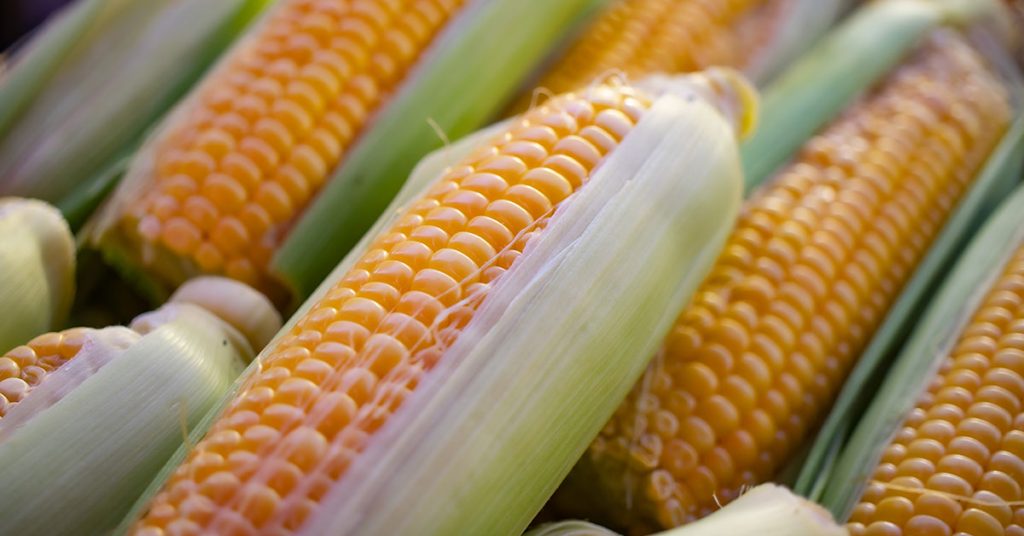
I’m so glad you’re keeping a close eye on your corn patch—there’s nothing more rewarding than hearing that rustle of Zea mays leaves in the breeze! Corn is native to Mesoamerica, where indigenous farmers domesticated it over 7,000 years ago. It’s well-behaved in most home gardens and not considered invasive, but its love of moisture...

6 min read Fruits And Vegetables

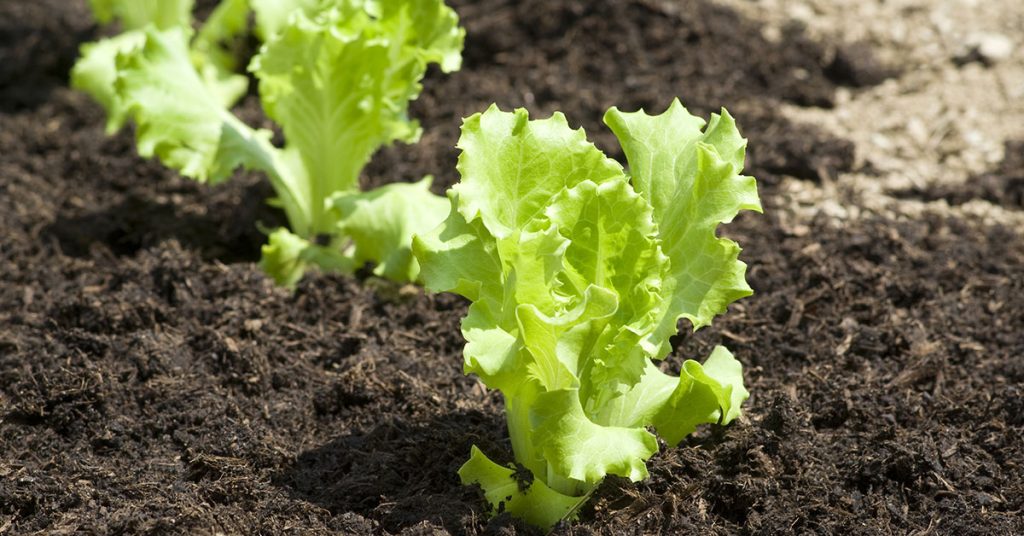
I’m so glad you’re tuning into your lettuce patch—those crisp heads of Lactuca sativa are such a rewarding harvest when they thrive! Native to the Mediterranean region, lettuce has been cultivated for thousands of years and isn’t invasive in home gardens—unless volunteers escape compost piles. Still, even the hardiest varieties can succumb to root rot...

7 min read Fruits And Vegetables

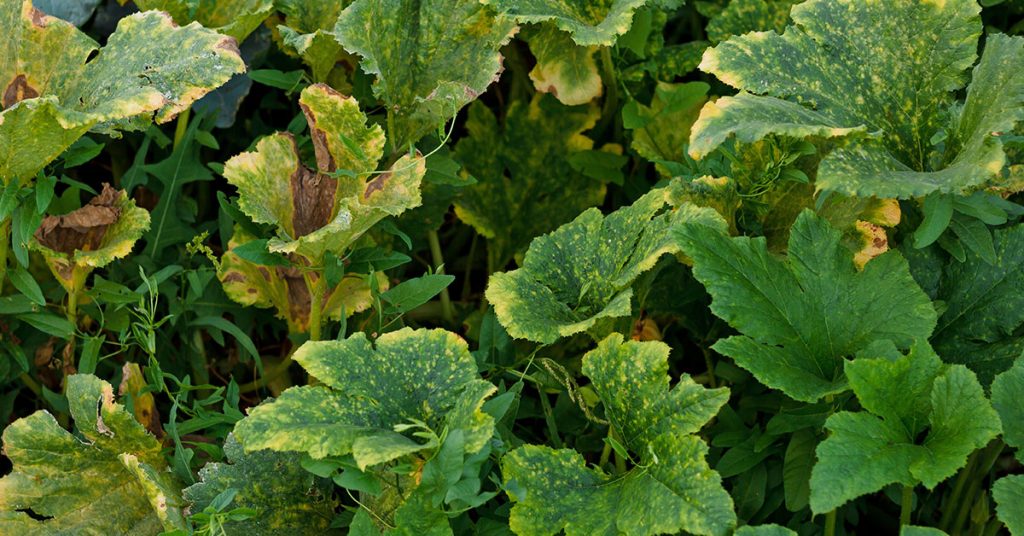
I’m so glad you’re looking to troubleshoot those yellowing zucchini leaves—nobody wants their vibrant green vines to look tired and pale! Zucchini (Cucurbita pepo), native to Central America, is a delight in summer gardens, producing prolific fruits that beckon bees and even small ground-nesting wasps seeking shelter in the leaf litter. It’s generally a well-behaved...

7 min read Flowers And Houseplants

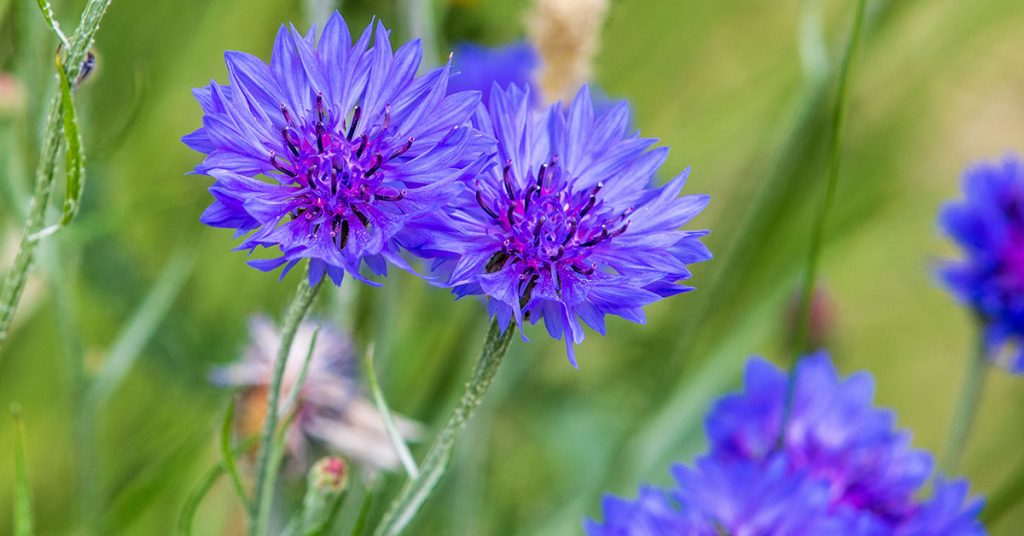
I’m so excited you’re diving into the delightful world of cornflowers (Centaurea cyanus) this season! These cheerful blue blooms, native to Europe’s grain fields, have charmed gardeners for centuries with their frilly petals and ease of self-seeding. They’re generally well-behaved in home gardens—volunteers may pop up here and there, but they rarely become invasive—yet they...

6 min read Fruits And Vegetables

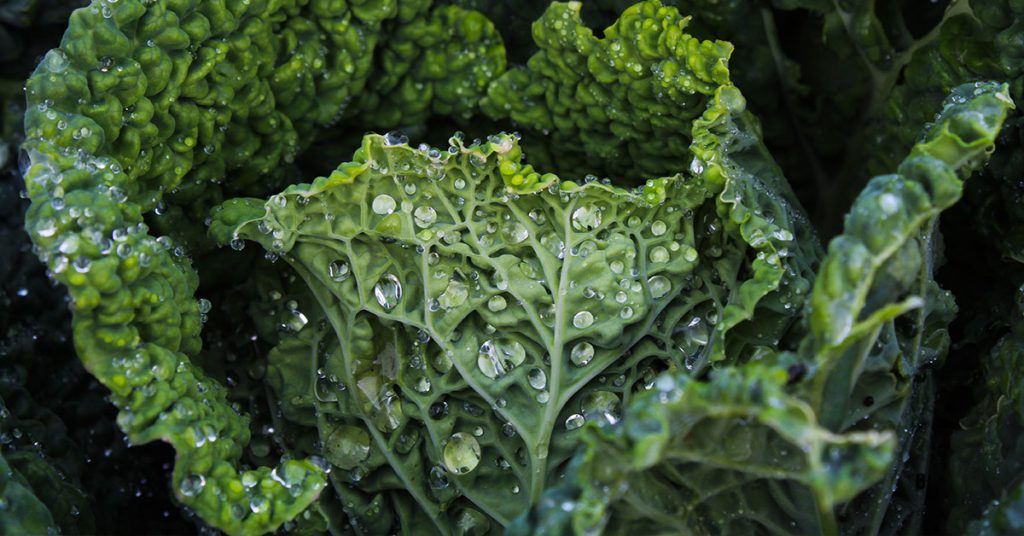
I’m absolutely delighted you’re turning your garden into a kale powerhouse this season! Kale (Brassica oleracea) originally hails from the eastern Mediterranean and Asia Minor, where ancient gardeners prized its hardy leaves long before it spread across Europe and beyond. It’s not typically invasive in home plots—unless you let it bolt and self-seed—but it does...