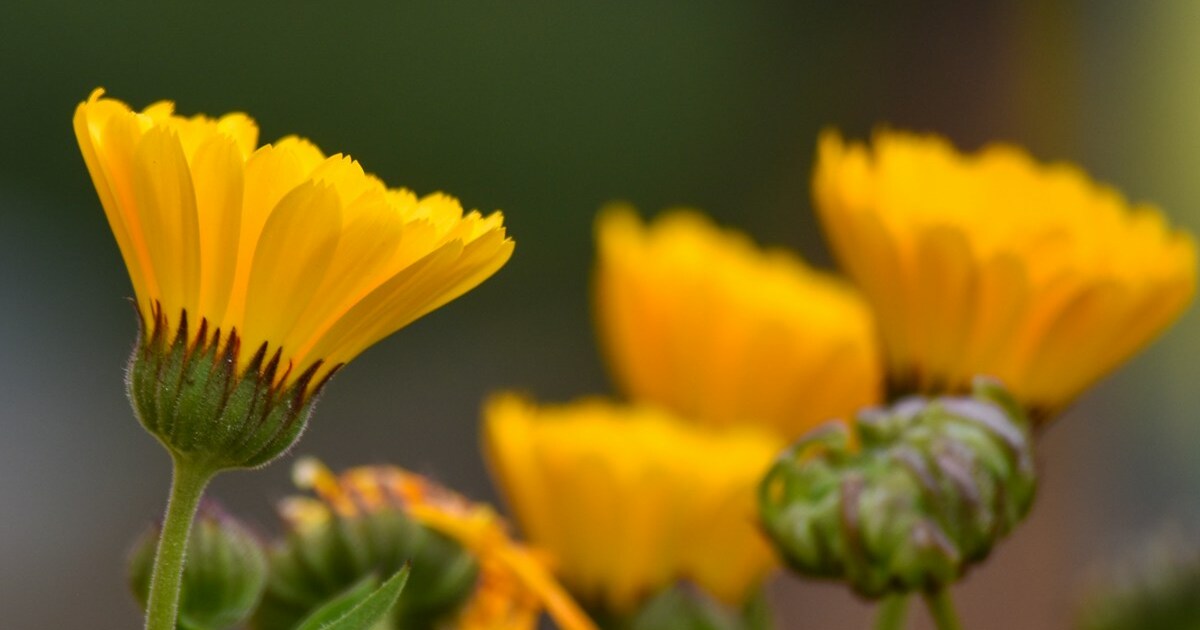

Growing calendula in your garden feels like welcoming a burst of sunshine—those cheerful orange and yellow blooms brighten beds and containers alike! One of my favorite things about calendula (Calendula officinalis) is how versatile it is as a companion plant. Native to the Mediterranean region, calendula isn’t considered invasive in most climates, yet it offers a wealth of benefits: attracting pollinators, repelling certain pests, and even enriching the soil when its spent blooms and foliage are incorporated back into the bed. It’s such a bummer when gardeners don’t realize how pairing calendula with complementary plants can transform their garden into a thriving, balanced ecosystem!
Over the years, I’ve experimented with dozens of companion combinations, and I’m thrilled to share fourteen of the best plants that grow beautifully alongside calendula. I’ve mixed up the order to keep you guessing, and each section dives into two thorough paragraphs covering both practical care tips and ecological notes—like which beneficial insects will nest nearby or how certain companions might behave in your landscape. Whether you’re battling pests in a sunny border or coaxing veggies along in a raised bed, these companions will help your calendula—and your entire garden—flourish!
Zinnias
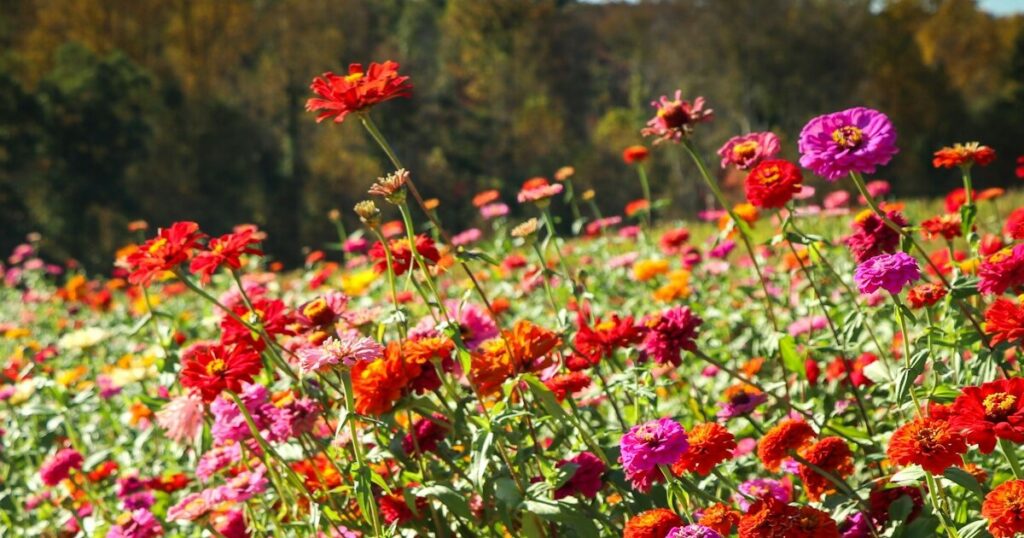
Zinnias are colorful annuals native to Mexico and Central America that thrive in the same conditions as calendula—full sun, well-drained soil, and moderate moisture. Planting zinnias nearby adds bold reds, pinks, and purples that contrast beautifully with calendula’s golden tones, creating a striking sensory display. I’ve seen hummingbirds darting among zinnia blossoms, while honeybees and native solitary bees buzz happily from one bloom to the next.
Beyond aesthetics, zinnias support a wide range of beneficial insects. Lacewings and ladybugs often shelter under zinnia foliage, nesting in the mulch beneath, ready to patrol for aphids that might otherwise target your calendula. Because zinnias aren’t known to naturalize aggressively outside their native range, you can plant them liberally without worrying about invasiveness—just deadhead spent flowers to encourage nonstop blooms!
Beans

Beans, whether pole or bush varieties, are fantastic partners for calendula due to their nitrogen-fixing abilities. Native to the Americas, beans draw nitrogen from the air and deposit it in nodules on their roots, enriching the soil for heavy feeders like calendula. In a raised bed, I’ll interplant beans with calendula, giving vines something to climb while letting marigold-like blooms of calendula line the base, creating a layered, efficient use of space.
The straightforward, upright habit of bean plants also improves air circulation around calendula stems, reducing fungal risks in humid weather. I love watching predatory wasps glide through bean blossoms, hunting caterpillars that might prey on calendula foliage. Since common garden beans rarely escape cultivation, you won’t face invasive issues—just a lush, mutually beneficial pairing!
Borage

Borage (Borago officinalis) is a self-seeding annual/herb native to the Mediterranean that’s renowned for its star-shaped blue flowers and cucumber-like scent. Its flowers sit atop tall, hairy stems, attracting bumblebees and hoverflies, which spill over to visit your calendula blooms as well. I often tuck borage into corners of my herb gardens where calendula also grows, delighting in the cheerful hum of pollinators all day long!
Because borage self-seeds readily in warm regions, you may discover volunteers popping up in the back of your beds—feel free to thin them or let a few establish for a continuous succession of blooms. Their deep taproots also help break up compacted soil, improving drainage for calendula’s shallow roots. Together, borage and calendula create a vibrant, pollinator-magnet mini-ecosystem right by your door or pathway!
Carrots

Carrots (Daucus carota) and calendula make fantastic bedfellows, especially in vegetable plots. Carrots, native to Europe and southwestern Asia, relish the dappled shade cast by taller calendula plants, while calendula benefits from the cooler ground temperatures and moisture retention provided by the ferny carrot tops. When I sow carrot seeds beneath a calendula canopy, I often see better germination rates and fewer aphids on the carrot foliage.
Moreover, calendula’s strong scent repels carrot flies, protecting your carrots from maggot infestations—a common pest challenge for root crops. Meanwhile, predatory ground beetles and rove beetles are drawn to the flowers, and they’ll patrol the soil for slugs and snails that sometimes nibble on carrot stems. Neither species is particularly invasive, making this duo a reliable, low-maintenance pairing in any cool-season garden!
Lettuce

Leaf lettuce varieties thrive in the light shade provided by taller calendula plants, especially as summer heat intensifies. Native to the Mediterranean region, lettuces appreciate that filtered sunlight, which helps prevent bolting and bitterness. I plant rows of ‘Buttercrunch’ or ‘Romaine’ lettuce next to calendula, and by the time marigold-like flowers bloom, the lettuce has matured into crisp, cool heads ready for harvesting.
Calendula’s flowers also deter aphids that often plague tender lettuce leaves, while the dense foliage of lettuce suppresses weeds around calendula bases. Lettuce has virtually no invasive tendencies in home gardens, so you can sow seed freely without worry. Together, the two create a dynamic duo—fresh greens for your table and vibrant flowers for your view!
Tomatoes

Tomatoes (Solanum lycopersicum) and calendula share a love of sunny locations and fertile, well-drained soil. I often tuck calendula at the base of indeterminate tomato plants, where the bright blooms act as living lures for hoverflies and lacewings, which feast on tomato aphids. The splash of orange flowers also serves as a cheerful indicator when scouting for pests among the green foliage.
Calendula roots release compounds that deter nematodes—tiny pests that attack tomato roots—while deep-rooted tomato vines improve soil structure for surrounding calendula. In warm climates, tomatoes rarely naturalize beyond garden beds, so both plants play nicely together without invasive concerns. This combination yields thriving tomatoes and dazzling calendula blooms side by side!
Cosmos
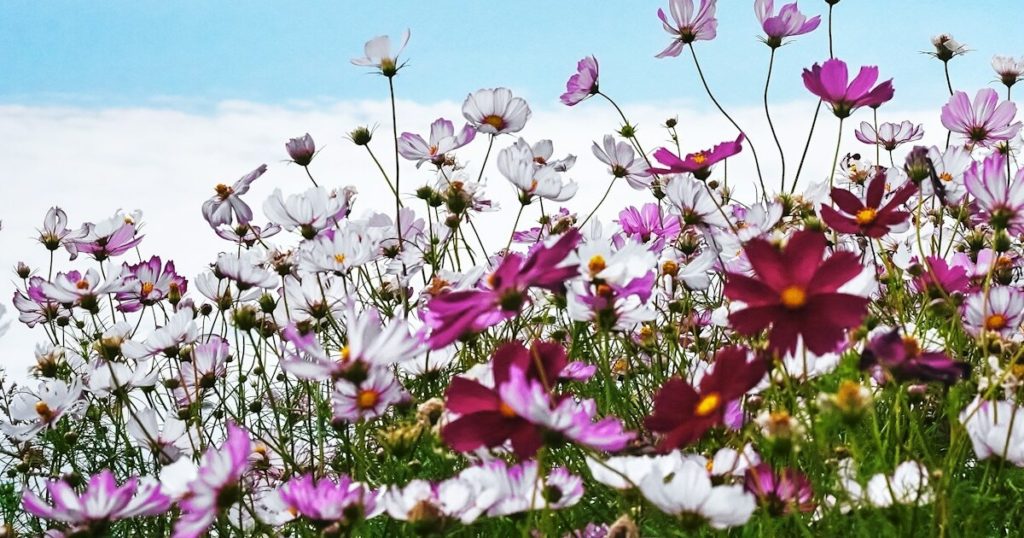
Cosmos (Cosmos bipinnatus), native to Mexico, bring airy, daisy-like blooms that sway gracefully above calendula’s mounded form. Their tall, open habit allows light to filter to calendula below, while the two share pollinators—bees and butterflies flit seamlessly between the pink, white, and mauve cosmos flowers and the golden calendula heads. I adore the texture contrast—a frilly cosmos backdrop with bold calendula clusters in front!
Beneficial predatory insects like parasitic wasps often nest in cosmos foliage and then patrol the area, keeping pest populations in check on both plants. Cosmos self-seed in many regions, so you may discover delightful volunteers the next season; deadhead if you wish to control their spread. Together, cosmos and calendula create a dynamic, pollinator-friendly border that enchants both you and the local wildlife!
Chives
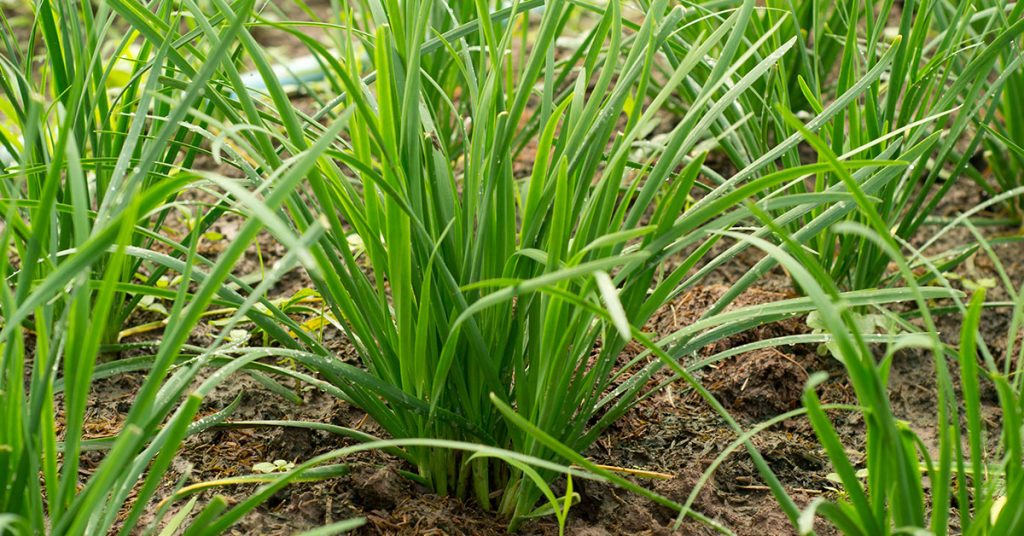
Chives (Allium schoenoprasum), native to Europe and Asia, are not only a culinary favorite but also a charming companion for calendula. Their slender, upright green leaves intersperse beautifully among calendula’s bold blooms, and those purple starbursts of chive flowers attract bees and hoverflies that move seamlessly to nearby calendula petals. I love snipping chive flowers for salads, then watching beneficial insects zip among the petals of my prized marigold-like flowers!
Chive roots help repel aphids, Japanese beetles, and carrot flies, shielding calendula and other veggies in the vicinity. Because chives form tidy clumps rather than spreading aggressively, they won’t overrun your garden bed—just divide crowded clumps every few years to rejuvenate growth. This dual-purpose pairing enhances both your salad bowl and your garden’s pest resilience!
Peppers
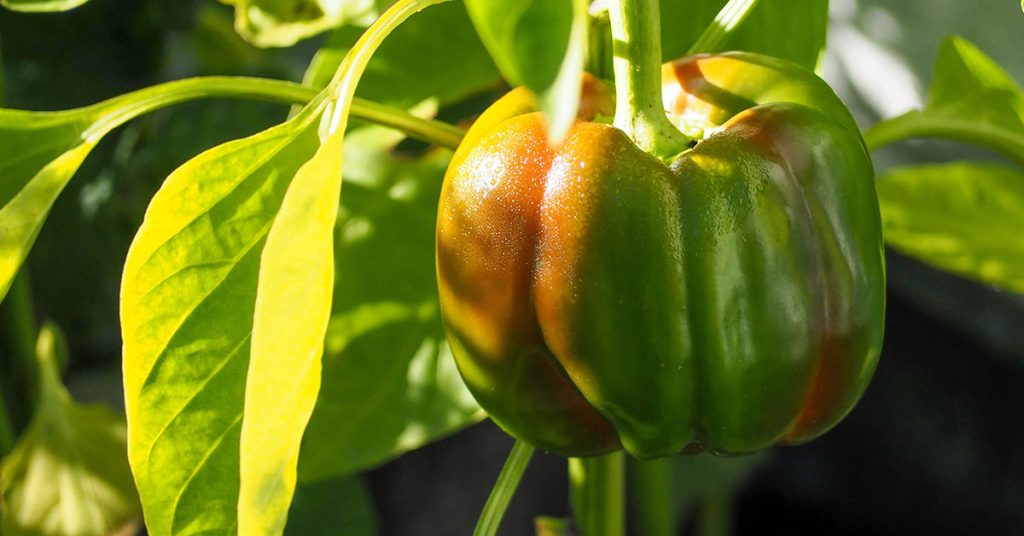
Bell peppers and hot peppers (Capsicum annuum), native to Central and South America, thrive alongside calendula in sunny, warm beds. Calendula’s fragrance confuses thrips and beetles that might otherwise target pepper foliage, while the vibrant flowers draw in beneficial hoverflies that eat aphids. I’ve often found that peppers ripen more uniformly when shaded slightly by nearby calendula, which moderates soil temperatures.
In tropical regions, peppers seldom escape cultivation, so you can plant them confidently without worrying about invasiveness. Together, peppers and calendula form a colorful, functional duo—crimson, green, and orange hues weaving through your garden, all while improving pest control and pollinator visitation!
Squash
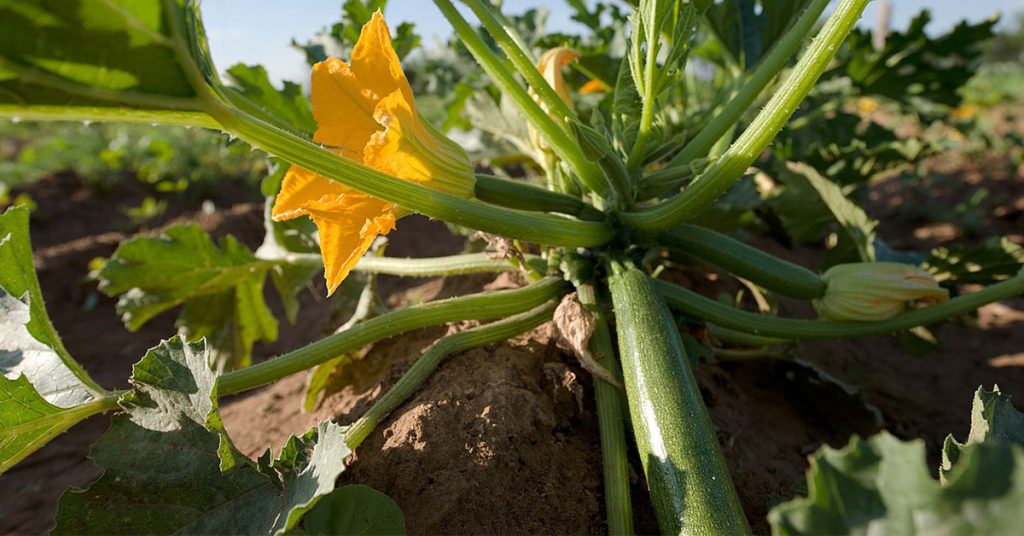
Summer squash varieties—zucchini, yellow crookneck, and pattypan—thrive when calendula is planted along the edges of the patch. Calendula repels squash bugs and attracts ladybug larvae, which feast on any early nymphs daring to settle on the squash. Squash leaves provide broad shade that keeps calendula roots moist during heat waves, helping those bright blooms stay vigorous.
Because squash can sprawl aggressively, I’ve found that a ring of calendula around the patch serves as both a natural nematode guard and a living mulch. Volunteer seedlings of squash may emerge, but they’re easy to remove if you prefer a neater bed. This partnership makes the most of your space, giving you healthy squash fruits and nonstop calendula color!
Onions
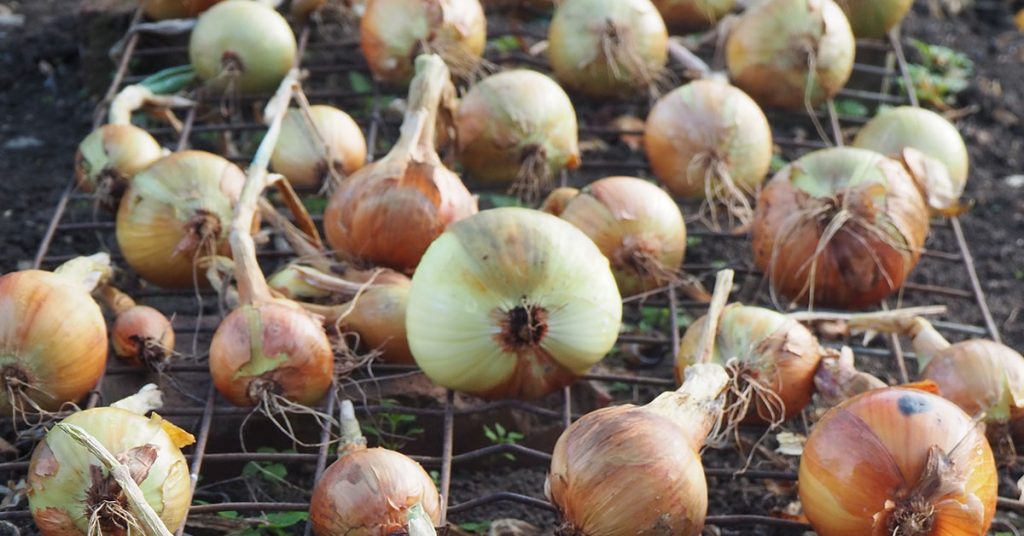
Alliums like onions (Allium cepa), native to central Asia, are superb calendula companions. Their pungent scent deters aphids and carrot flies, protecting your calendula blooms as well as any nearby veggies. I often plant a border of short-day onions around my flower beds, where their tapered green shoots contrast attractively with calendula’s round petals.
Onions have a fibrous root system that doesn’t compete aggressively for space, so both plants can flourish side by side. Since onions rarely act invasive in home landscapes, you’ll have one less worry—only a happier garden filled with buzzing bees and thriving calendula!
Sunflowers

Sunflowers (Helianthus annuus), native to North America, make a bold statement behind beds of calendula. Their towering stalks and large flower heads attract a dazzling array of pollinators—honeybees, bumblebees, and even hummingbird moths—which then visit your calendula below. I love creating “sunburst” layers: sunflowers in the back, calendula in front, for a radiant effect.
After sunflower blooms fade, the seed heads become nesting and feeding sites for finches and sparrows, adding another layer of wildlife interest. Volunteer sunflowers may pop up, but they’re easy to manage or transplant. The combination of sunflowers’ dramatic height and calendula’s ground-hugging brilliance turns any garden edge into a living, buzzing spectacle!