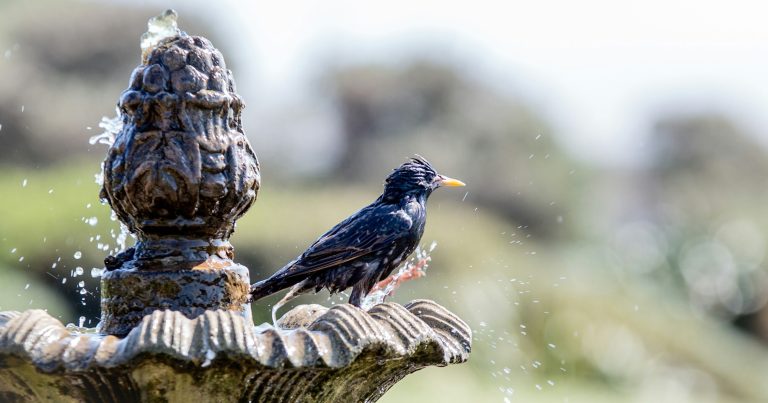
Bird baths: charming, idyllic, and a delightful addition to any garden, right? Well, yes, but there’s a bit more to the story. While these little pools offer a vital resource for our feathered friends, especially during those scorching summer months or the icy grip of winter, they’re not without their pitfalls. From the unsuspecting dangers...
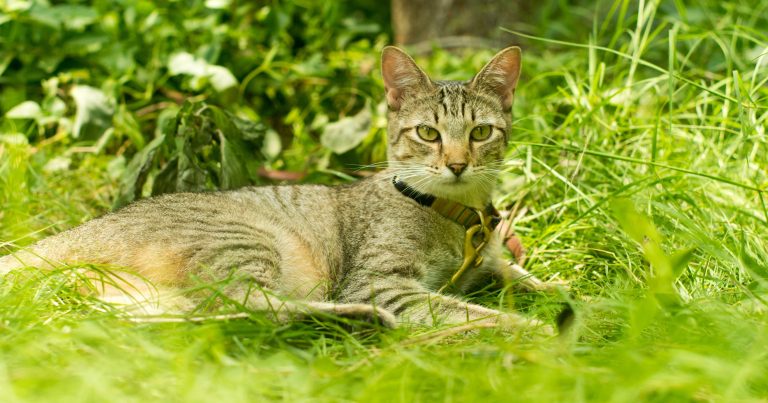
Creating a safe and nurturing environment for our feline companions involves more than just providing food, water, and shelter. As cat owners, we must also be vigilant about the plants we bring into our homes, as many common houseplants can pose a threat to the health and safety of our beloved pets. While plants often...
As a dedicated gardener, you want to see your plants thrive and produce bountiful yields. It can be tempting to reach for those brightly colored, synthetic fertilizers that promise quick results. However, these blue powders and liquids might be doing more harm than good. Synthetic fertilizers can disrupt the natural balance of your soil, harm...
Plants have always played a significant role in expressing emotions, especially love and romance. Throughout history, flowers and plants have been used to convey feelings of passion, affection, and admiration. Whether you’re looking to create a romantic garden, give a meaningful gift, or simply enjoy the beauty of these plants, understanding their symbolism can add...
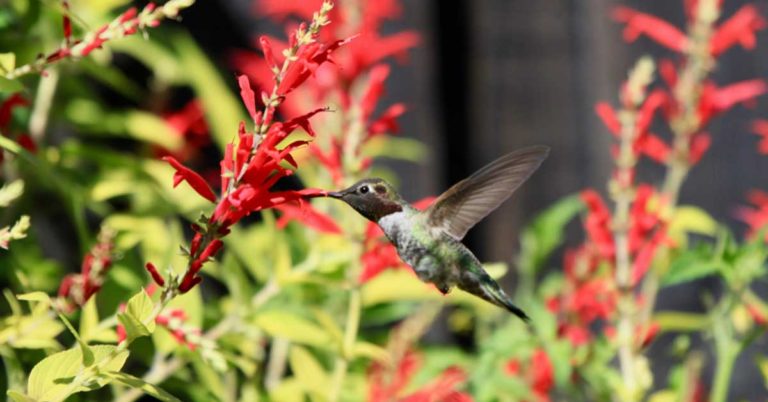
September marks the beginning of an incredible journey for hummingbirds, as they embark on their long migration to warmer climates. These tiny birds, known for their vibrant colors and rapid wing beats, will travel thousands of miles to their wintering grounds in Central America and Mexico. It’s a journey that requires an immense amount of...
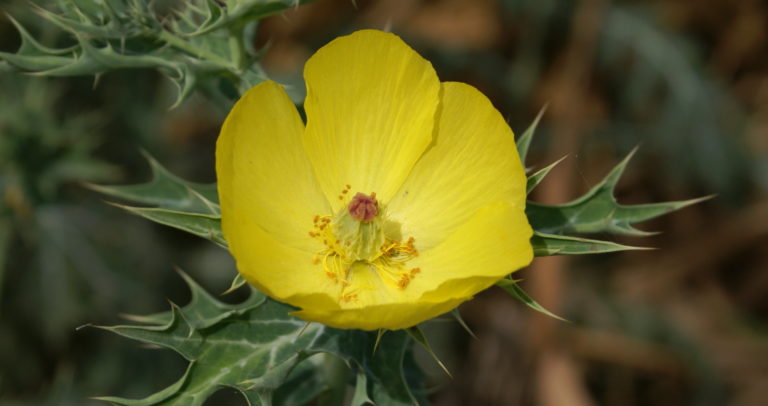
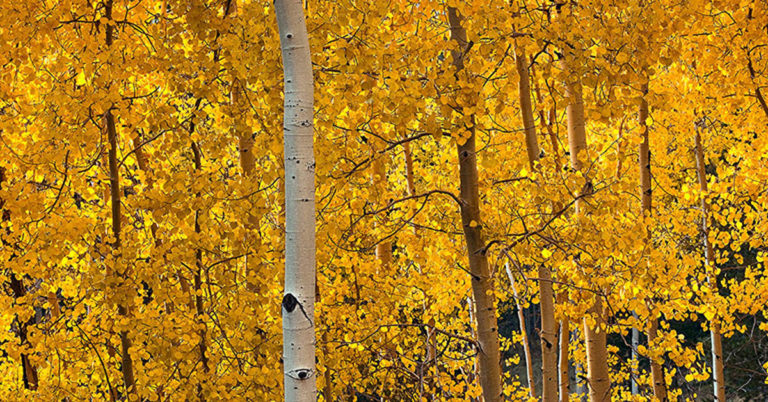
Isn’t it wonderful when the crisp air of autumn brings a wash of golden hues to the landscape? Fall is my favorite time of year, and it’s such a thrill to see those golden yellow leaves light up a garden. Whether you’re trying to bring more brightness to your yard or hoping to create a...
In a fast-moving world dominated by screens, traffic, and concrete, more people are looking for ways to slow down and reconnect with something real. Forest therapy is one such practice, gaining traction for its simple yet powerful effect on the human body and mind. At its core, forest therapy means immersing yourself in a natural...
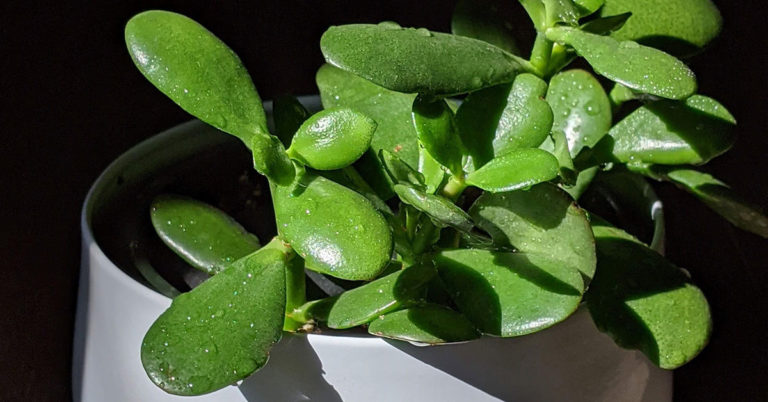
Succulents have become one of the most popular houseplants in recent years, and for good reason. They are beautiful, low-maintenance, and come in an incredible variety of shapes and colors. However, one of the biggest mistakes gardeners make with succulents is improper watering. While these plants are drought-tolerant, they still need the right care to...
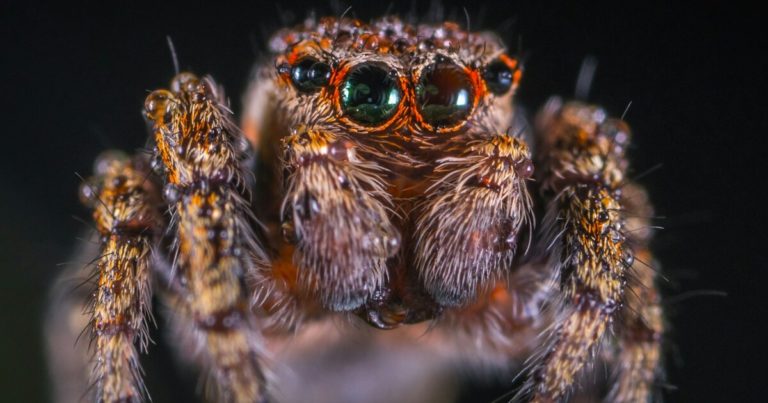
As a gardener, it’s easy to view insects as the enemy, especially when you find them munching on your prized plants. However, not all bugs are bad! In fact, some of the insects people commonly dislike are actually beneficial for your garden. These unsung heroes play crucial roles in pollination, pest control, and soil health....
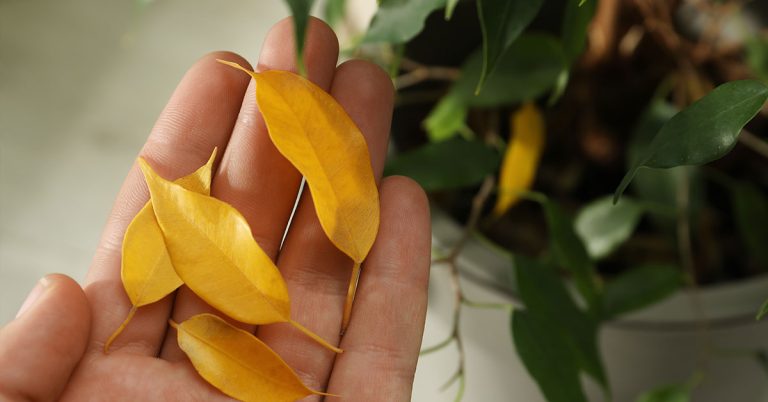
If your houseplants were thriving for months and suddenly seem to be struggling, the culprit might be right in your watering can. Tap water is convenient and widely used, but for many plants, the minerals, chemicals, and additives it contains can slowly build up and cause stress. Brown leaf tips, yellowing foliage, stunted growth, and...
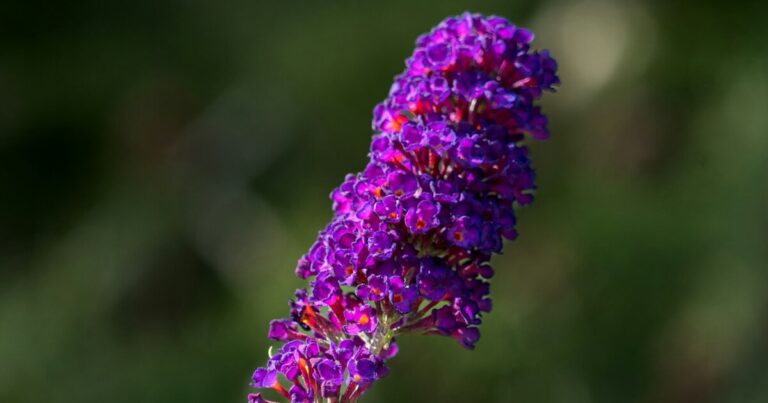
Walk through any garden center in spring, and you are almost guaranteed to see rows of butterfly bushes covered in bright blooms and buzzing with pollinators. These shrubs are marketed as must-haves for creating a butterfly-friendly garden, but the truth is more complicated. While butterfly bushes do attract adult butterflies with their nectar, they fail...
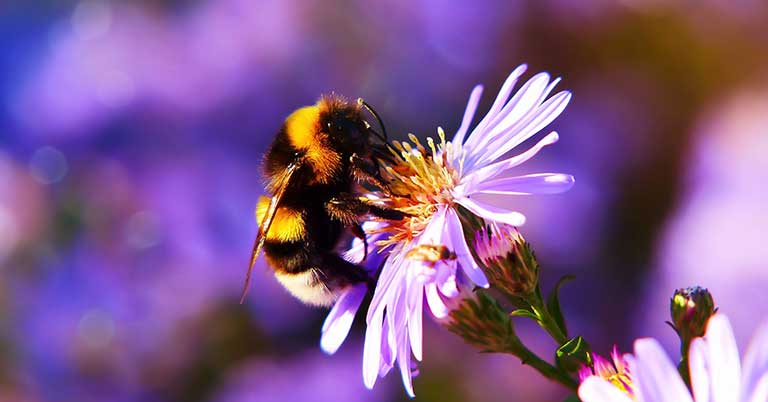
By the time late summer fades into fall, many gardens begin to lose their color. But for pollinators like bees, butterflies, and hummingbirds, this is one of the most critical times of the year. As natural food sources dwindle, late-blooming flowers provide essential nectar and pollen that help pollinators survive migration, reproduction, and winter hibernation....