
Walk past a large oak or elm after a heavy storm, and you might notice something that stops you cold. There, running down the bark in slow, dark rivulets, is a thick liquid that looks almost exactly like blood. It is not blood, of course, but the sight is striking enough that people have built folklore and superstitions around it for centuries.
The truth behind this phenomenon is rooted in biology, pressure, and a surprisingly sophisticated set of defense systems. Trees are not passive objects. They respond to injury in ways that, once you understand them, are genuinely impressive.
Storm Wounds Open the Floodgates
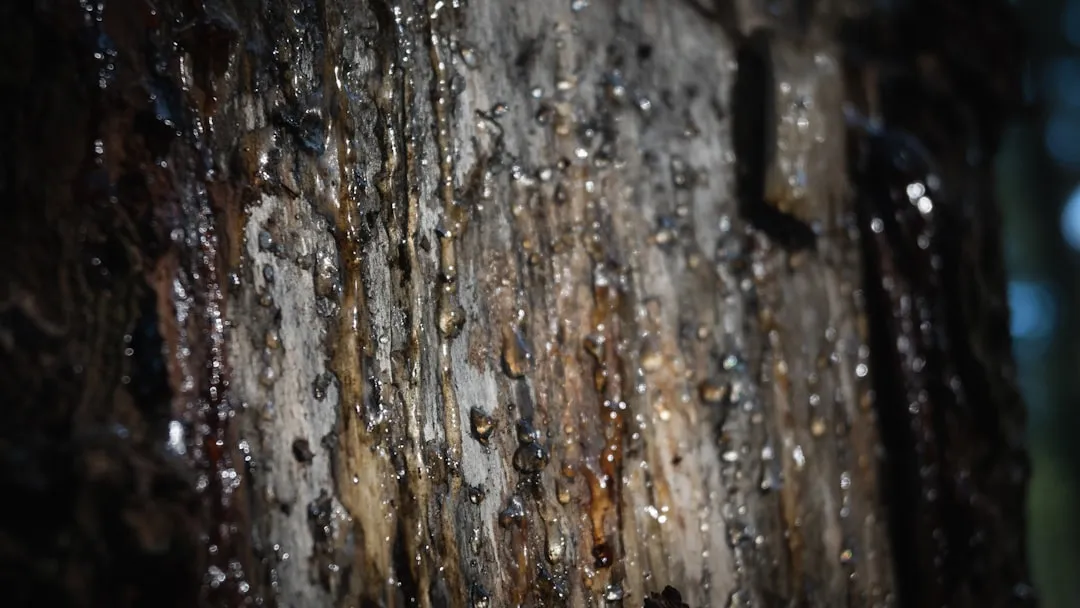
High winds and heavy ice can snap branches, creating large, jagged wounds that leak sap profusely. These are not minor surface scratches. A snapped limb tears through bark, cambium, and the vascular layers underneath, exposing the tree’s internal transport systems to open air.
When a tree suffers damage that penetrates the bark and cambium layer, these vessels rupture, causing fluids to leak out in what appears to be bleeding. The cambium is the thin, living layer just beneath the bark responsible for growth. Once that layer is breached, the fluid inside has nowhere to go but out.
What Sap Actually Is
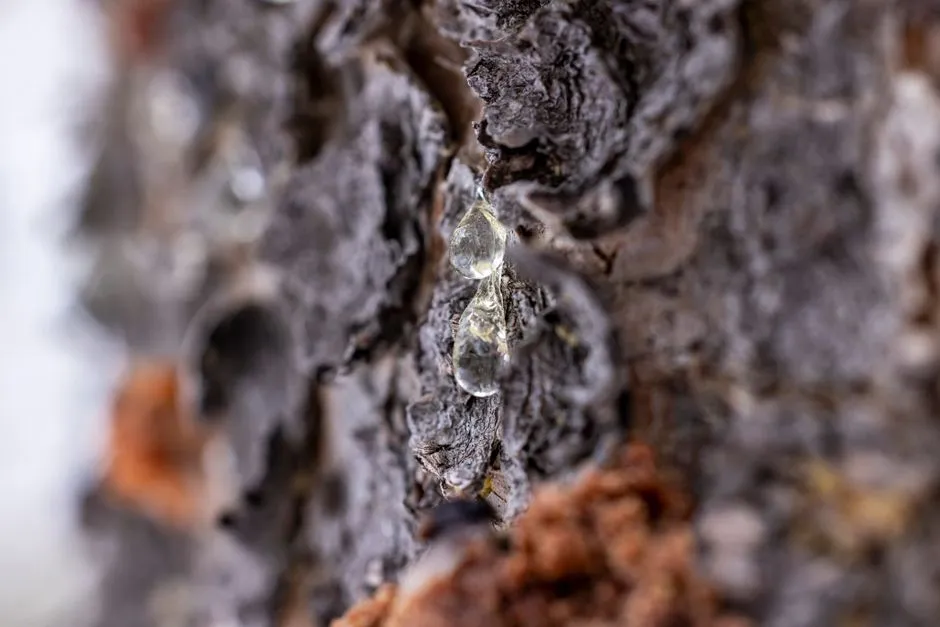
Sap is the lifeblood of a tree, made of a sugary liquid filled with water, nutrients, and minerals that are transported throughout a tree via the phloem and xylem, much like blood moves through the human body. The comparison to blood is more than just poetic.
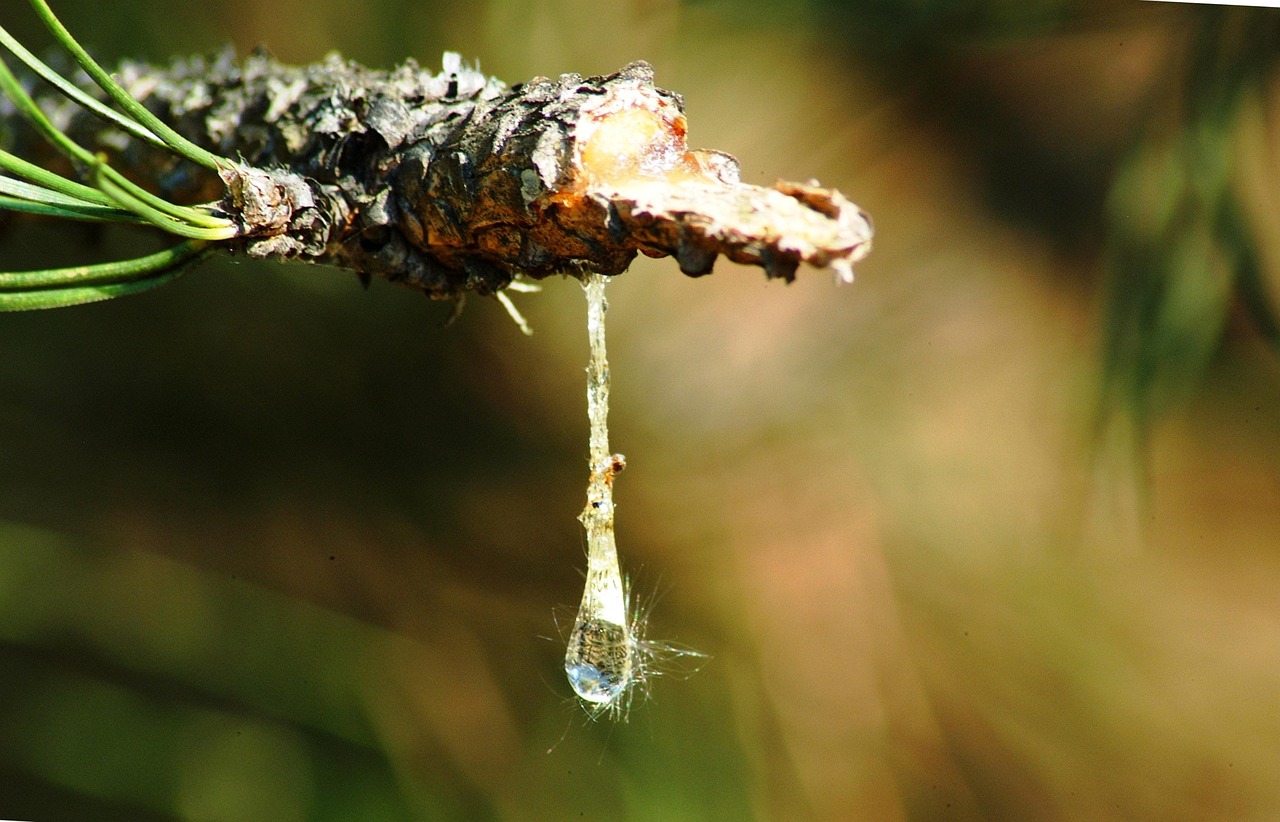
The composition of this “blood” varies dramatically between species. Maple trees release a watery sap containing roughly two to three percent sugar during spring, which humans have harvested for centuries to make syrup. Pine and fir trees, by contrast, exude thick, sticky resin composed of volatile terpenes and solid rosin acids. So the color and consistency of what flows from a wound depends entirely on the species in question.
The Biology Behind the “Bleed”
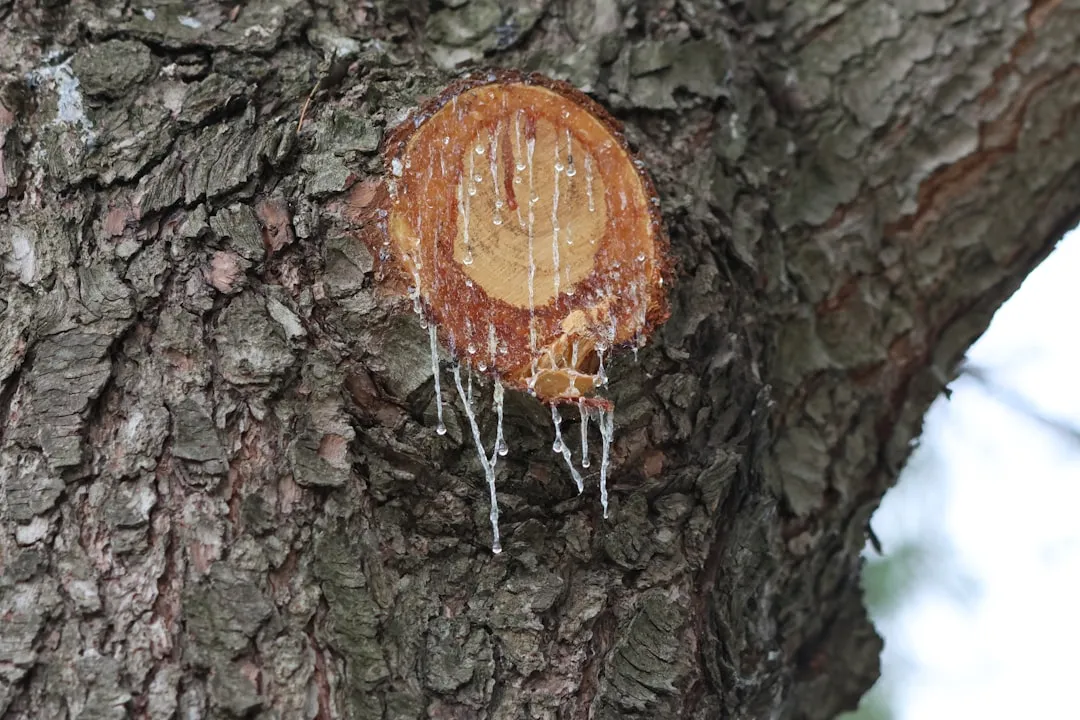
When a tree starts to “bleed,” it is essentially exuding sap or resin through the bark in response to an injury or stress. Bleeding is a natural and beneficial process that can help a tree heal and protect itself, but excessive or persistent bleeding can indicate an underlying problem that may need attention.
When a tree sustains an injury, it triggers a rapid response from specialized cells to seal off the wound and prevent further harm. As the tree “bleeds,” sap is typically released from the phloem that transports water, nutrients, and sugars throughout the plant. The sap forms a protective layer over the injured area, creating a barrier to prevent entry of pathogens like bacteria and fungi.
Why Some Sap Looks Like Blood
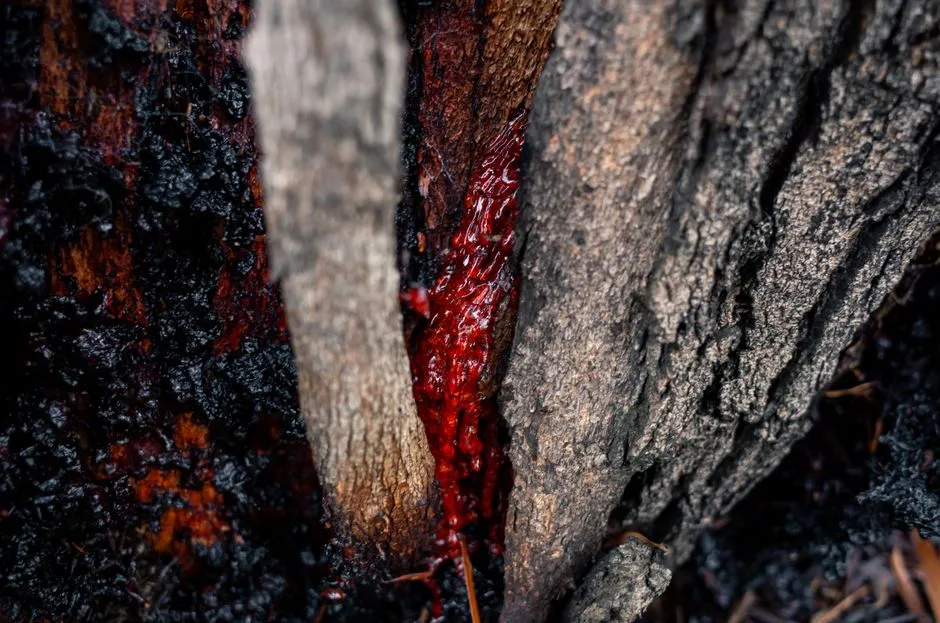
The red sap results from tannins and other pigments released by the tree’s vascular system when the bark is damaged. This is why certain species produce sap that ranges from pale amber all the way to a deep, unsettling crimson. The chemistry of the wood determines the color.
When the bark is breached in species like the bloodwood tree, a dark, sticky sap rich in tannins is secreted. This fluid functions as a biological sealant, rushing to the site of an injury to coagulate and create a protective barrier against fungal rot. It is, in a very real sense, the tree clotting its own wound.
The amount and color of sap can even change with soil chemistry, temperature, and rainfall. This sensitivity means bleeding trees are often barometers of their local environment, signaling shifts in climate and health.
When Bacteria Move In: Slime Flux
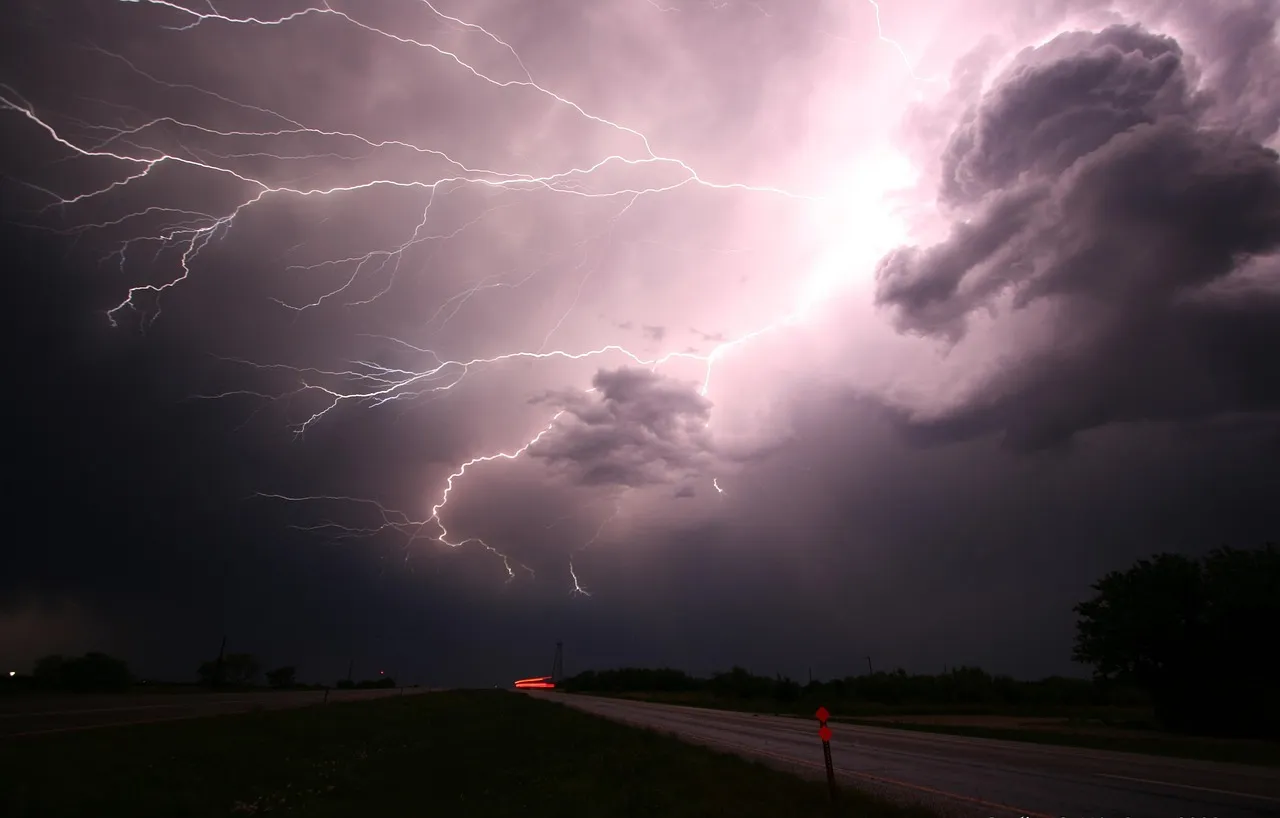
Storm damage does more than open a wound. It can invite a secondary problem that turns the bleeding darker, smellier, and far more visible. Bacterial wetwood, or “slime flux,” is a condition in trees characterized by the bleeding of sap through an open wound in the bark. Symptoms may occur in the spring or fall when sap flows peak, and it most commonly occurs in trees larger than twelve inches in diameter.
Slime flux is usually preceded by some type of bark wound caused by a mechanical injury, wood split by freezing, wind, or storm injury. Bacteria enter through old wounds above or below the soil line. Once inside, they get to work fast.
The bacteria, including species of Clostridium, Bacillus, Enterobacter, Klebsiella, and Pseudomonas, grow within the tree using the sap as a nutrient source. As the sap is consumed, oxygen in the heartwood is depleted, methane is produced, the pH of the sap rises, and pressure builds inside the wood, reaching up to sixty pounds per square inch in affected trees compared to just five to ten in healthy ones.
The Species Most Vulnerable After a Storm
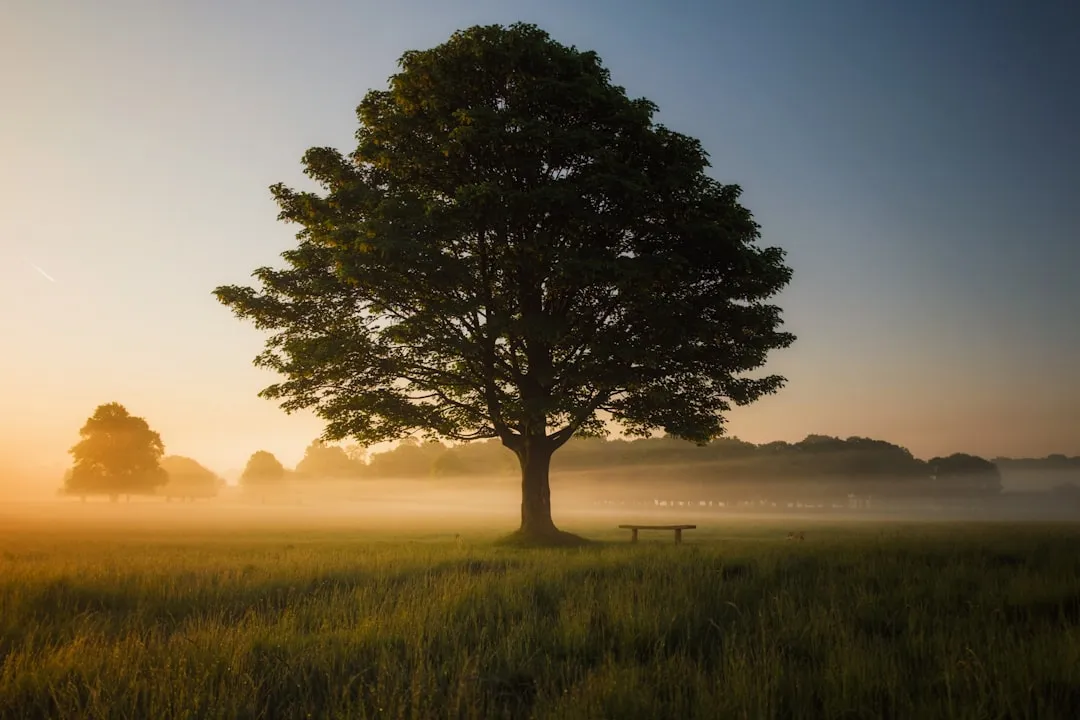
Oaks, elms, and maples are the species most often affected by slime flux, but certain softwoods are also susceptible. These are often large, mature trees, which makes the bleeding particularly visible and dramatic after a major weather event.
Slime flux is extremely common on mature elms, oak, and mulberry, and is seen less frequently on maples, paper birch, sycamore, and walnut. Interestingly, the very size that makes these trees impressive is also what makes them targets. Bacterial wetwood occurs in the trunk, branches, and roots of many shade and ornamental trees, but is often not obvious in trees less than ten years old.
The Tree’s Internal Check Valve System
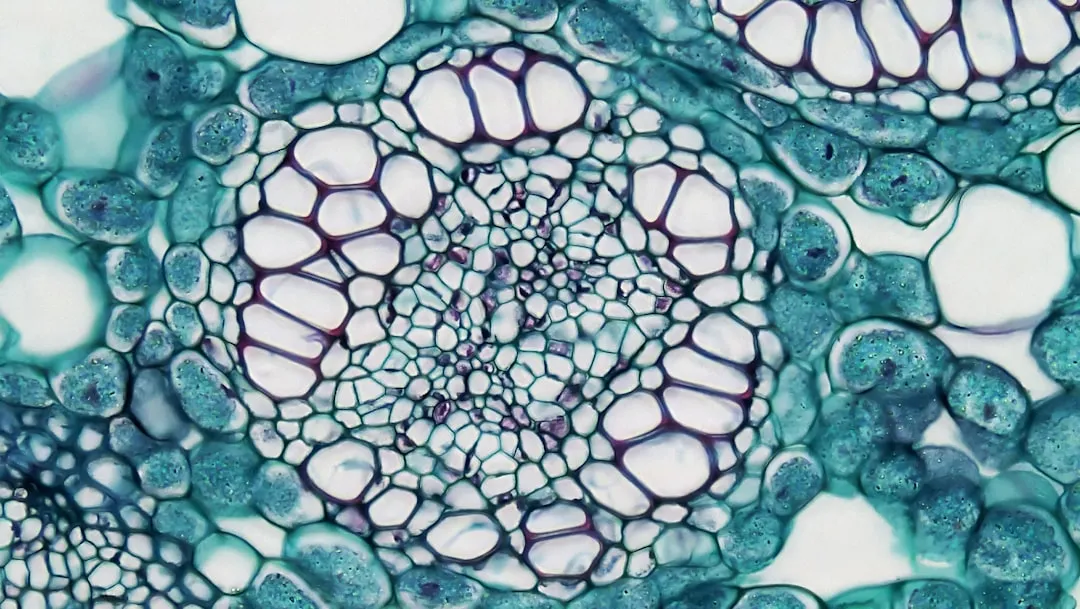
A storm wound creates sudden and severe pressure changes inside the tree. Remarkably, most trees have a built-in mechanism to prevent themselves from simply emptying out. Researchers have used a special type of microscope to discover how “check valves” in wood cells control sap flow and protect trees when they are injured. Researchers from Virginia Tech, Georg-August University of Göttingen, and the Jackson Laboratory discovered how “check valves” in wood cells control sap flow, with the study featured in the American Journal of Botany.
When the tree is injured, sap starts to flow out, and air flows in. This changes the partial pressure and, just like a check valve used in plumbing systems, the bordered pit closes. It is an elegant, automatic shutdown mechanism that limits fluid loss after a wound.
How Trees Wall Off the Damage
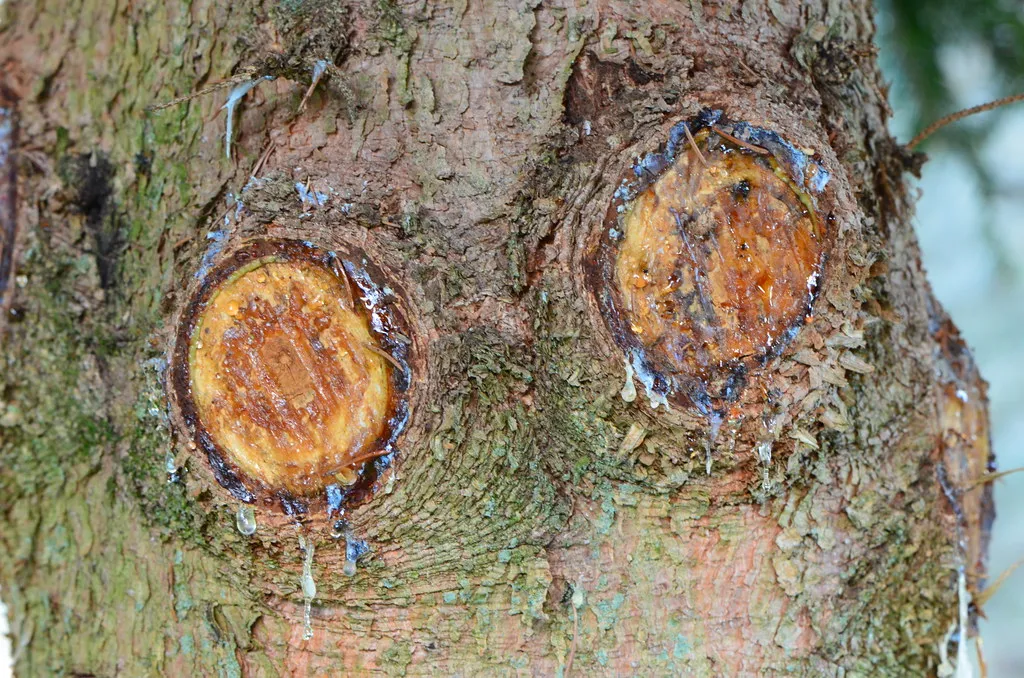
Trees do not heal wounds the way animals do. They do something arguably more sophisticated. When a tree is wounded, it cannot heal and can only defend itself from the spread of infection by walling off the damaged area and giving up those cells. This walling process is called Compartmentalization of Decay in Trees, or CODIT. The walls created when the tree is wounded are mostly chemical and internal.
CODIT is a natural defense mechanism and conceptual model that explains how woody plants isolate and contain injury, infection, and decay within discrete compartments of their vascular tissues, preventing widespread damage and promoting long-term survival. Think of it as the tree building internal firebreaks.
Large wounds on oak trees can take five to ten years to fully compartmentalize, while a small branch break might be sealed within a single growing season. The process is slow, but it works. Small wounds may seal within weeks, but large injuries can take years. The closure rate depends on tree species, wound size, tree vigor, and growing conditions, with roughly one inch of wound closure per year being typical for healthy hardwoods.
The Role of Insects and the Fermented Sap
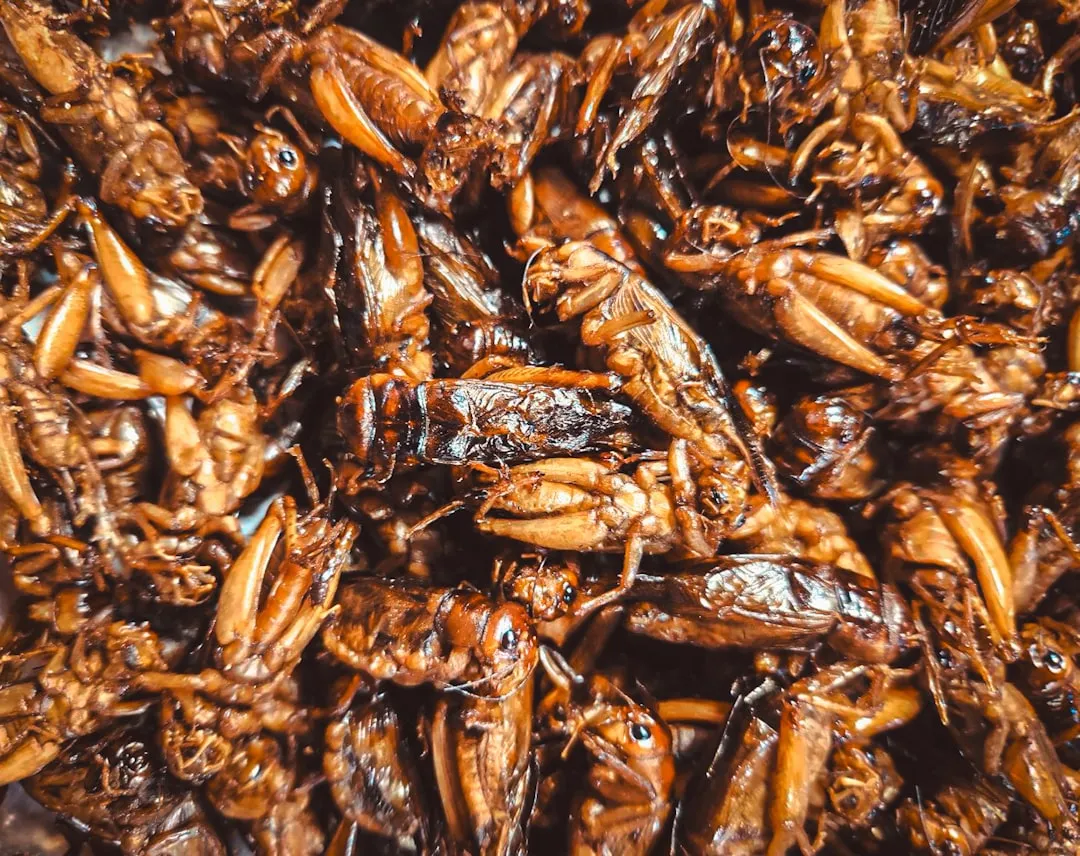
Once sap starts flowing from a storm wound, it does not go unnoticed. The sap released from the tree is full of natural sugars and fermented bacteria, which can attract a variety of bees, wasps, yellow jackets, beetles, butterflies, and other insects. These insects feed on the sticky sugary sap but should not cause any damage to the tree itself. People often blame these insects as the cause of the problem, but they are there secondarily.
Bacteria may infect this sap, causing it to darken and stain the bark, eventually taking on a foamy appearance and an unpleasant odor. This slimy ooze can become toxic to the bark and eat into the tree. The fermented sap also attracts insects like flies, ants, and maggots. What looks like a wound becomes a small ecosystem.
Is the Tree in Danger? What to Actually Do
Walking up to a bleeding tree after a storm can feel alarming, but context matters. Although the symptoms are unsightly, little damage is done to the tree in most situations. However, if affected trees are under severe stress from other factors such as soil compaction, wetwood bacteria can move into the sapwood and cause leaf yellowing, wilting, and branch dieback.
Binding and wrapping the cut is not recommended, as it is better to allow air to reach the wound and let it heal naturally. Current guidance from the Royal Horticultural Society also no longer recommends painting pruning cuts with wound paints, as this too may trap moisture and promote fungal infection.
The best way to avoid tree cankers and related problems is to avoid stressing your tree. While you may not be able to predict or prevent stressors such as drought or wounds caused by a storm, regular mulching, pruning, watering, and fertilizing will give your tree the best chance of defending itself against these stressors.
A Defense System Millions of Years in the Making
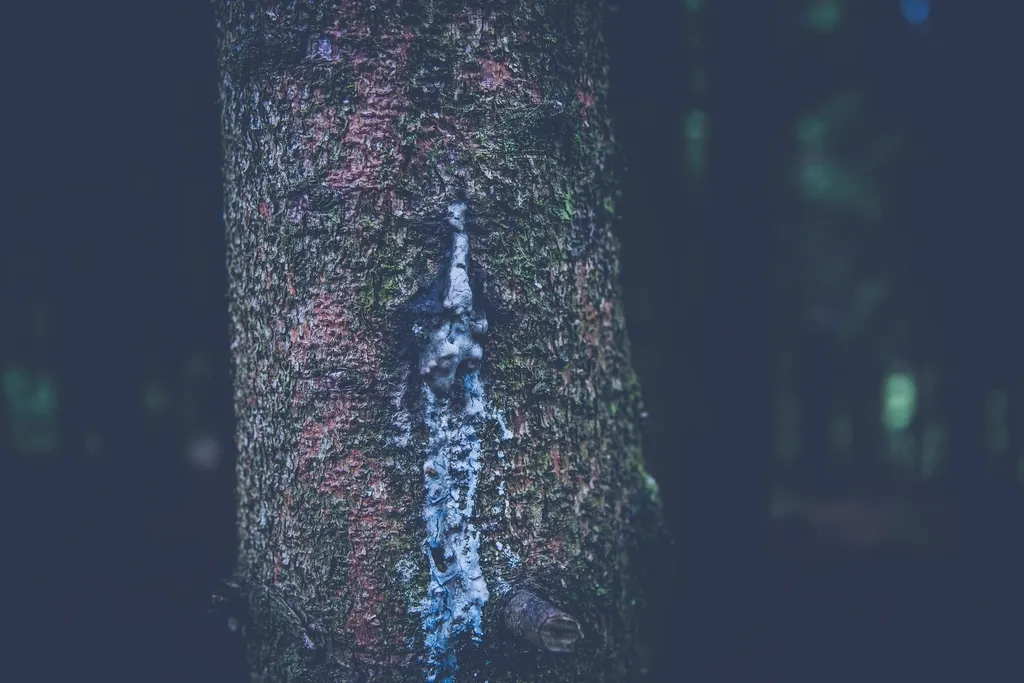
The sight of a tree “bleeding” after a storm is one of those moments where nature’s complexity shows itself without warning. What looks like distress is, in most cases, a finely tuned defense strategy. Trees mobilize complex chemical defenses within minutes of injury, using resin, latex, or compartmentalization barriers to seal wounds and prevent infection from fungi and insects. Different tree species evolved distinct “bleeding” strategies based on their environments: conifers produce toxic resins, tropical trees yield latex, and desert species make water-sealing gums.
Slime flux, colored sap, and weeping wounds are not signs that a tree is giving up. They are signs that it is still fighting. Sap may contain antimicrobial properties that help inhibit the growth of microorganisms at the site of the wound, reducing the risks of infection. The chemistry running down that bark is doing exactly what it evolved to do.
Next time you see a tree streaked with dark, sticky fluid after a storm, it is worth pausing for a moment. You are watching one of the oldest, most resilient biological systems on the planet doing what it has always done: holding on.
AI Disclaimer: This article was created with the assistance of AI tools and reviewed by a human editor.