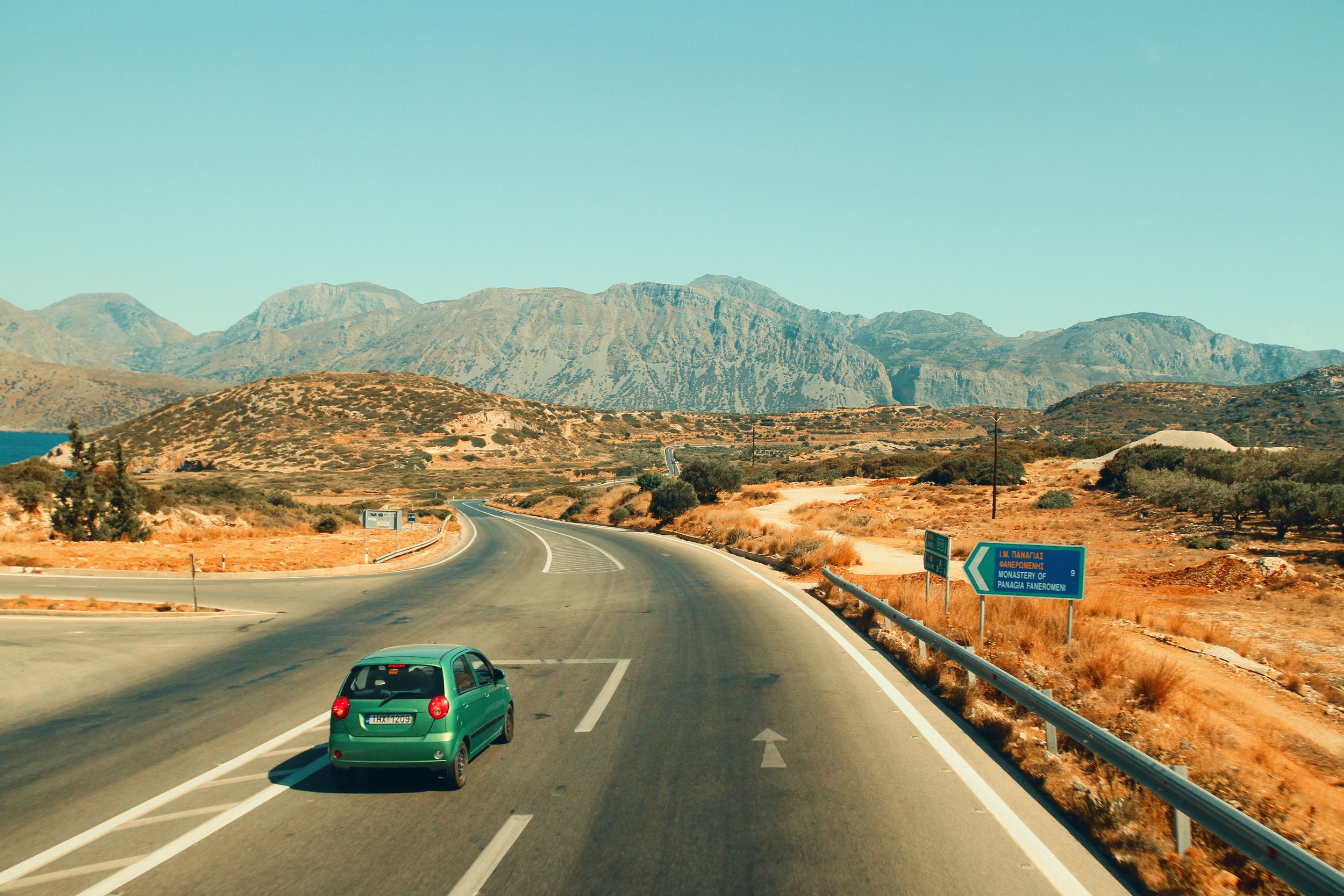

There’s something that gets lost when you pin a blue dot on a map app and just follow the voice. The road becomes a corridor instead of an experience. You arrive, sure, but you don’t quite feel like you went anywhere.
Road trips have long been a defining part of American travel culture, and Americans aren’t slowing down, with an estimated 1.95 billion road trips taken in 2024 alone. According to Campspot survey data, an overwhelming majority of Americans yearn to break free from the complexities of the current era, with nearly three quarters saying that a longing for a simpler time will strongly influence their travel decisions. The open road still calls. The question is whether we’re listening the right way.
1. Unfolding an Actual Paper Map
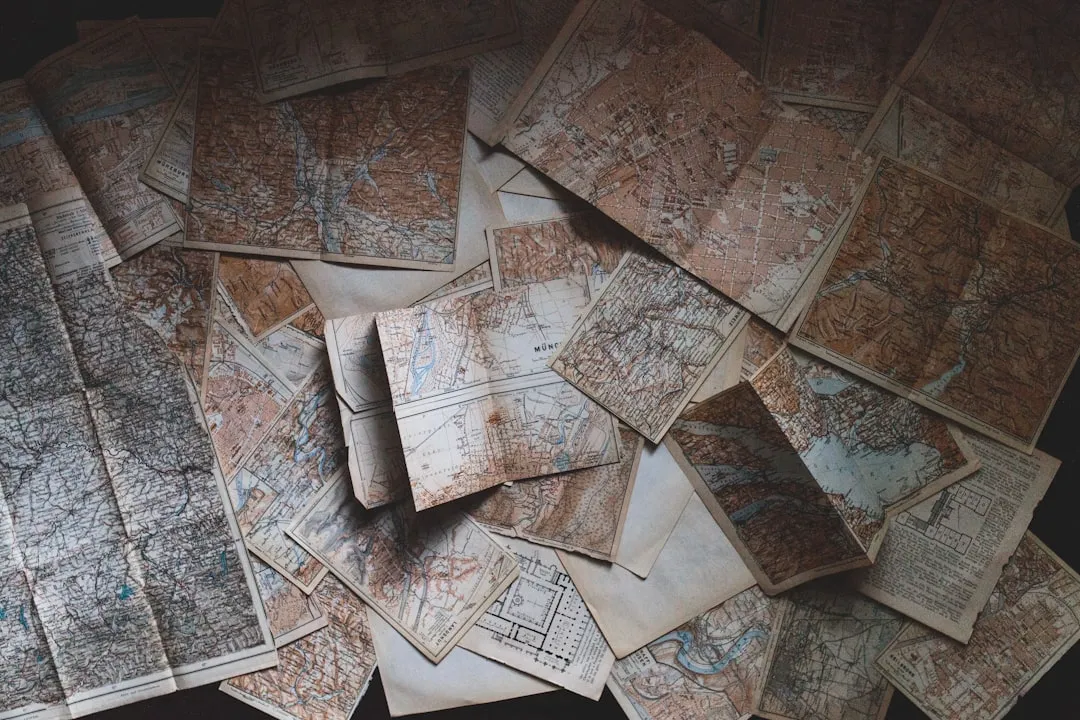
Analog travel prioritizes intentional, low-tech experiences on vacation over digital distractions. It’s all about slowing down, using tangible tools like paper maps and film cameras, and seeking memorable, meaningful travel moments rather than merely capturing content for social media.
Amid the raging nostalgia for the 90s and early aughts, the concept of “going analog” has trickled into the cultural zeitgeist. Whether due to social media, AI, or our society’s reliance on technology, many of us are craving a less digitally saturated existence.
Film cameras, paper maps, and unplugged cabins bring back travel’s textures, from the click of a shutter and the rustle of a fold to the starlit hush beyond notifications. Analog is curation, not rejection, where tech becomes a tool and not a tether. The payoff is even cognitive, because fewer interruptions improve memory encoding. There’s also the practical argument: GPS signals get lost and phones die, but paper maps are forever reliable.
2. Stopping at a Roadside Diner Instead of a Drive-Through
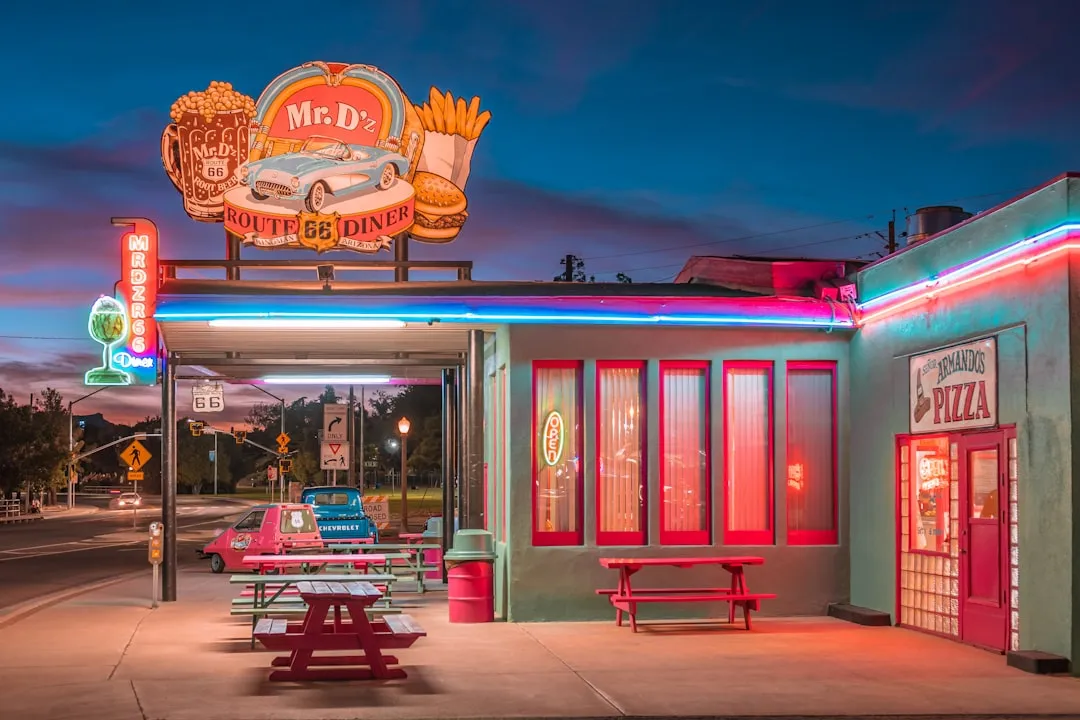
By the 1920s and 1930s, road trips were becoming more organized, thanks to the creation of Route 66 and the increasing popularity of roadside diners. That culture didn’t disappear. It just got sidelined by the highway bypass and the fast-food window.
Genuine roadside institutions still exist and are worth the detour. Along Highway 15 in Yermo, California, Peggy Sue’s 50’s Diner was originally built in 1954 with just nine counter stools and three booths. Reopened in 1987, it now displays an extensive collection of movie and television memorabilia, serves homemade cooking against a backdrop of 1950s music, and still offers old-fashioned ice cream, malts, and sundaes.
Enterprise research found that nearly half of road trip respondents wanted local food and cuisine as part of their ideal holiday, and roughly a third were drawn to culture and history. A roadside diner delivers all three in one sticky-laminate-menu package.
3. Packing a Proper Roadside Picnic
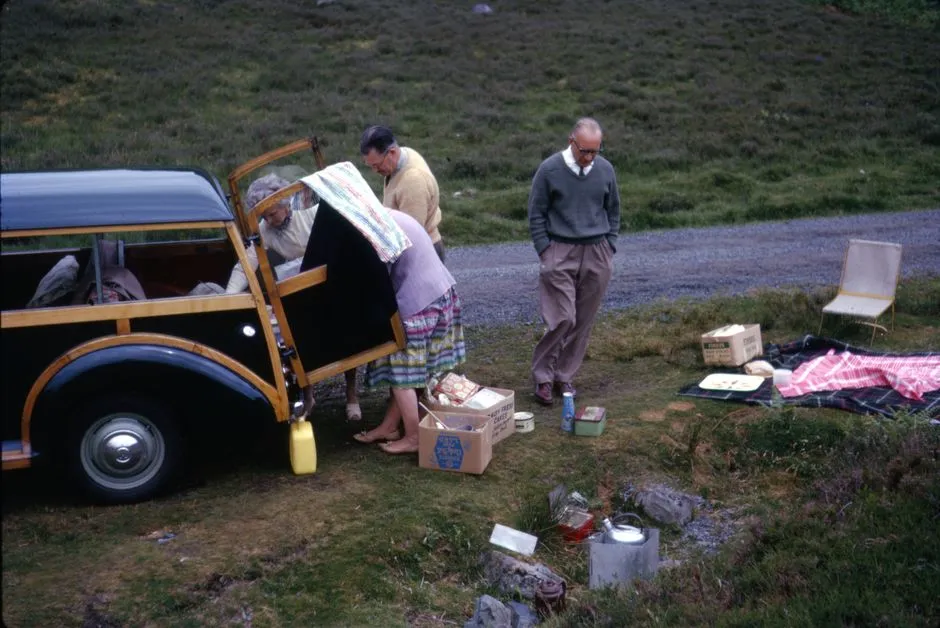
The golden age of the road trip picnic had families packing sandwiches, hard-boiled eggs, and fruit for a quick meal at rest stops or parks. It was never glamorous. That was the whole point.
One of the most underrated joys of summer travel is the roadside picnic. Not a fancy one, and no elaborate wicker basket required. A simple blanket, a shady patch of grass, sandwiches wrapped in parchment, and maybe a thermos of something cold is all it takes.
Scenic overlooks, local parks, quiet rest areas, and lakefront benches all give everyone room to stretch their legs and breathe fresh air. A picnic stop turns lunch into a memory. You slow down for fifteen minutes, and somehow those fifteen minutes end up being what everyone remembers about the whole trip.
4. Taking the Scenic Route on Purpose
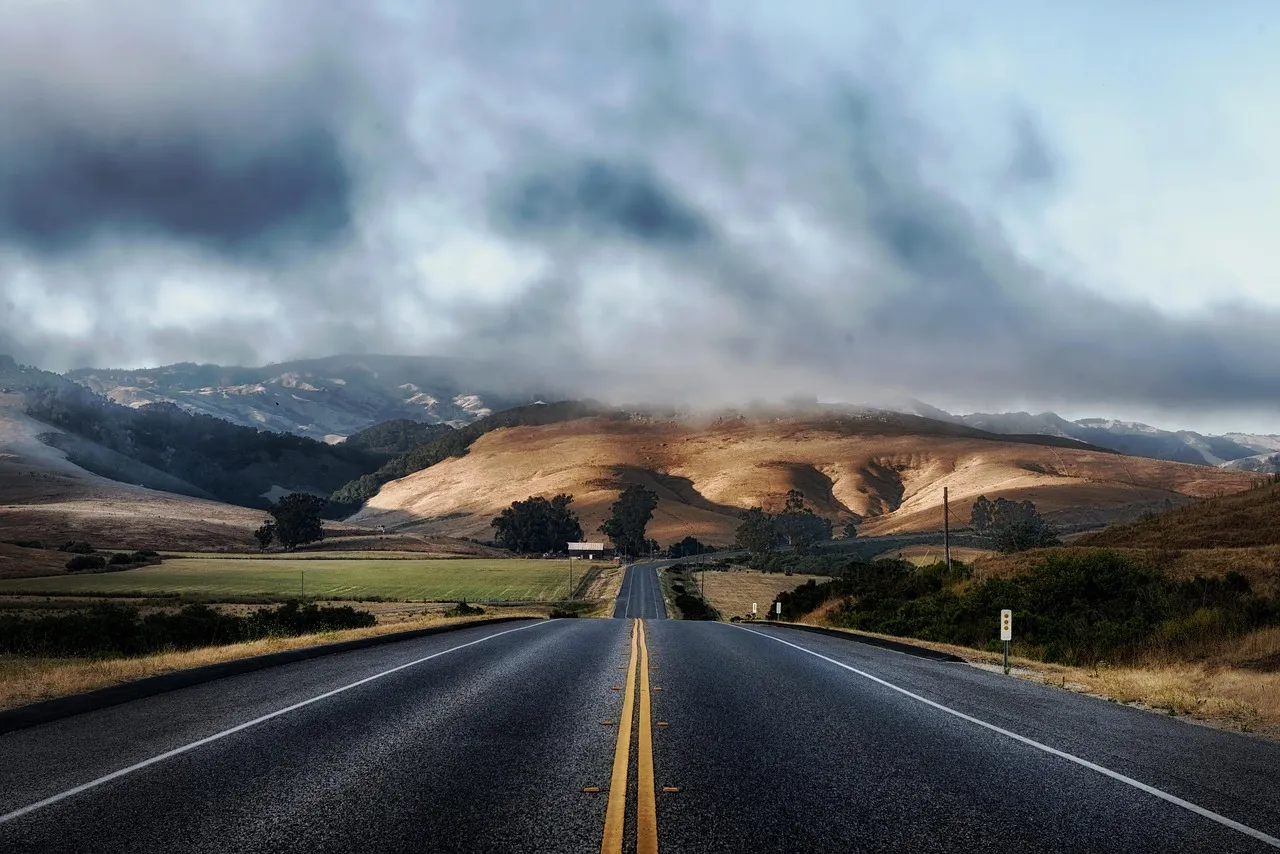
This isn’t nostalgia for its own sake. Older road trippers argue the whole point of driving instead of flying is the freedom to stop whenever something catches your eye. Many say the best parts of any trip were never on the itinerary at all, and skipping those stops defeats the entire purpose of the drive.
Longwoods International found that more than half of travelers had spent at least one night following a touring route or scenic or historic highway in the previous five years, and nearly a third had done that multiple times. About a third were extremely interested in touring part or all of Route 66.
National Park Service data helps explain why so many motorists are still happy to put in the miles. The national park system recorded over 323 million recreation visits in 2025, with 26 parks setting visitation records. Blue Ridge Parkway led all sites with over 16 million visits, while Great Smoky Mountains National Park welcomed more than 11 million. The scenic route isn’t a detour. It’s often the destination itself.
5. Playing Road Trip Games Without a Screen
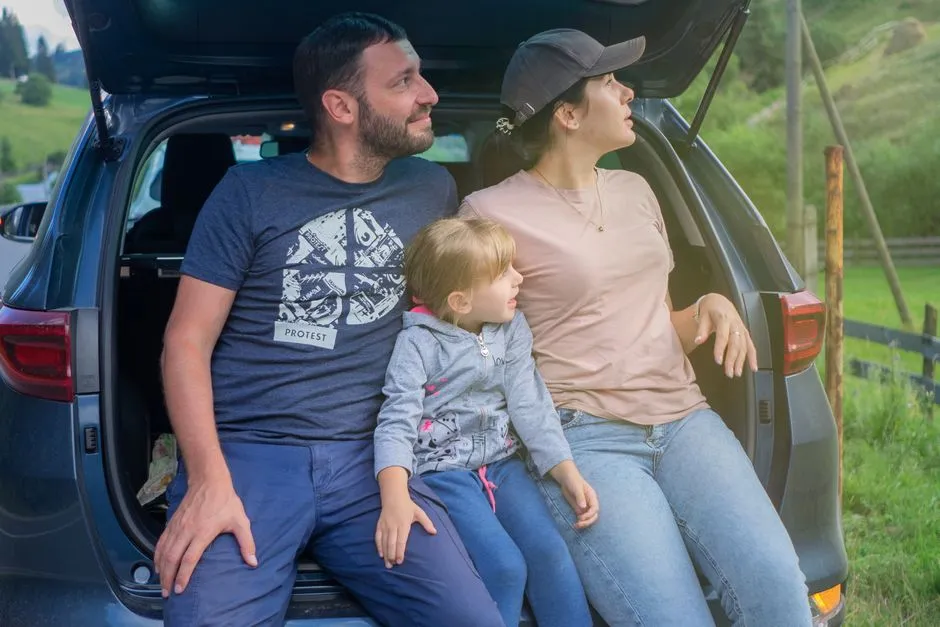
License plate bingo. The alphabet game using roadside signs. Twenty questions that somehow turn into a two-hour family conversation. These weren’t time-fillers. They were the social glue of every multi-hour drive.
In an age where fast-paced lifestyles dominate, families are seeking meaningful ways to reconnect, with more than half of campers surveyed expressing interest in multi-generational trips as a vital way to strengthen family bonds. Families come together around shared activities to revive cherished traditions and introduce new rituals that bridge ages and eras.
This is renewal, pairing rituals like familiar games and shared moments with better travel logistics. Research on nostalgia links it to mood regulation and social bonding, which helps explain why these trips feel restorative. Handing a child a tablet for five hours gets you to the destination. Playing the alphabet game gets you there together.
6. Stopping at Local Roadside Attractions
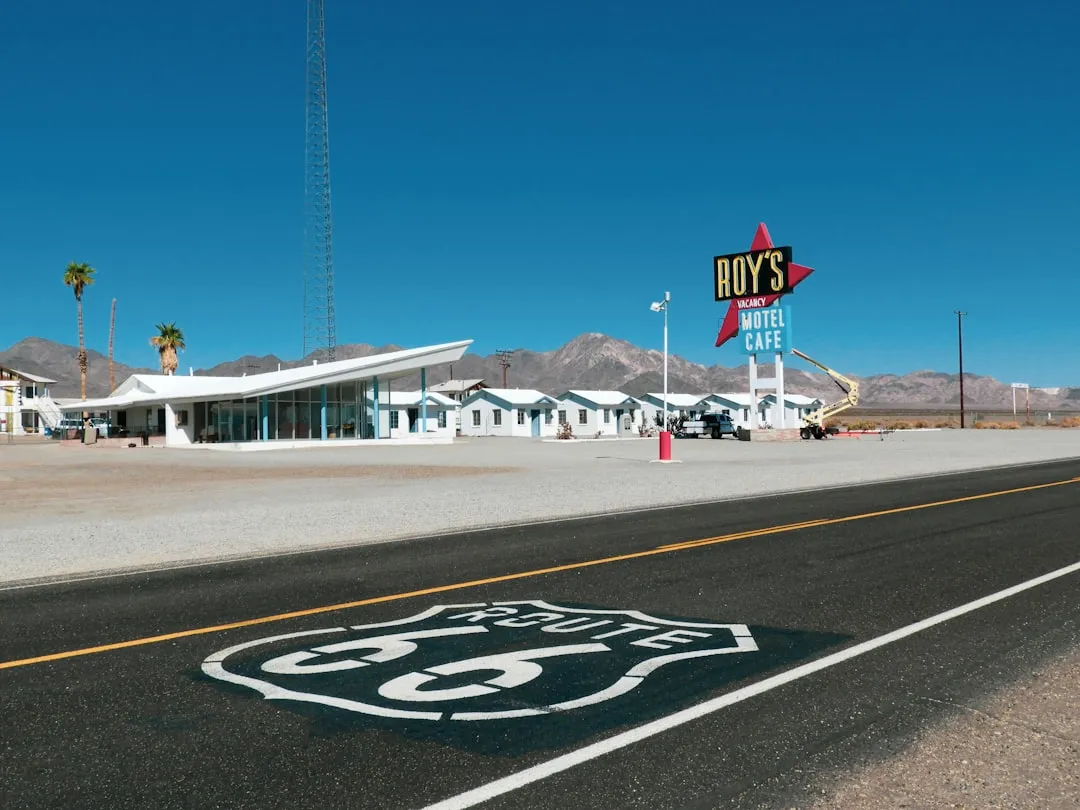
This modern take on the great American road trip invites travelers to follow legendary routes, rediscover hidden gems, and enjoy the journey as much as the destination. That spirit once produced a culture of wonderfully strange roadside stops: giant ball-of-twine monuments, mystery spots, and small-town museums nobody planned for.
Ahead of Route 66’s 100th anniversary, renovated roadside motels are becoming Instagram-ready along the Mother Road, including establishments with time-capsule rooms featuring vintage decor curated by local designers. The comeback of roadside stops has been mounting for a couple of decades. With a boutique feel, these spots gained momentum during an Instagram era, with nostalgic aesthetics matching well with neon lights and classic architecture.
These stops are not interruptions. They are the good stuff. The roadside attractions your grandparents stopped at weren’t necessarily impressive. They were spontaneous and shared, and that made them matter.
7. Filling the Tank Before You Need To
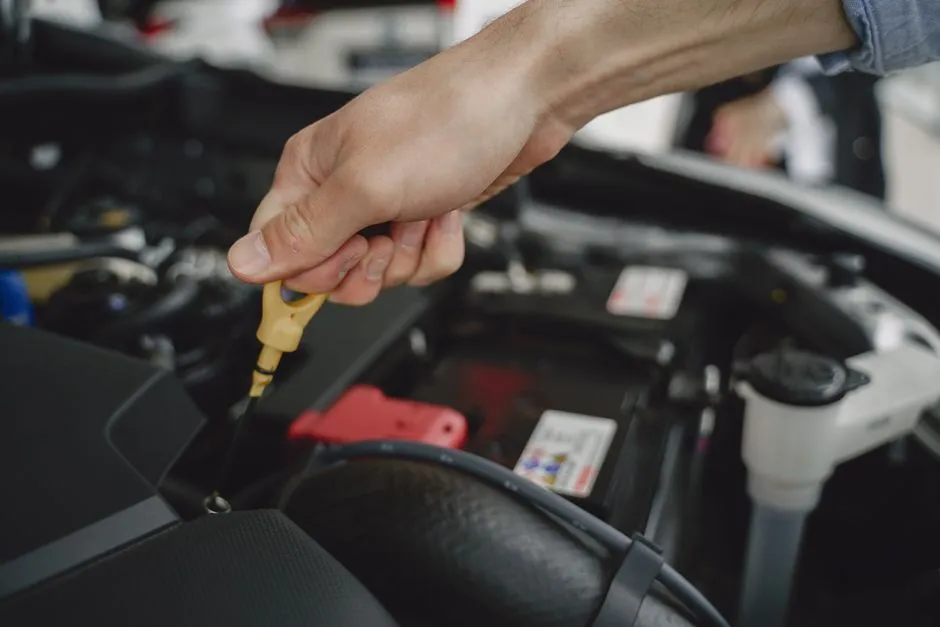
Long before smart cars started warning drivers about tire pressure and fluid levels, road trippers did it themselves, every single morning of a trip. Oil, tires, belts, wipers, lights: checked by hand, not by a dashboard icon. This ritual comes from an era when breakdowns weren’t a phone call away from roadside help. A five-minute walkaround could mean the difference between a smooth day and being stranded for hours on a highway shoulder.
There is the practical side of all that road trip enthusiasm. AAA said it responded to nearly 700,000 roadside assistance calls during the previous July Fourth travel period and urged drivers to handle routine maintenance and pack an emergency kit before leaving. That number suggests a lot of people skipped the old ritual of simply being prepared.
Filling up when you’re at half a tank, checking the tires before dawn, keeping a paper list of gas stations in rural stretches: these habits weren’t anxiety. They were care. They reflected an understanding that the road rewards the prepared and punishes the overconfident, an understanding that’s still just as true today.
The Road Trip Mix Tape (Or Its Honest Modern Equivalent)
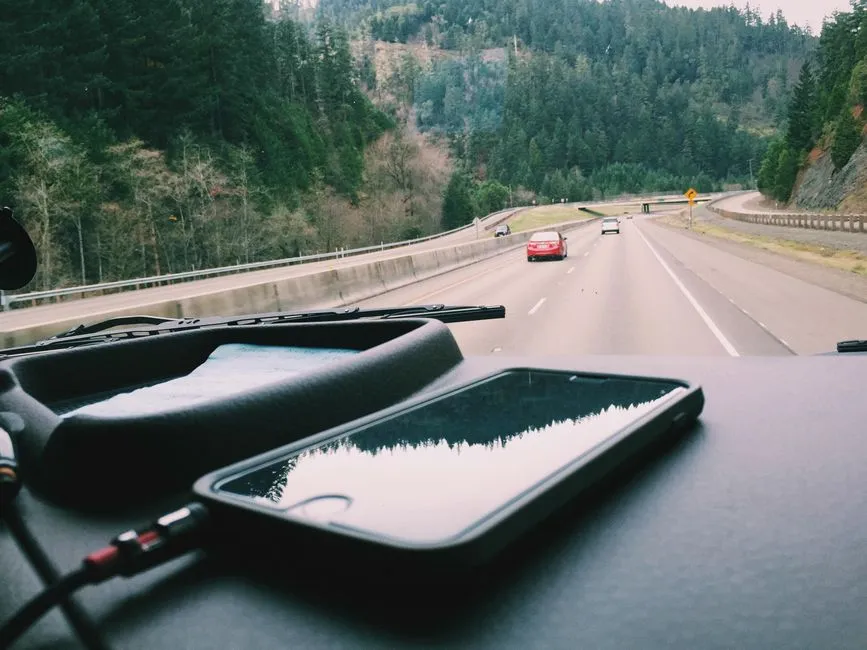
The mix tape was never really about the music. It was about the act of choosing songs for a specific moment, for specific people, for a specific stretch of highway. Somebody sat down and thought about it. That made the playlist a gesture, not just a queue.
The concept of re-creating cherished past experiences is emerging as a defining travel trend, arriving in a year dominated by digital saturation, where Americans are looking for a different kind of escape: a trip back in time. The analog trend is no passing fad. It now feels less like trendy nostalgia than an activist movement to restore all that has been lost in a fast-rotting digital world: human touch, focus, and creating over scrolling.
A deliberately curated playlist, burned to a disc or not, carries a different weight than an algorithm-generated one. It says someone cared enough to choose. That’s the ritual worth keeping.
Sending a Postcard from Every Major Stop
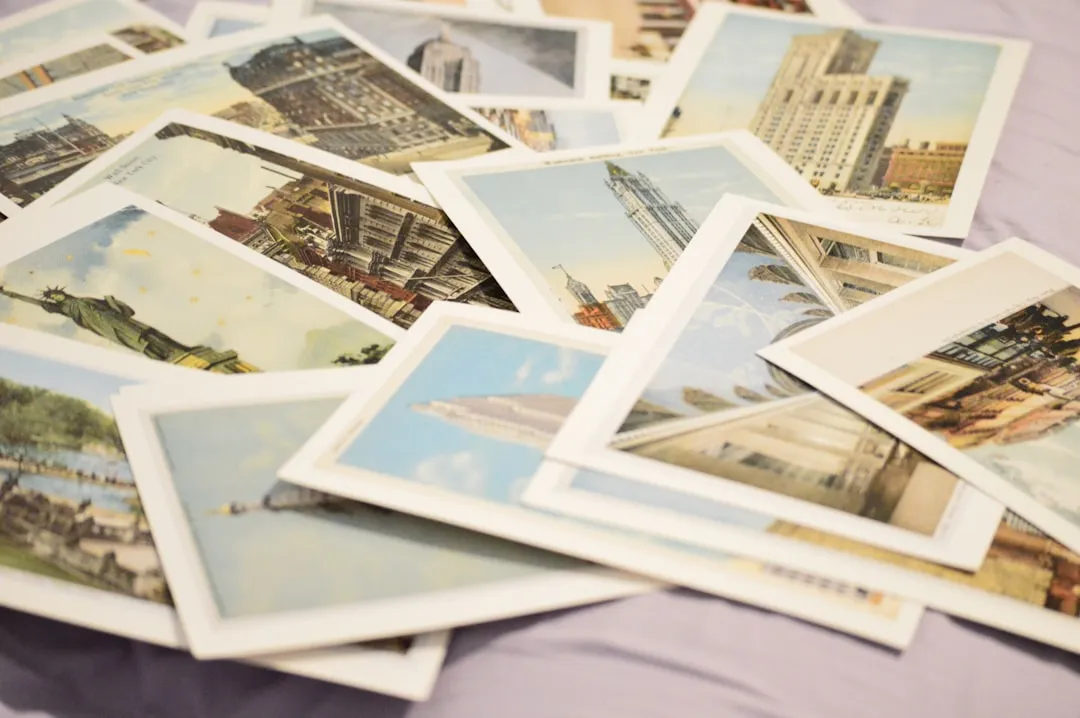
Travelers are leaning into slower routes, classic stays, and rituals our grandparents knew by heart. Think handwritten notes, creaky floors, and conductors calling stations at dawn. The postcard fits squarely into that category, and it costs almost nothing.
Fewer interruptions improve memory encoding, and handwritten field notes become souvenirs of attention, not just aesthetics. Writing a postcard forces you to summarize a place in three sentences, to notice what actually stood out. It’s a small act of editing your own experience.
The person who receives it gets something physical that traveled the same miles you did. That’s a kind of connection that a tagged photo on social media simply can’t replicate, however many likes it collects.
Letting Someone Else Navigate
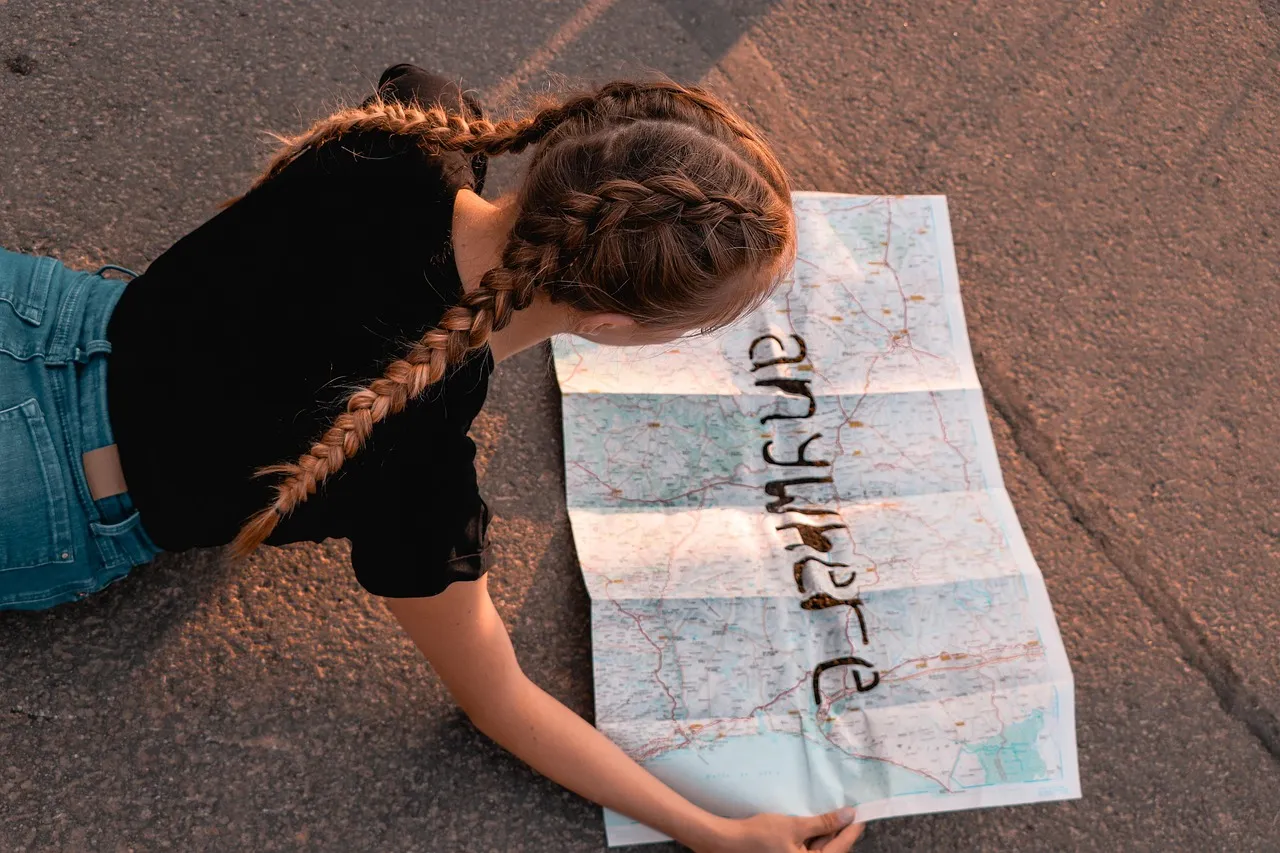
The navigator role used to be a real job inside a moving car. Someone held the map, called the turns, tracked the miles, and occasionally got it completely wrong while everyone laughed about it later. It was collaborative. The car felt like a team.
With a growing demand to unplug from digital life, a large majority of campers are drawn to the opportunity to disconnect and unwind. According to Campspot’s data, an overwhelming portion of survey participants yearn to break free from the complexities of the current era, and a significant share report regularly seeking solace in outdoor experiences because they feel overwhelmed by modern life.
Handing the map to the passenger, or even just turning the GPS screen away and relying on a co-pilot, restores something small but real. What ties these old habits together isn’t stubbornness. It’s a generation that learned to treat the road itself as part of the destination, not just the distance between two points. Full tanks, paper maps, real conversations, and actual stops at actual picnic tables all point to the same idea: slowing down was never the mistake.
A Measured Final Thought
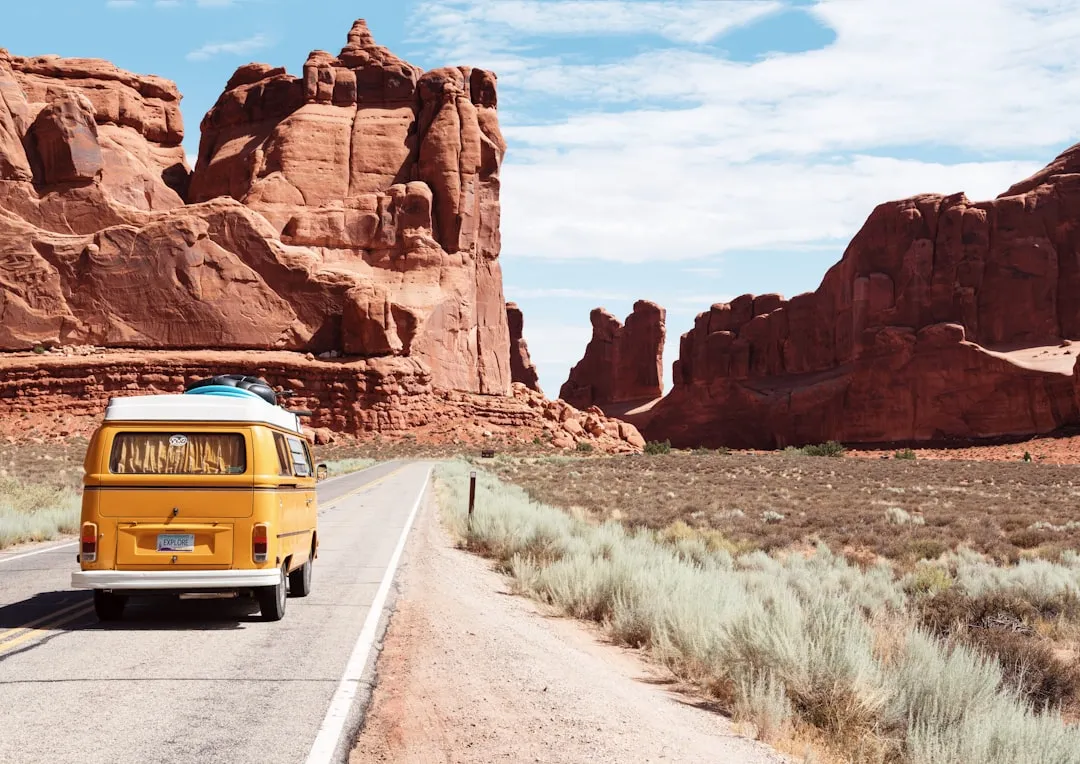
AAA projected a record 39.4 million Memorial Day travelers by car in 2025, then projected 61.6 million Independence Day travelers by car, the highest July Fourth driving volume ever recorded. Americans clearly haven’t stopped road tripping. The question is whether they’re road tripping, or just driving fast between two GPS pins.
As the allure of the open road continues to captivate travelers, roughly three quarters of campers are drawn to the timeless appeal of a classic road trip or caravan adventure. The appetite is there. The rituals just need a bit of dusting off.
None of these old habits require sacrifice. They require attention. That’s exactly what they were always for.
AI Disclaimer: This article was created with the assistance of AI tools and reviewed by a human editor.