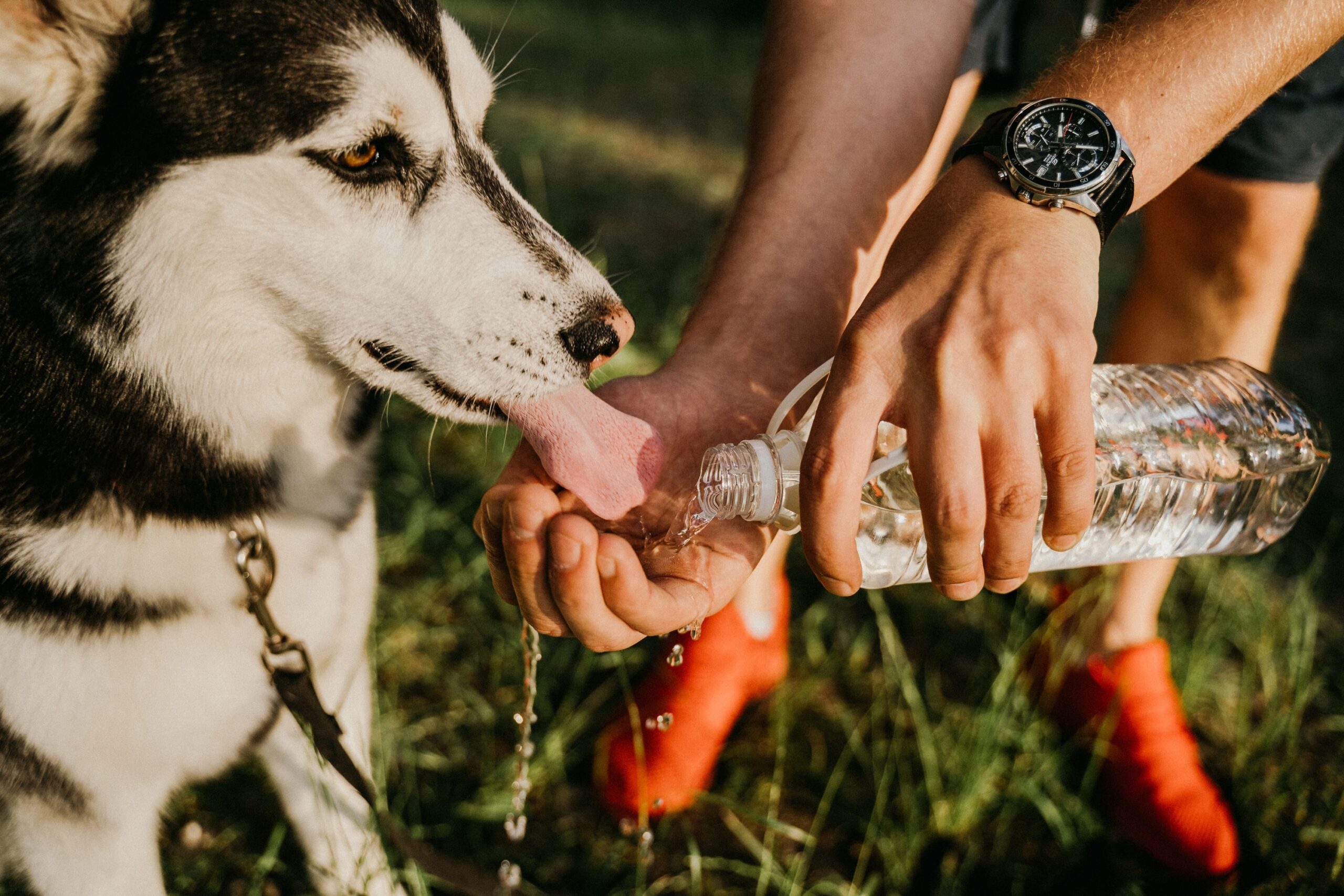

You set down a fresh bowl of water, and your dog walks right past it. No sniff, no hesitation – just complete indifference. It’s one of those small moments that quietly unravels a pet owner’s peace of mind.
Dogs generally regulate their water intake well, but there are times when you notice the bowl isn’t being touched, or your dog simply isn’t acting like himself. The reasons range from a lack of interest all the way to underlying illness. Understanding what’s really behind the refusal makes all the difference.
Their Thirst Works Differently Than Ours
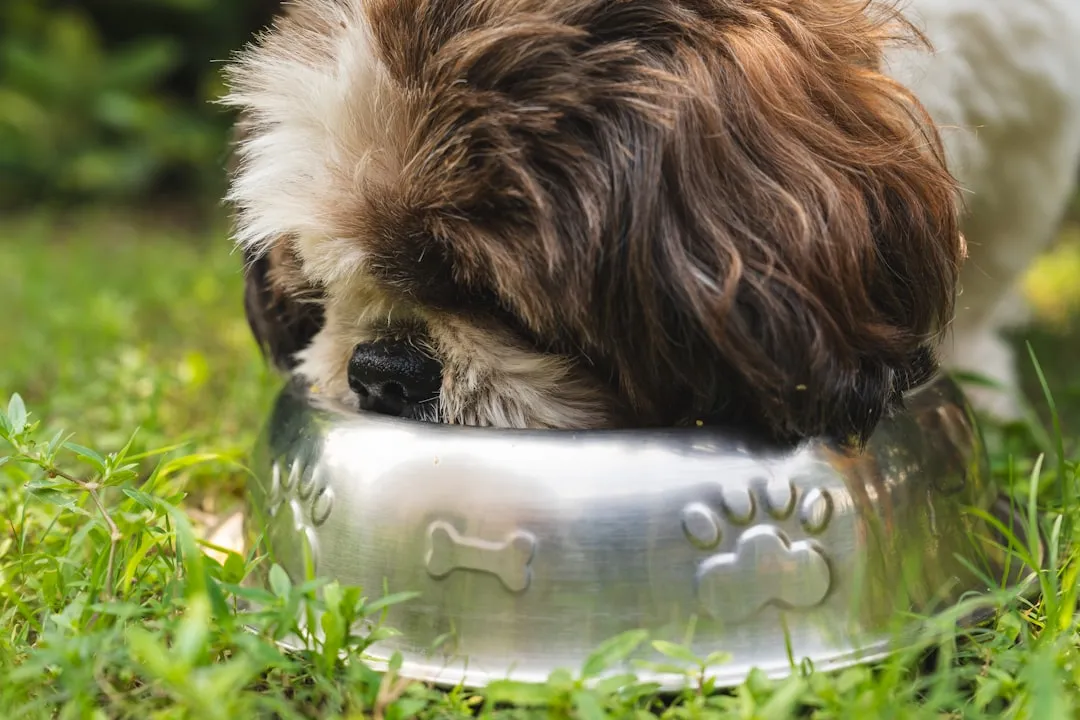
Unlike humans, who might drink water because they know they “should” stay hydrated, dogs are purely reactive. Their thirst drive is triggered by physiological signals – specifically, a rise in blood sodium levels or a decrease in blood volume.
Dogs are triggered to drink when there is a central increase in plasma osmolality, which means they generally operate in a state of mild dehydration and are reactive rather than proactive when it comes to maintaining hydration. That reactive nature is key: if something puts them off the bowl, they may simply wait it out, sometimes far longer than is safe.
Dogs need approximately one ounce of water per pound of body weight daily. For a larger breed, that adds up quickly, which is why even a single skipped day at the bowl is worth paying attention to.
The Bowl Itself May Be the Problem
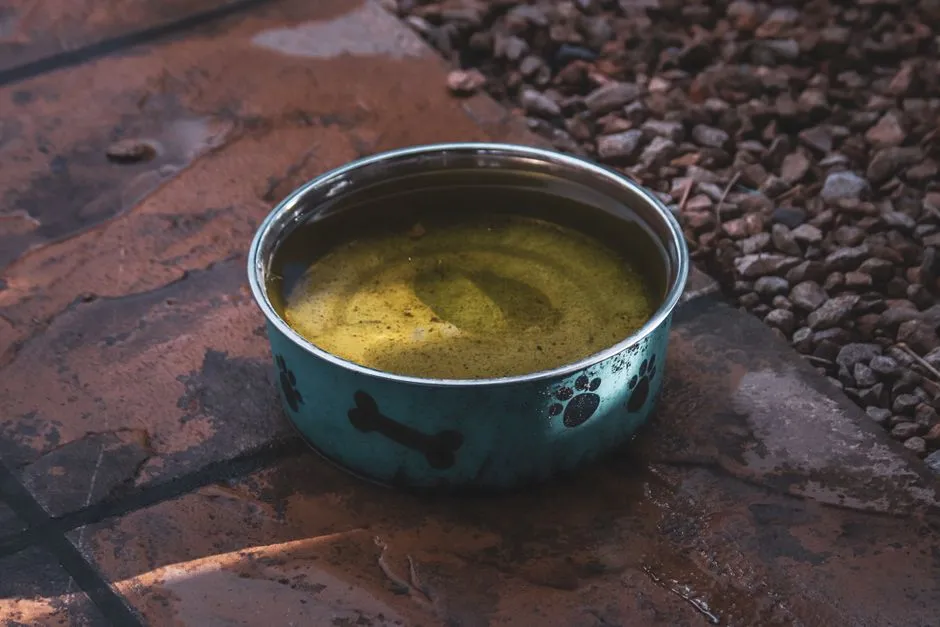
The type of bowl you use can significantly impact your dog’s drinking habits. Some dogs may dislike the material, size, or shape of the bowl. Stainless steel bowls can sometimes create a metallic taste, while plastic bowls may retain odors that deter your dog.
Dogs can be sensitive to the material, size, or even the cleanliness of their water bowl. Plastic bowls can retain odors, while metal bowls might make a noise that startles your dog. That clinking sound when dog tags tap the rim of a metal bowl is a surprisingly common deterrent that owners rarely think to consider.
The material of your dog’s water bowl is more than just an aesthetic choice; it directly impacts their sensory experience. Switching to a heavy ceramic or matte stoneware bowl is often the simplest first fix worth trying.
Dirty Water Is a Hard No for Most Dogs
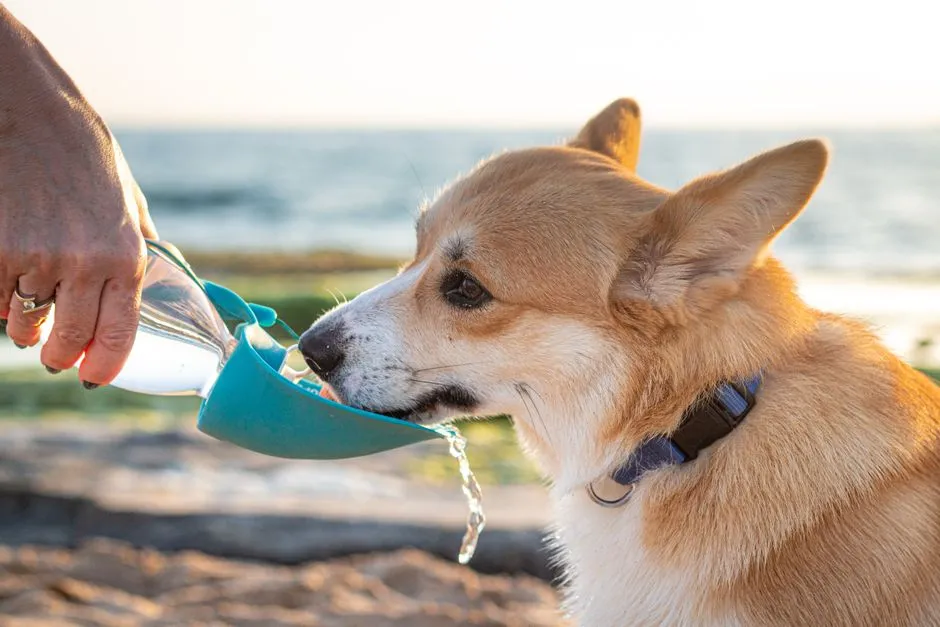
One of the most common reasons for refusal is cleanliness. Dogs have an excellent sense of smell, and if their water bowl is dirty or has an unpleasant odor, they may refuse to drink from it. Bacteria can accumulate in bowls that aren’t frequently washed, making them deeply unappealing.
Dust, hair, and saliva accumulate quickly in a standing bowl. If the water is not changed at least once or twice a day, it becomes unappealing. What looks perfectly fine to human eyes can smell distinctly wrong to a dog’s nose.
Washing the bowl daily with mild soap and rinsing thoroughly to remove any lingering smells or residues is essential. Avoid using harsh chemicals that could themselves deter your dog.
Water That Tastes or Smells “Wrong”
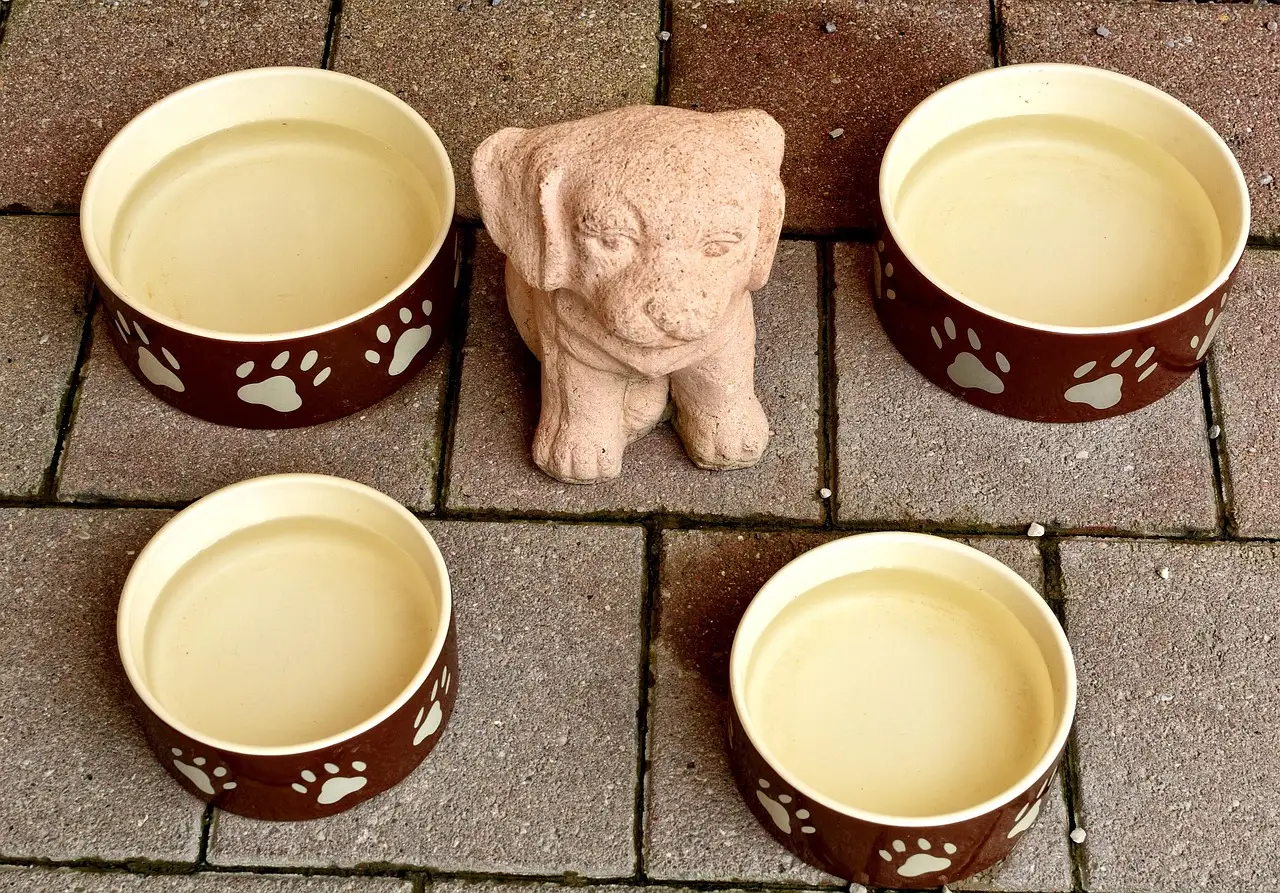
Just like humans, dogs can be sensitive to the taste and smell of water. If the water in the bowl is stale, contaminated, or has an unusual odor, your dog might refuse to drink it.
Your dog might refuse to drink if the water tastes or smells off. Tap water can contain chemicals like chlorine, which some dogs find unappealing. This is especially true if you’ve recently moved to a new area where the local water supply has a noticeably different mineral profile.
Many dogs refuse to drink unfamiliar water in an unfamiliar place because the scent profile of the water – chlorine levels, mineral content – is “wrong” compared to home. Filtered water or a brief adjustment period often resolves this on its own.
Where You Put the Bowl Matters More Than You’d Think
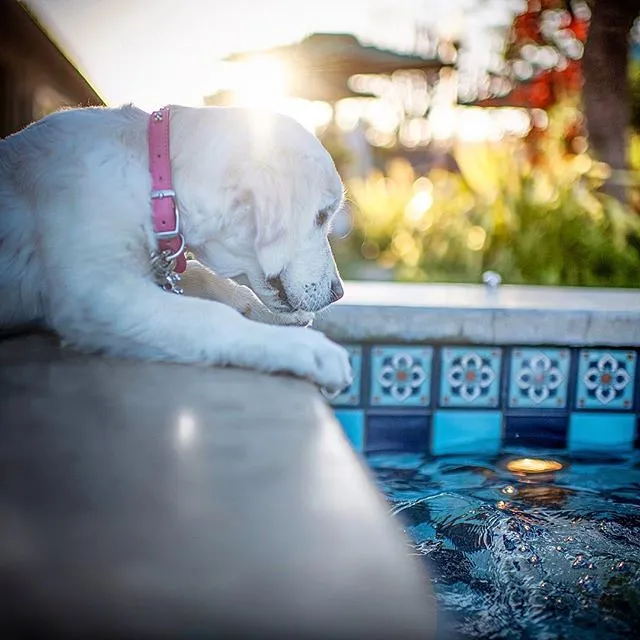
The placement of the water bowl can also influence your dog’s drinking behavior. If the bowl is in a noisy, high-traffic area, or near its food bowl, your dog might feel uncomfortable drinking from it. Dogs prefer quiet, safe spaces to hydrate.
Other dogs refuse to drink water because the water bowl is in a place that is difficult to access or is scary, such as the laundry room when the washing machine is running. Proximity to loud appliances is one of the most overlooked placement mistakes.
If a dog’s water bowl is located in an area where they feel unsafe, they may try to avoid it entirely. Simply relocating the bowl to a calm corner of the house has resolved the issue for many pet owners without any other changes needed.
Fear and Negative Associations
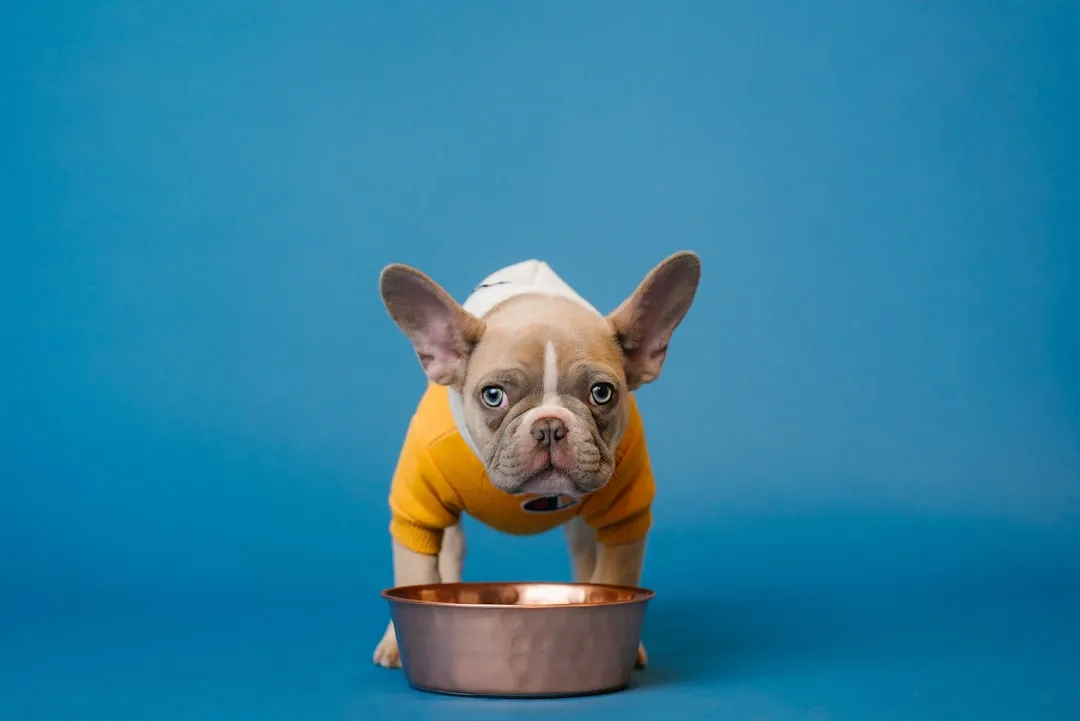
Behavioral reasons for avoiding the water bowl are often tied to a specific negative experience. Dogs are excellent at making associations, even if those associations seem irrational to us. If a loud noise happened right as your dog was drinking – like a heavy pot falling in the kitchen or a thunderclap – they might associate the water bowl with that scary event. They aren’t afraid of the water; they’re afraid of the location or the object because of what happened there.
One of the most prevalent reasons dogs develop a fear of their water bowl is related to past experiences. A sharp sound, sudden movement, or unpleasant association could trigger aversion. If your dog was startled by a noise while drinking or had an unfortunate incident of bumping into their bowl, they might now associate that bowl with fear.
Stress, Anxiety, and Household Changes
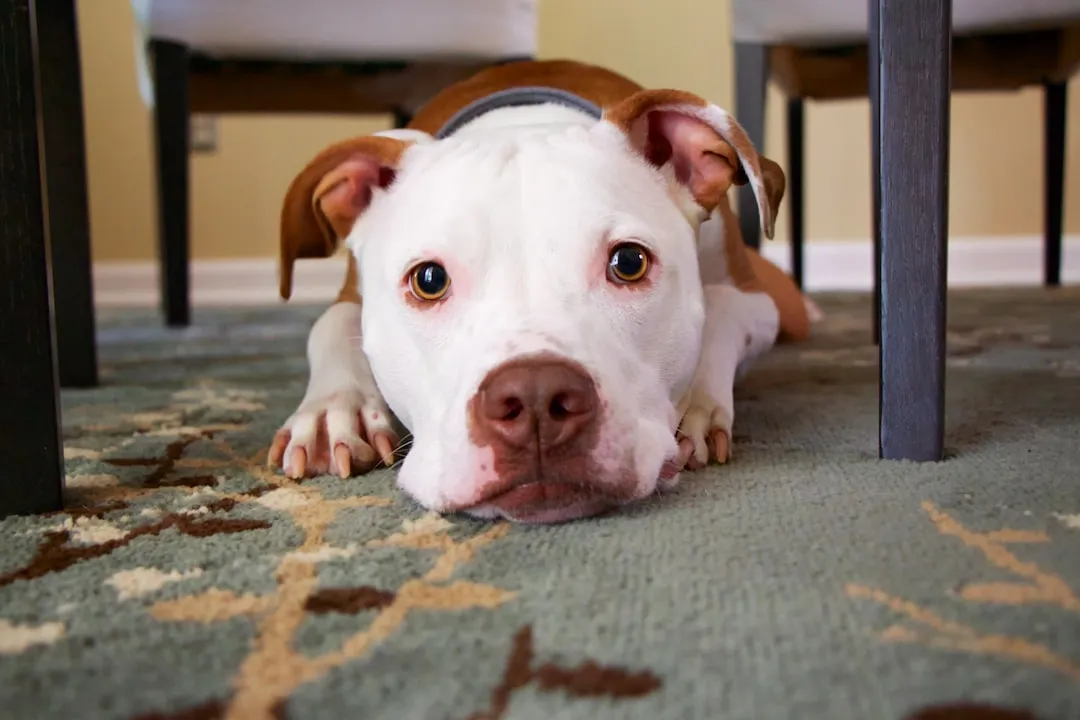
Dogs thrive on routine. When that routine is disrupted, their basic habits – including drinking – are often the first things to slip. A move to a new house, a new baby, or even a change in your work schedule can throw a dog into a state of minor depression or anxiety. In these states, the thirst center of the brain can become suppressed.
Dogs who are feeling anxious, stressed, or depressed may not feel like drinking water. These feelings can leave them feeling nauseated or just uninterested.
Occasionally, one pet in the house will guard the bowl so that other pets can’t drink. If that’s the situation, adding more water bowls throughout your home will manage the issue while you call your veterinarian to discuss the other pet’s behavior problem.
Medical Conditions That Make Drinking Painful
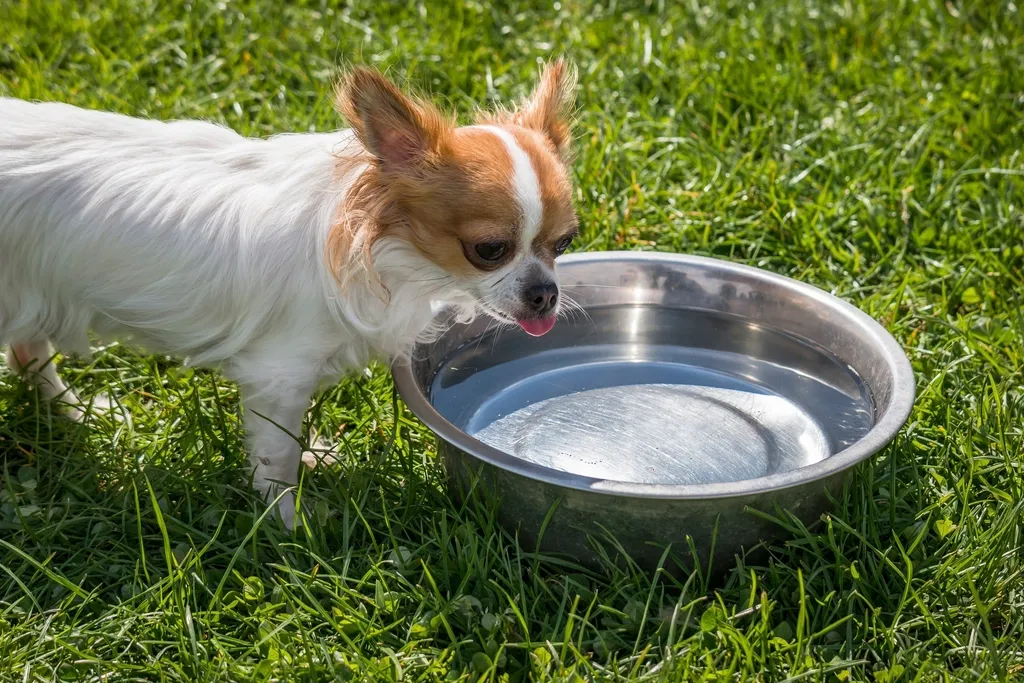
Sometimes, fear of the water bowl may not stem from psychological factors but rather medical conditions. Dogs experiencing pain or discomfort, such as dental issues or sore joints, may forego drinking due to the effort this requires.
After a dental cleaning and extractions, dogs may refuse to drink regularly in the first few days, as though their mouth is sensitive and the water causes discomfort. Dogs may also be reluctant to drink if they have throat infections, ear infections, or sinus infections causing pain when swallowing.
A sudden aversion to drinking water could signal health problems such as dental pain, throat issues, or even kidney disease. If your dog shows other symptoms like lethargy or loss of appetite, consult a veterinarian immediately.
The Instinct Toward Moving Water
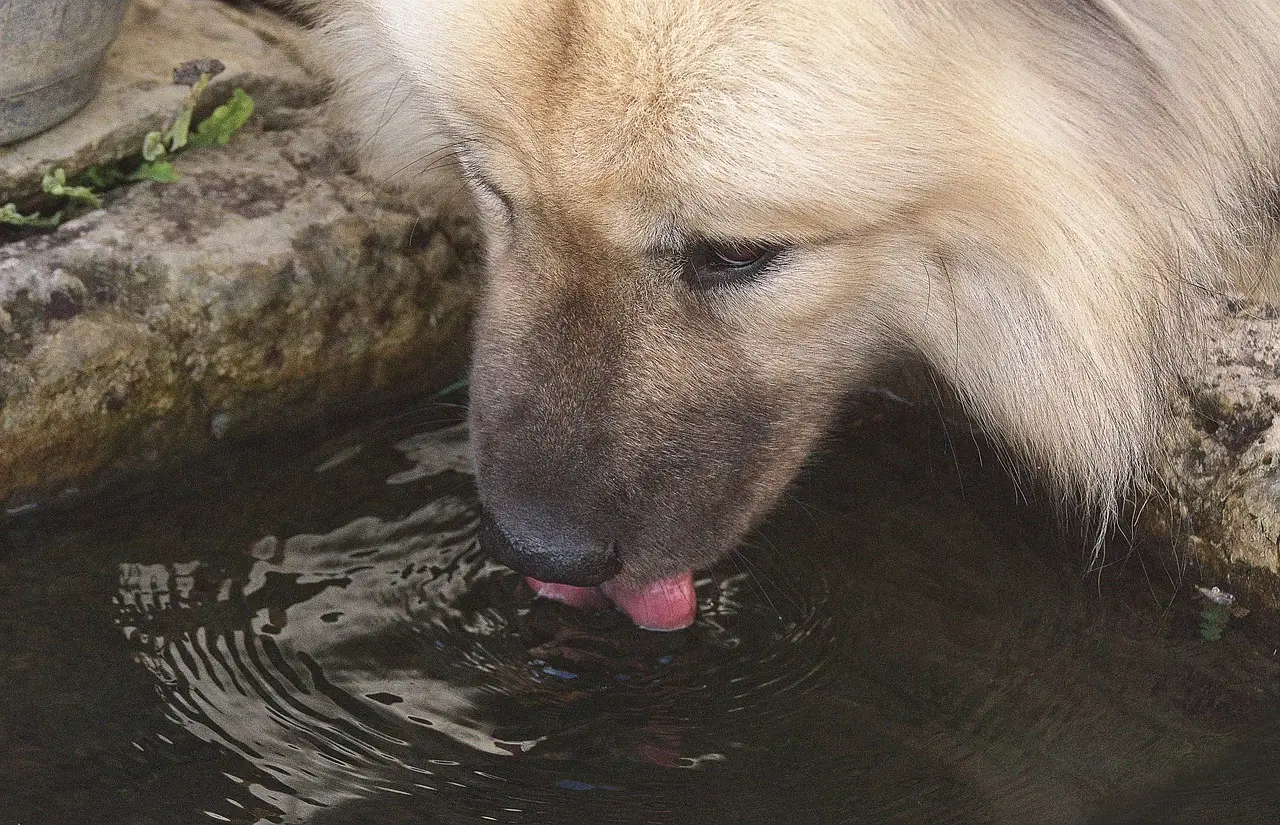
Dogs, like many animals, are instinctively drawn to flowing water. In the wild, stagnant water can indicate contamination, so running water signals freshness and safety. This evolutionary preference explains why many dogs drink more from water fountains than from still bowls. It’s not that they’re suddenly thirstier – it’s that the fountain encourages them to drink more frequently because it appeals to their natural instincts.
Research does suggest that dogs prefer drinking cool water. While it’s possible to add ice cubes to your dog’s bowl or regularly refresh tepid water, a pet water fountain could be a convenient option.
That said, not every dog responds to fountains the same way. It depends on the dog. Some dogs will drink from a pet water fountain as soon as they see it, while others may never touch it. It all depends on the individual dog’s personality and preferences.
When to Stop Waiting and Call the Vet
If your dog has not had a significant drink of water in 24 hours, you must contact your vet. Dehydration can set in quickly and lead to serious kidney and organ issues.
Dehydration increases the risk of heatstroke, kidney failure, neurologic issues, and hypovolemic shock. Early signs include sticky gums, delayed skin tenting, lethargy, and appetite loss. These aren’t signs to monitor casually – they warrant a prompt veterinary visit.
If the fear seems to be part of a broader anxiety where the dog is afraid of multiple objects or rooms, or if your dog is an older pet and has experienced sudden behavioral changes, those changes can sometimes be linked to cognitive dysfunction or hidden pain. A vet can rule out underlying causes and, if needed, recommend a certified animal behaviorist.
Simple Fixes That Often Work
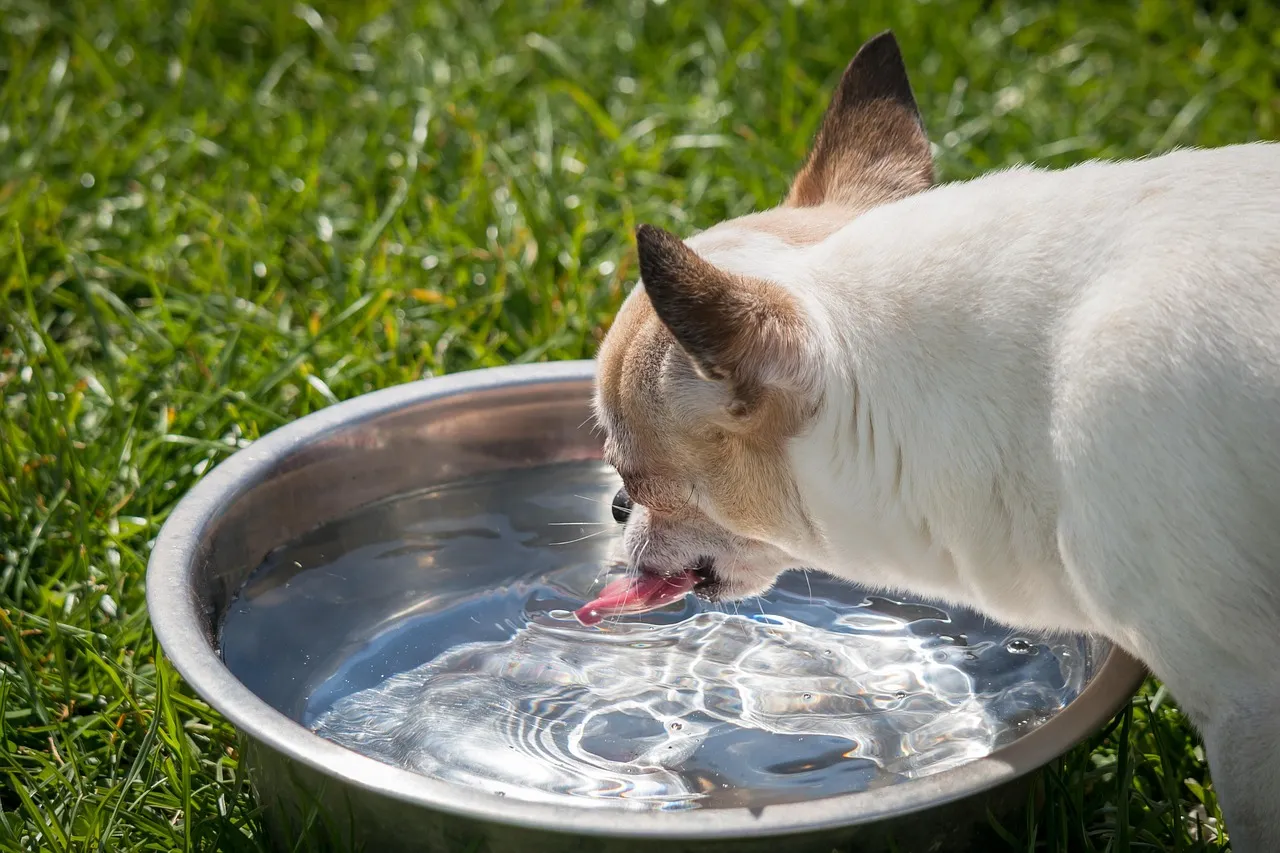
Most of the time, a dog stops drinking water because of stress, a change in environment, or mild illness. Sometimes it’s as simple as a new water bowl or a recent house move. Other times, it points to something deeper like dental pain, kidney issues, or fever.
Hydration can be improved by flavored or moving water, multiple bowl or fountain options, higher-moisture diets, and encouraging steady intake while consulting a veterinarian for underlying disease. A published 2025 study in Frontiers in Veterinary Science also found that dogs had greater water consumption when offered bowls with their preferred scented sleeves compared to non-scented options, and increased water consumption was also associated with dry diets.
Using positive reinforcement can help create a more comfortable association with the bowl. Praising your dog with soothing tones when they approach the bowl, even if they only sniff it, and gradually rewarding them with treats when they successfully take a drink, builds trust over time.
A Final Word on the Quiet Signs
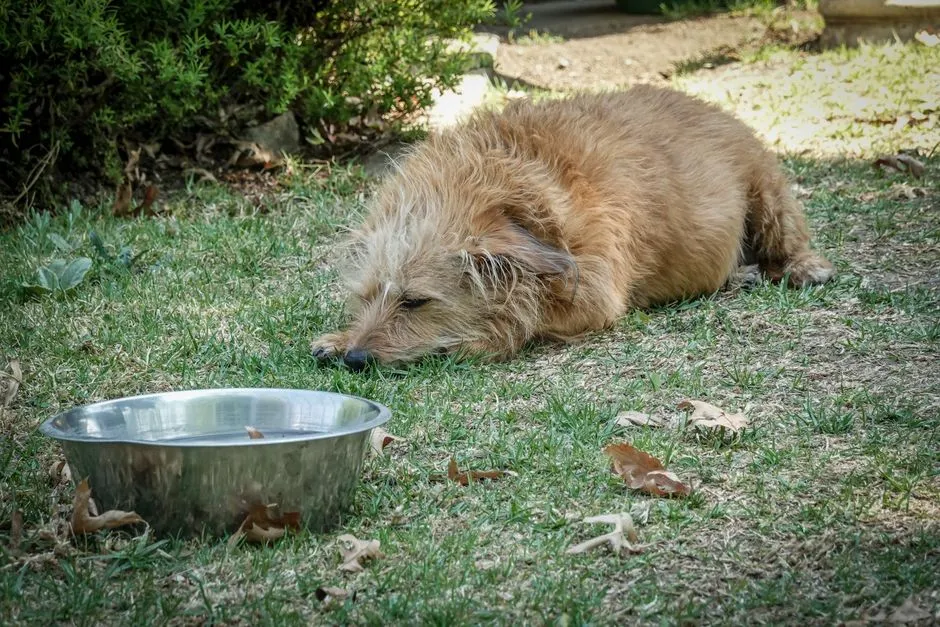
A dog refusing to drink is rarely a random quirk. It’s usually a message, and the message is almost always worth decoding sooner rather than later. Even mild, ongoing dehydration can strain the kidneys over time. This is why vets take water refusal seriously, even when the dog seems otherwise fine.
Most cases resolve with simple changes: a cleaner bowl, a quieter location, a different material, or fresher water. The ones that don’t clear up quickly deserve a closer look. Trust the behavior – your dog is telling you something.
AI Disclaimer: This article was created with the assistance of AI tools and reviewed by a human editor.