
There is a sound many people hear every spring, pause at, tilt their head slightly, and then confidently misname. It is not a rare or obscure call. It drifts through suburban backyards, parks, and wooded edges across North America with quiet regularity. The bird behind it is common. The confusion, it turns out, is just as common.
Bird song misidentification is not a failure of attention. It reflects something genuinely interesting about how overlapping acoustic worlds work, and which species have quietly learned to exploit that overlap. The Northern Mockingbird sits at the center of that story, but it is far from the only offender.
The Northern Mockingbird: The Impersonator Nobody Suspects
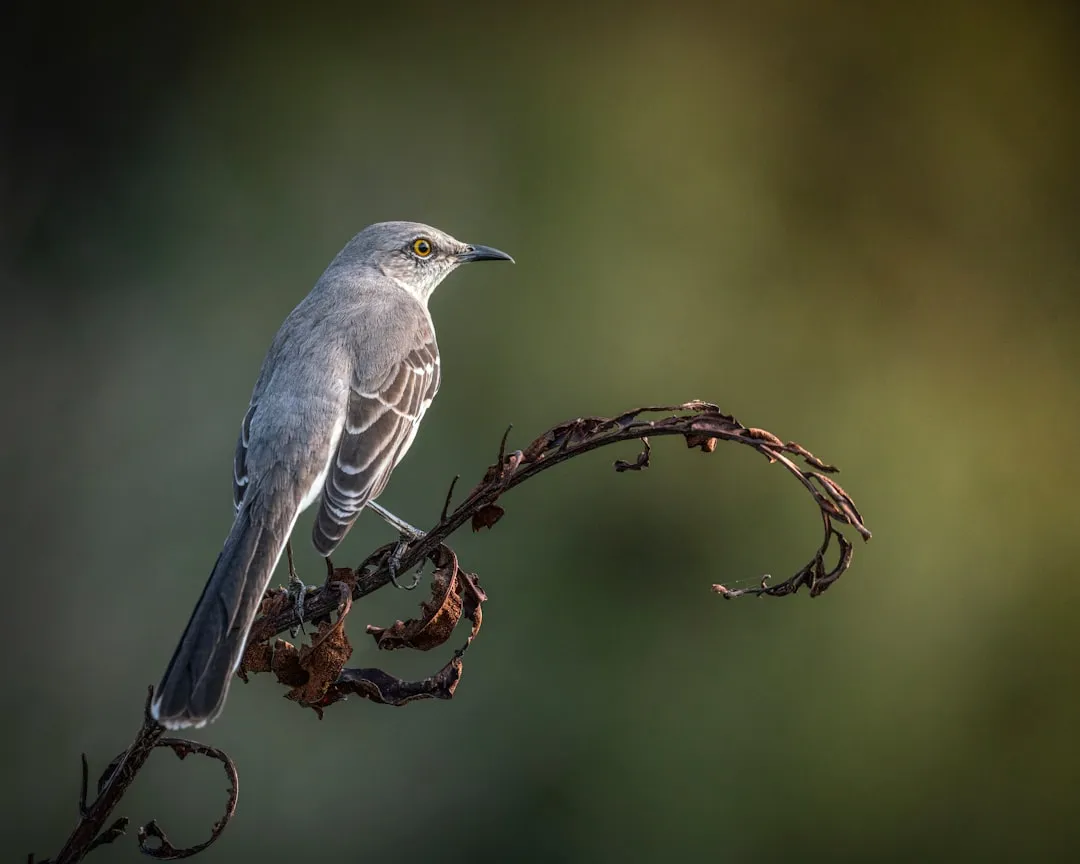
The song of the Northern Mockingbird, Mimus polyglottos, is notable for its extensive length and inclusion of numerous imitations of several common North American bird species. When someone hears what sounds like a cardinal, then a robin, then a Carolina Wren in rapid succession from the same shrub, most assume several birds are simply active nearby. Very few immediately think “mockingbird.”
The mockingbird is the most notable of the U.S. mimics. Capable of singing up to 200 different song variations, the species combines its vast collection of tunes with a crystal-clear quality that makes each one sound eerily similar to the real thing. This is where the confusion deepens: it is not a rough approximation. The imitation is precise enough to fool both casual listeners and, in documented cases, acoustic monitoring software.
Such mockingbird vocal mimicry may trick both researchers and AI systems into misidentifying a mockingbird song as the song of the species the mockingbird is mimicking, thereby biasing acoustical survey data. When observers are in the field and acoustic data is coupled with visual observations, this bias can be accounted for, however as more researchers turn to passive bioacoustical monitoring for assessing bird communities, the presence and prevalence of mimics such as the mockingbird can become increasingly problematic.
How AI Gets Fooled Too: The Accuracy Problem
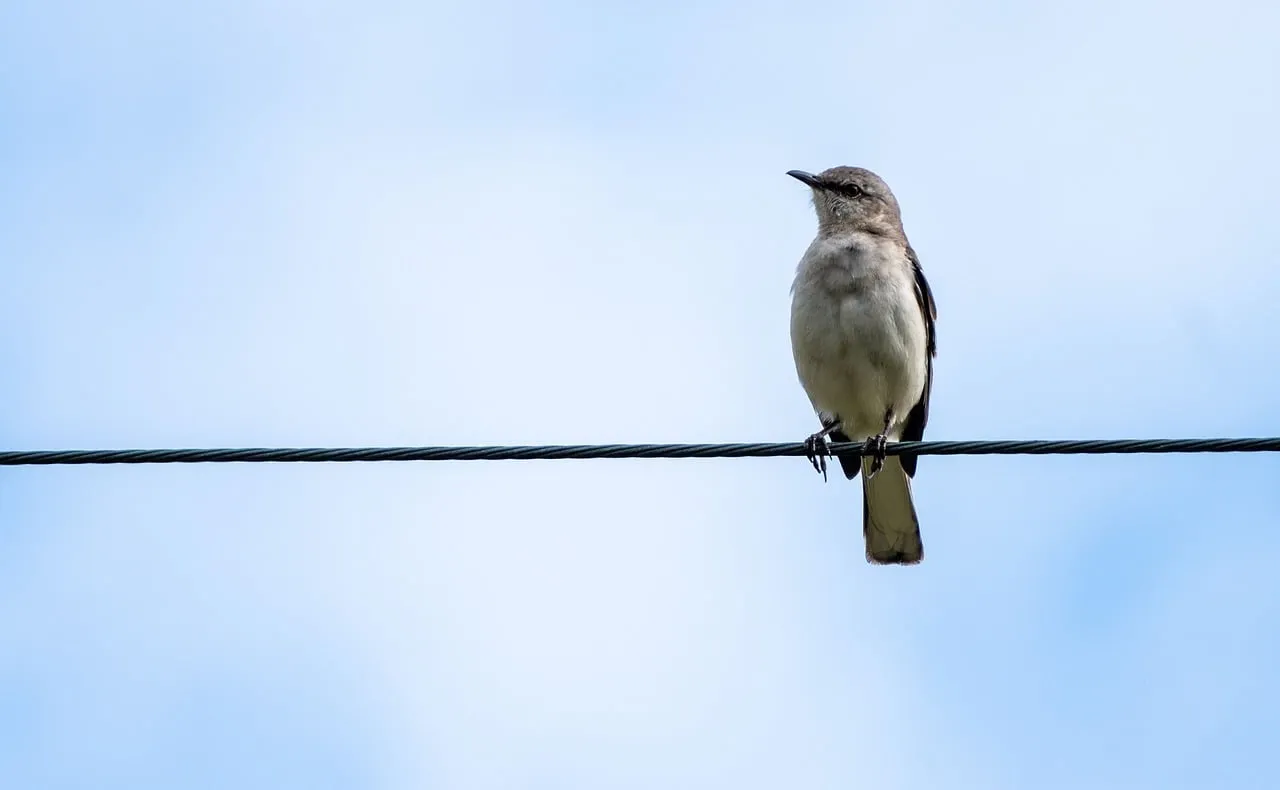
The confusion is not just human. Automated bird identification tools, now widely used in ecological surveys, struggle considerably with mockingbird mimicry. Accuracy analysis of the Merlin Bird ID application resulted in an average error rate of roughly 29%, with the false positive error rate averaging at about 8% and the false negative error rate averaging at about 21%.
In one documented example, a Northern Mockingbird mimics the Northern Bobwhite in a series of two to three calls in immediate and rapid succession. The Merlin Bird ID application identified positively that a Northern Mockingbird was present, but also falsely identified the presence of a Northern Bobwhite. This type of error has real consequences for wildlife surveys that rely on passive audio monitoring rather than direct observation.
The tendency of Mockingbirds to duplicate calls in rapid succession created a useful heuristic for researchers to use to rapidly identify likely Mockingbird calls driving false identifications in their dataset. That repetition, a phrase sung several times before the bird switches to another, is in fact the clearest human clue available.
The Black-Capped Chickadee and Its “Fee-Bee” Trap
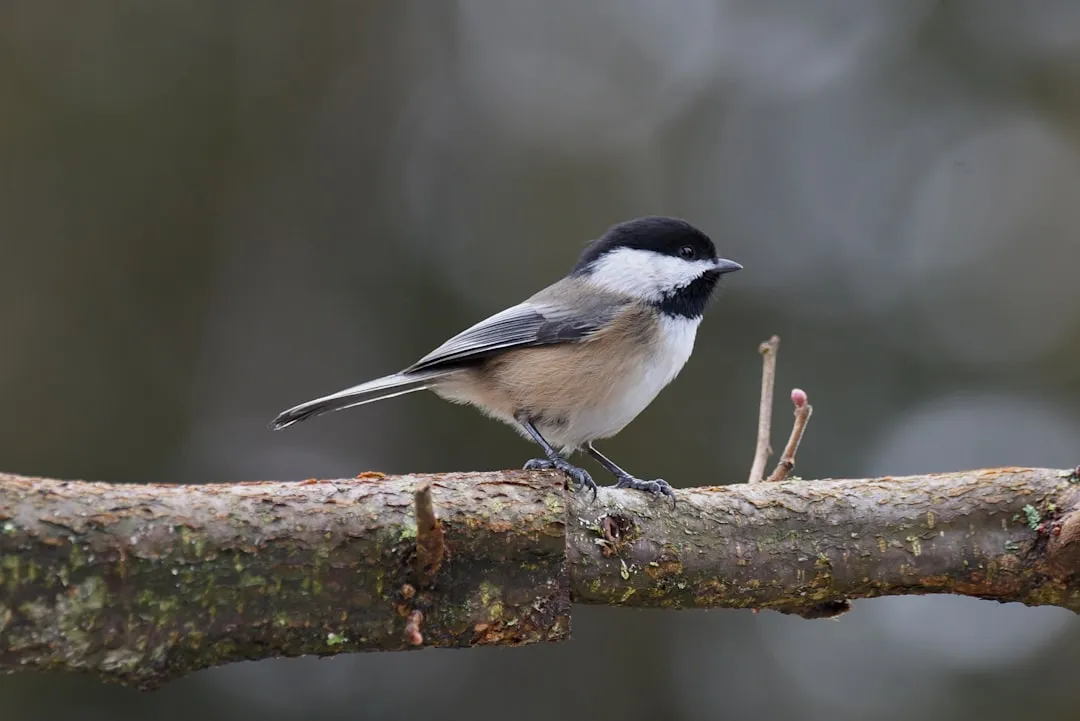
Here is one of the most persistent and specifically documented misidentifications in North American birding. The “fee-bee” call of the Eastern Phoebe is often confused with the “fee-bee” whistle of the Black-capped Chickadee. While both share the same phonetic structure, their delivery is markedly different. Two birds, same two syllables, completely different species, and a great deal of confusion every spring.
The phoebe’s call tends to be more emphatic and slightly raspy, often with the second note being lower or at the same pitch as the first. In contrast, the Black-capped Chickadee produces a clearer, purer whistle. Its “fee-bee” call is typically mellower, and the second note is distinctly lower in pitch, creating a more descending feel.
At certain times of year, the male Black-capped Chickadee sings “Fee-bee, fee-bee,” even though it’s not a phoebe. What makes this especially tricky is that chickadees are far more abundant year-round in many regions, meaning that “fee-bee” sound in January almost certainly belongs to a chickadee, not a phoebe that has yet to migrate back.
The Blue Jay’s Hawk Impression
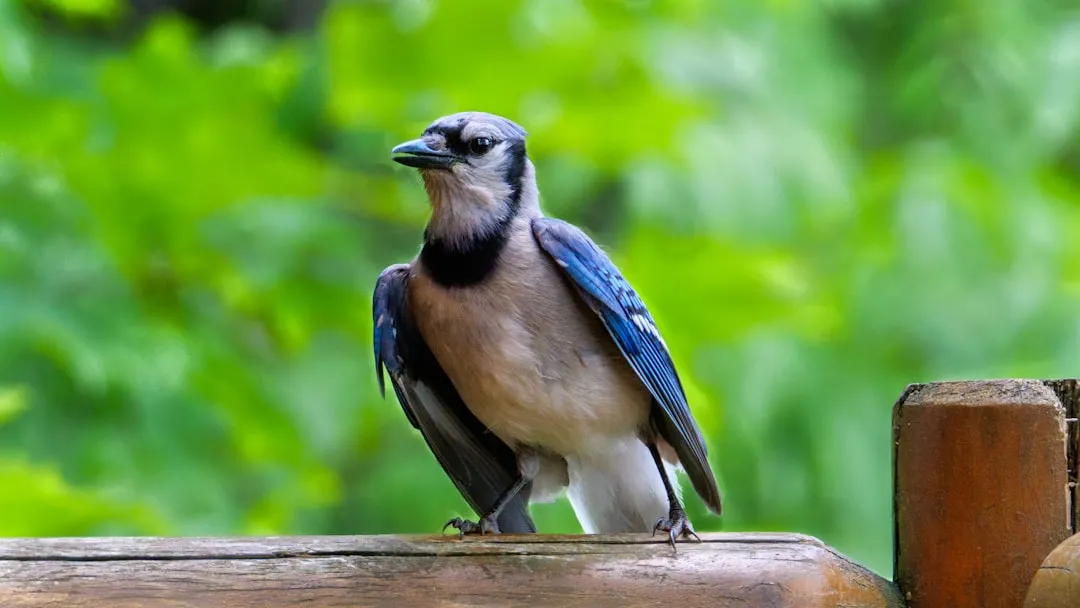
The Blue Jay frequently mimics the calls of hawks, especially the Red-shouldered Hawk. These calls may provide information to other jays that a hawk is around, or may be used to deceive other species into believing a hawk is present. For anyone standing in their backyard, the effect is startling. You scan the sky for a soaring raptor. There is none. There is only a Blue Jay, perched and apparently pleased with itself.
Many a seasoned birder, and countless backyard enthusiasts, have been fooled by a Blue Jay’s pitch-perfect rendition of a Red-shouldered or Red-tailed Hawk’s scream. You hear that piercing cry overhead, scan the sky, expecting to see a large raptor soaring above, only to spot a Blue Jay perched on a branch.
Hypotheses for why Blue Jays mimic raptors include warning other Blue Jays in the area that a raptor is present, warning others that a raptor was previously in their habitat, and tricking competitors with a raptor call to keep them away from the jays’ prey. The most likely hypothesis with the most research supporting it is the third one: scaring other birds away by tricking them into thinking there is a raptor present.
The Mockingbird’s Repetition Rule
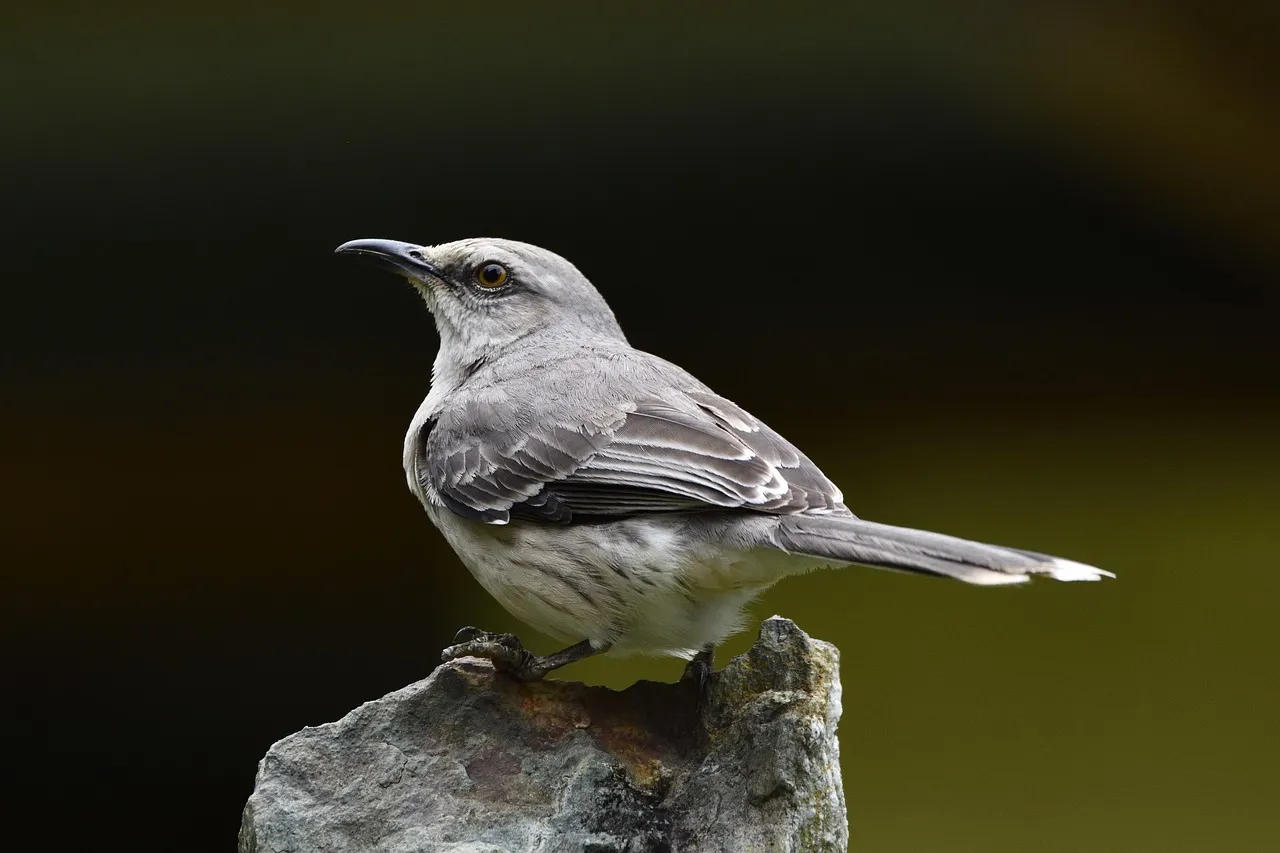
Brown thrashers sing phrases twice before moving on, while mockingbirds usually sing a phrase three to seven times. That repetition pattern is actually the most reliable field clue available to anyone who wants to distinguish a mockingbird from the species it is imitating. If you hear what sounds like a cardinal repeating the same phrase four times, pause before you write it down as a cardinal sighting.
Usually, all it takes to separate a Northern Mockingbird from the species they are imitating is a little patience; they’re known to repeat phrases several times before moving onto the next sound. This is a small rule with a large payoff. It does not require any particular expertise. Just a few extra seconds of listening.
Male mockingbirds add phrases every year, and mockingbirds may learn more than 200 songs. Although catbirds and brown thrashers tend to have a greater number of songs, the mockingbird’s playlist includes more songs that are distinctly imitative. So the older the mockingbird, the more species it can convincingly impersonate.
What Mockingbirds Actually Choose to Imitate
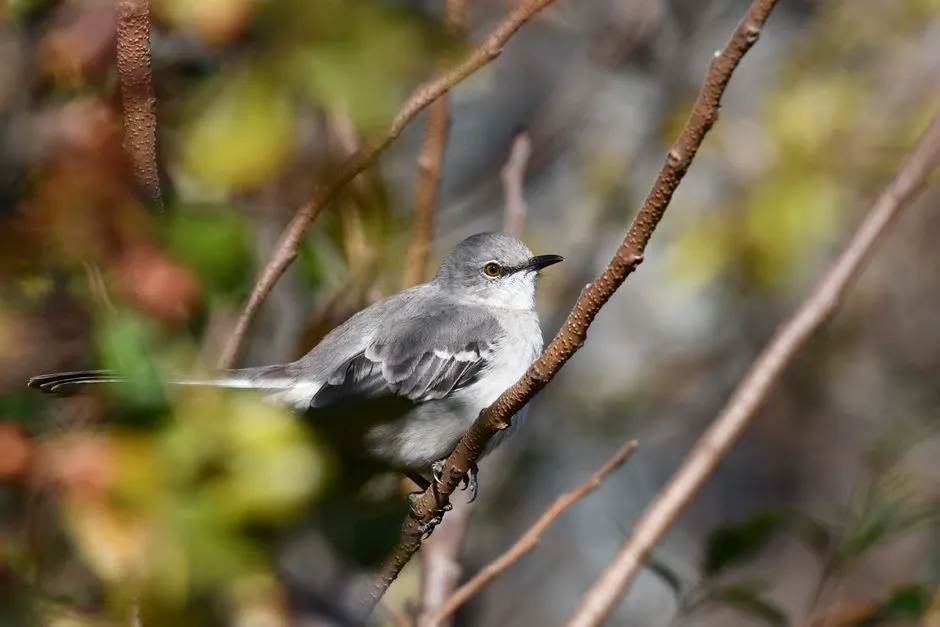
Research at Elon University found that campus mockingbirds most often mimicked the Carolina Wren, Tufted Titmouse, Blue Jay, Northern Cardinal, and Eastern Bluebird. Never-mimicked species included the Mourning Dove and Chipping Sparrow. That selectivity is itself interesting. The bird is not simply copying everything it hears.
Researchers found that mockingbirds mimic birds whose songs are similar in pitch and rhythm to their own vocalizations. So there is an internal filter at work. The mockingbird is not a random sound machine. It gravitates toward voices that share something with its own acoustic signature, which in turn makes the imitations particularly convincing to human ears.
The male mockingbird’s mimicry advertises his breeding territory to other males, warns competitors away from the food supply, and attracts females. Biologists believe that the quality and quantity of the repertoire are factors in mate selection. The older the bird, the more songs he has picked up, and females may find mature males to be the most alluring.
The Catbird: The Underestimated Mimic
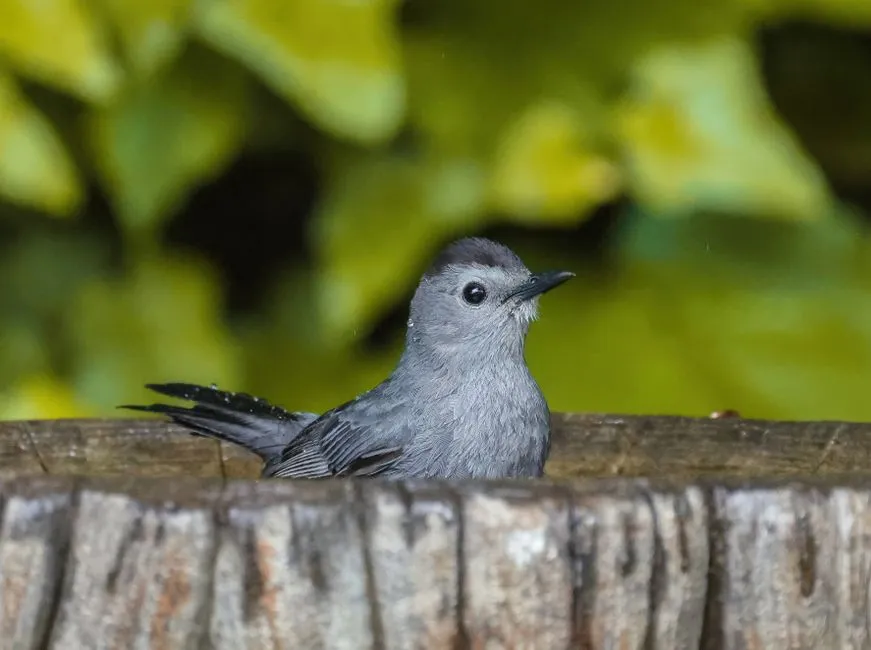
The Gray Catbird is known for its cat-like “mew” call, but it is usually overlooked in the mimicry department. Its song consists of jumbled, mixed syllables with no pauses, so it can be difficult to pick up on the imitations that are blended in. Most listeners simply register it as a generic, pleasant jumble. The mimicry disappears inside the continuous stream.
One catbird was recorded singing like a Wilson’s Snipe, Green-winged Teal, and even a Pacific chorus frog. The quality of the song, however, gives the catbird away. Catbirds have a raspier tone, and their hurried notes are often interrupted by a “mew.” That intermittent mew is the giveaway, if you know to listen for it.
The Chipping Sparrow and Dark-Eyed Junco Mix-Up
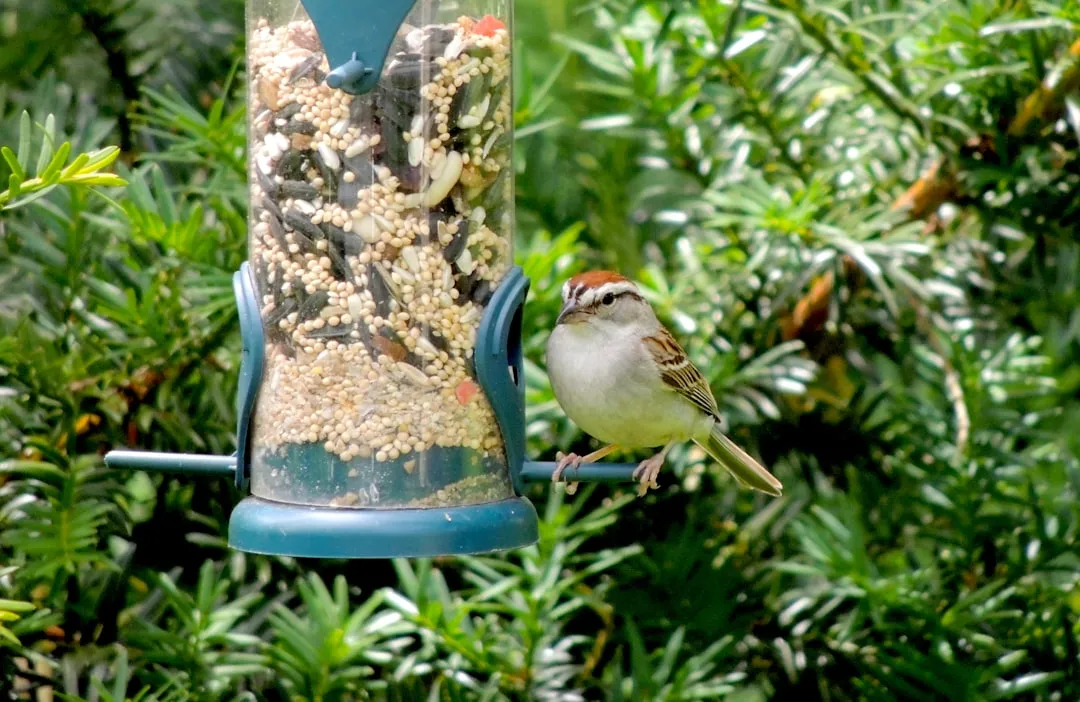
Listen carefully if you’re picking up the song of either a chipping sparrow or a dark-eyed junco, as their songs are easily confused. The junco’s song is described as having more of a musical quality to it while the sparrow’s is a bit more “mechanical” sounding to some ears. This is a pairing that trips up even experienced birders who are not paying particularly close attention.
Both species produce a rapid, dry trill, and both are widespread across North America. The difference in sound quality is real, but subtle enough that casual listeners rarely catch it without a side-by-side comparison. The habitat context can help: juncos often favor higher elevations and conifer edges, while chipping sparrows are comfortable in open lawns and suburban yards.
Why the Steller’s Jay Adds to Western Confusion
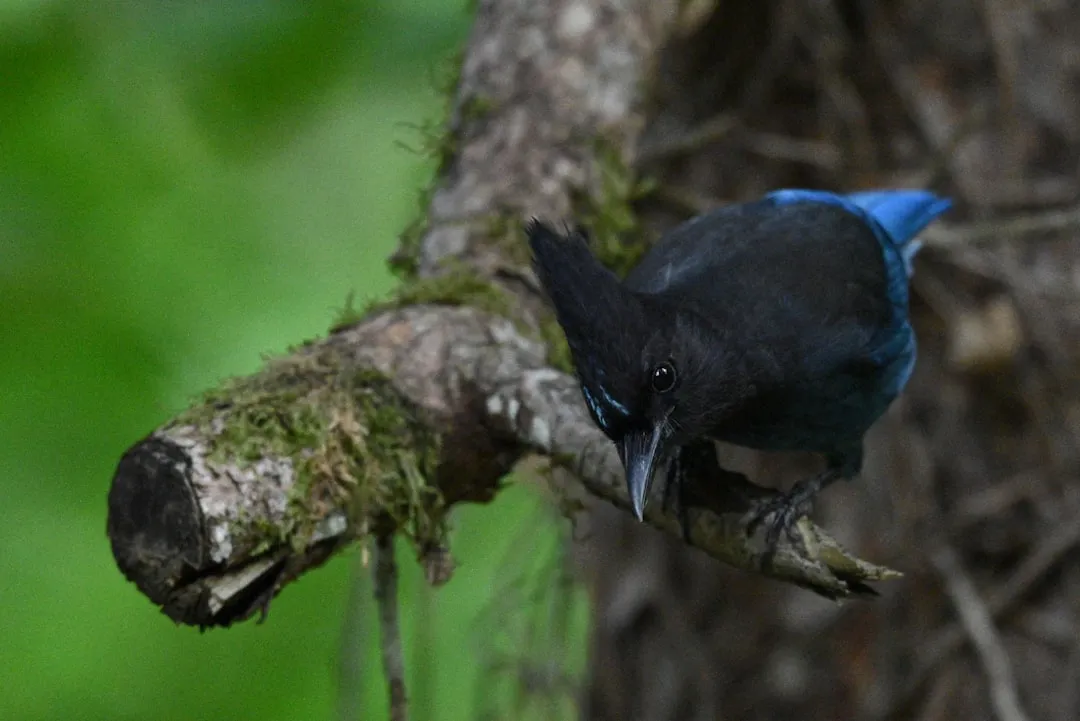
Steller’s Jays mimic birds, mammals, and other sounds in their environment. Researchers have heard them imitating squirrels, Northern Flickers, Northern Goshawks, White-breasted Nuthatches, and mechanical sounds such as water sprinklers. West of the Rockies, birders who assume every raptor-like scream belongs to an actual raptor are regularly deceived by this species.
If the loud alarm call does not send a predator packing, the jay may mimic the call of a Bald Eagle or Red-tailed Hawk, birds at the very top of the pecking order, to dissuade the invader. This escalating mimicry strategy is compelling evidence that jays understand the social effect of certain calls, even if the exact cognitive mechanism behind it remains an open research question.
The Mockingbird’s Night Singing: The 3 a.m. Mystery
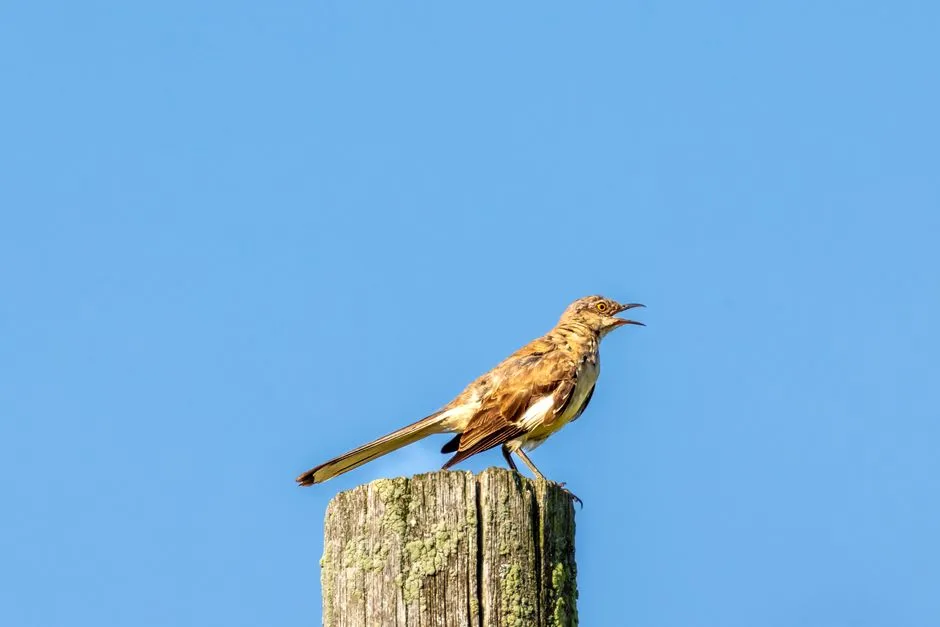
The northern mockingbird’s reputation rests on its impressive mimicry, which ranges from other birdsong to insects, frogs, and human-made sounds such as car horns, sirens, rusty hinges, and musical instruments. Unmated males even sing at night, especially during the full moon or near streetlights. Avian experts often field calls from disturbed sleepers.
When humans listen to mockingbird song, they often notice that successive song phrases are acoustically related, similar to what musicians call variations of the same theme. The transition from one mockingbird phrase to the next often represents a gradual acoustic shift, keeping most features the same, but changing one or more acoustic features, such as pitch or tempo. This is part of why the song feels strangely coherent despite covering so many borrowed voices.
This morphing is easily grasped by human listeners, even to the untrained ears of non-ornithologists who might recognize less of the mimicry. Researchers suspect that one major reason mockingbird song so fascinates humans lies in the fact that morphing is also a central quality in human music. It may be, in other words, that the mockingbird’s song speaks to something deep in how humans process sound, which would go some way toward explaining why it is so often heard as something familiar rather than something foreign.
How to Actually Tell Them Apart
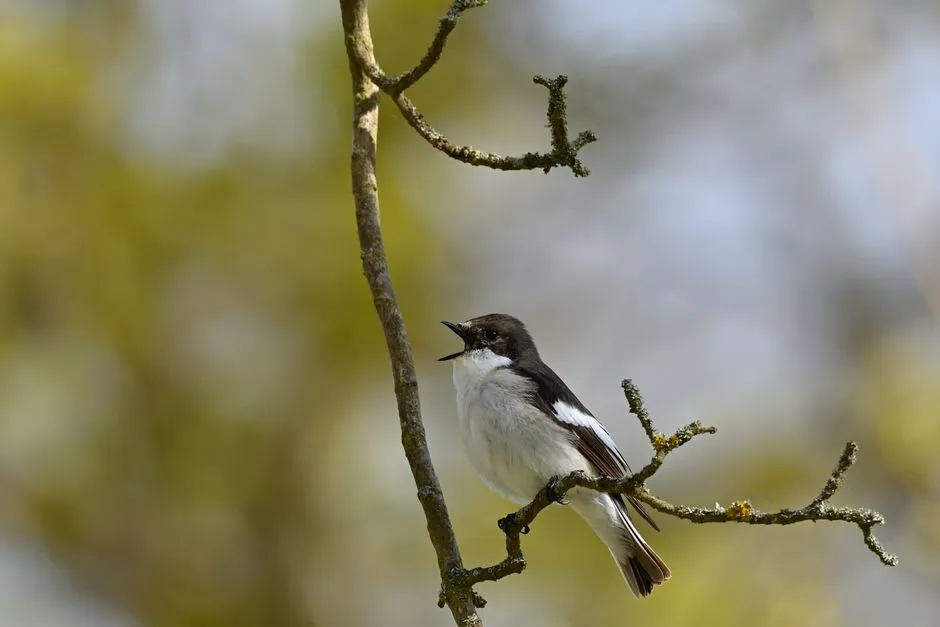
The practical toolkit for untangling these misidentifications is genuinely modest. For the mockingbird, repetition is the tell: Northern Mockingbirds typically mimic other species’ songs two to four times in a row, then may switch to another species’ song. If the cardinal-sounding phrase keeps cycling before switching to something else, you are almost certainly hearing a mockingbird.
For the chickadee versus phoebe confusion, the “fee-bee” song can sometimes be confused with the song of an Eastern Phoebe. If it sounds more melodic and less raspy, then it is the song of a Black-Capped Chickadee. Texture matters here more than pitch. Raspy points to phoebe; clear and pure points to chickadee. For the Blue Jay hawk impression, location is a clue: if the hawk call is coming from a low branch or dense shrub rather than the open sky, a corvid is the far more likely candidate.
The larger point may be this: bird song misidentification is not a flaw in the listener. It is a testament to how sophisticated some birds have become at occupying acoustic space that does not originally belong to them. Knowing what to listen for does not just sharpen your identification skills. It changes the way the whole soundscape feels, from random to deeply, surprisingly intentional.
AI Disclaimer: This article was created with the assistance of AI tools and reviewed by a human editor.