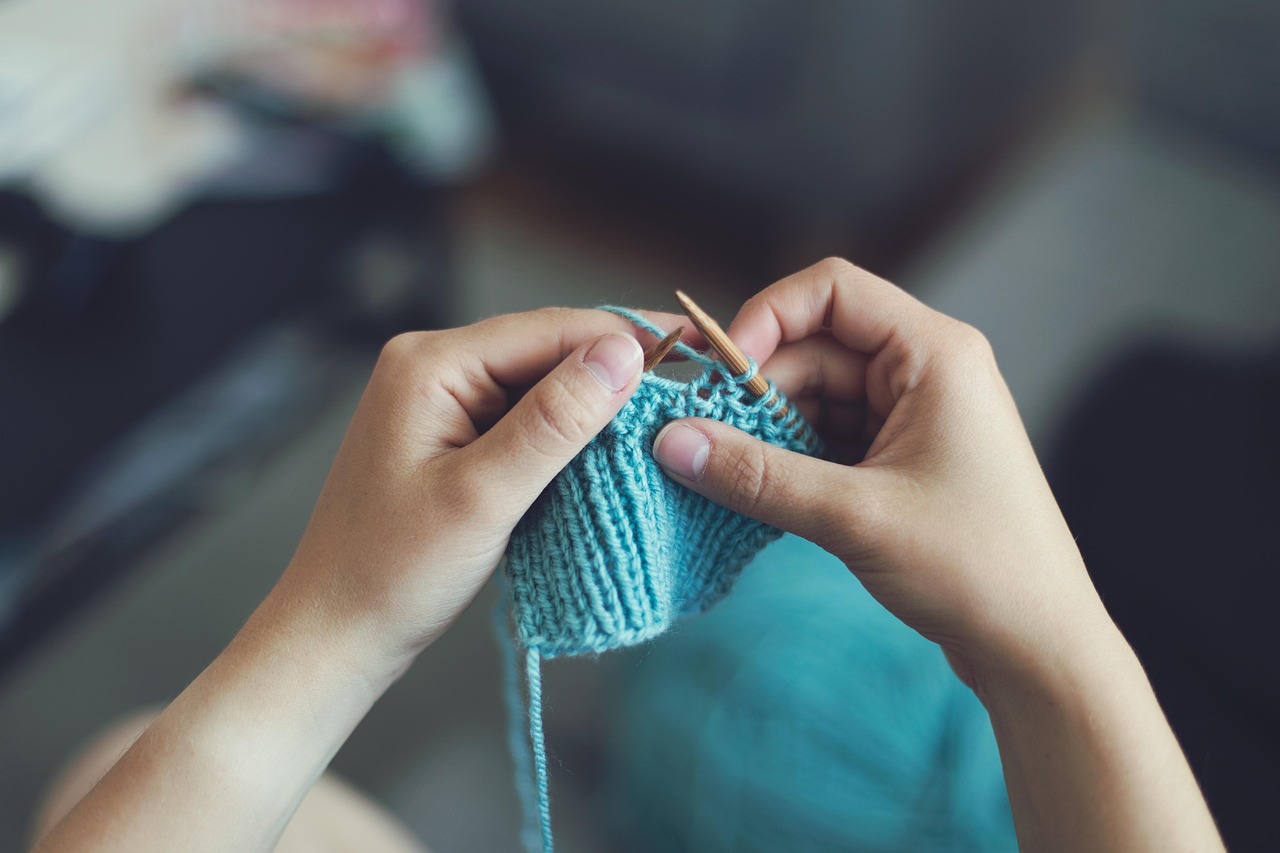

There’s a quiet rebellion happening in living rooms, kitchen tables, and spare bedrooms. People are swapping screens for scissors, yarn, and glue. It doesn’t feel like a trend so much as a correction.
Hobbies like knitting, sewing, needlepointing, and candle making are making a real comeback, with the craft and hobby market projected to reach $74.3 billion in revenue by 2033. Countless Americans have taken to social media to share their so-called “grandma hobbies,” a term of endearment for activities that were once considered old-fashioned. The numbers back it up. In 2024, roughly seven in ten U.S. adults engaged in a craft project, and an even greater share of Gen Z identified as crafters. That’s not a niche. That’s a movement.
1. Macramé Wall Hangings
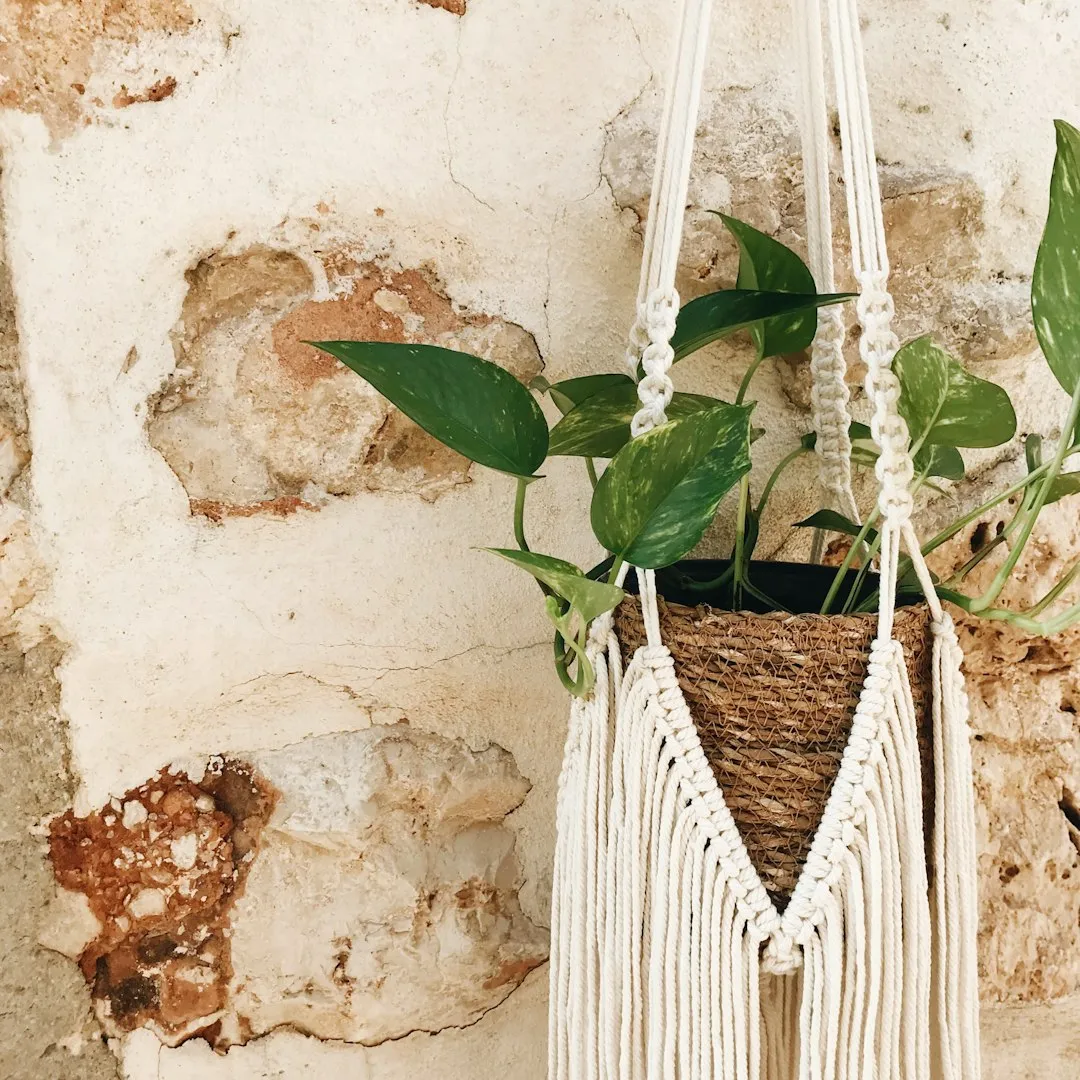
Macramé had its golden moment in the 1970s, and it never really left. This textile art gained popularity in the 1970s and is experiencing a stylish comeback today. The art form involves the careful tying of cords into patterns to create decorative pieces. Mastering a few fundamental knots can allow anyone to start crafting their own pieces with ease.
Etsy reports that searches for macramé are up over 400%, and it’s turning up in everything from DIY kits to finished home décor. That kind of search growth doesn’t happen by accident. It reflects a genuine hunger for handmade texture in spaces that have gone very minimal and very beige.
Search data shows that “macramé wall hanging” consistently shows the highest search interest, and there was a significant peak in August 2025, reaching a normalized search value of 97, indicating strong seasonal demand. Whether you hang it above a bed or in a corner of a reading nook, macramé has a warmth that no printed poster quite matches.
2. Cross Stitch and Embroidery
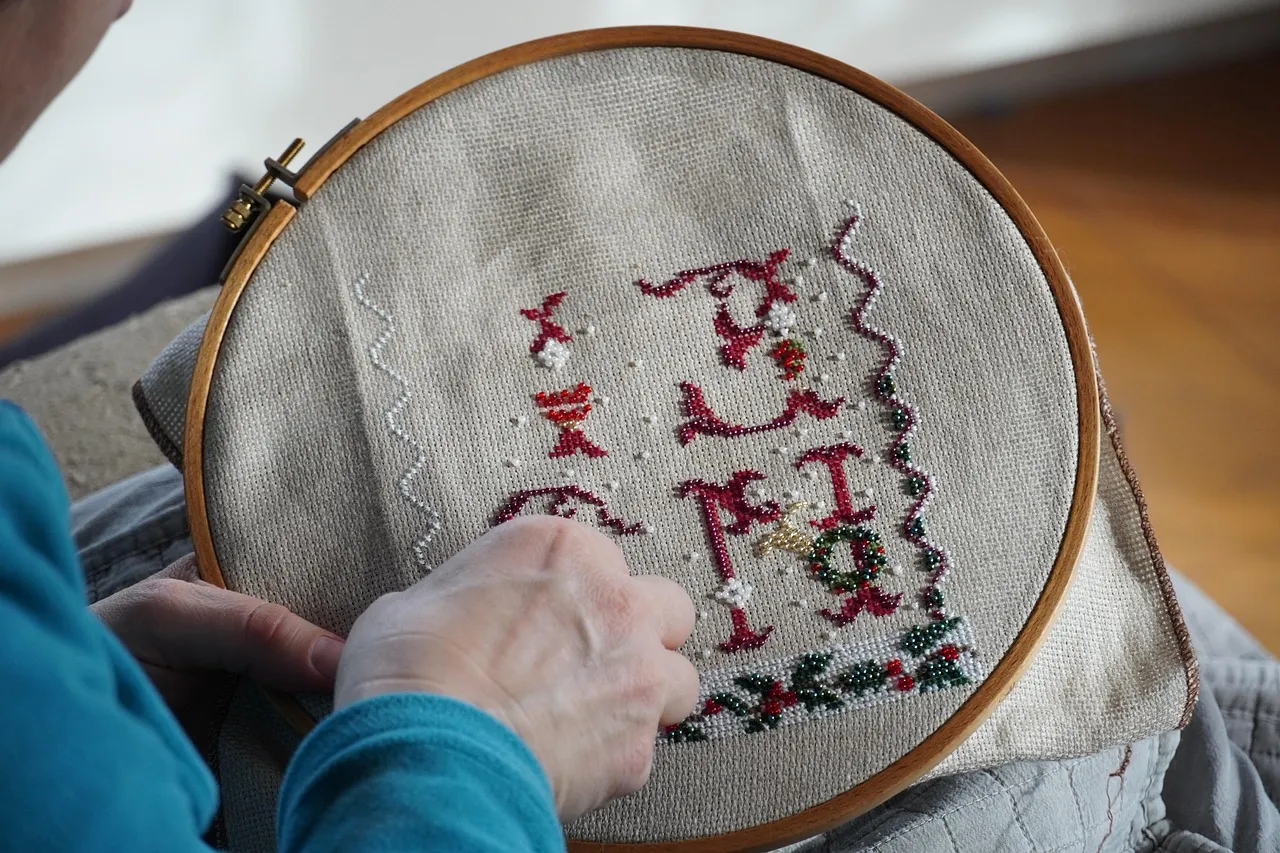
Market research shows cross stitch kit sales outpacing knitting supplies by 25% in major craft retailers throughout 2024 and 2025. This trend indicates a growing preference for the accessibility and immediate satisfaction that cross stitch provides compared to more complex fiber arts.
Cross stitch is experiencing a major revival, with craft stores reporting roughly 40% increased sales since 2021. Social media platforms now feature millions of cross stitch posts, and the craft attracts diverse demographics from teenagers to seniors across America. The modern version has shed its fussy, floral reputation. Today’s designs are playful, irreverent, and sometimes pretty funny.
Medical research from 2024 shows that repetitive needlework like cross stitch reduces cortisol levels by up to 32%, making it as effective as meditation for stress reduction. The rhythmic nature of stitching activates the parasympathetic nervous system, promoting calm and reducing anxiety. That’s a compelling case for picking up a hoop on a Tuesday night.
3. Scrapbooking
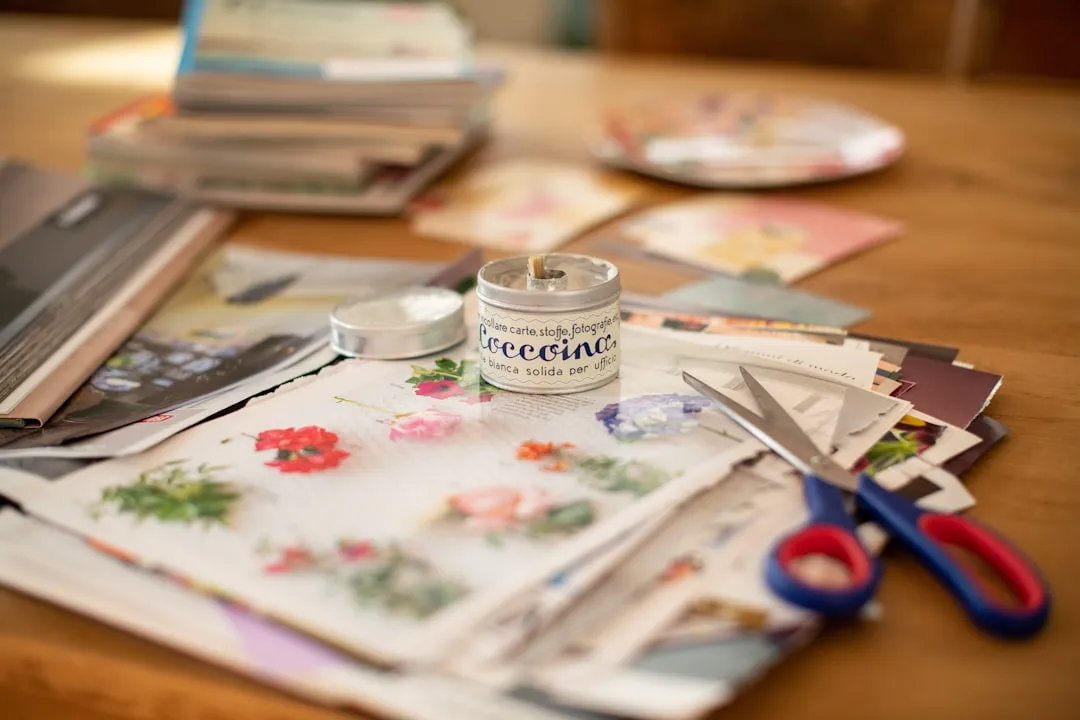
Scrapbooking is making a strong comeback in 2025. Modern photo albums are integrating scrapbooking elements to enhance personalization, and the combination of digital and physical scrapbooking styles reflects contemporary tastes. There’s something grounding about holding a physical page that no Instagram album quite replicates.
Today’s scrapbook pages lean toward intentional white space, clustered focal points, and mixed media elements that tell stories rather than just decorate them. Mixed media in scrapbooking refers to combining various materials and techniques, such as paint, ink, fabric, and paper, to create layered, textured pages.
The scrapbooking market is projected to grow at 6 to 8% annually through 2026, driven in part by the growing share of consumers prioritizing eco-friendly materials. Search volume data for “scrapbook paper” shows a steady increase from September 2024 to a peak in October 2025, indicating heightened interest during the latter half of the year. Memory-keeping clearly still has a place.
4. Candle Making
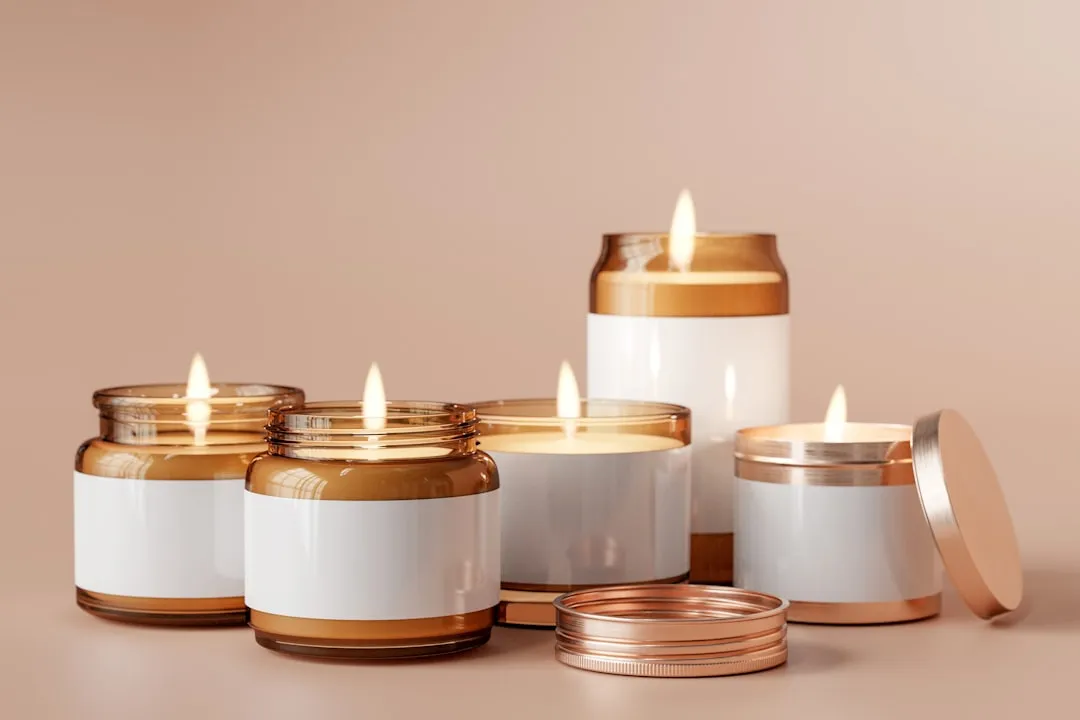
DIY candle making lets you customize your home’s scent in a craft that is both practical and satisfying. Soy wax is a natural and eco-friendly choice, and you can experiment with different moulds, scents, and colors to make personalized candles. It sounds simple, but the range of what you can create grows quickly once you start.
DIY home fragrance has been popular for several years now. During the COVID-19 lockdowns, roughly 85% of UK people started DIY projects, and that interest has not gone away. People genuinely enjoy being creative and making personal items.
You can add dried flowers, herbs, or embedded objects in the wax for a decorative touch, which has made candle making a natural crossover with other nostalgic crafts like pressed florals. Gifting a candle you made yourself carries a very different weight than one you grabbed off a shelf. That distinction matters to people, especially now.
5. Needlepoint
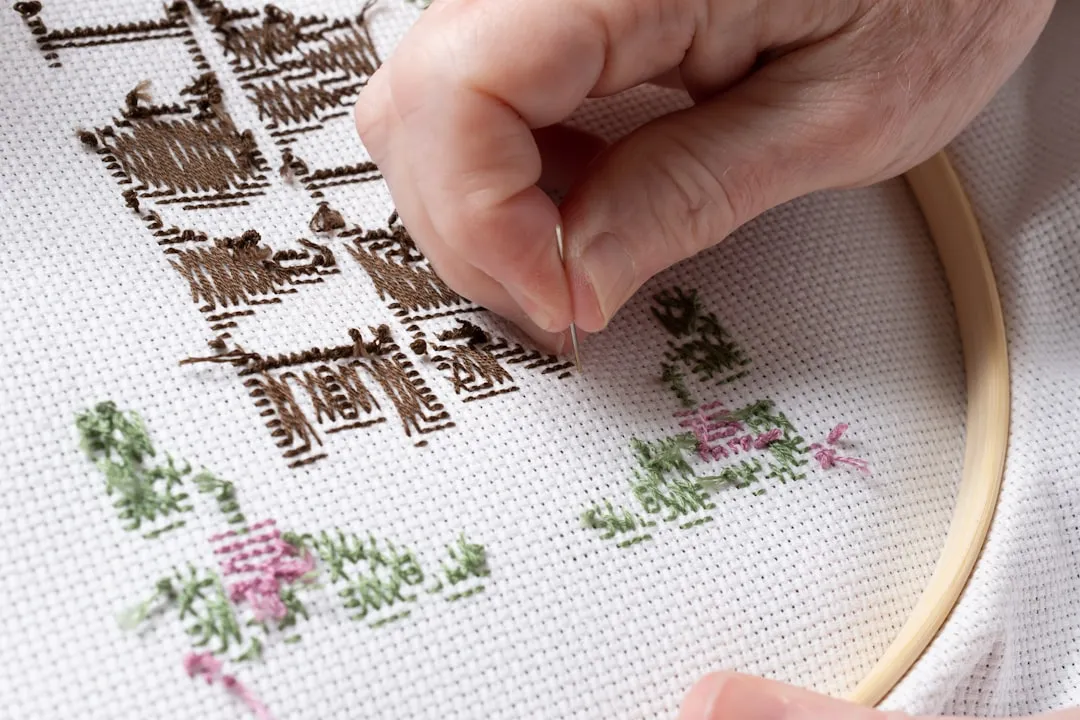
One tactile craft that has found a new audience in recent years was historically loved by European royals and aristocrats, but has been given a new lease of life by celebrities and cultural moments. The traditionally old-fashioned craft of needlepoint has grown in popularity with Gen Z and young millennials.
Sparked into life by the Covid-19 pandemic, needlepoint enjoyed a renaissance, and instead of staying niche, it found a younger audience as a new wave of needlepointers were hooked, with stitch clubs popping up across the United States and beyond. It’s the kind of craft that demands just enough focus to quiet the noise of a busy day.
Posts under #needlepoint on TikTok increased by 400% in 2024 compared to the previous year. Social media is clearly influencing craft trends significantly, and younger audiences are discovering traditional hobbies online. Few things illustrate the generation gap collapsing quite like grandma’s hobby going viral on TikTok.
6. Pressed Flower Art
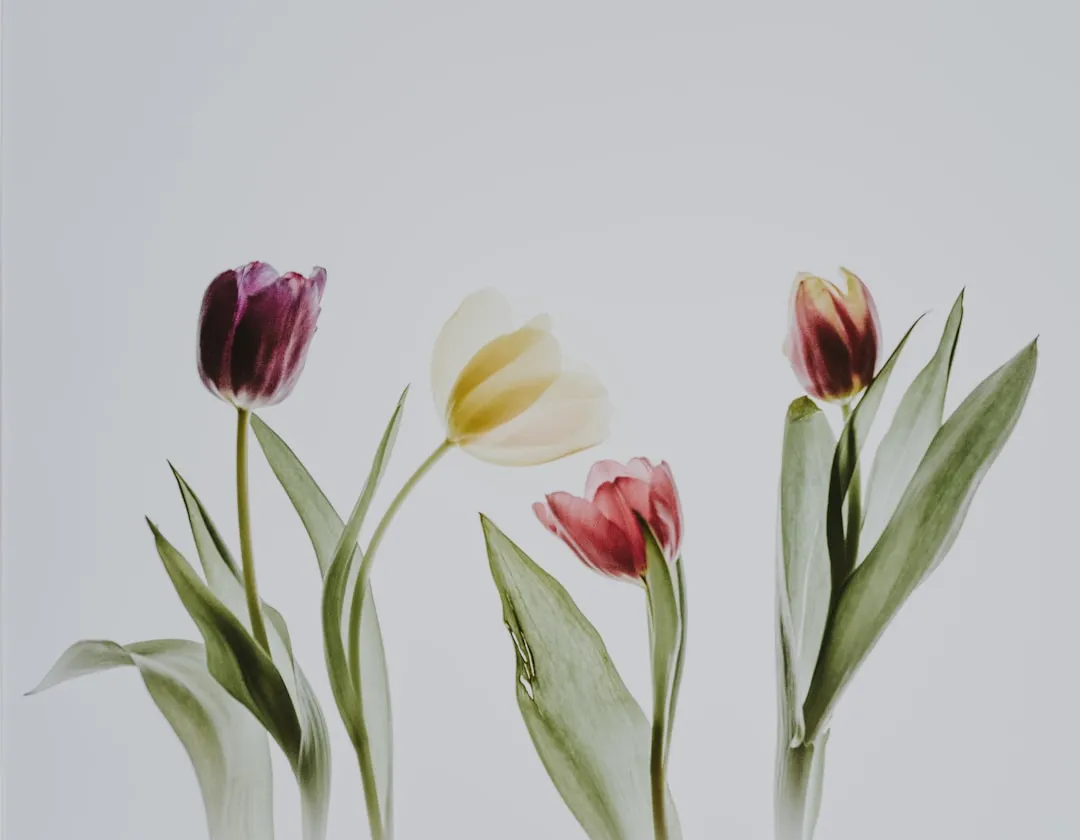
Traditional crafts like pressed flowers are having a big comeback in 2025 and 2026. People are looking to slow down, spend less, and be more intentional in every aspect of their lives, and crafting is no exception. Pressed flower art fits that mood almost perfectly. It asks very little of you to get started, and it rewards patience rather than speed.
Botanical designs experienced explosive popularity in 2025 and continue strengthening through 2026. Soft ferns, delicate pressed flowers, and detailed botanical illustrations provide a timeless elegance that translates well into framed wall art, greeting cards, resin coasters, and scrapbook pages. The versatility is a big part of its appeal.
This trend brings the outdoors in, using natural materials like dried flowers and pressed leaves. From wreaths and botanical prints to handmade candles with floral embeds, nature-inspired crafts are perfect for connecting with the earth. In an era of overstimulation, there’s genuine relief in pressing a flower between the pages of a heavy book and simply waiting.
Why the Nostalgia Wave Is About More Than Aesthetics
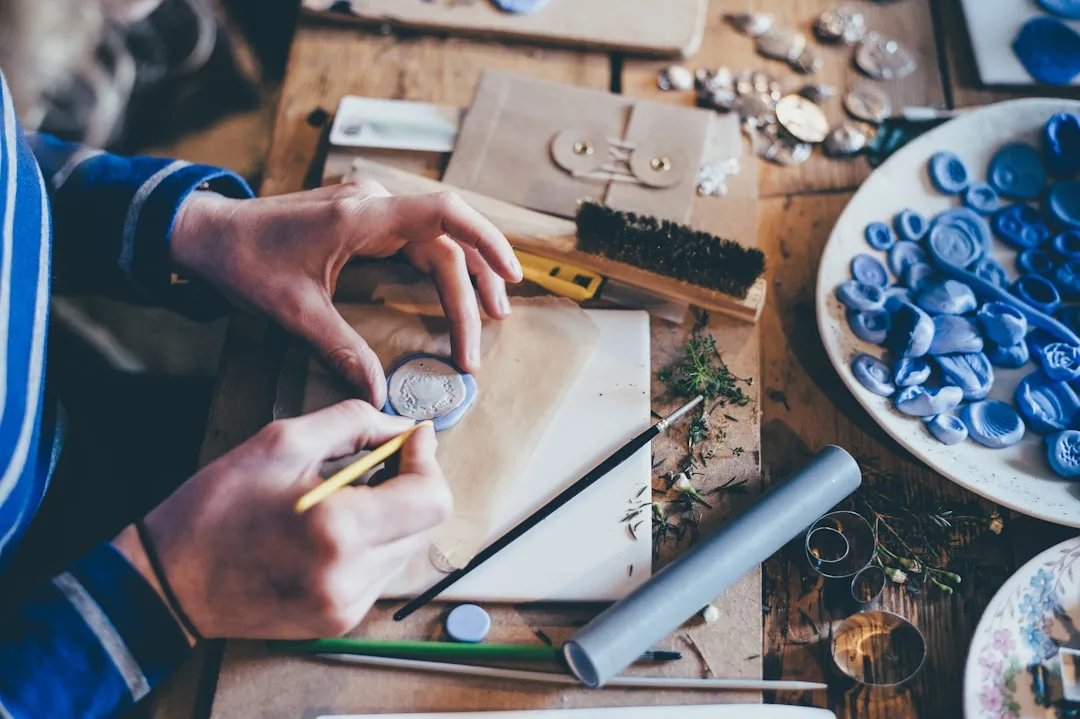
Research from Anglia Ruskin University reveals something remarkable: engaging in arts and crafts provides mental health benefits equivalent to having employment. That’s not a trivial finding. It reframes what we often dismiss as “just a hobby” into something with real psychological weight.
The renaissance occurring in the craft and art realm is both a rediscovery of traditional or “heirloom” craftsmanship, and a recollection of a time when we nurtured our hobbies and interests a lot more. That’s the honest thread running through all six of these crafts. They’re not comebacks because they’re cute. They’re comebacks because they work.
This focus on handmade has not only redefined the items that are gaining prestige, but also the consumer. The return to craft has brought about the rise of the ethical consumer, who has helped fuel interest in sustainable and ethical production. Locally sourced materials can help connect a consumer to the product and its place, providing a valuable human touch in a digital world.
How to Get Started Without Overthinking It
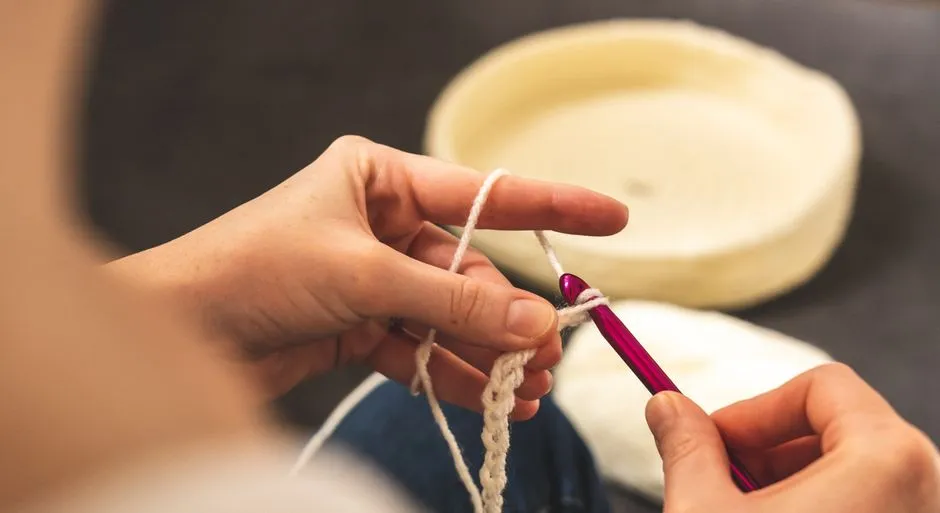
Craft kits provide approachable entry points for people to try unfamiliar crafts. Most contain everything a crafter needs to make a single item, and many focus on the beginner audience. It’s incredibly easy for even the most intimidated person to pick up an unfamiliar craft via a unique kit and feel comfortable launching a new hobby.
The emotional benefits of crafting make it a popular leisure activity, as crafters look for stress relief and a sense of productivity that comes from creating something tangible and personalized. Starting small is genuinely the right advice here. A single embroidery hoop, a ball of macramé cord, or a small flower press. None of it needs to be a commitment.
Crafting also offers a strong social dimension beyond its solo appeal, with over three-quarters of crafters expressing interest in social crafting meetups held by retailers. That social layer is worth mentioning. These crafts don’t have to be solitary. They’re just as good around a table with other people.
The Market Behind the Moment
The global market for handmade and crafts is estimated to be worth over $906 billion and is expected to reach $1.94 trillion by 2033, growing steadily at about 8.83% per year. That scale matters, because it tells you this is far beyond a passing fad.
In 2024, online sales of hobby and craft supplies in the United States alone exceeded $22.2 billion. There are 85 million active creatives in the United States and Canada, and together they generate approximately $35 billion in sales. The nostalgic craft revival is not just cultural. It’s economic.
According to Statista’s Consumer Insights survey, roughly a quarter of U.S. respondents mentioned DIY and arts and crafts when asked about their personal hobbies and activities in 2024. Breaking down interest by age group suggests that such activities have a similar appeal across generations, with no significant differences emerging within the sample. That cross-generational reach is what sets this moment apart from previous craft revivals.
The Takeaway
None of these six crafts disappeared. They just waited. And right now, in a moment defined by digital saturation and a shared appetite for something slower, they’re being rediscovered by people who never touched them before and people who set them down decades ago.
The appeal is easy to understand. Making something with your hands, something that exists in physical space and took real time to create, offers a kind of satisfaction that a feed of perfectly curated images simply cannot provide. There’s a reason these projects have endured across generations, and there’s a reason they feel so relevant right now.
Pick one. Start small. You might find that the slowest hobby on the list is the most useful thing you added to your week.
AI Disclaimer: This article was created with the assistance of AI tools and reviewed by a human editor.