
Generosity is one of the most instinctive human impulses. When a disaster strikes or a crisis emerges, people open their wallets without hesitation. That instinct is worth protecting. In 2024 alone, the FBI’s Internet Crime Complaint Center received more than 4,500 complaints reporting approximately $96 million in losses to fraudulent charities, crowdfunding accounts, and disaster relief campaigns.
U.S. charitable contributions across individuals, bequests, foundations and corporations totaled an estimated $592.5 billion in 2024, with individuals contributing the largest share. That enormous sum is exactly what makes donors attractive targets. Knowing how to tell the real from the fake can protect both your money and the causes you actually care about.
1. They Create a Sense of Extreme Urgency
Pressure is the most reliable weapon in a scammer’s kit. Scammers thrive on urgency, using emotional stories, disaster imagery, or claims of matching donations to push you into donating without verifying the source. If someone insists you donate right now or demands your immediate action, pause and investigate.
Urgent appeals use phrases like “every second counts” and “life or death” to prompt immediate action without thinking twice. The logic is simple: the faster you act, the less likely you are to check anything.
Legitimate charities will never rush you. A real organization is grateful for any support you can give on your own timeline. When the deadline feels manufactured, it almost certainly is.
2. The Name Sounds Almost Familiar
Scammers exploit compassion by creating fake charities with names similar to legitimate organizations, using emotional manipulation to pressure donations, and demanding payment via untraceable methods. A name like “American Red Relief” placed next to “American Red Cross” is deliberately chosen to blur the line between the two.
This includes creating fake charities with names similar to legitimate organizations, banking on donor confusion and quick giving without verification. The difference of one word or a slightly altered URL can be enough to redirect thousands of dollars away from real aid.
Fraudsters often mimic well-known organizations by creating spoofed websites, similar-sounding names, or fake social media profiles. Always search independently for the organization rather than clicking through a link in an unsolicited email or text.
3. They Ask for Untraceable Payment Methods
In 2024, the FTC reported that bank transfers and crypto payments were the most common methods used in scams. Gift cards are another major red flag. Scammers favor gift cards because they’re quick to buy, easy to spend or transfer, and utterly untraceable.
According to the FTC, Americans filed more than 41,000 fraud reports tied to gift card and prepaid card scams in 2024, totaling $212 million in losses. That figure covers all scam types, but charity fraud is a notable driver of that number.
Be wary of anyone asking for gift card donations online, as legitimate charities rarely ask for contributions this way. No legitimate business or government agency will demand payment in these ways. Stick to verified platforms and credit cards, which offer a layer of recourse if something goes wrong.
4. The Appeal Is Heavy on Emotion, Light on Facts
Charitable appeals often address emotional and urgent issues, such as providing relief after natural disasters, helping communities impacted by inflation, or supporting vulnerable children. If an appeal moves you emotionally, make sure it clearly identifies the specific programs and activities the charity will fund.
Scam appeals emphasize urgent needs, like food and water, to evoke sympathy and prompt quick responses. The goal is to bypass your rational thinking entirely. Real charities can and do tell you exactly where the money goes.
Legitimate charities remain open about how they use donations. They share annual budgets, IRS Form 990s, and spending reports. When you study these documents, you see exactly how much money supports programs versus administration. If a charity can’t or won’t share that information, walk away.
5. You Can’t Find Any Verifiable Record of the Organization
The FBI and FTC have repeatedly warned that scammers exploit emotional giving by impersonating or inventing charities. One of the clearest warning signs is the total absence of any verifiable trail: no IRS registration, no third-party reviews, no searchable history.
Charity Navigator helps you find trustworthy nonprofits, rating thousands of U.S.-based nonprofit organizations on financial health, accountability, and transparency. Scores range from zero to 100 across key areas like program spending and administrative costs. A legitimate charity generally welcomes that scrutiny.
It is strongly recommended to verify if the organization meets the 20 BBB Standards for Charity Accountability. Use Give.org’s search engine to look for both nationally-soliciting and regionally-soliciting charities that have been the subject of a report by either the BBB Wise Giving Alliance or a Better Business Bureau. If an organization doesn’t appear in any of these databases, treat that absence as its own warning sign.
Bonus: AI-Generated Appeals Are Making Fraud Harder to Spot
Scammers are becoming more sophisticated, using AI-generated content, spoofed websites, and emotional manipulation to trick well-meaning donors. This isn’t a fringe concern. The tools to clone voices, fabricate images, and build convincing fake sites are widely available and cheap to use.
In 2025, AI tools have made it easier to clone voices and create deepfake videos of celebrities or disaster victims asking for help. A tearful video or a heartfelt voice message is no longer reliable proof that an appeal is genuine.
The advice here is straightforward: verify independently, no matter how convincing the presentation feels. Scammers take advantage of catastrophic incidents, such as mass casualty events, terrorist attacks, war, natural disasters, or pandemics, to pose as charitable entities providing humanitarian aid. The more emotionally charged the story, the more carefully it deserves to be checked.
Disaster Events Trigger Surges in Fake Charities
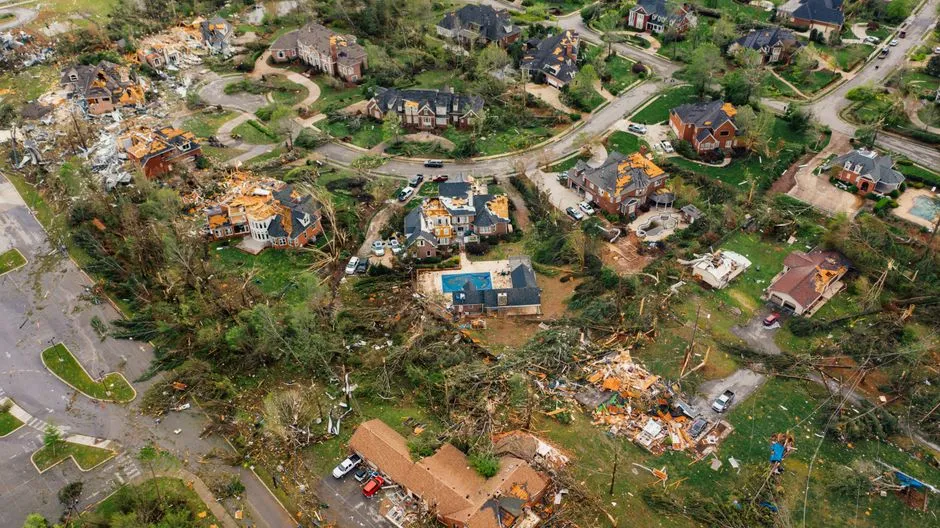
Charity scams cost Americans $189 million in 2024, with fraud spiking dramatically after natural disasters like hurricanes, wildfires, and earthquakes. The pattern is consistent: a major event happens, and fraudulent organizations appear within hours, often before legitimate relief is even organized.
In 2025 and 2026, disaster relief scams following Hurricanes Helene and Milton, along with California wildfires, resulted in millions stolen from well-meaning donors. These weren’t obscure operations. Many used polished branding and social media reach.
While these scams can happen at any time, they are especially prevalent after high-profile disasters. The FBI has repeatedly flagged this pattern. Waiting a day or two before donating after a disaster, to let verified organizations post their official relief links, is a genuinely protective habit.
Imposter Scams Are Now the Top Fraud Category
FTC data show that consumers reported losing more than $12.5 billion to fraud in 2024, which represents a 25 percent increase over the prior year. Charity fraud sits within the imposter scam category, which the FTC confirmed as the single most reported scam type that year.
There were 845,806 imposter scam reports to the FTC’s Sentinel system. Twenty-two percent of those reported a dollar loss, totaling $2.95 billion lost to imposter scams in 2024. These numbers include people pretending to represent well-known charitable and humanitarian brands.
In 2023, 27 percent of people who reported a fraud said they lost money, while in 2024, that figure jumped to 38 percent. In other words, not only are there more scams, but more of them are successfully taking money from people. Awareness is one of the few things that directly moves those numbers down.
What a Suspicious Sender or Website Address Tells You
Be cautious of unsolicited, generic emails, even those using “.org” domains. A “.org” extension carries no legal requirement for nonprofit status and can be registered by anyone. Scammers know that most donors still associate it with legitimacy.
Look at the URL carefully before donating through any link. A single transposed letter, an added hyphen, or a different domain extension can all indicate a spoofed site designed to collect payment details. When in doubt, navigate directly to the charity’s official website rather than clicking from an email or social media post.
Don’t assume that charity messages posted on social media are legitimate. Research the organization yourself. Social platforms have been slower than email providers to filter out fraudulent charity posts, and they remain a primary channel for this kind of fraud.
What Hidden Financial Information Really Signals

Most trustworthy charities spend the majority of their funds on mission-based work. When administrative costs seem too high or financial information is hidden, consider it a warning sign. Some fraudulent organizations are technically registered but funnel most of the money into salaries or “fundraising costs.”
Some organizations claim to support veterans but spend 90 percent on fundraising costs and executive salaries. The Cancer Fund of America case is a well-documented example. Its operators were sentenced to prison for a $187 million fraud scheme.
A healthy benchmark is around 65 percent or more going directly to the cause. Less than that, and you should be asking questions. Charity Navigator, GuideStar, and BBB Wise Giving Alliance all provide this breakdown for free, and it takes under two minutes to check.
How to Report a Suspicious Charity Request
If you receive a donation request from a fraudulent charity, report it. This helps law enforcement stop scammers and prevents others from getting ripped off. You can report fake charities to the FTC at ReportFraud.ftc.gov.
If you’ve been the victim of a charity scam, report it to BBB.org/ScamTracker. Sharing your experience helps others avoid falling victim to similar scams. The IC3 at the FBI is another avenue, particularly for online fraud.
Filing a report matters even when you didn’t lose money. Pattern data collected from attempted scams helps agencies identify and shut down operations faster, often before they reach a larger pool of donors. Your report is someone else’s protection.
The Takeaway

Most people who get caught by charity fraud aren’t careless. They’re kind. The FBI and FTC have repeatedly warned that scammers exploit emotional giving by impersonating or inventing charities. The exploitation works precisely because the impulse to give is genuine and fast-moving.
The fix isn’t to become more cynical. It’s to build a short, consistent habit: look up the name, check the payment method, verify the contact information. When giving to a charity or nonprofit, use sites like CharityNavigator.org or donate directly through an organization’s official web page. Two minutes of checking is all it takes.
Real charities don’t need you to skip the verification step. That patience and transparency are, in themselves, part of how you can tell who’s actually doing the work.
AI Disclaimer: This article was created with the assistance of AI tools and reviewed by a human editor.