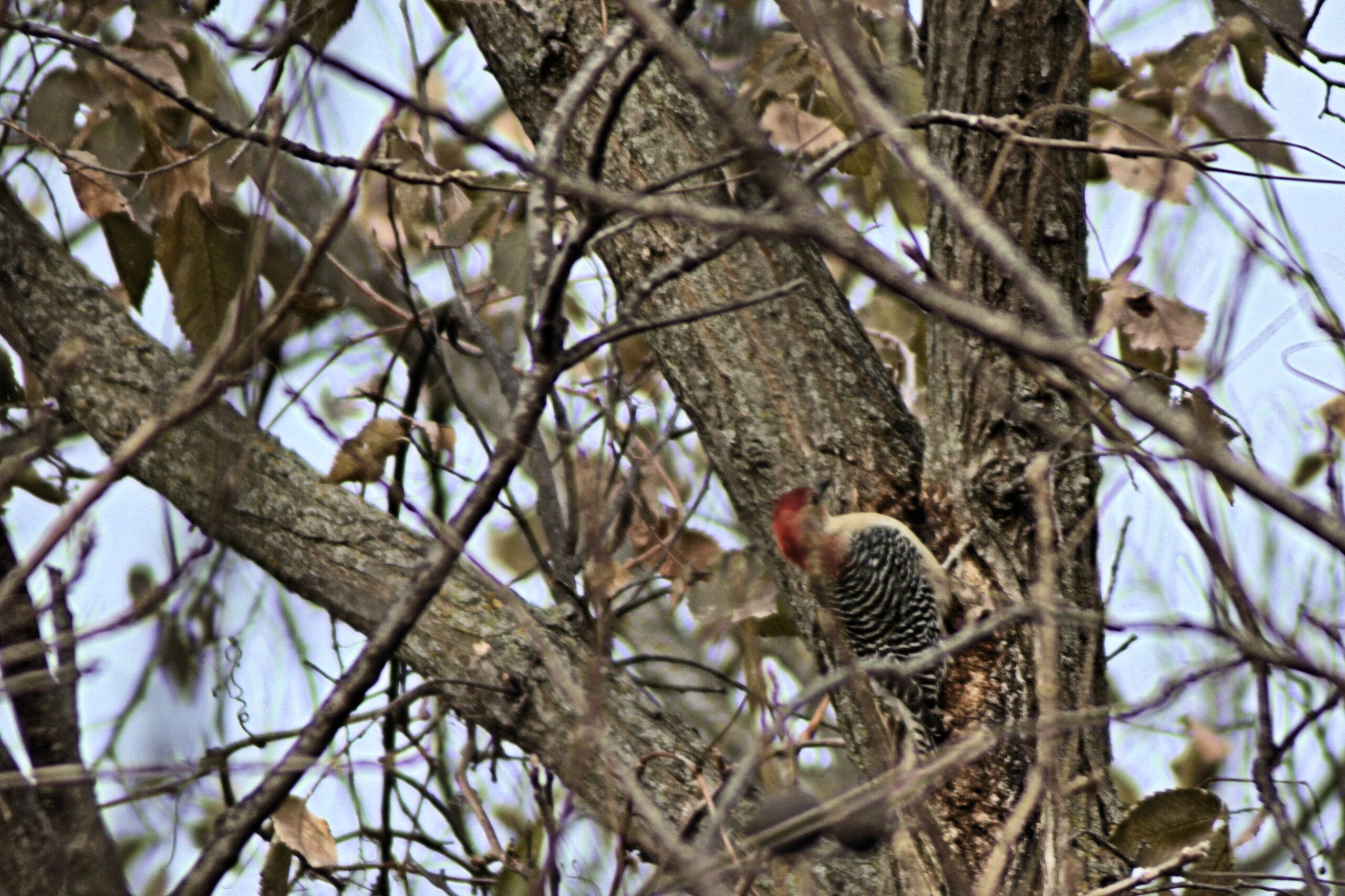

Most homeowners who have stood outside at dawn listening to a rapid, machine-gun tapping on their siding already know the sinking feeling. The bird isn’t lost. It isn’t confused. It chose your house specifically, and there are concrete reasons why.
A 2009 study of more than 1,000 houses in Ithaca, New York, found that roughly one third of houses had some kind of issue with woodpeckers, whether physical damage or disturbance from noise. That’s a striking number, and it raises an obvious question: what made those houses different from the others on the same street?
The Type of Siding Makes a Bigger Difference Than You’d Think
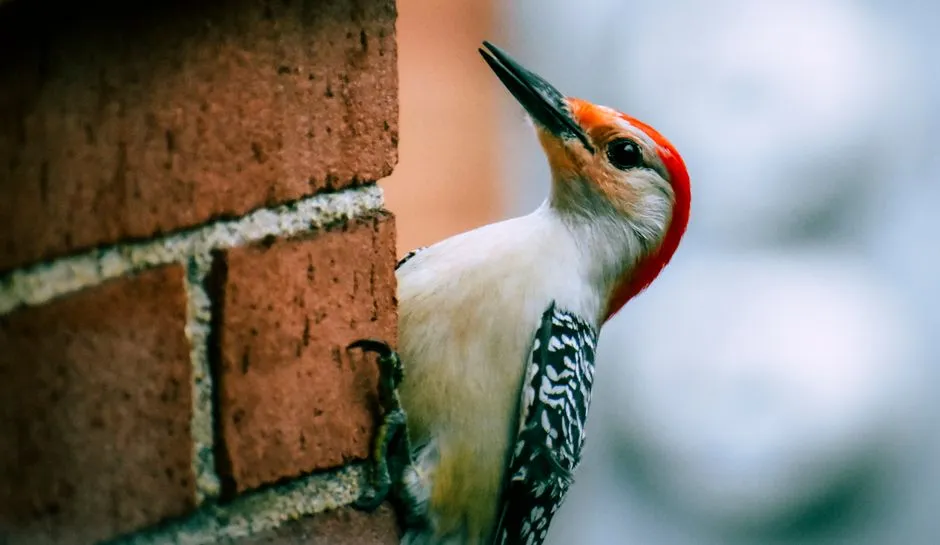
A house’s siding type played a key role in woodpecker damage, with grooved plywood siding more likely to be damaged than other siding types. This isn’t coincidence. The texture and softness of certain materials closely mimics the bark of dead or dying trees, which woodpeckers instinctively gravitate toward.
Woodpeckers prefer cedar and redwood siding, but will damage pine, fir, cypress, and others when available. Natural or stained wood surfaces are preferred over painted wood. The more a house exterior resembles a woodland tree, the more attractive it becomes.
Grooved plywood, wood shakes, tongue-and-groove, and board-and-batten sidings are more prone to damage by woodpeckers, particularly when homes are located near wooded areas. Smooth or hard surfaces simply offer less purchase and less appeal.
Earth-Tone Colors Put a Target on Your Home
Home exteriors with cedar clapboards stained in earth tones such as brown, red, and green are appealing to woodpeckers and can be highly susceptible to woodpecker damage. If the home is painted in white or pastels, it’s less appealing to woodpeckers.
Houses with wood siding covered in earth-toned stains are at the highest risk of damage in the northeast US. The coloring appears to reinforce the resemblance to natural tree bark, which these birds are biologically wired to explore.
In other words, beautiful cedar siding or a rustic stain might be attracting woodpeckers by resembling the trees they usually peck. It’s a purely visual cue, and it works reliably on birds that evolved to identify soft wood by sight and sound.
Hidden Insect Infestations Are a Major Lure
One of the strongest reasons woodpeckers hammer away at homes is food. Termites, carpenter ants, and beetle larvae often live inside siding, soffits, or fascia boards, especially in humid regions where wood decay and moisture problems are common.
To a woodpecker, the sound of insects tunneling under the surface is a dinner bell. These birds are remarkably good at detecting movement and vibration within wood, and a wall full of carpenter bee larvae is essentially a stocked pantry to them.
Carpenter bees create tunnels, their larvae develop inside, and then woodpeckers excavate large sections of siding to reach the food. When feeding on houses, woodpeckers are often going after the larvae of carpenter bees, leafcutter bees, and grass bagworms. Addressing the insect problem first is key, because as long as the food source remains, the birds will keep returning.
Rotting or Soft Wood Is Especially Vulnerable
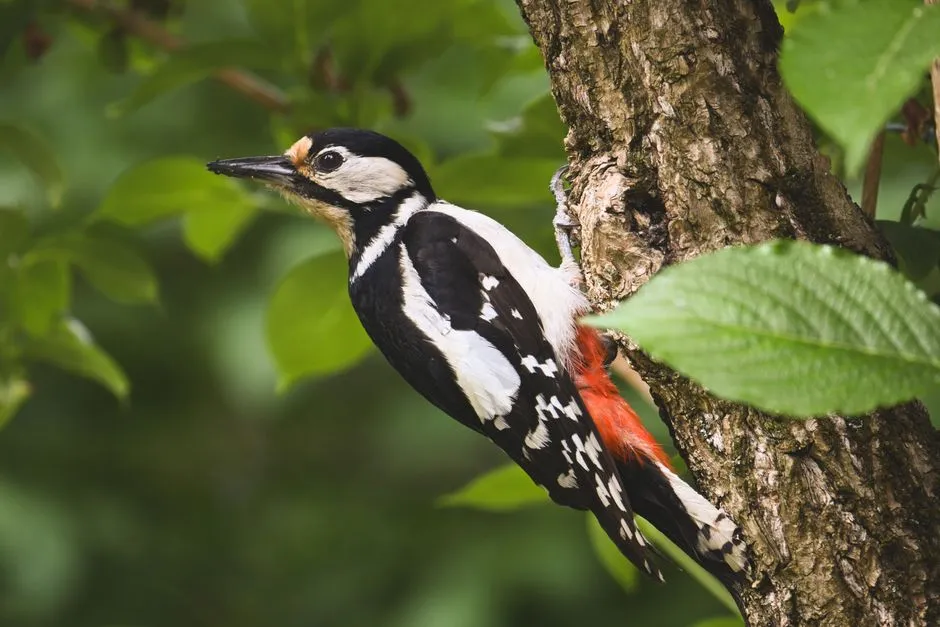
Soft, compromised wood is far easier to penetrate than healthy timber, which makes rot-damaged siding one of the most attractive targets for woodpeckers. A house with deferred exterior maintenance is essentially advertising itself.
Once a woodpecker creates an opening, it uses its long tongue to catch and feed on insects. If birds are pecking on your home, you likely have a dry rot infestation that is a food source for insects. The rot and the insects often go hand in hand, compounding the problem.
In some cases, when woodpeckers cannot find a suitable dead or soft tree, they might choose a house’s siding or trim, especially if it’s made of soft, untreated, or old wood. A well-maintained exterior, sealed and painted, dramatically reduces this risk.
Drumming for Territory and Mates: The Resonance Factor
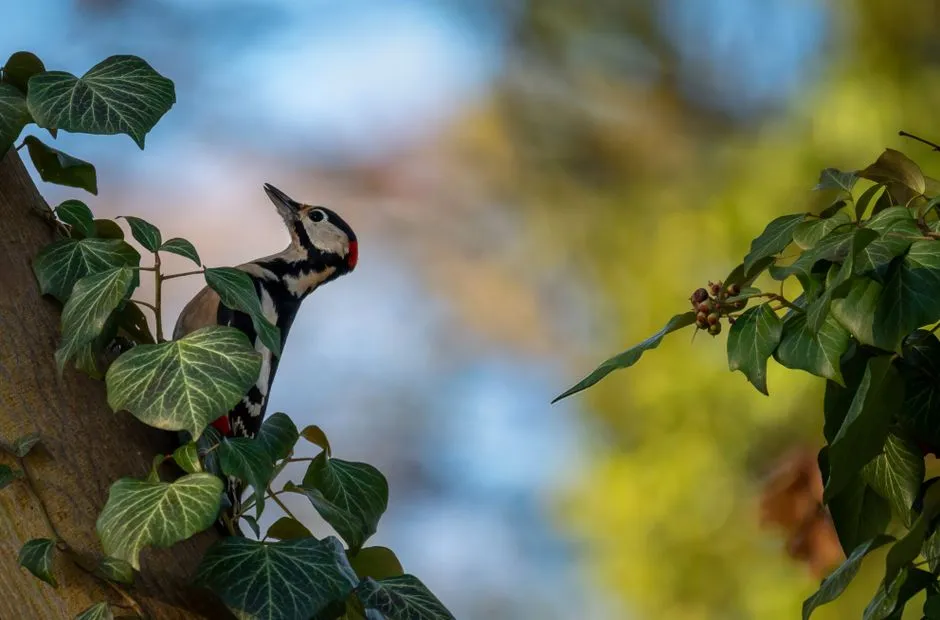
Woodpeckers engage in “drumming,” a communicative behavior used to establish territory and attract a mate, particularly in early spring. Drumming is a rapid, rhythmic, and loud series of taps, unlike the slow pecking for food or nesting. The birds instinctively seek out highly resonant materials, such as metal flashing, aluminum siding, or hollow trim boards, to amplify their message.
Houses often have materials that make louder sounds than tree bark, so the birds may prefer these for their drumming performances. A hollow section of fascia board can carry sound farther than almost any tree trunk, which makes it genuinely valuable to a drumming woodpecker.
Drumming is the woodpecker’s way of marking territory and attracting mates. It does not involve looking for food or making a nest. Spring is the peak time for drumming, as males are looking for a mate and warning other birds to stay away. Once a bird discovers a particularly resonant spot on your house, it will return to it repeatedly.
Location Near Wooded Areas Raises the Risk
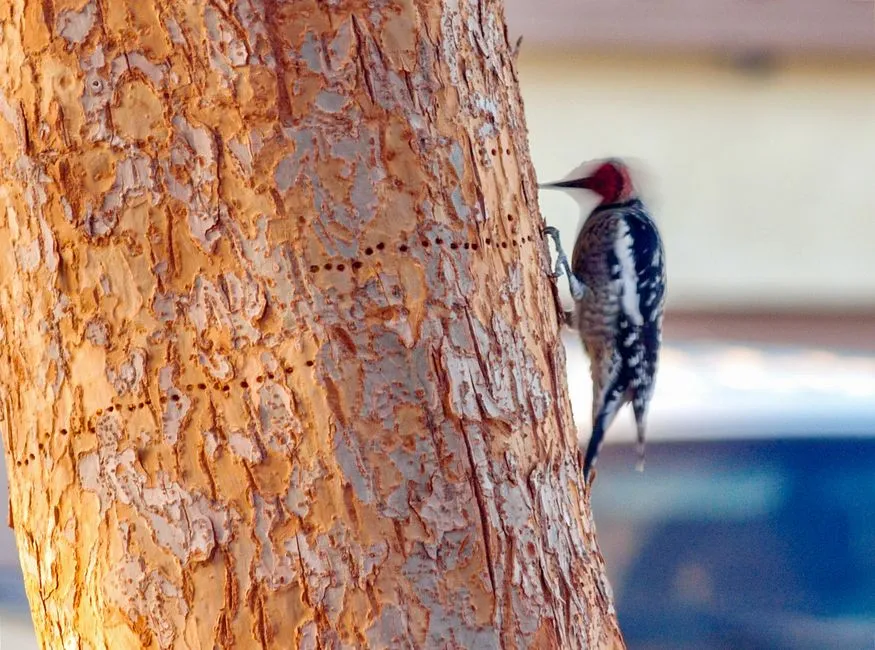
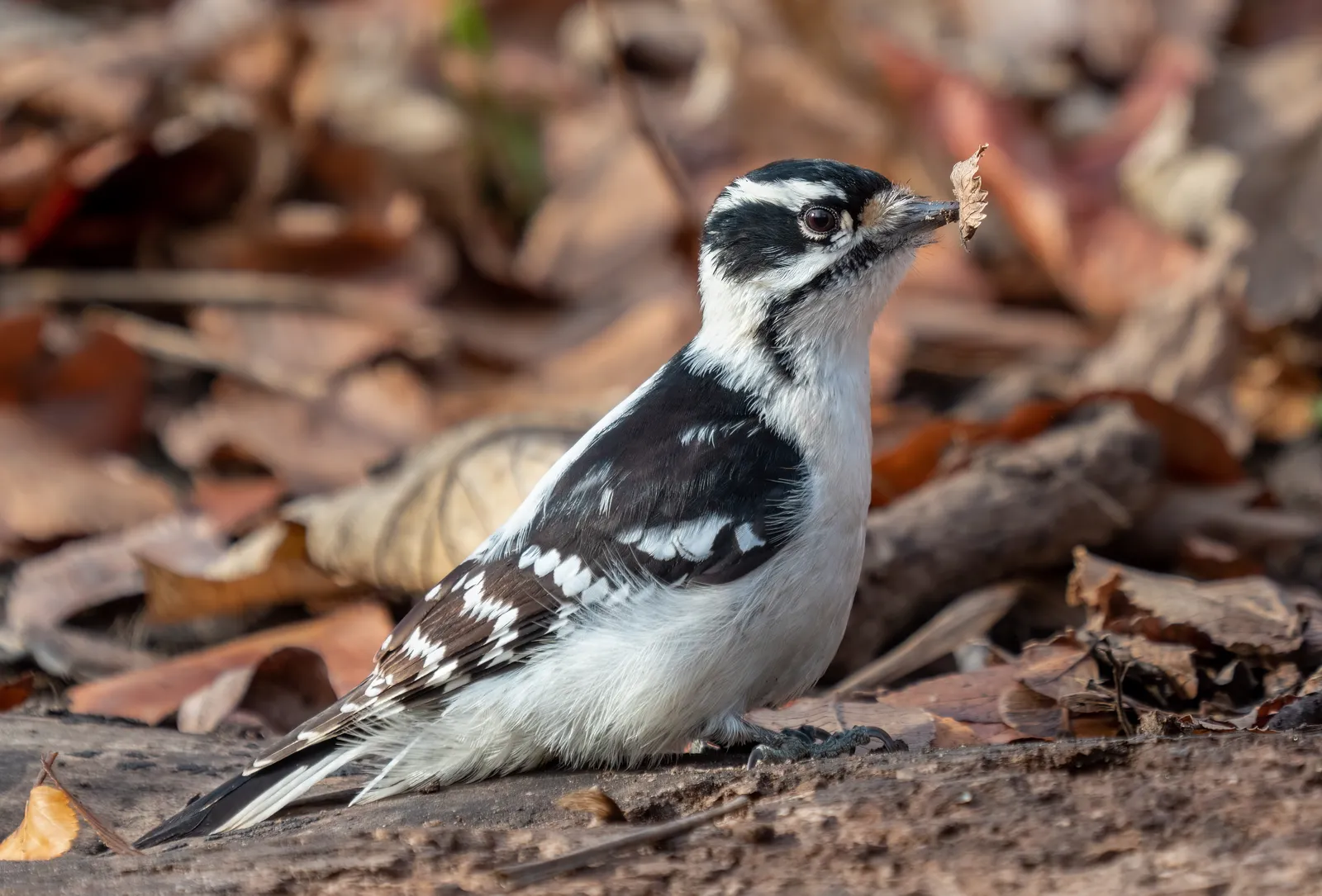
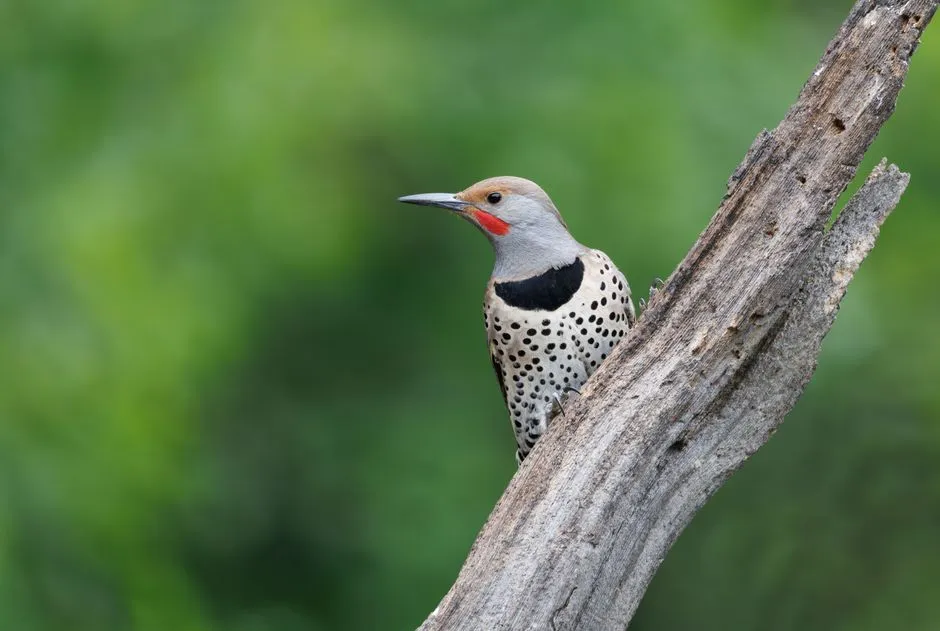
Being territorial and remaining in their home range for most of the year, many common species of woodpeckers, such as downy, hairy, and northern flickers, become habituated to living among homes and are naturally attracted to ones with natural wood exteriors and occasionally stucco.
Damage is rare in urban areas, but it can be extensive in suburban and wooded areas, even where woodpeckers seem to have plenty of natural alternatives. Proximity to forest edges means more birds with established territories that include nearby homes.
If a structure is to be located in a wooded area with evidence of activities of woodpeckers, contractors should use clapboards or synthetic siding. The advice from wildlife damage researchers is consistent: the more forested the setting, the more thoughtful the exterior choices need to be.
New Construction Can Be Surprisingly Attractive
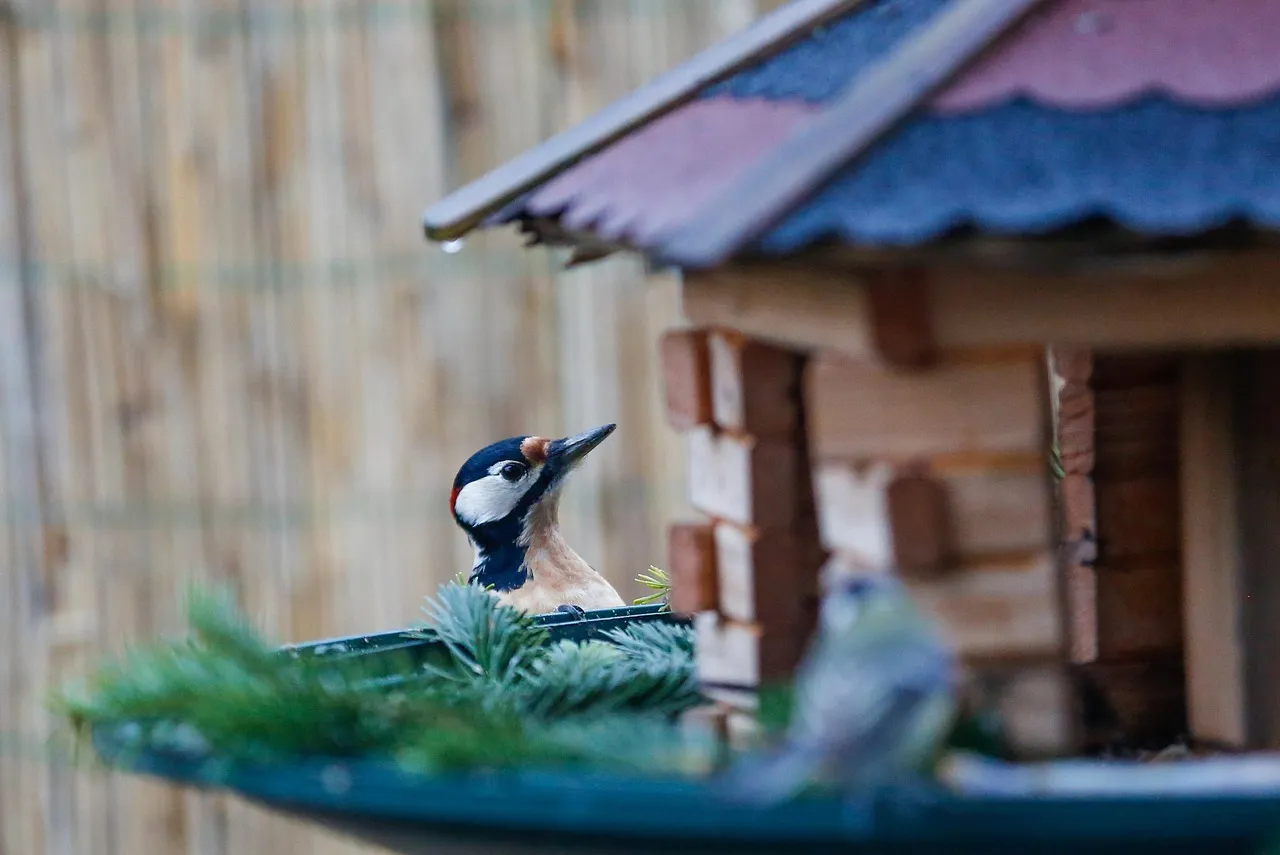
New houses are often primary targets. Particularly vulnerable to damage are rustic-appearing, channeled plywood with cedar or redwood veneers. Fresh wood that hasn’t been fully seasoned or sealed can still carry the scent and texture cues that woodpeckers associate with live or recently dead trees.
Because insects seldom infest well-seasoned wood in Colorado, woodpeckers hammer holes to obtain insects primarily during the first two years after house construction. This pattern has been observed in other regions as well, suggesting that new siding may harbor residual insect activity before it fully cures.
Woodpeckers have been found to damage plastic used for rooftop solar heating and electric panels. Imperfections in the layers of laminated plywood exposed by vertical grooves may harbor insects. Even modern materials are not entirely immune if their structure or cavity design mimics what birds are searching for.
Seasonal Patterns: When Damage Peaks
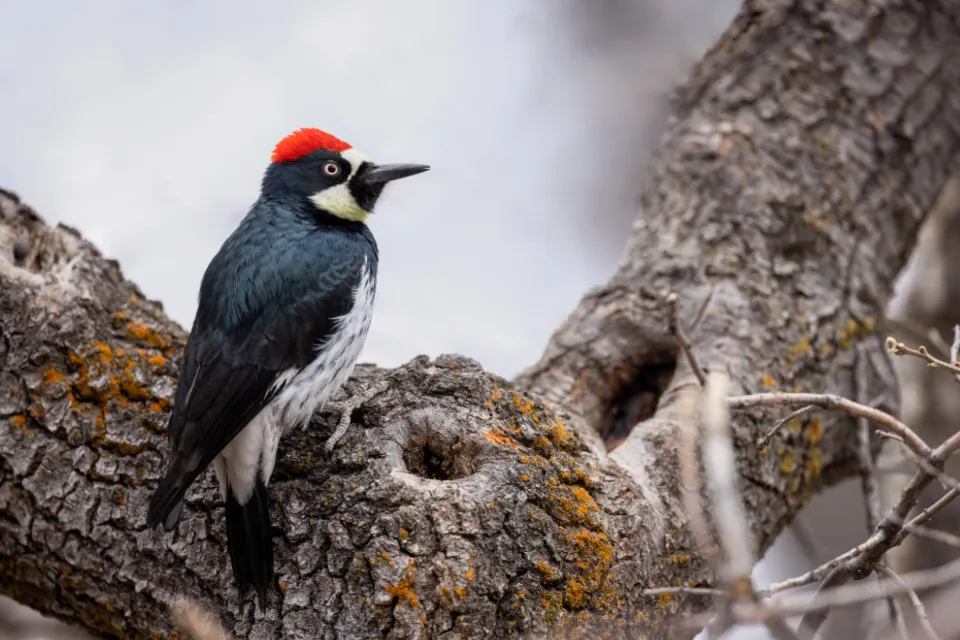
Damage to a building typically involves only one or two birds, but may involve up to six or eight individuals during a season. Most damage occurs from February through June, which corresponds with the breeding season and the period territories are established.
Hole drilling in houses also increases in fall as the holes may serve as winter roost cavities. So there are essentially two peaks in the calendar year when a house faces the most woodpecker pressure: spring breeding season and fall as temperatures drop.
Understanding this seasonal rhythm helps homeowners time their deterrent efforts more effectively. Acting before February, rather than after damage has already begun, gives the best chance of keeping birds from establishing a habit on your property.
Once They Start, They Keep Coming Back
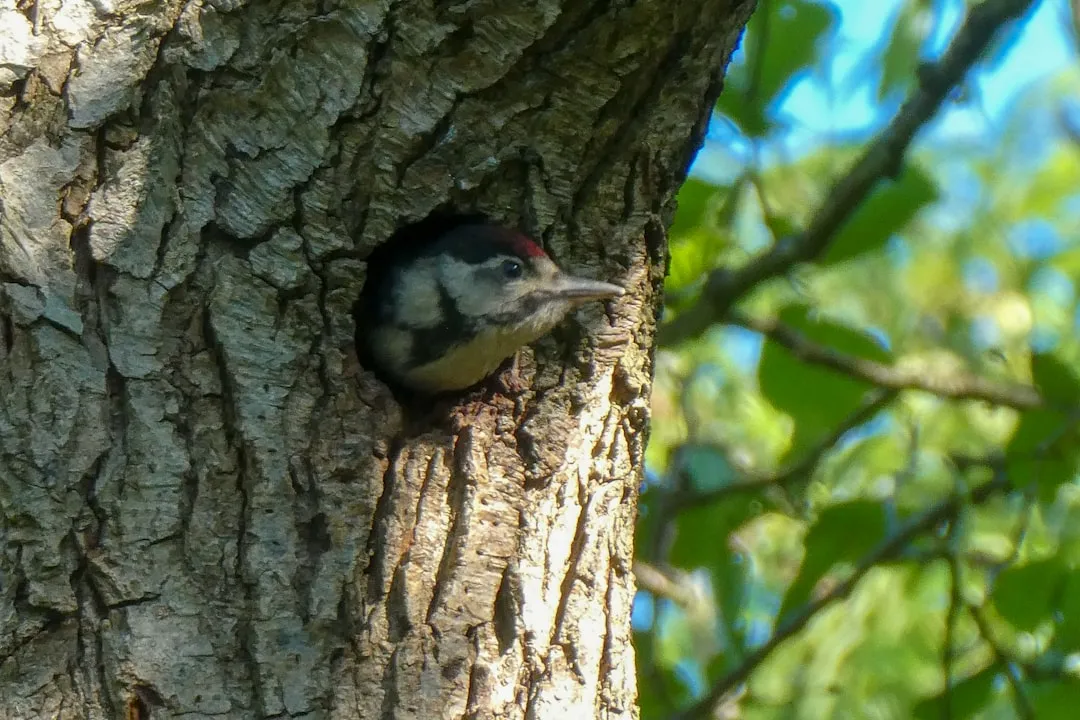
Once a bird starts making a nest hole, it may return to the same spot year after year, or other birds may take over the location. The habit compounds with time. A woodpecker may choose to peck your home over a tree because they prefer softer woods, and they will usually choose a few favorite areas and attack them repeatedly throughout a mating season.
Once a bird starts making a nest hole, it may return to the same spot year after year, or other birds may take over the location. This is partly why early intervention matters so much. A single repaired hole that gets ignored sends the bird back to the same wall with even more motivation.
The damage doesn’t stay contained either. Holes in siding, trim, and eaves can let water inside and cause rot or mold, and can create disturbed insulation and possible entryways for other animals or insects. What begins as a small cluster of holes can quietly become a much larger structural issue.
The Financial and Legal Reality for Homeowners
In a survey of damage by woodpeckers to homes, an average loss of $300 per incident was reported. Damage to homes was estimated at $50,000 to $500,000 annually in Michigan, $50,000 in Louisiana, and over $100,000 in Wisconsin. Those numbers reflect how widespread the problem is across the country.
Woodpeckers are protected under the Migratory Bird Treaty Act in the United States, which makes it illegal to harm or kill them without proper permits. This means that removal is not an option, and homeowners must rely entirely on deterrence and structural changes.
Researchers at the Cornell Lab of Ornithology have studied woodpecker damage to houses to develop recommendations. Their guidance consistently points back to the same core factors: siding material, color, proximity to woods, and underlying insect activity. Address those, and most houses become far less interesting to a bird looking for its next target.
The Takeaway
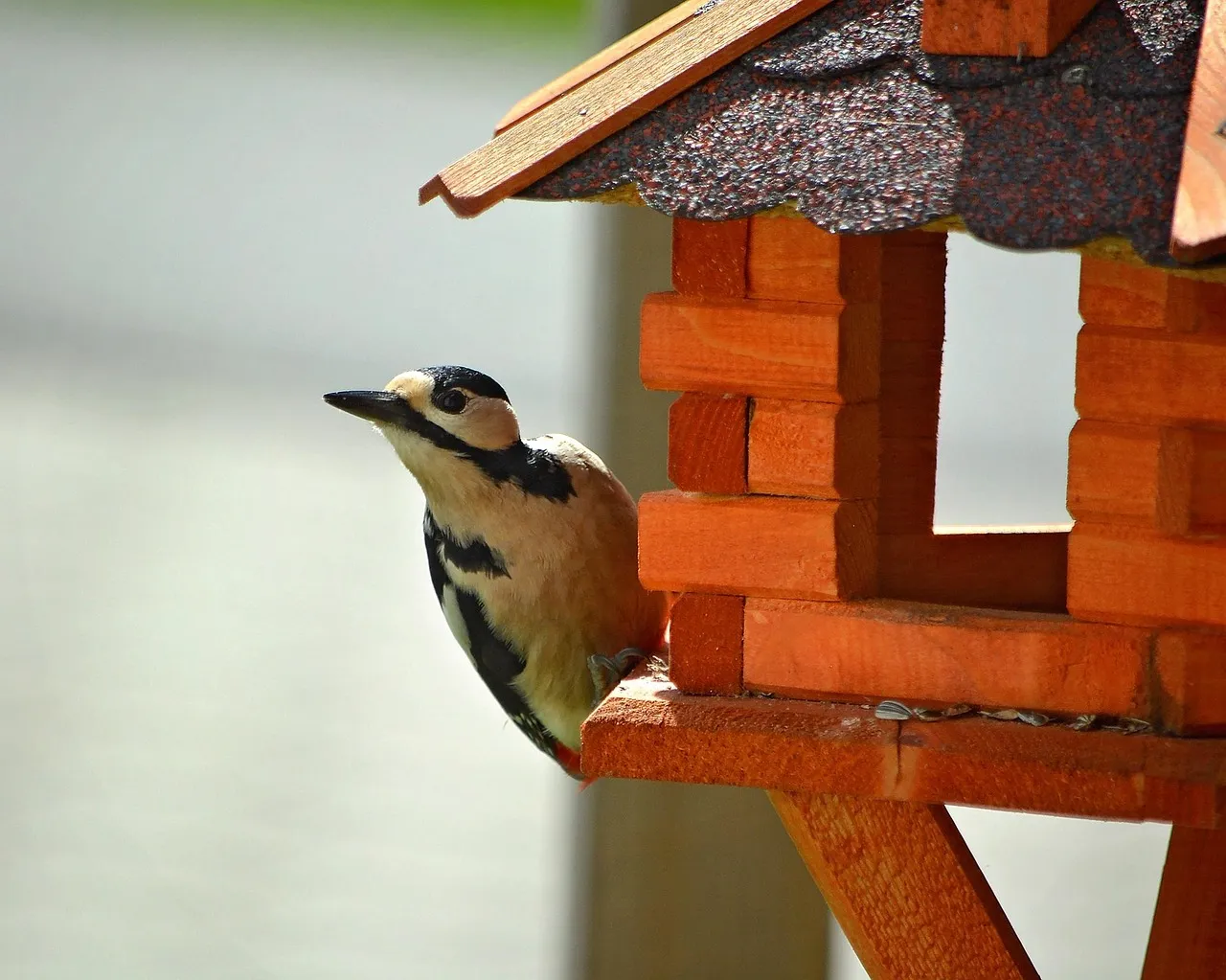
Woodpeckers don’t pick houses randomly. They’re responding to a specific combination of signals, soft wood, earth-tone colors, insect activity, resonant surfaces, and proximity to natural habitat, that make certain houses stand out from all the others on the block.
The good news is that most of those signals are things homeowners can actually change. Sealing and painting natural wood, treating for carpenter bees and other boring insects, and placing deterrents before breeding season begins can collectively make a house far less appealing. The bird will simply move on to somewhere that offers a better return.
In a way, persistent woodpecker attention is the house itself sending a message. Something about its exterior, its insect population, or its structural condition is worth investigating. Listening to that signal, rather than just patching the holes, is usually the more effective long-term response.
AI Disclaimer: This article was created with the assistance of AI tools and reviewed by a human editor.