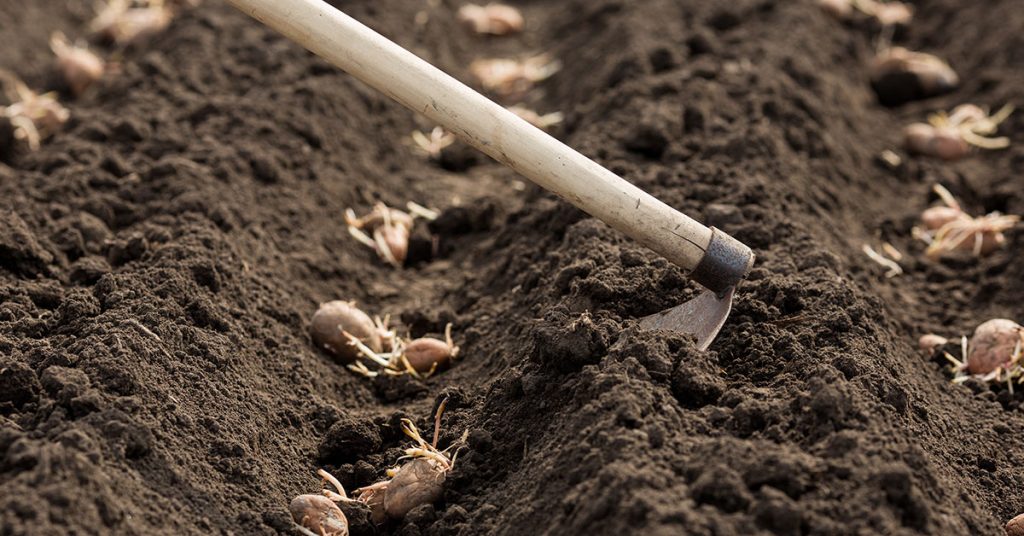
As the sun-drenched landscapes of Southern California beckon green thumbs and aspiring gardeners, the region’s unique climate presents an exciting opportunity to cultivate a wide variety of crops. Among these, potatoes stand tall as a beloved staple, with their versatility and culinary appeal. However, determining the optimal timing for planting potatoes in Southern California can...
Gardening Tips
Having a garden is a key aspect of a sustainable lifestyle. When you go to the grocery store to buy produce like fruits and vegetables, as well as eggs, each of those items comes with a carbon footprint and other environmental complications. Unfortunately, a lot of industrial-level farming practices aren’t good for the environment and they aren’t sustainable either. Growing your own fruits and vegetables reduces the negative impact that industrial farming has.
We are strong proponents of living a sustainable lifestyle, both by having a garden and by making environmentally friendly choices that put you on a more sustainable path. That includes using less single-use plastic, conserving energy and water, gardening using organic methods, avoiding synthetic chemicals inside and outside of the home, driving less, living off the grid, and other sustainable efforts.
Sustainable living isn’t just good for the planet but it’s good for you too. Often times, living sustainably means simplifying your life – you get more out of life with less. Sustainable living helps avoid unnecessary consumerism, save money, save the earth, and save your sanity all along the way.
Our gardening tips will help guide you to a greener lifestyle that benefits the planet, your pocket, your community, and yourself too. If all of us did just a little bit to be more sustainable, we could have a massive positive impact and change our world.
So let’s explore these gardening tips together and work toward a greener future for our kids and grandkids.
August is often viewed as a transitional period in the gardening calendar. While summer’s peak begins to fade, the bountiful harvest period is just on the horizon. Many gardeners might think that this month is simply a time to enjoy the fruits of their spring and early summer labors, but there are a handful of...
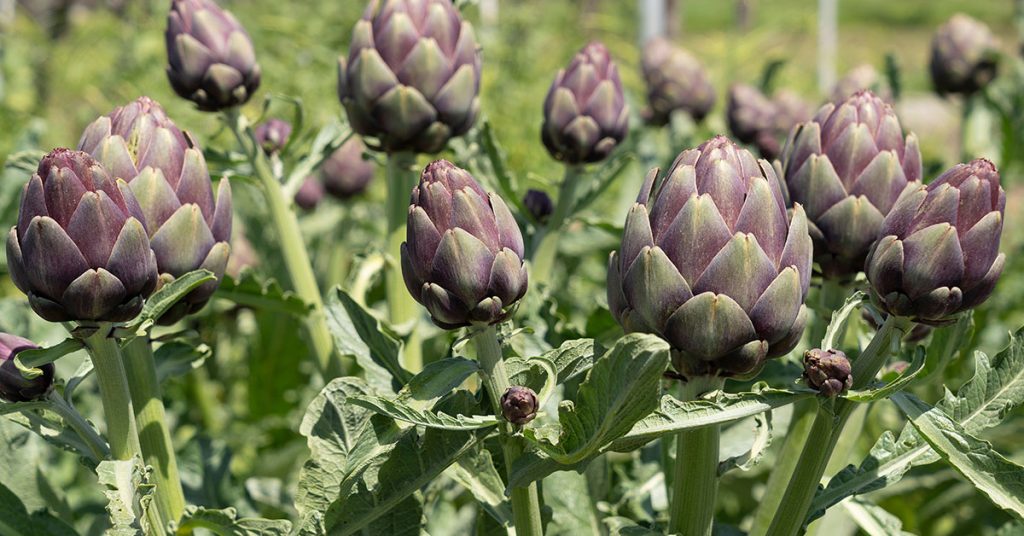
In the world of gardening, the art of companion planting has long been celebrated for its ability to create symbiotic relationships between different plant species. When it comes to artichokes (Cynara cardunculus var. scolymus), incorporating companion plants into your garden can enhance the growth, health, and productivity of these intriguing perennial vegetables. By carefully selecting...
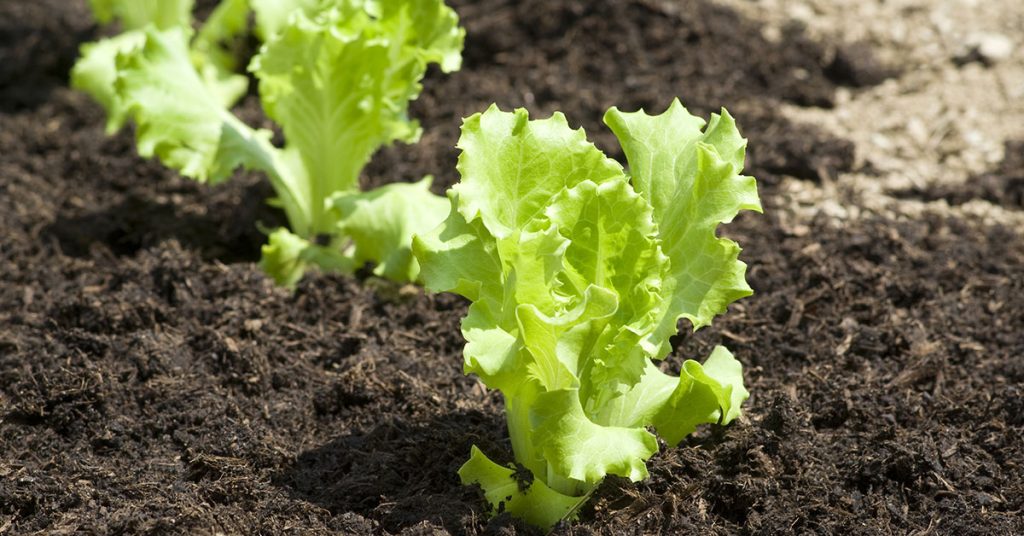
Welcome, Nevada gardeners! Despite our state’s hot summers and cold winters, it is entirely possible to grow fresh, crisp lettuce right in our backyards. In this guide, we’ll go through when to plant your lettuce in Nevada, when to start seeds indoors, and how to successfully succession plant your lettuce for a bountiful harvest in...
The United States Department of Agriculture (USDA) developed the Plant Hardiness Zone Map to help gardeners, farmers, and landscapers determine which plants are most likely to thrive at a location. This classification system plays a crucial role in defining an area’s microclimate related to plant life and agriculture, including in Colorado Springs. Each zone in...
Poinsettias (Euphorbia pulcherrima) have long been cherished as iconic symbols of the holiday season, adorning homes and spreading festive cheer with their vibrant colors. But what happens to these stunning plants once the holiday decorations are packed away? The good news is that with proper care and attention, poinsettias can continue to thrive and bring...
Spider plants, scientifically known as Chlorophytum comosum, are popular houseplants that are well-loved for their resilience, appealing foliage, and unique growth habit. However, even these sturdy specimens aren’t immune to the occasional horticultural hiccup, and one of the most common symptoms of an unhappy spider plant is browning leaf tips. While this isn’t a severe...
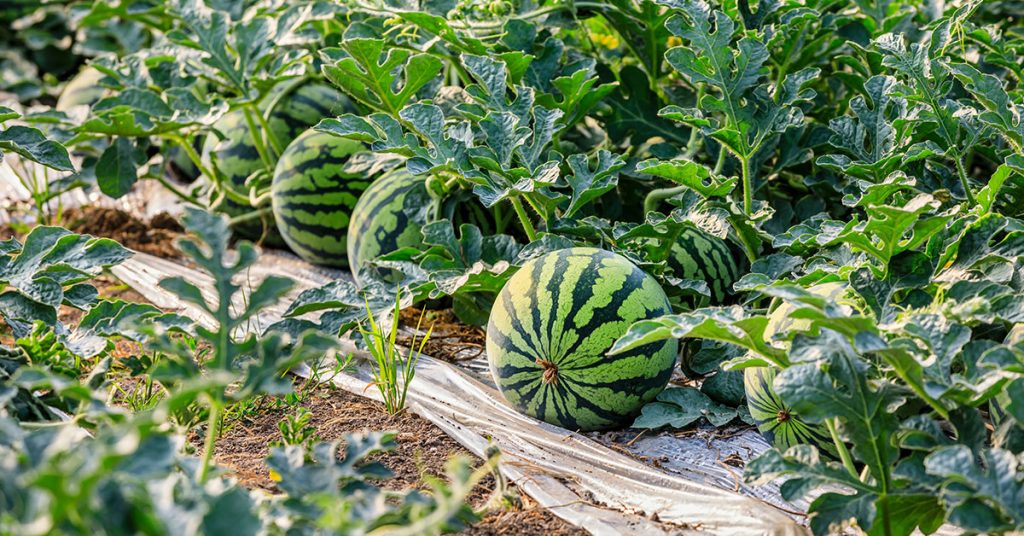
In the world of gardening, harnessing the power of companion planting can transform your watermelon patch into a thriving ecosystem. By strategically selecting compatible companion plants for watermelons, you can create a harmonious garden environment that enhances the growth, health, and productivity of your beloved watermelon plants. In this article, we will delve into the...
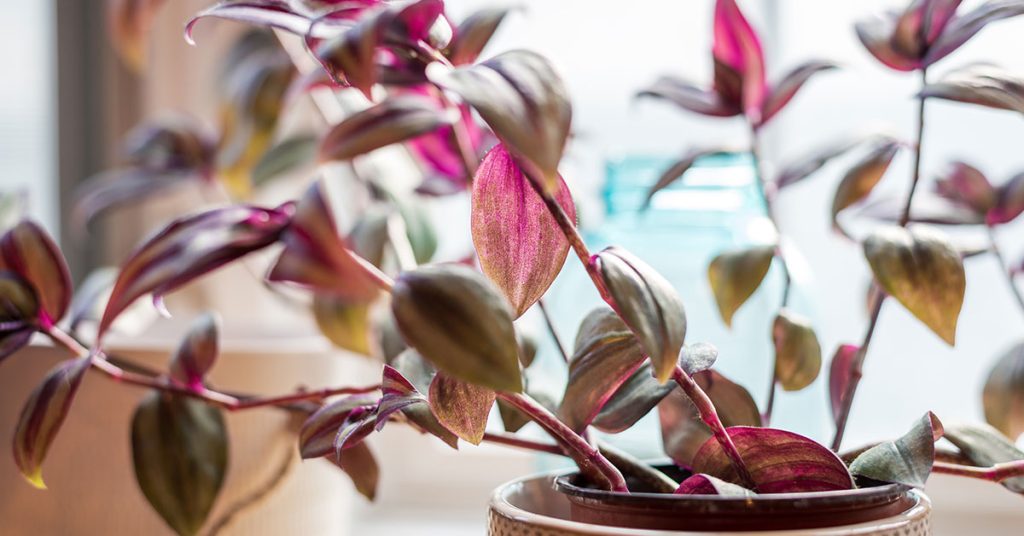
If you’ve noticed your Wandering Jew is dying or showing signs of distress, it’s important to identify the potential causes to effectively address the issue. This article aims to shed light on why your beloved Wandering Jew might be experiencing a decline and provide practical insights to help you revive it. From improper watering practices...
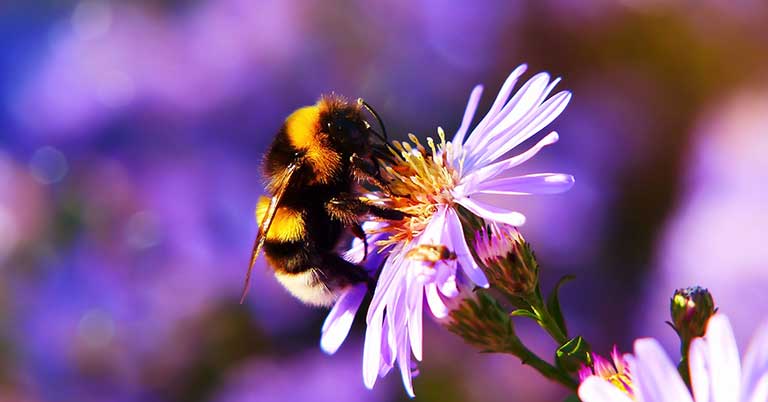
Transforming your yard into a bee sanctuary is a wonderful way to contribute to the well-being of bees and support their essential role as pollinators. By creating a bee-friendly environment, you can provide a safe haven for native bee species and help combat their declining populations. Turning your yard into a bee sanctuary involves incorporating...
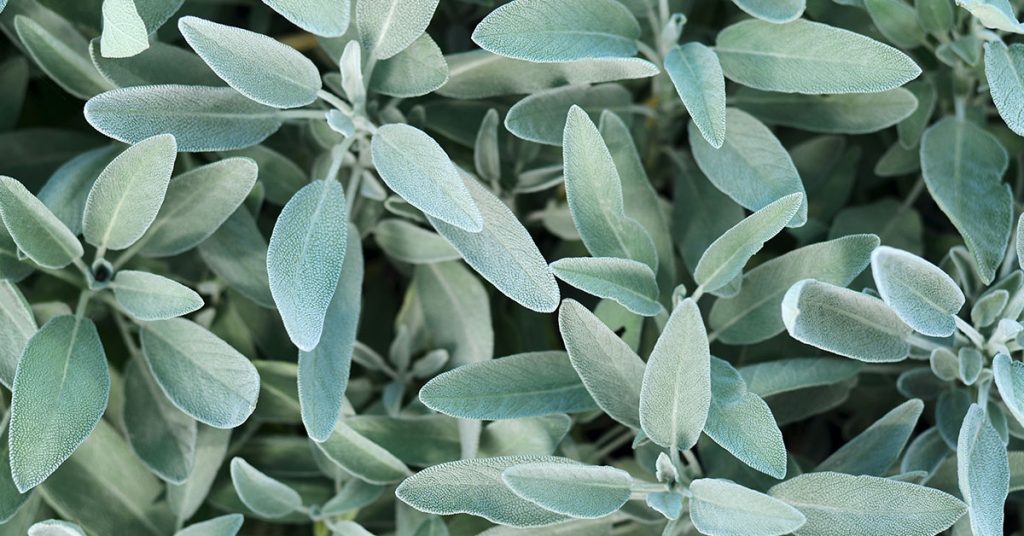
Sage (Salvia officinalis) is a hardy perennial herb that is not only prized for its culinary uses, but also for its medicinal properties and attractive, grey-green leaves. The ability to propagate sage allows gardeners to maintain an ongoing supply of this flavorful herb, while also having the option to share with friends and family. This...
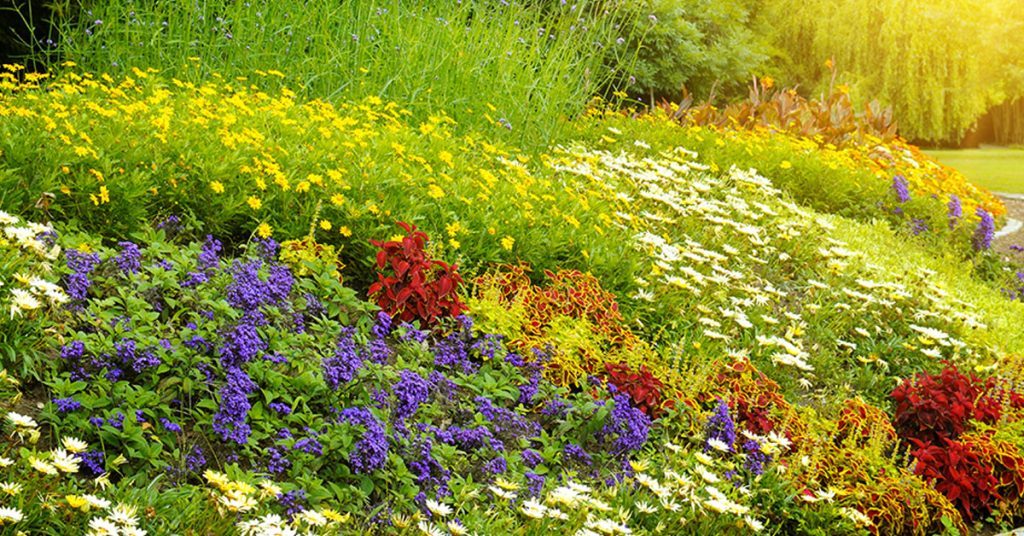
Watering is a fundamental aspect of caring for flowers, playing a vital role in their growth, health, and overall beauty. Understanding how to properly water your flowers is crucial to ensure they thrive and flourish. However, finding the right balance can be a challenge, as different flower types and environmental conditions have varying water requirements....