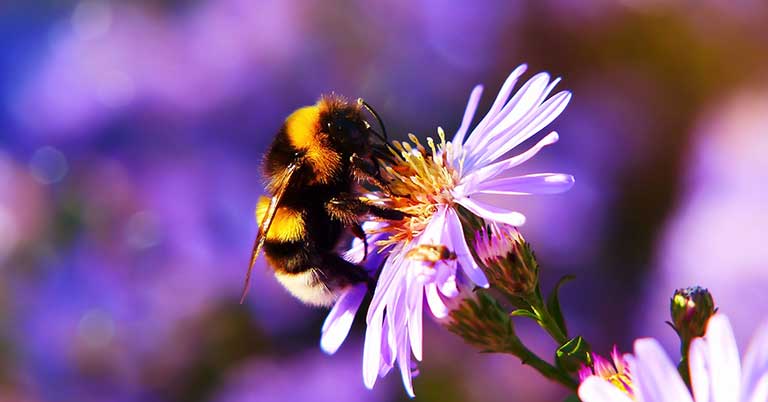

Transforming your yard into a bee sanctuary is a wonderful way to contribute to the well-being of bees and support their essential role as pollinators. By creating a bee-friendly environment, you can provide a safe haven for native bee species and help combat their declining populations.
Turning your yard into a bee sanctuary involves incorporating native plants that provide abundant nectar and pollen, eliminating pesticide use, providing nesting sites, and ensuring a water source.
This simple yet impactful act allows you to make a positive difference in conserving bees and promoting a thriving ecosystem right in your own backyard.
Why create a bee sanctuary in your yard?
Creating a bee sanctuary in your yard is not only beneficial for bees but also for the overall health of the ecosystem. Bees play a crucial role in pollination, which is essential for the reproduction of many plants, including those that produce fruits, vegetables, nuts, and seeds. Here are a few reasons why creating a bee sanctuary in your yard is a worthwhile endeavor:
Pollination: Bees are among the most effective pollinators in nature. By attracting bees to your yard, you can help ensure that nearby plants receive adequate pollination, leading to increased yields and better quality fruits and vegetables in your garden. This benefits both your own food production and the local ecosystem.
Biodiversity: Supporting bees in your yard helps promote biodiversity. Bees are part of a diverse web of life, and by creating a habitat that attracts bees, you are likely to attract other pollinators, beneficial insects, and birds. This enhances the overall biodiversity and ecological balance in your surroundings.
Conservation: Many bee species are facing population declines due to habitat loss, pesticide use, climate change, and other factors. By providing a bee-friendly habitat in your yard, you contribute to their conservation and help safeguard these essential pollinators for future generations.
Educational Opportunity: Creating a bee sanctuary in your yard provides an excellent opportunity for education and awareness. It allows you to learn more about the fascinating world of bees and share that knowledge with others, including children, neighbors, and friends. By raising awareness about the importance of bees, you can inspire others to take action in their own yards or communities.
Beauty and Enjoyment: Bee-friendly gardens are not only functional but also visually appealing. A well-designed bee sanctuary can be a haven of beauty and tranquility, filled with vibrant flowers, buzzing bees, and the sounds of nature. It provides a peaceful retreat for relaxation and enjoyment.
When creating a bee sanctuary, focus on incorporating a variety of native plants that provide nectar and pollen throughout the growing season. Avoid using pesticides and herbicides that can harm bees and other beneficial insects. Provide nesting sites, such as bee houses or bare patches of soil, and ensure there is a water source available. By doing so, you can create a thriving habitat that supports bees and contributes to a healthier environment.
Plant these native flowers in your bee sanctuary
When creating a bee sanctuary, planting native flowers is an excellent way to provide a reliable source of nectar and pollen for bees. Native plants have evolved alongside local bee populations and are well-suited to their needs. Here are some native flowers you can consider planting in your bee sanctuary:
- Coneflowers (Echinacea species): Coneflowers are not only beautiful but also highly attractive to bees and butterflies. They offer abundant nectar and pollen, and their vibrant colors add visual appeal to the garden.
- Sunflowers (Helianthus species): Sunflowers are not only beloved by humans but also a favorite of bees. Their large, sunny blooms provide ample nectar, and the abundant pollen is a valuable food source.
- Bee balm (Monarda species): As the name suggests, bee balm is a magnet for bees. It produces showy flowers in shades of pink, purple, and red, and its delightful fragrance is irresistible to pollinators.
- Goldenrod (Solidago species): Goldenrod is a late-season bloomer that attracts bees and other pollinators when many other flowers have finished blooming. Its bright yellow flowers provide a rich source of nectar.
- Wild Bergamot (Monarda fistulosa): Also known as bee balm, wild bergamot is a native perennial with lavender-colored flowers that bees find irresistible. It has a pleasant fragrance and is a reliable source of nectar.
- Lupines (Lupinus species): Lupines are known for their tall spikes of colorful flowers that attract bees and butterflies. They provide ample nectar and can add a striking vertical element to your bee sanctuary.d
- Wild Indigo (Baptisia species): Wild indigo produces stunning blue, purple, or yellow flowers that are a favorite of bumblebees. Its deep blossoms are excellent for long-tongued bees seeking nectar.
- Black-eyed Susans (Rudbeckia species): Black-eyed Susans are cheerful, daisy-like flowers that attract bees and butterflies. They provide a good source of nectar and add a splash of yellow to your garden.
- Asters (Symphyotrichum species): Asters are fall-blooming perennials that provide a late-season food source for bees. They come in various colors and sizes and are highly attractive to pollinators.
- Penstemon (Penstemon species): Penstemon, also known as beardtongue, is a native wildflower with tubular-shaped flowers that are a favorite of bees. They come in a range of colors and bloom throughout the summer.
Remember to choose native species that are suitable for your specific region and growing conditions. By incorporating a variety of these native flowers in your bee sanctuary, you’ll provide a diverse and abundant food source for bees, ensuring a thriving and buzzing garden.
Other ways to help native bees
There are several ways you can help native bees thrive and contribute to their conservation efforts. Here are some practical steps you can take:
- Provide Nesting Sites: Native bees require nesting sites to lay their eggs and raise their young. You can create nesting sites by drilling small holes in wooden blocks or logs or by installing bee houses specifically designed for native bees. Place these nesting sites in a sunny, sheltered area of your garden.
- Avoid Pesticides: Pesticides, including insecticides and herbicides, can be harmful to bees and other beneficial insects. Minimize or eliminate the use of these chemicals in your garden to create a safe environment for native bees.
- Provide Water Sources: Like all creatures, bees need water to survive. Create shallow water sources, such as a birdbath or a shallow dish with pebbles for landing spots, to provide a water supply for bees.
- Create Habitat Diversity: Native bees require diverse habitats to thrive. Incorporate a variety of plants, including trees, shrubs, and groundcover, to create a diverse landscape that provides nesting, foraging, and shelter opportunities.
- Leave Bare Ground: Some native bee species nest in the ground, so leaving patches of bare ground or undisturbed soil can provide nesting sites for these bees. Avoid excessive mulching or tilling in these areas.
- Be Mindful of Nesting Periods: Different species of native bees have specific nesting periods. Avoid disturbing or removing nesting sites during these periods to allow bees to complete their life cycles undisturbed.
- Support Conservation Organizations: Get involved with local conservation organizations or beekeeping associations that focus on native bee conservation. They can provide valuable information, resources, and opportunities to contribute to bee conservation efforts.
Remember that supporting native bees not only benefits these important pollinators but also contributes to the overall health and biodiversity of ecosystems.