Many gardeners buy strawberry plants or seedlings from a nursery when they want to start growing these delicious berries. However, with a bit of patience and the right techniques, you can collect, store, and save your own strawberry seeds. Not only is this a cost-effective method, but it also allows you to continue growing the...
Gardening Tips
Having a garden is a key aspect of a sustainable lifestyle. When you go to the grocery store to buy produce like fruits and vegetables, as well as eggs, each of those items comes with a carbon footprint and other environmental complications. Unfortunately, a lot of industrial-level farming practices aren’t good for the environment and they aren’t sustainable either. Growing your own fruits and vegetables reduces the negative impact that industrial farming has.
We are strong proponents of living a sustainable lifestyle, both by having a garden and by making environmentally friendly choices that put you on a more sustainable path. That includes using less single-use plastic, conserving energy and water, gardening using organic methods, avoiding synthetic chemicals inside and outside of the home, driving less, living off the grid, and other sustainable efforts.
Sustainable living isn’t just good for the planet but it’s good for you too. Often times, living sustainably means simplifying your life – you get more out of life with less. Sustainable living helps avoid unnecessary consumerism, save money, save the earth, and save your sanity all along the way.
Our gardening tips will help guide you to a greener lifestyle that benefits the planet, your pocket, your community, and yourself too. If all of us did just a little bit to be more sustainable, we could have a massive positive impact and change our world.
So let’s explore these gardening tips together and work toward a greener future for our kids and grandkids.
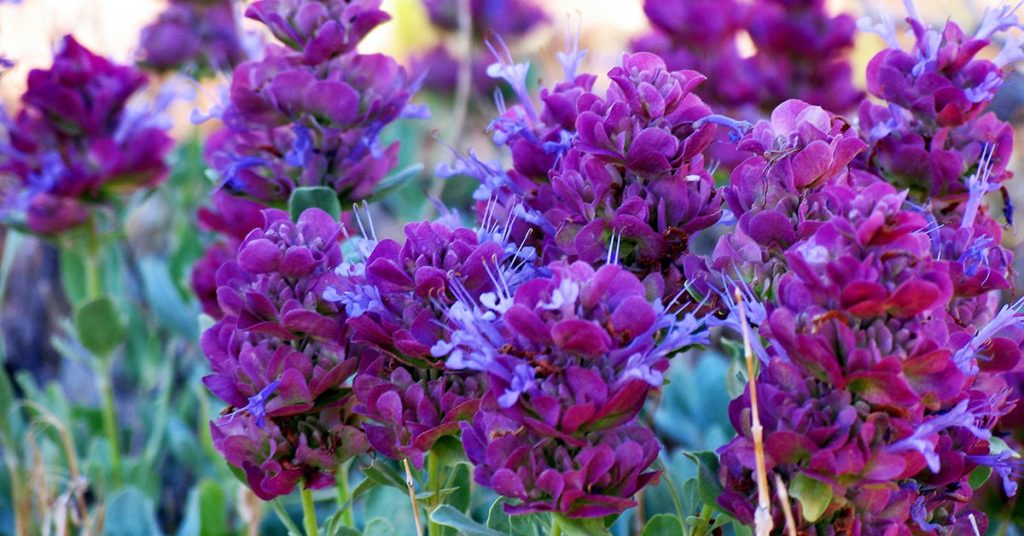
Mojave sage (Salvia pachyphylla), a resilient and enchanting perennial herb, is a treasure of the arid southwestern United States. Native to the rugged landscapes of the Mojave Desert, this remarkable plant has evolved to withstand the harsh conditions of extreme heat, aridity, and poor soil. Mojave sage captures the essence of desert beauty with its...
Japanese Barberry (Berberis thunbergii) is an ornamental shrub renowned for its vibrant foliage and striking presence. However, in certain regions, this exotic beauty has turned into an ecological threat, earning its classification as an invasive species. The rapid spread of Japanese Barberry can disrupt native ecosystems, outcompeting native plants and altering biodiversity. Effective control and...
Whether you love them for their delicious fruit or their pretty white flowers, blackberries are an excellent choice for any garden. Though they’re known to grow wild, you can also propagate blackberries at home with relative ease. This article will guide you through different propagation methods, helping you to grow your own plentiful blackberry patch....
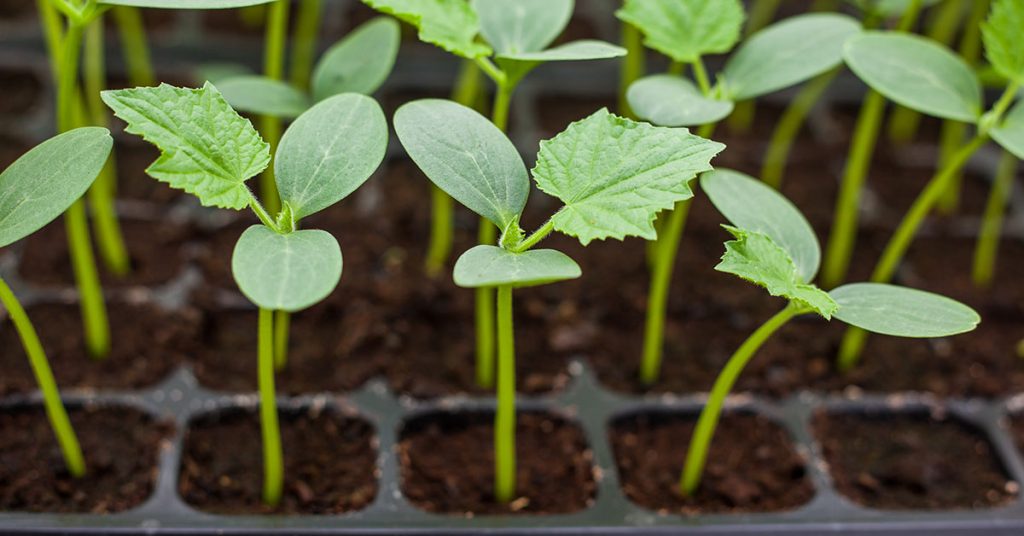
For gardening enthusiasts residing in Zone 2, where cooler temperatures and relatively short growing seasons prevail, cultivating cucumbers can be a rewarding challenge. The key to growing cucumbers in Zone 2 lies in knowing precisely when to plant these delightful vegetables. By mastering the optimal planting times and employing proven strategies, gardeners in this region...
For green-thumb enthusiasts residing in Zone 1, where harsh winters and short growing seasons often pose gardening challenges, successfully cultivating cucumbers may seem like a daunting task. However, with the right knowledge and careful planning, it is possible to grow cucumbers in Zone 1. Understanding the unique characteristics of Zone 1 and knowing when to...
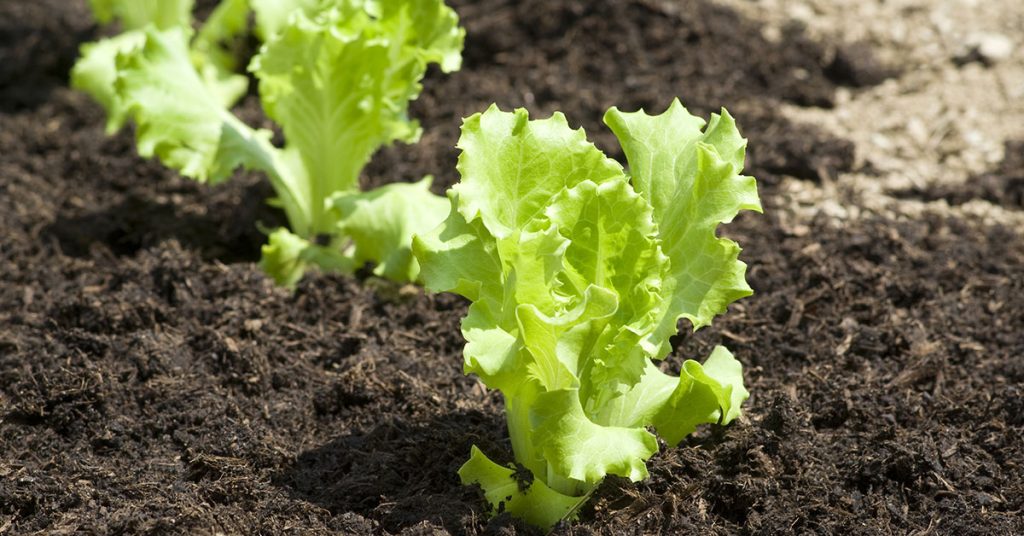
Hello, Arizona gardeners! While Arizona is known for its scorching summers, we can actually grow a range of cool-weather crops like lettuce during the cooler months. This article will take you through the key steps of planting lettuce in Arizona, including when to start your seeds, when to plant outdoors, and when to harvest your...
Welcome, Alaskan gardeners! Growing lettuce in your great state comes with unique challenges, but the rewards are substantial. This guide will walk you through the process of planting lettuce in Alaska, from starting seeds to harvesting your crisp, homegrown greens. Alaska’s Hardiness Zones Understanding Alaska’s hardiness zones is crucial for successful gardening. Alaska’s hardiness zones...
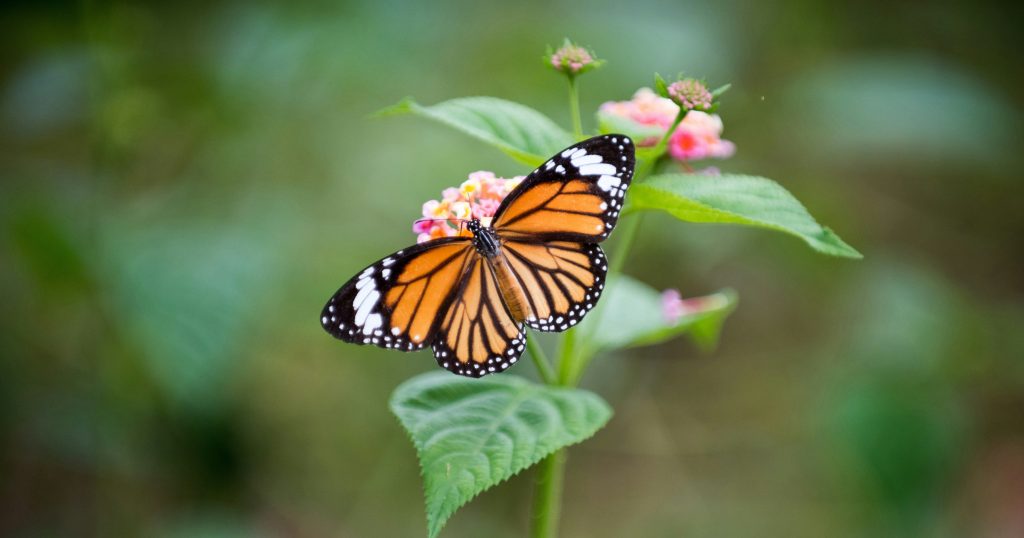
As a devoted gardener, I have long been fascinated by the delicate yet resilient nature of the Monarch butterfly. Their annual migration and intricate life cycle inspire awe and admiration. By planting a garden filled with nectar-rich flowers, we can play an active role in preserving and nurturing these incredible creatures. Monarch butterflies are particularly...
Aloha, fellow gardeners! If you’re yearning for a fresh, homegrown salad in the land of beautiful beaches and tropical sunsets, you’ve come to the right place. Growing lettuce in Hawaii, with its unique climate, requires a bit of finesse, but the results are absolutely worth it. So, let’s roll up our sleeves and dig into...
Kick back, relax, and let’s chat about growing some gorgeous greens right here in Washington State. If you love a good salad—and who doesn’t?—then you’ll enjoy the satisfaction of harvesting your own fresh lettuce. With the state’s diverse climate, we’ve got plenty of opportunities for a bountiful yield. Here’s your simple guide to planting lettuce...
So, you’re ready to grow some crisp and crunchy lettuce in Oregon, huh? Perfect. Nothing beats a home-grown salad, and with Oregon’s cool, coastal climate, lettuce feels right at home. Let’s take it step by step—no stress, no hurry—just you, the soil, and your future salads. Getting to Know Oregon’s Hardiness Zones First things first:...