
August is often viewed as a transitional period in the gardening calendar. While summer’s peak begins to fade, the bountiful harvest period is just on the horizon. Many gardeners might think that this month is simply a time to enjoy the fruits of their spring and early summer labors, but there are a handful of vegetables to plant in August that will allow you to squeeze in an extra harvest late in the season.
In this article, we’ll delve into the world of August vegetable planting, exploring the best varieties to sow at this time of year and sharing tips to maximize your yield. Whether you’re a seasoned green thumb or a gardening novice, our guide will help extend your growing season and keep your vegetable patch vibrant and productive for months to come. So let’s turn over a new leaf and discover the fascinating possibilities that August planting can bring to your garden.
Vegetables to plant in August
Planting vegetables in August can vary depending on your specific climate and growing zone. In general, August is a good time to focus on planting vegetables that thrive in the warm weather and have relatively short growing seasons. Here are some vegetables that you can consider planting in August:
- Leafy Greens: One of my favorite vegetables to plant in August: vegetables like lettuce, spinach, kale, and Swiss chard can be planted in August. Look for heat-tolerant varieties that are more suitable for summer cultivation.
- Radishes: Radishes are quick-growing root vegetables that can be planted in August for a fast harvest. Choose varieties with shorter maturity dates to ensure they have enough time to develop before the colder months arrive.
- Beans: Bush beans, such as green beans or snap beans, can be planted in August for a late summer harvest. They prefer warm soil and will continue to produce well into early fall.
- Cucumbers: Cucumbers are warm-weather vegetables that can still be planted in August. Opt for compact or bush varieties that mature quickly and have good disease resistance.
- Summer Squash: Varieties of summer squash, including zucchini and yellow squash, can be planted in August for a late-season harvest. These fast-growing vegetables tend to be prolific producers.
- Herbs: Many herbs, such as basil, cilantro, dill, and parsley, can be started from seeds or transplants in August. They can thrive in warm weather and provide fresh flavors for your culinary endeavors.
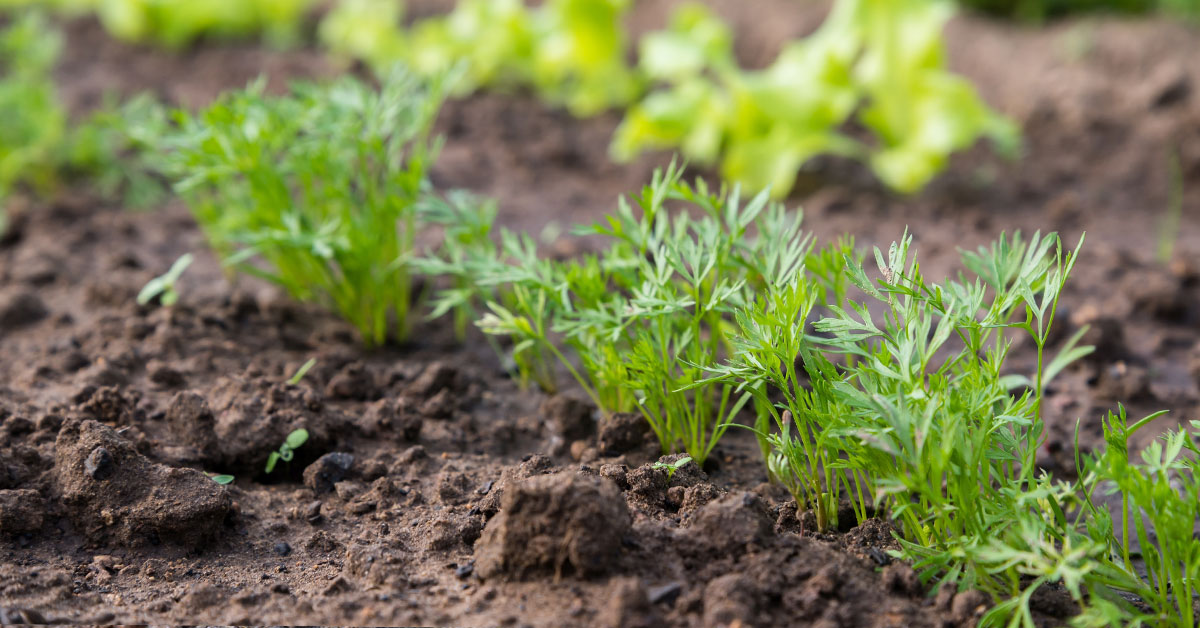
- Carrots: Another good one on the list of vegetables to plant in August: if you have a longer growing season or live in a mild climate, you can try planting carrots in August. Choose varieties with shorter maturity dates, and ensure the soil is loose and well-drained.
- Brassicas: Vegetables from the brassica family, such as broccoli, cabbage, cauliflower, and Brussels sprouts, can be planted in August for a late fall or early winter harvest. Look for varieties with shorter maturity dates or those specifically bred for cooler weather.
- Peas: Certain varieties of peas, such as snow peas or sugar snap peas, can be planted in August. They prefer cooler weather and can tolerate light frosts, making them suitable for late-season planting.
- Garlic: While not planted from seeds, garlic cloves can be planted in August for a harvest the following year. The cloves need a period of cold dormancy, so fall planting is essential for successful garlic cultivation.
Remember to consider your local climate, expected first frost date, and specific planting guidelines for your region. If you live in a region with cooler temperatures or an early onset of frost, you may need to adjust your planting schedule or focus on crops that can be grown in protected environments, such as greenhouses or cold frames.
Additionally, providing appropriate watering, mulching, and shading for newly planted vegetables during the hot summer months can help promote their growth and establishment.
Consulting regional planting calendars or reaching out to local agricultural extension services can provide you with more specific information and recommendations tailored to your area’s climate and growing conditions.
Tips for August planting
Planting vegetables in August can be rewarding and bountiful, but it does require some careful planning and preparation. Here are some essential tips to help ensure your success:
Understand Your Hardiness Zone: The first step is to know your USDA hardiness zone. This will give you a clear idea of what crops will thrive in your local climate and when to plant them.
Choose the Right Vegetables: Not all vegetables are suitable for late summer planting. Opt for fast-maturing varieties or crops that thrive in cooler temperatures. Beets, radishes, spinach, lettuce, and kale are all excellent choices.
Consider Daylight and Temperature: As summer transitions into fall, daylight hours decrease and temperatures start to cool. Some plants need less intense light and cooler temperatures to grow, making them perfect for an August sowing.
Prepare Your Soil: After a full summer season, your soil might be depleted of nutrients. Before planting, add compost or a slow-release organic fertilizer to replenish nutrients and ensure your new crops have what they need to thrive.
Keep Watering Consistently: August can still be quite hot in many regions, and young plants require consistent moisture to establish their root systems. Check your soil regularly, and water as needed to keep it consistently moist but not waterlogged.
Practice Succession Planting: This is a method where you stagger the planting of certain crops over several weeks. It not only extends your harvest but also ensures that not all your plants mature at the same time.
Protect from Heat: If there’s a late summer heatwave, your newly planted seedlings might need some protection. Shade cloth can help protect plants from intense sun and prevent the soil from drying out too quickly.
Plan for Pests and Diseases: Late summer and early fall can bring different pests and diseases to your garden. Monitor your plants regularly, and be ready with organic pest and disease control methods.
Don’t Forget to Mulch: Mulching helps retain soil moisture, regulate soil temperature, and deter weeds. It’s an essential step for successful August planting.
Remember, while these tips provide a general guide, the specific needs of your plants can vary. Always research the specific needs of the plants you’re growing, and adjust your care routine as necessary. With a little planning and attention, you’ll be able to enjoy a fruitful harvest this fall.