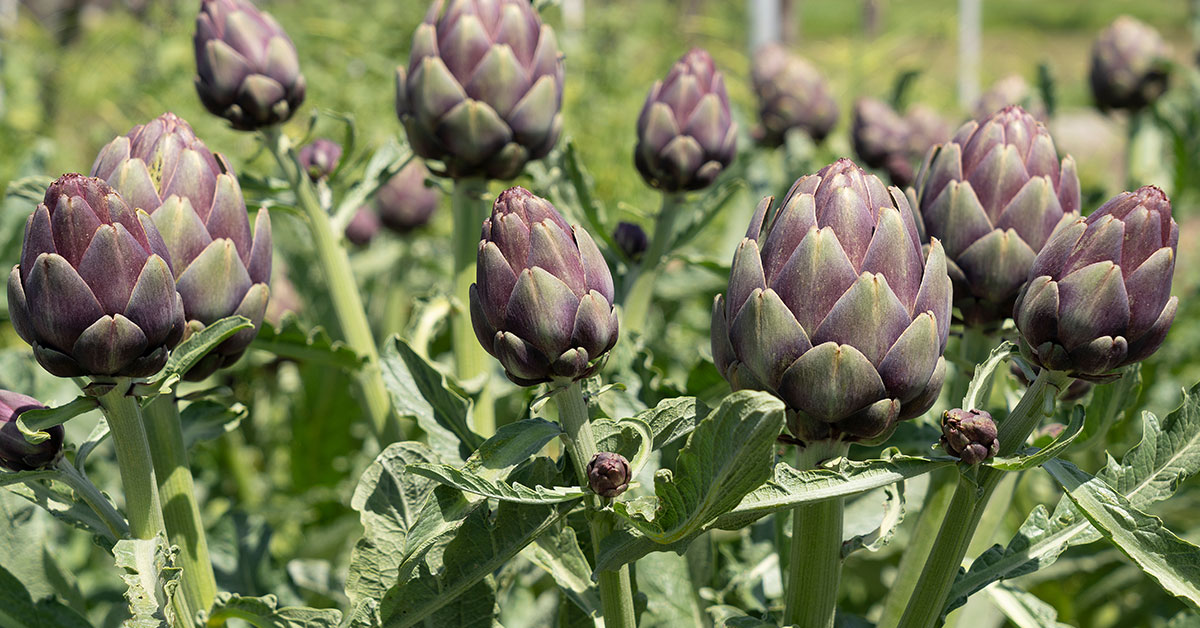

In the world of gardening, the art of companion planting has long been celebrated for its ability to create symbiotic relationships between different plant species. When it comes to artichokes (Cynara cardunculus var. scolymus), incorporating companion plants into your garden can enhance the growth, health, and productivity of these intriguing perennial vegetables.
By carefully selecting the right companions, you can unlock a wealth of benefits ranging from pest control and improved pollination to soil enrichment and visual appeal. In this article, we delve into the fascinating realm of companion plants with artichokes, exploring the art of strategic plant pairing, their mutual benefits, and how to create a harmonious garden ecosystem that nurtures your artichoke plants.
Join us as we unlock the secrets of companion planting and discover how to cultivate harmony and reap the rewards in your own artichoke garden.
Best companion plants for artichokes
When selecting companion plants for artichokes (Cynara cardunculus var. scolymus), it’s essential to consider their specific needs, growth habits, and potential benefits to the overall garden ecosystem. Here are a few companion plants that can thrive alongside artichokes:
- Alliums: Plants from the allium family, such as onions, garlic, or chives, are often recommended as companion plants for artichokes. Alliums can help deter pests, including aphids and caterpillars, which can be common issues for artichoke plants.
- Culinary Herbs: Planting herbs like thyme, rosemary, and oregano near artichokes can serve multiple purposes. These aromatic herbs can help repel pests, provide a visually appealing contrast in texture and color, and be harvested for culinary use.
- Yarrow (Achillea): Yarrow is a beneficial flowering perennial that attracts beneficial insects like ladybugs, lacewings, and parasitic wasps, which help control pests in the garden. Its airy foliage and delicate flowers create an attractive backdrop for artichokes.
- Sunflowers (Helianthus): Tall sunflowers can serve as excellent companion plants for artichokes. Their height provides shade for artichoke plants during hot summer months, and their large flowers attract pollinators that can benefit the overall garden ecosystem.
- Nasturtiums (Tropaeolum): Nasturtiums are versatile companion plants that not only add color and beauty but also help deter pests like aphids and squash bugs. They can act as sacrificial plants, drawing pests away from artichokes.
- Marigolds (Tagetes): Marigolds are known for their pest-repelling properties, particularly against nematodes and aphids. Planting marigolds near artichokes can help protect them from potential pest issues.
- Borage (Borago officinalis): Borage is an herb with attractive blue flowers that attract bees and other pollinators to the garden. Having borage near artichokes can enhance pollination, leading to better fruit set.
Remember to consider the spacing and growth requirements of companion plants to ensure they don’t overcrowd the artichoke plants. Additionally, maintaining good garden hygiene and practicing crop rotation can help minimize the risk of disease and pest buildup.
By selecting companion plants thoughtfully, you can create a diverse and beneficial garden environment that supports the growth and health of your artichoke plants while attracting beneficial insects and enhancing overall garden productivity.
Why choose companion planting?
Companion planting is a technique that involves strategically growing different plant species together to enhance their growth, health, and productivity. Choosing companion planting for artichokes can bring several benefits to your garden. Here are some reasons why companion planting with artichokes is advantageous:
Pest Control: Artichokes, like many other plants, can be susceptible to certain pests. Companion planting with pest-repellent plants can help deter or confuse pests, reducing the risk of infestations. For example, planting alliums (onions, garlic, chives) alongside artichokes can help repel pests like aphids and caterpillars. This natural pest control approach can minimize the need for synthetic pesticides, promoting a more eco-friendly and sustainable garden environment.
Pollination: Artichokes produce large, globe-like flowers that rely on pollinators for successful fruit set. Planting companion plants that attract bees, butterflies, and other pollinators can improve pollination rates, leading to better yields and more robust artichoke plants.
Soil Enhancement: Companion plants can contribute to soil health and fertility. For instance, planting nitrogen-fixing plants like legumes (beans, peas) or clover near artichokes can enrich the soil with nitrogen, an essential nutrient for plant growth. Additionally, certain companion plants, like marigolds or sunflowers, can improve soil structure, suppress weeds, and enhance overall soil health.
Visual Appeal and Diversity: Companion planting adds visual interest and diversity to your garden. Mixing different plant species with varying heights, textures, and colors creates a visually appealing and dynamic garden landscape. This not only enhances the aesthetic value of your garden but can also attract beneficial insects and create a more balanced ecosystem.
Space Optimization: Companion planting allows you to make the most of your garden space. By strategically interplanting compatible plants, you can maximize the productivity of the area while minimizing bare soil. This can be particularly beneficial in smaller gardens or containers, where space optimization is crucial.
Cultural Benefits: Some companion plants offer cultural benefits when planted alongside artichokes. For example, herbs like thyme, rosemary, or oregano can provide culinary uses, allowing you to conveniently harvest fresh herbs for cooking while enjoying the benefits of companion planting.
Overall, choosing companion planting for artichokes brings a range of advantages, including natural pest control, enhanced pollination, soil improvement, visual appeal, and space optimization. By carefully selecting companion plants and understanding their interactions, you can create a harmonious and thriving garden ecosystem that benefits both your artichokes and the overall health of your garden.