Amur Maple, scientifically known as Acer ginnala, is a small deciduous tree that is native to northern Asia, including parts of China, Japan, Mongolia, and Russia. It has been introduced to many other parts of the world, including North America, where it has become a popular ornamental tree in landscaping and gardening. With its stunning...
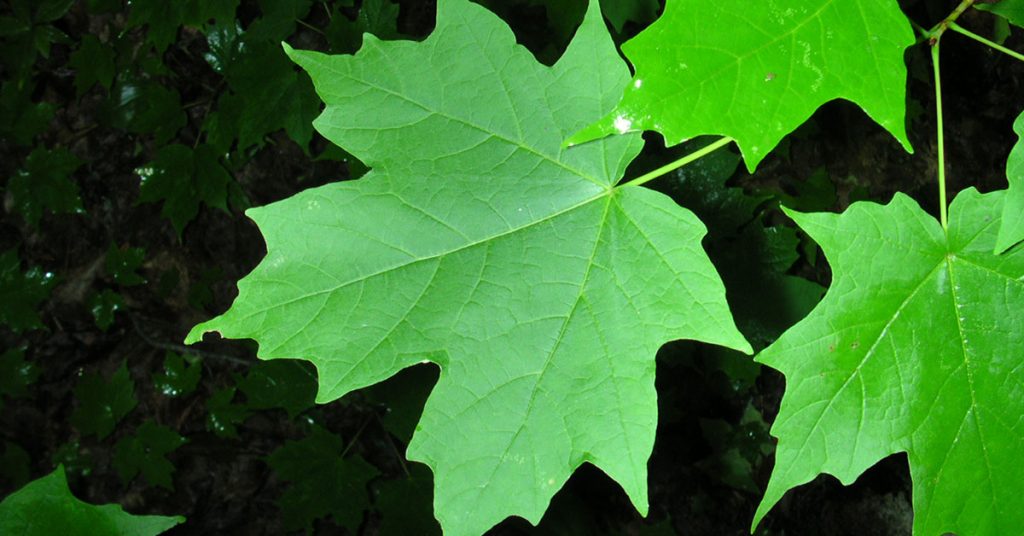
The Sugar Maple, scientifically known as Acer saccharum, is a deciduous tree that is native to the northeastern region of North America. This tree is widely recognized for its stunning fall foliage, which displays bright shades of orange, red, and yellow. The Sugar Maple is also renowned for its sweet sap, which is used to...
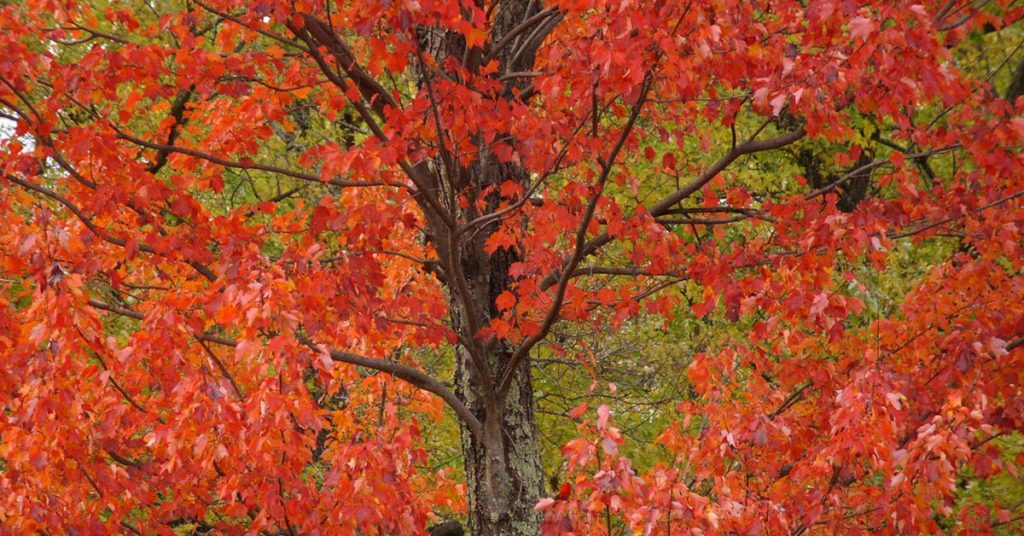
The Red Maple, also known as Acer rubrum, is a beautiful and widely popular tree species that is native to North America. It is commonly found in various regions of the continent, ranging from Canada to the southeastern United States. Red Maple is known for its vibrant red foliage during the fall season, making it...
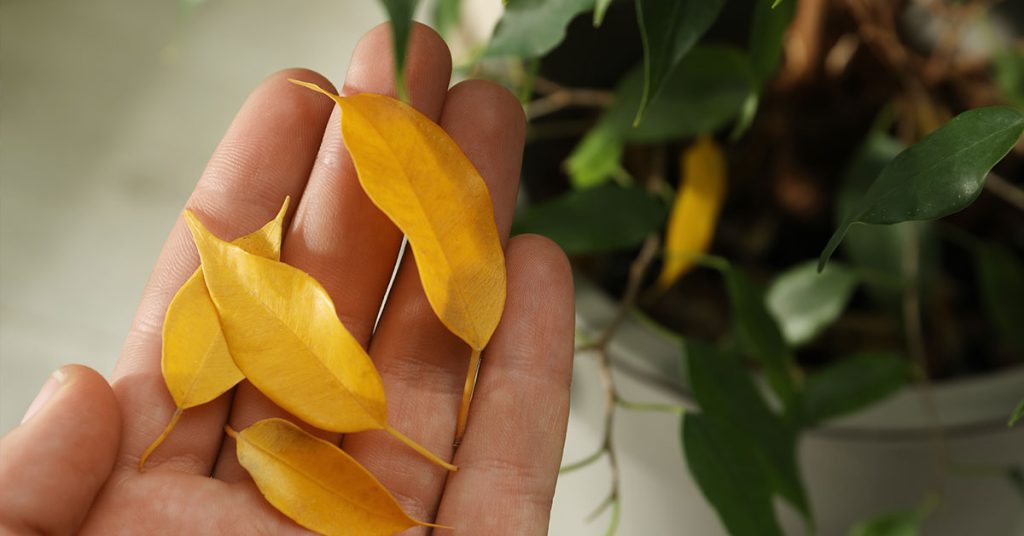
The ficus, with its lush green foliage and graceful branches, is a popular choice for indoor and outdoor plant enthusiasts alike. However, witnessing a once-vibrant ficus tree or bush decline can be disheartening. If you find yourself grappling with a dying ficus, it’s essential to identify the signs, understand the common causes, and explore potential...
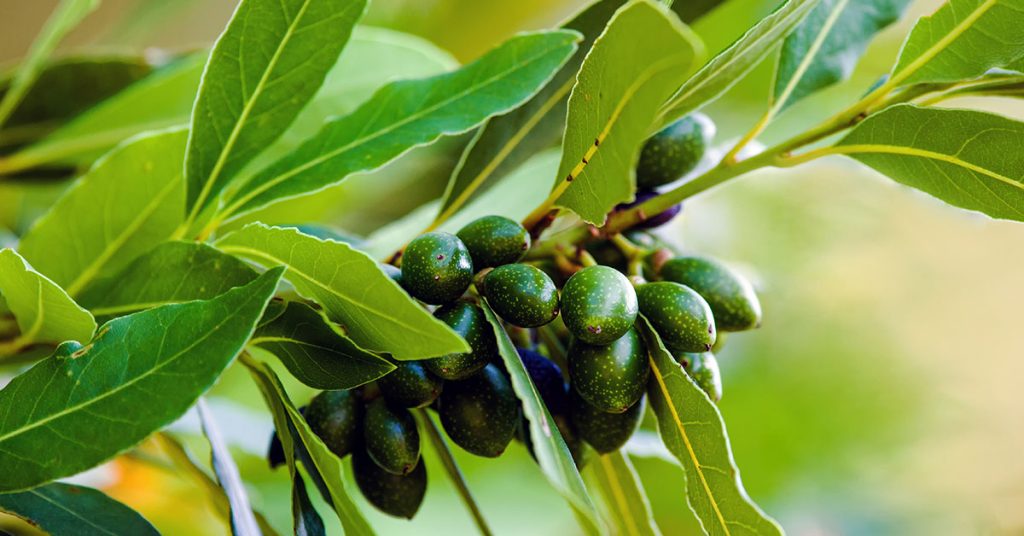
Bay laurel (Laurus nobilis) is a small, evergreen tree that is native to the Mediterranean region. It is a member of the Laurel family (Lauraceae), and its leaves are widely used as a culinary herb in Mediterranean cuisine, particularly in French and Italian cooking. Bay laurel has a rich history, with mentions in Greek and...
Growing fruit trees in zone 4 presents a unique set of challenges and rewards for gardeners who embrace the colder climate and are determined to cultivate a thriving orchard. With average minimum winter temperatures ranging from -30°F to -20°F (-34°C to -29°C), zone 4 requires gardeners to carefully select cold-hardy fruit tree varieties, such as...
Growing fruit trees in zone 5 can be a rewarding and enriching experience for gardeners who appreciate the challenges and joys of nurturing their trees in a colder climate. With average minimum winter temperatures ranging from -20°F to -10°F (-29°C to -23°C), zone 5 presents gardeners with a set of conditions that are similar to...
Growing fruit trees in zone 6 can be a gratifying and fulfilling experience for gardeners who are willing to put in the effort to nurture their trees. With a moderate climate and average winter temperatures ranging from -10°F to 0°F (-23°C to -18°C), zone 6 offers a suitable environment for a diverse range of cold-hardy...
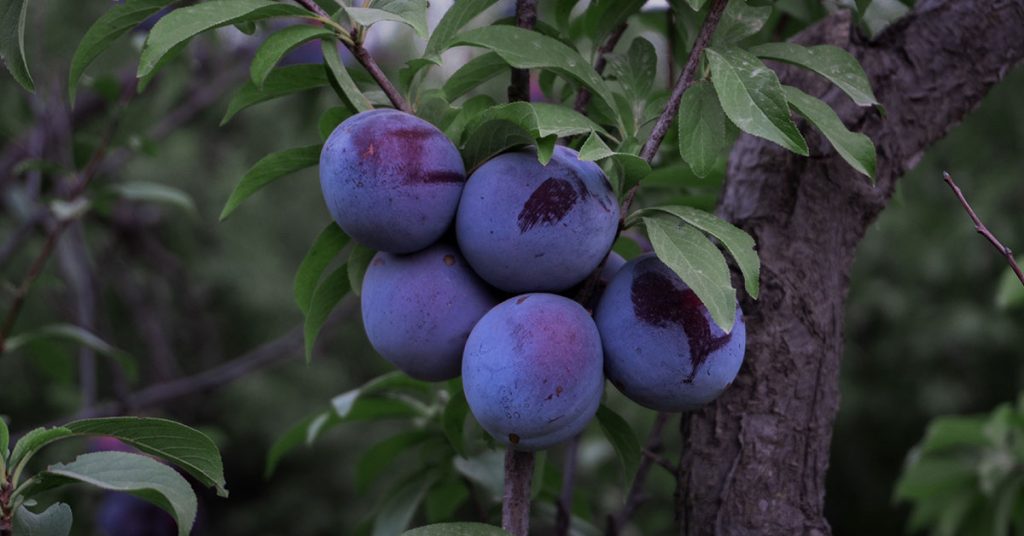
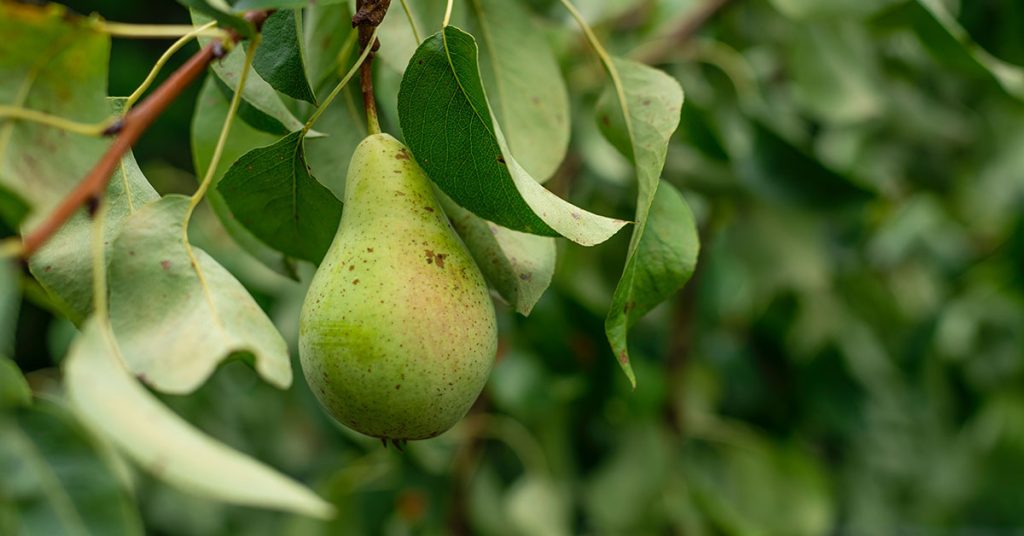
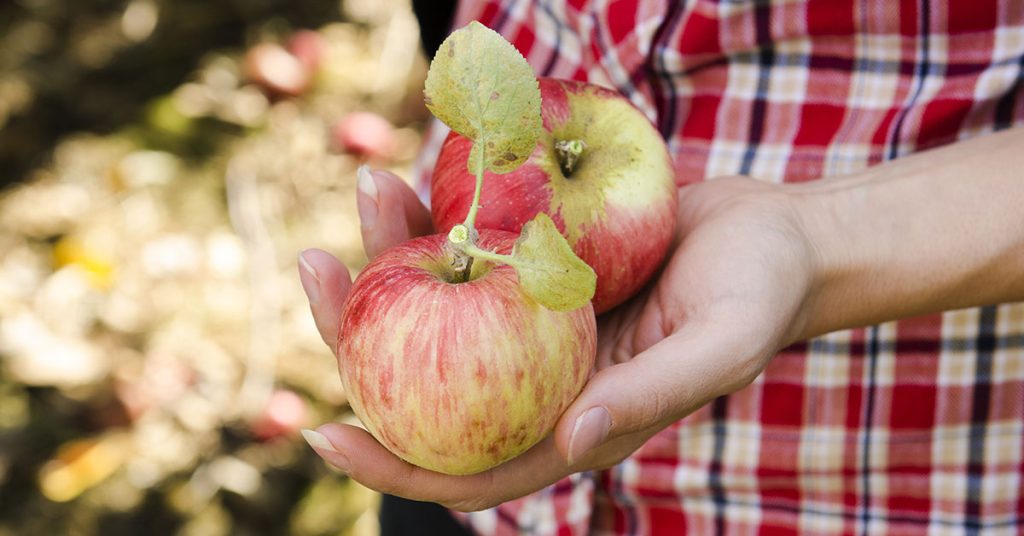
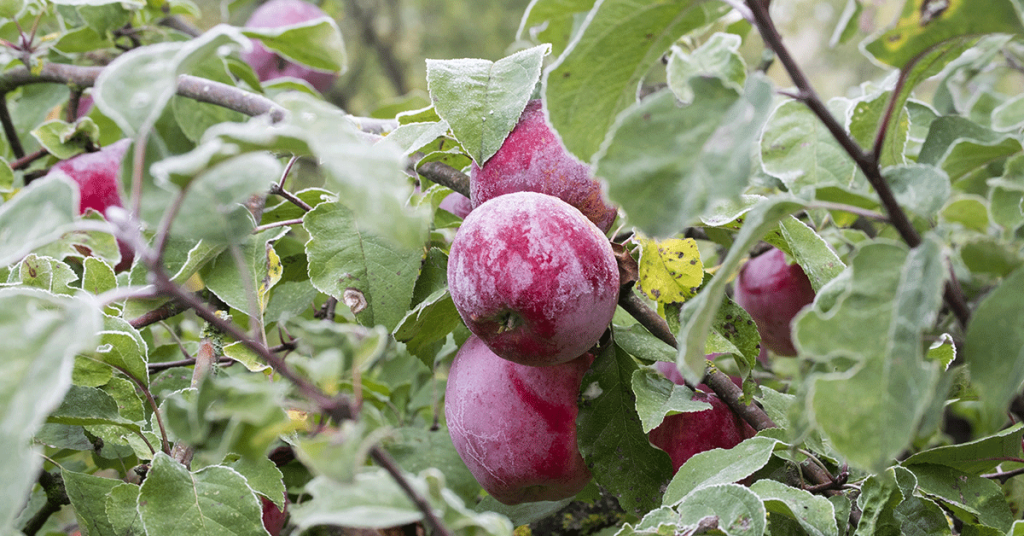
USDA hardiness zone 7 is definitely quite a bit cooler than some of the more ideal growing zones for fruit trees, and a few fruit trees that grow in zone 8 simply won’t grow in zone 7, but there are still tons of really great fruit trees that grow in zone 7. Apples, pears, mulberries,...
If you like fresh fruit, living in USDA hardiness zone 8 puts you at a pretty big advantage: there are a number of fruit trees that grow in zone 8 that you can plant today! Growing fruit trees in USDA hardiness zone 8 offers several advantages. Zone 8 enjoys a moderate climate with relatively mild...
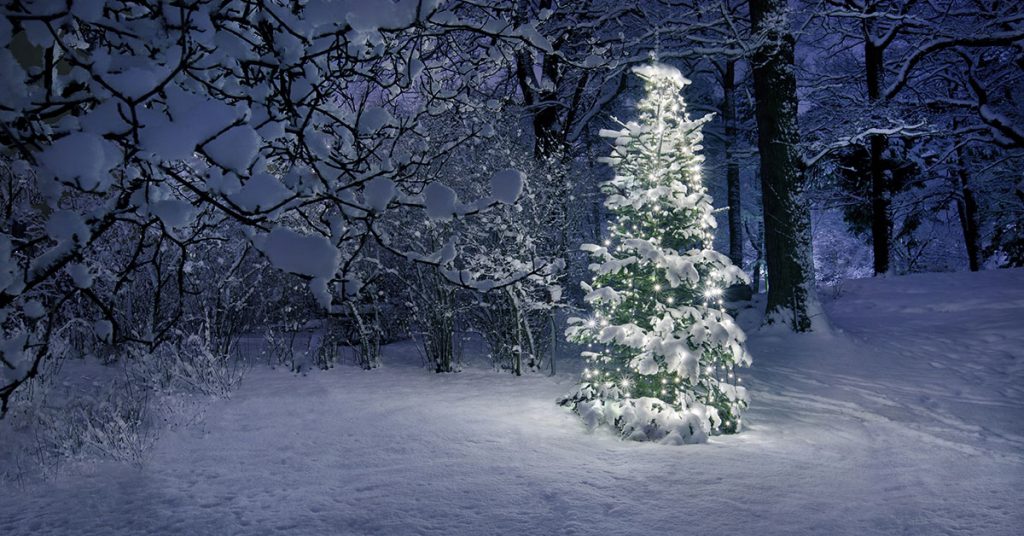
Christmas is one of my favorite times of year. The decorations and gift-giving are great and all, but I have an almost spiritual connection to the concept of a Christmas tree. Seeing a live Christmas tree really lifts my spirits and makes me think back to countless generations before me participating in this tradition. Recently,...
Tibetan Black Diamond Apples, also known as Hei Xuan, are a type of apple that has recently gained popularity on social media for their unique appearance. These apples are native to the Tibet region of China and are prized for their deep purple-to-black coloration, which is caused by high levels of anthocyanin, a powerful antioxidant....