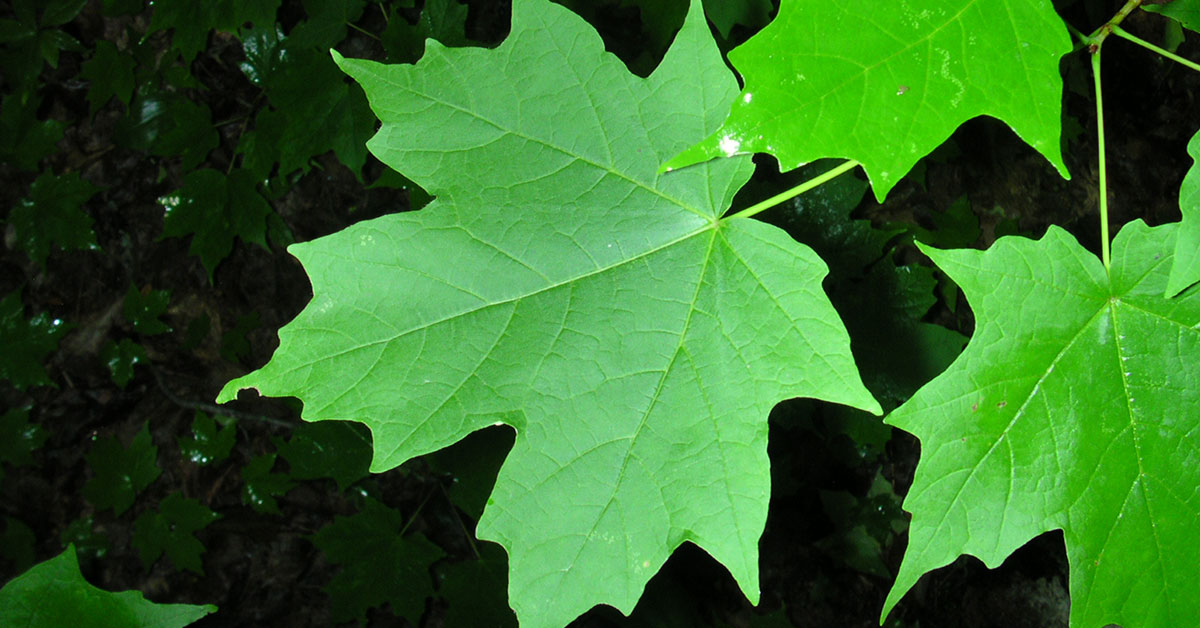

The Sugar Maple, scientifically known as Acer saccharum, is a deciduous tree that is native to the northeastern region of North America. This tree is widely recognized for its stunning fall foliage, which displays bright shades of orange, red, and yellow.
The Sugar Maple is also renowned for its sweet sap, which is used to make maple syrup, a beloved condiment globally. Beyond its aesthetic and culinary value, the Sugar Maple is a crucial component of many ecosystems and has a fascinating history.
In this blog, we will delve into the fascinating world of the Sugar Maple tree, exploring its physical characteristics, ecological importance, and cultural significance.
What is a Sugar Maple?
Sugar Maple, scientifically known as Acer saccharum, is a deciduous tree species belonging to the family Sapindaceae. It is native to the northeastern region of North America and is one of the most common tree species in the region. The Sugar Maple tree is known for its beautiful fall foliage and its sweet sap, which is used to make maple syrup.
The Sugar Maple tree can grow up to 100 feet tall and has a diameter of about 3 feet. It has a dense and rounded crown, and its bark is gray and smooth when young, but becomes rough and furrowed as it ages. The leaves of this tree are lobed and have a bright green color in the summer, turning into vibrant shades of yellow, orange, and red during the fall season.
The Sugar Maple tree is an important component of the forest ecosystem, providing habitat and food for a variety of wildlife species. The tree’s sap is also a valuable natural resource that has been harvested for centuries by Native Americans and early settlers to the region. Today, Sugar Maples are commercially cultivated for their syrup, which is a popular sweetener used in a variety of culinary applications.
In addition to its ecological and commercial significance, the Sugar Maple tree is also an important cultural symbol in North America. It is the state tree of New York, Vermont, West Virginia, and Wisconsin, and is featured on the Canadian national flag. The tree is also a popular subject in literature, art, and music, reflecting its enduring importance and beauty.
How to plant and care for Sugar Maples
Sugar Maples are beautiful, deciduous trees that are native to North America. They are known for their gorgeous fall foliage and their ability to produce maple syrup. If you are considering adding a Sugar Maple to your landscape, there are a few things you should know about planting and caring for these trees.
Planting
When planting a Sugar Maple, it is important to choose a location that provides full to partial sun exposure. The tree also needs well-drained soil that is rich in organic matter. If the soil in your area is not ideal, you can amend it with compost or other organic materials.
To plant a Sugar Maple, dig a hole that is two to three times wider than the root ball. Place the tree in the hole, making sure that the top of the root ball is level with the ground. Backfill the hole with soil, and then water the tree thoroughly.
Care
One of the most important aspects of caring for a Sugar Maple is watering. These trees require consistent moisture, so it is important to water them regularly, especially during hot, dry weather. Mulching around the base of the tree can help to retain moisture and regulate soil temperature.
Sugar Maples also benefit from regular fertilization. A slow-release fertilizer applied in the spring can help to promote healthy growth and vibrant foliage. Pruning is also important for maintaining the shape and health of the tree. You should prune Sugar Maples in the late winter or early spring, before new growth begins.
In addition to these basic care tips, it is important to keep an eye out for pests and diseases that can affect Sugar Maples. Common issues include leaf scorch, verticillium wilt, and maple borers. If you notice any signs of damage or disease, it is important to take action right away to prevent further damage to the tree.
By following these tips for planting and caring for a Sugar Maple, you can enjoy the beauty and benefits of this stunning tree for years to come.
Where are sugar maples native?
Sugar maple, also known as Acer saccharum, is a deciduous tree that is native to eastern North America. The tree is most commonly found in the northeastern United States and southeastern Canada, including areas such as Maine, Massachusetts, New Hampshire, Vermont, Ontario, and Quebec.
The sugar maple tree thrives in regions with a temperate climate, with cold winters and warm summers. It typically grows in hardwood forests and can reach heights of up to 100 feet with a trunk diameter of 3-4 feet. The tree’s leaves are green during the spring and summer, and then turn vibrant shades of yellow, orange, and red in the fall.
Due to its stunning fall foliage and the sap that is used to make maple syrup, the sugar maple has become an important cultural and economic symbol in many regions where it is native. It is also a valuable resource for wildlife, providing habitat and food for a variety of animals and insects.
While the sugar maple is native to North America, it has been introduced to other parts of the world, including Europe, where it is commonly grown as an ornamental tree. However, the species is considered invasive in some parts of Europe, as it can outcompete native tree species and disrupt local ecosystems.
Overall, the sugar maple is an iconic and beloved species in North America, known for its beauty, resilience, and cultural significance.
Fall foliage
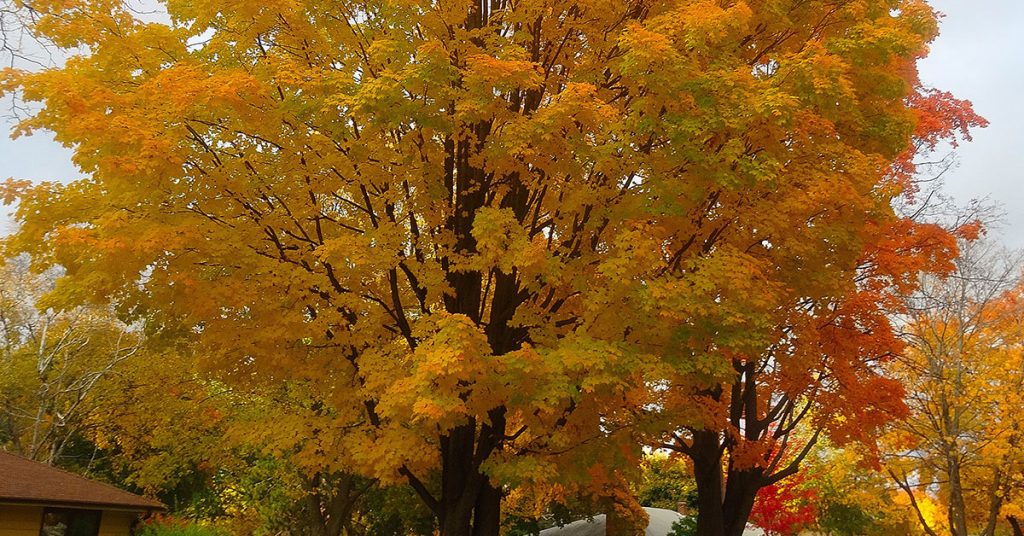
Sugar Maple trees are known for its stunning fall foliage that attracts many nature lovers and photographers. The leaves of this tree turn into a breathtaking array of colors during the fall season, making it a popular choice for adding color to landscapes.
The fall foliage of Sugar Maple starts to change color in late September or early October. The leaves turn into a range of colors including yellow, orange, and red. The intensity of the colors largely depends on the temperature and climate of the area. Cooler temperatures and sunny days without frost can intensify the colors, resulting in deeper and more vibrant shades of red and orange.
The Sugar Maple’s fall foliage is characterized by its symmetrical shape and smooth, flat surface. The leaves are deeply lobed and have a distinctive palmate shape. The colors start from the tips of the leaves and gradually spread inward, creating a beautiful gradient effect.
As the season progresses, the leaves start to fall off, creating a carpet of colorful foliage on the ground. This not only adds beauty to the landscape but also provides nutrients to the soil, which helps in the growth of other plants.
In conclusion, the fall foliage of Sugar Maple is a sight to behold. Its stunning array of colors is a true marvel of nature, and it’s no wonder that the Sugar Maple is a popular choice for landscaping. Its beauty is not only limited to the fall season but can also be enjoyed throughout the year.