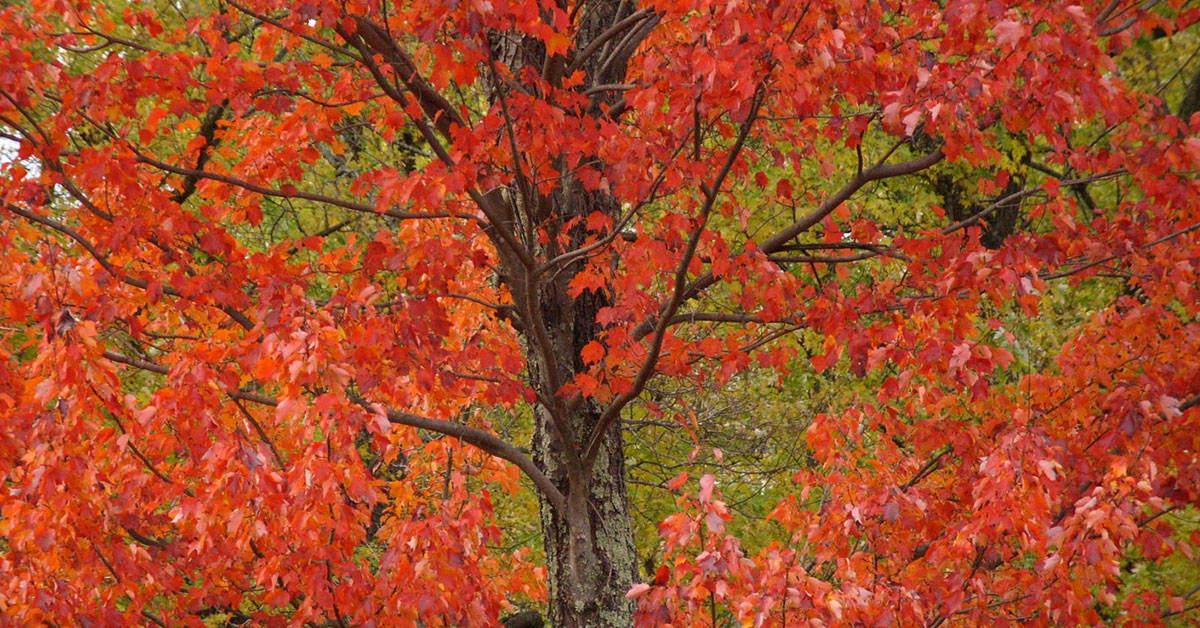

The Red Maple, also known as Acer rubrum, is a beautiful and widely popular tree species that is native to North America. It is commonly found in various regions of the continent, ranging from Canada to the southeastern United States. Red Maple is known for its vibrant red foliage during the fall season, making it a popular choice for landscaping and ornamental purposes.
The tree also has a rich history and cultural significance, being used for its sap, wood, and medicinal properties by indigenous communities for centuries. In this blog, we will explore the many fascinating aspects of the Red Maple and why it is a beloved tree species among nature enthusiasts.
What is a Red Maple?
Red Maple (Acer rubrum) is a type of deciduous tree native to North America. It is commonly found in wetlands, swamps, and along river banks, but it can also grow in drier areas. The tree is known for its vibrant red foliage in the fall, which is where it gets its name.
Red Maples can grow up to 100 feet tall, with a trunk diameter of up to 3 feet. They have a relatively fast growth rate, typically adding 1-2 feet in height per year. The tree’s bark is light gray and smooth when young, but as it ages, it becomes darker and develops shallow ridges and furrows.
The leaves of a Red Maple are typically 2-6 inches long with three to five lobes. They are green on the top and pale on the underside, with serrated edges. In the fall, the leaves turn brilliant shades of red, orange, and yellow.
Red Maples produce small, bright red flowers in early spring before the leaves appear. The flowers are a valuable source of nectar for early-season pollinators like bees and butterflies. The tree also produces winged seeds called samaras, which are dispersed by the wind and can germinate easily in a variety of soil types.
Overall, the Red Maple is a beautiful and important tree species for both its aesthetic value and ecological significance.
How to plant and care for Red Maples
Red Maple (Acer rubrum) is a beautiful tree that is native to North America. It is known for its bright red leaves in the fall, making it a popular choice for home gardens and landscaping. If you are planning to plant a Red Maple in your yard, it is important to know how to properly care for it. Here are some tips on how to plant and care for a Red Maple:
Planting:
- Choose a suitable location: These trees prefer well-drained soil and full sun exposure. Make sure you choose a location that receives at least 6 hours of direct sunlight per day.
- Prepare the soil: Maples need soil that is rich in nutrients and organic matter. Before planting, add compost or other organic matter to the soil to improve its quality.
- Dig a hole: Dig a hole that is twice as wide as the root ball of the tree and just as deep. Make sure the hole is not too deep, as this can cause the tree to sink and suffocate.
- Plant the tree: Place the tree in the hole and make sure it is straight. Fill in the hole with soil and tamp it down to eliminate any air pockets.
- Water the tree: Give the tree a good watering to help it settle into its new home.
Caring:
- Watering: These trees need regular watering, especially during the first few years after planting. Water the tree deeply once a week, making sure the soil is moist but not waterlogged.
- Fertilizing: Red Maple trees benefit from fertilization, especially in the spring and fall. Use a slow-release fertilizer that is high in nitrogen to promote healthy growth.
- Pruning: Prune Red Maple trees in late winter or early spring while they are still dormant. Remove any dead, damaged, or diseased branches, and trim back any branches that are crossing or rubbing against each other.
- Mulching: Apply a layer of mulch around the base of the tree to help retain moisture and suppress weed growth. Make sure the mulch is not touching the trunk of the tree, as this can cause rot.
By following these simple tips, you can enjoy the beauty of a healthy and vibrant Red Maple tree in your yard for years to come.
Where are Red Maples native?
Red Maple is a beautiful and versatile tree that has captured the hearts of many nature enthusiasts. It is native to North America, specifically in the eastern and central regions of the United States and Canada. The Red Maple is the most common maple species in North America and is often found in swamps, wetlands, and along riverbanks. It can also be found in upland forests and urban areas, making it a popular choice for landscaping and street trees.
In the United States, the Red Maple is found from Maine to Florida and as far west as Minnesota and Texas. In Canada, it is found from Newfoundland to Ontario and as far west as Manitoba. The tree is well-adapted to various soils, including sandy, loamy, and clay soils, which makes it a resilient species that can thrive in different environments.
Due to its adaptability and beauty, it has become a popular ornamental tree in North America and other parts of the world. Its vibrant red leaves in the fall, early spring flowers, and attractive bark make it a popular choice for landscaping and as a street tree. However, it is important to note that the Red Maple can grow quite large, reaching a height of up to 100 feet, so it is important to plant it in an area with ample space for it to grow and thrive.
In addition to its aesthetic value, the Red Maple is also an important species for wildlife. Its seeds provide a food source for birds and small mammals, while its branches and trunk provide habitat for insects and other small creatures. This tree is also an important source of maple syrup, which is harvested from the sap of the tree in the spring.
Overall, the Red Maple is a beautiful and valuable species that is native to North America and is well-adapted to various environments. Whether you are planting it for its beauty or for its ecological value, the Red Maple is a great choice for any landscape or garden.
Fall foliage

One of the most beautiful sights of autumn is the changing colors of trees. Red Maple, also known as Acer rubrum, is a popular tree known for its stunning red fall foliage. The Red Maple is a deciduous tree that grows in many parts of North America. As the weather cools down and the days get shorter, the Red Maple tree starts to change colors.
So, what does the fall foliage for Red Maple look like? The leaves start to change color from green to a variety of vibrant shades of red, orange, and yellow. These colors can range from a bright scarlet red to a deep burgundy, depending on the climate. The leaves of the Red Maple tree are known for their unique shape, with three or five lobes and serrated edges.
The transformation of the leaves of the Red Maple tree is a sight to behold. As the days go by, the colors become more intense, and the leaves start to fall from the tree. The leaves of the Red Maple tree are large and thin, making them light enough to be carried by the wind, creating a beautiful, colorful carpet on the ground.
Many people look forward to the fall foliage of Red Maple trees every year. It is a time when nature transforms into a breathtaking, colorful display. Red Maple is a popular choice for landscaping because of its beautiful fall foliage and its adaptability to different growing conditions.
The fall foliage of Red Maple is a beautiful sight to see. The leaves of this deciduous tree change to a variety of vibrant shades of red, orange, and yellow. The unique shape of the leaves adds to the beauty of this tree, and as the leaves fall to the ground, they create a colorful carpet. Red Maples are a popular choice for landscaping, and its stunning fall foliage is one of the reasons why.