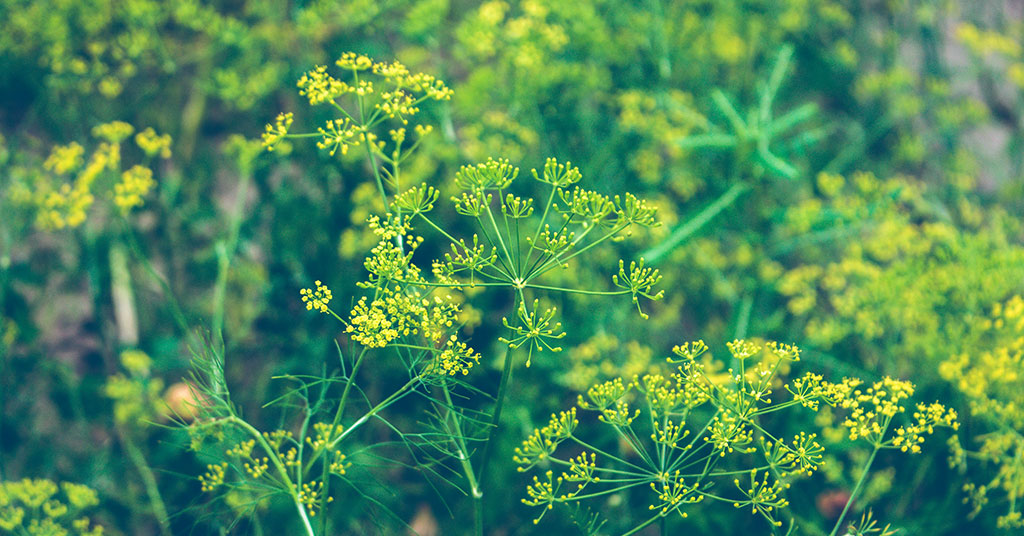
Dill is one of those plants that seems like it should be effortless — it’s a weed in some parts of the world, and it volunteers freely in gardens where it’s been grown before. But most people who try to grow it for the first time either end up with spindly plants that bolt before...
Herb Gardening
If you visit a market, you’ll probably see tons of products labeled as ‘organic.’ Everything from pizzas to burritos to bread. But how does all that organic stuff in the grocery store relate to organic gardening?
Truthfully, it doesn’t really. All that stuff, even if it’s organic, is still processed and a far cry from an organic garden.
Organic gardening is a practice that seeks to work with mother nature instead of against her, cultivating a garden ecosystem that bolsters your plants and reduces pest issues naturally.
Organic gardens are nearly always without any kind of synthetic chemical use, be it pesticides, herbicides, fungicides, or fertilizers. Organic gardeners use natural techniques to reduce common problems that gardens experience.
Organic gardeners often plant a diverse array of fruits, vegetables, and herbs. They also use natural solutions, like lady bugs and praying mantises, for getting rid of unwanted insect pests. The objective of a garden shouldn’t be to go scorched earth and destroy all pests, but to reduce their numbers enough that those beings can continue to survive and so can your garden. It’s the natural way to go about growing your own food.
The benefits of organic gardening speak for themselves. When you set up an organic garden, you do a lot of good for the environment and yourself. The fruits and vegetables you grow are healthier for the earth and for you too. And let’s face it, organic produce just seem to taste better than the conventionally grown stuff you find in the store!
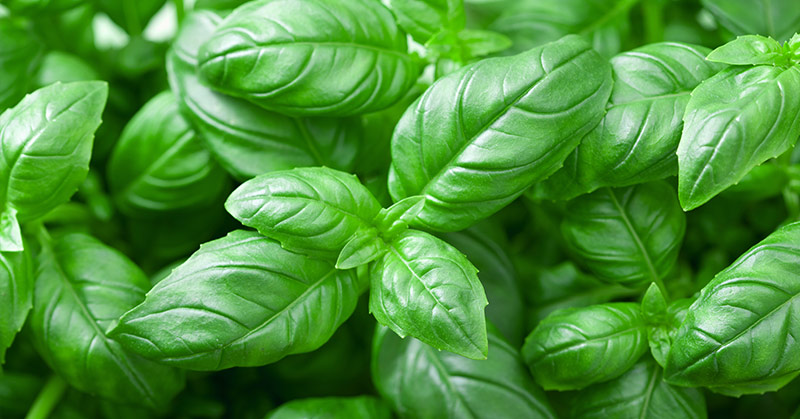
Here’s the honest thing about basil: it’s not actually that easy. It’s easy to start. Getting a basil seedling going is genuinely simple. But keeping it healthy, preventing it from bolting in July, and actually getting weeks of full-flavored leaves rather than a few sprigs before it goes to seed — that requires knowing a...
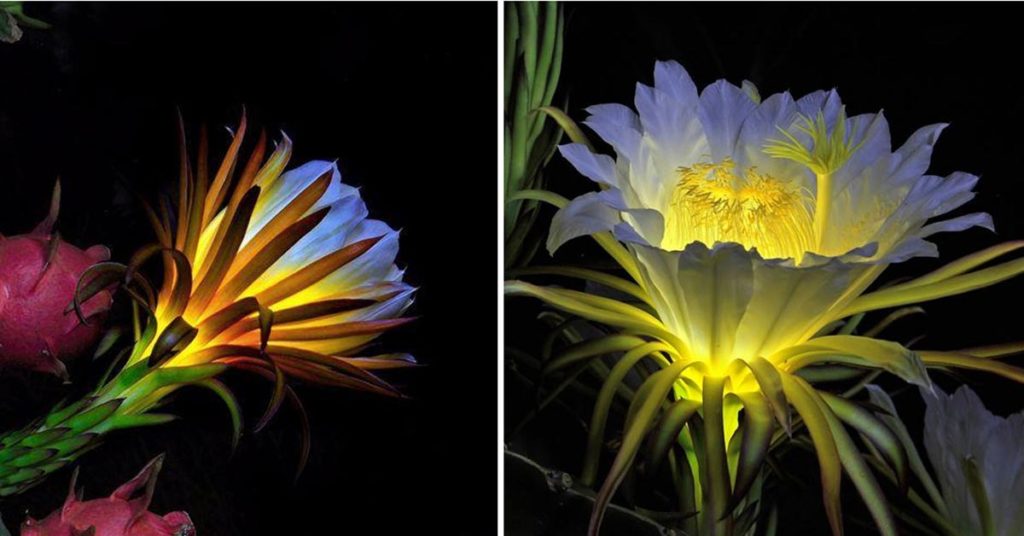
If you’ve ever grown a dragon fruit plant and then watched in mild despair as a gorgeous, basketball-sized flower opened at 10pm, glowed magnificently until 4am, and then quietly closed forever — you already understand the central challenge of growing pitaya. The bloom is the most spectacular thing the plant does, and it’s over by...
Most gardens are designed for daylight hours. Which is fine — except that summer evenings are arguably the best time to actually be outside. The heat breaks, the light goes golden, and then everything gets dark and you’re left staring at a garden you can’t see. A moon garden solves that. It’s a planting scheme...
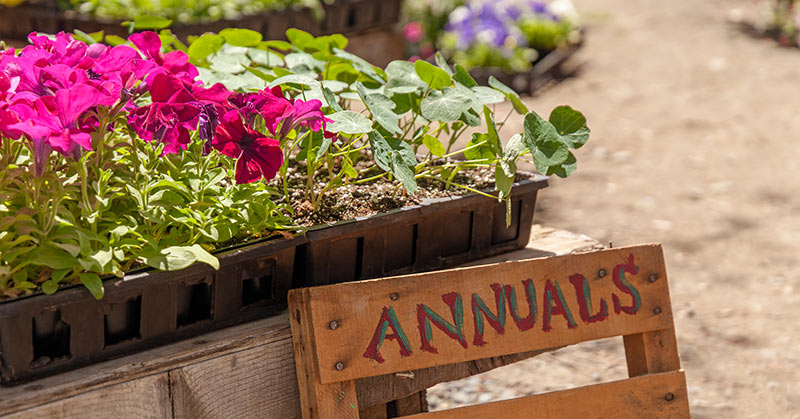
Every spring, millions of gardeners walk out of a garden center with a flat of zinnias or marigolds, plant them, love them all summer, and then watch them die come November — slightly confused about whether they did something wrong. They didn’t. That’s just what annuals do. Understanding annuals changes how you plan a garden....
September is one of the most rewarding months for perennial gardeners. The summer blooms may be winding down, but the soil is still warm, and cooler air temperatures mean plants can adjust to changes without the stress of scorching sun. This makes it the perfect time to divide and transplant your perennials! If you’ve ever...
Indoor air can be surprisingly polluted, even in homes that feel fresh and clean. Dust, pet dander, chemicals from cleaning products, and even toxins from furniture can linger in the air, making it less healthy to breathe. Luckily, plants can come to the rescue! Certain houseplants have been scientifically shown to absorb harmful compounds while...
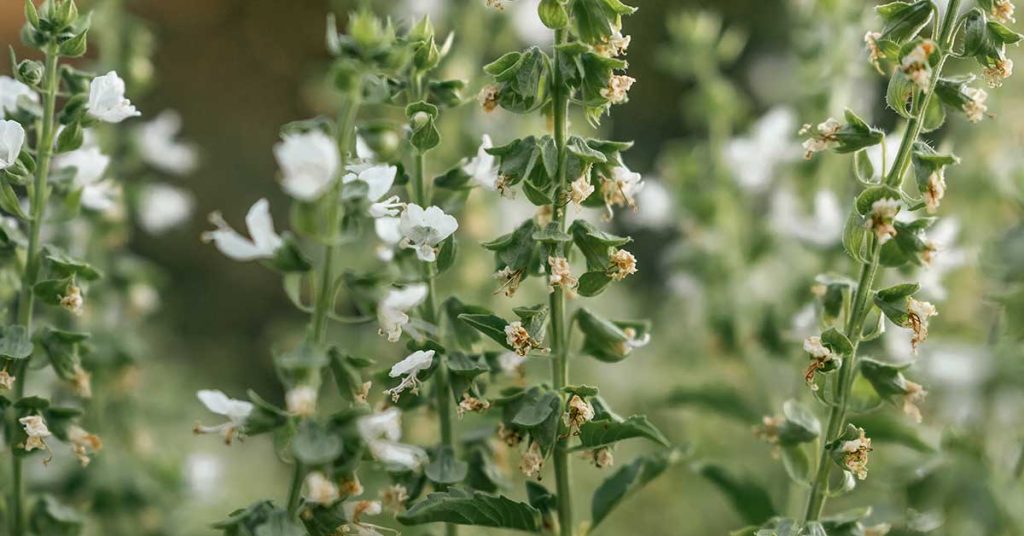
Basil is one of those plants that most of us grow for its fragrant, flavorful leaves, and for good reason—there’s nothing quite like tossing fresh basil into a sauce or a salad. But here’s the thing that often gets overlooked: basil’s flowers are just as valuable as its leaves, and letting your basil bloom can...
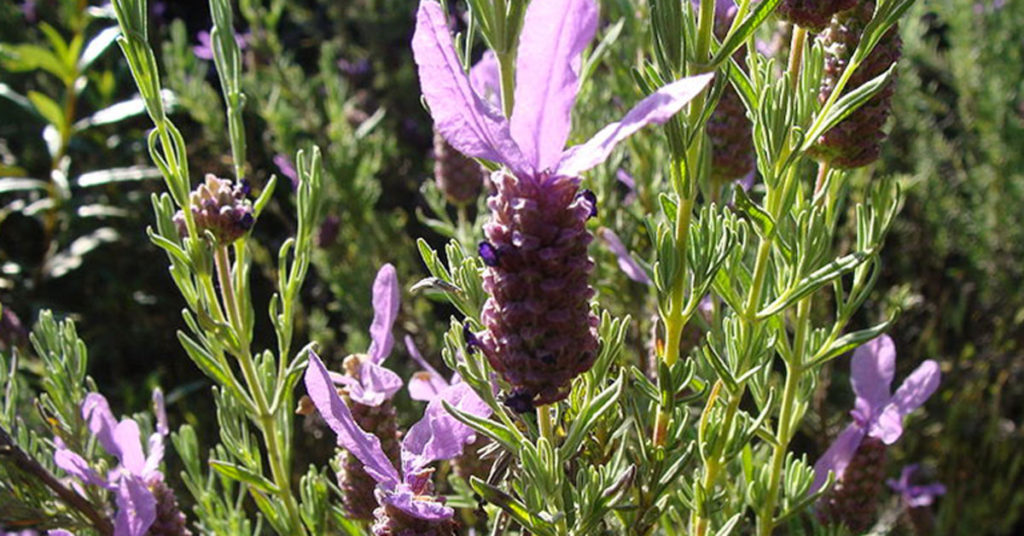
Lavender is one of those plants that seems to carry the very essence of summer in its blooms, yet it needs a little bit of thoughtful care before the cooler days roll in. As someone who has tended lavender for years, I can tell you that what you do in late summer and early fall...
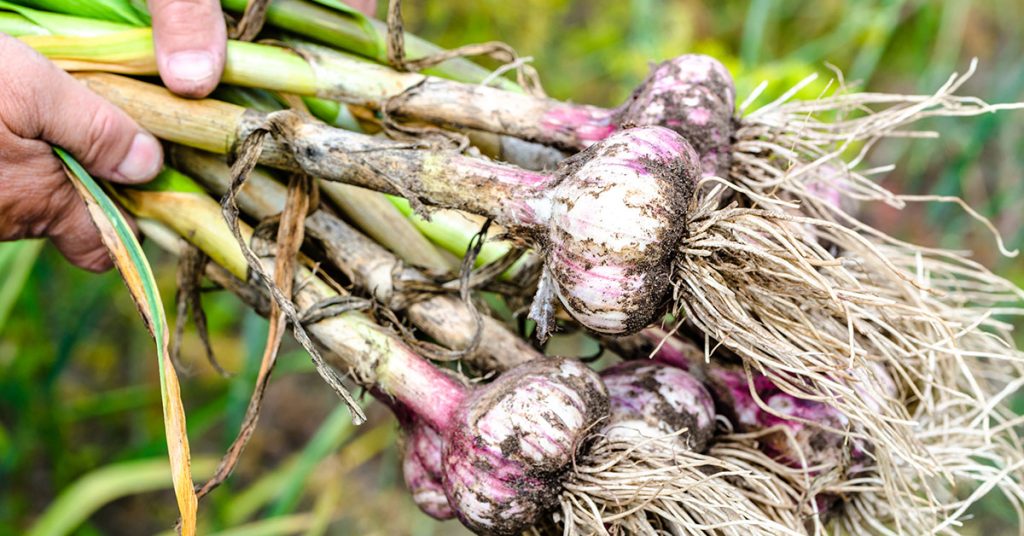
Garlic is one of those crops that rewards patience—you plant it months before you expect to harvest, and the anticipation makes pulling those fat, papery bulbs from the soil even more satisfying. While many gardeners plant garlic in fall for a mid-summer harvest, planting in August can give you a head start in areas with...
Mint is one of those plants that feels like a gift that keeps on giving—fresh sprigs for tea, aromatic leaves for cooking, and that lush green spread that brightens any garden bed. But as summer begins to wind down, mint needs a little bit of attention to keep it thriving well into fall and ready...
Every gardener has been there—you walk out to check on your plants, and your heart sinks. The leaves are gone, the stems look brittle, and it seems like all that time, care, and watering has been for nothing. But before you head for the compost bin, take a deep breath—what you’re seeing might not be...