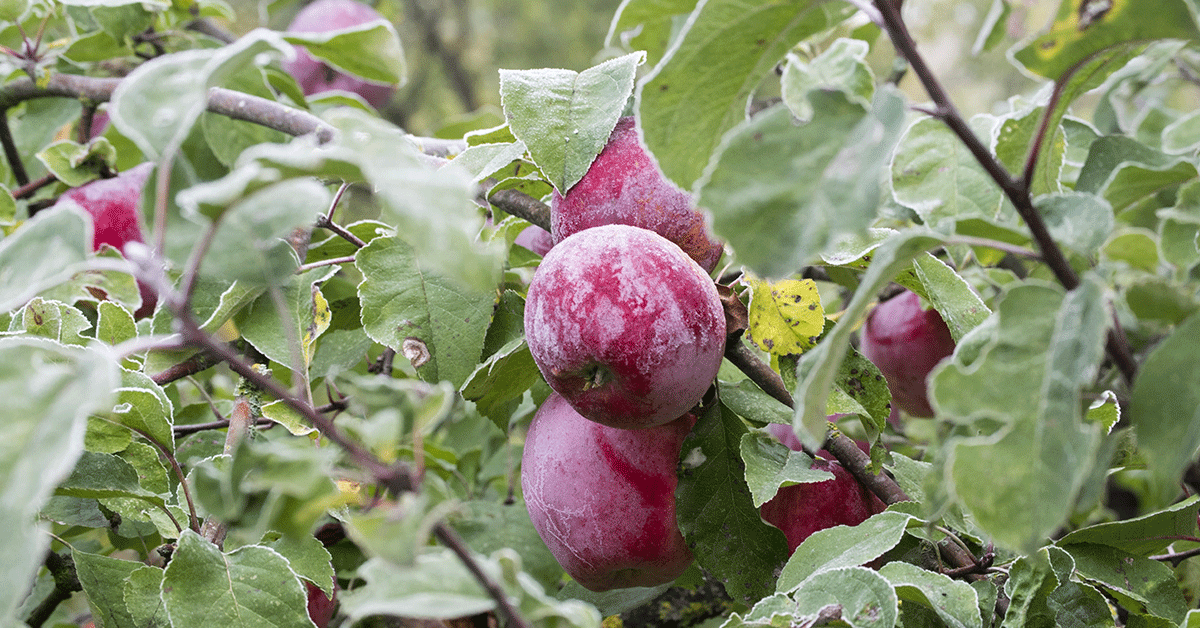

USDA hardiness zone 7 is definitely quite a bit cooler than some of the more ideal growing zones for fruit trees, and a few fruit trees that grow in zone 8 simply won’t grow in zone 7, but there are still tons of really great fruit trees that grow in zone 7. Apples, pears, mulberries, and peaches are all examples of fruit trees that can call zone 7 home.
Fruit trees that grow in zone 7
USDA hardiness zone 7 has an average minimum winter temperature of 0 to 10°F (-18 to -12°C). There are several fruit trees that can grow well in this zone, including:
- Apple (Malus domestica) – Many apple varieties are suitable for zone 7, including both early and late-season cultivars.
- Pear (Pyrus spp.) – Both European and Asian pear varieties can grow well in zone 7.
- Plum (Prunus domestica) – European and Japanese plum varieties can be grown in this zone.
- Cherry (Prunus avium, Prunus cerasus) – Sweet and sour cherry varieties can be grown in zone 7.
- Peach (Prunus persica) – Some cold-hardy peach varieties are suitable for zone 7, although late frosts may pose a risk.
- Nectarine (Prunus persica var. nucipersica) – Like peaches, some cold-hardy nectarine varieties can be grown in zone 7, but they may also be susceptible to late frosts.
- Apricot (Prunus armeniaca) – Cold-hardy apricot varieties can be grown in zone 7, but they may require specific conditions and protection from late frosts.
- Fig (Ficus carica) – Some hardy fig varieties can be grown in zone 7, particularly if given winter protection or grown in a sheltered location.
- Persimmon (Diospyros spp.) – Both American and Asian persimmon varieties can be grown in zone 7.
- Pawpaw (Asimina triloba) – Pawpaw trees are native to the Eastern United States and can be grown in zone 7.
- Mulberry (Morus spp.) – Red, white, and black mulberry varieties can be grown in zone 7.
- Elderberry (Sambucus spp.) – Both American and European elderberries can be grown in zone 7.
When selecting fruit trees for zone 7, it’s essential to consider local conditions, such as soil type, drainage, and microclimate, which can affect the success of your fruit trees. Consult with a local nursery or extension service for recommendations specific to your area.
Fruit trees that don’t grow well in zone 7
Some fruit trees just are not suitable for USDA hardiness zone 7 due to their sensitivity to cold temperatures, susceptibility to frost damage, or specific climate requirements. Here are some fruit trees that generally do not grow well in zone 7:
- Citrus trees (Citrus spp.) – Most citrus varieties, such as oranges, grapefruits, lemons, and limes, are not cold-hardy enough for zone 7. However, some cold-hardy citrus varieties, like ‘Improved Meyer’ lemon and some kumquats, may grow in the warmer parts of zone 7 with appropriate winter protection.
- Avocado (Persea americana) – Avocado trees are not cold-hardy enough for zone 7, as they typically grow best in zones 9 and above.
- Banana (Musa spp.) – Most banana varieties are tropical plants that cannot withstand cold temperatures and are not suitable for zone 7.
- Mango (Mangifera indica) – Mango trees are tropical fruit trees that require a frost-free environment and cannot tolerate the cold temperatures of zone 7.
- Papaya (Carica papaya) – Papaya trees are tropical plants that cannot survive the cold temperatures of zone 7.
- Guava (Psidium guajava) – Guava trees are not cold-hardy enough for zone 7, as they typically grow best in zones 9 to 11.
- Pineapple (Ananas comosus) – Pineapple is a tropical plant that cannot tolerate the cold temperatures of zone 7.
- Lychee (Litchi chinensis) – Lychee trees are subtropical plants that require a warmer climate than zone 7 provides.
- Macadamia (Macadamia integrifolia) – Macadamia trees are not cold-hardy enough for zone 7, as they typically grow best in zones 9 and above.
- Olive (Olea europaea) – Some cold-hardy olive varieties can grow in zone 8, but most olive trees are not suitable for zone 7 due to their sensitivity to cold temperatures.
While these fruit trees generally do not grow well in zone 7, it’s important to note that local conditions, such as microclimates and frost pockets, can significantly impact a tree’s success. In some cases, trees can be grown in containers or provided with winter protection to extend their range. However, the best approach is to select fruit trees that are well-suited for your specific hardiness zone and growing conditions.
Tips for growing fruit trees in zone 7
It might sound pretty simply, but growing fruit trees in USDA hardiness zone 7 requires careful consideration of several factors to ensure healthy trees and a bountiful harvest. The following tips can help you get started with growing fruit trees in zone 7:
Select suitable varieties: Choose fruit tree varieties that are cold-hardy and well-adapted to the climate in zone 7. Consult with a local nursery or extension service for recommendations on the best varieties for your area. Be sure to consider pollination requirements and select self-pollinating fruit trees or plant compatible pollinators if needed.
Consider microclimates: Zone 7 can have a range of microclimates, so it’s essential to select a planting site that offers protection from cold winds, late frosts, or extreme temperature fluctuations. Plant fruit trees near structures, walls, or fences that can provide a buffer against temperature changes, or choose a location with a south-facing slope to encourage earlier warming in spring.
Plant at the right time: Plant fruit trees during their dormant season, typically late winter to early spring, to minimize transplant shock. Be mindful of the potential for late frosts, which can damage blossoms and reduce fruit production.
Ensure proper sunlight and soil conditions: Most fruit trees require full sun, with at least 6 to 8 hours of direct sunlight per day, for optimal growth and fruit production. Ensure the planting site has well-drained soil, and test the soil’s pH and nutrient levels before planting. Most fruit trees prefer slightly acidic to neutral soil, with a pH of 6.0 to 7.0. Amend the soil as needed with organic matter to improve drainage and fertility.
Water consistently: Water your fruit trees regularly, particularly during the first growing season, to ensure the soil remains consistently moist but not waterlogged. Consistent watering helps establish a healthy root system and supports tree growth.
Prune and train: Prune fruit trees regularly to maintain their shape, remove dead or damaged branches, and promote airflow. Proper pruning and training also help maximize fruit production and prevent disease. Learn the specific pruning techniques for each type of fruit tree you grow, as methods may differ depending on the species.
Fertilize appropriately: Feed your fruit trees with a balanced fertilizer, following the recommended application rates for each type of fruit tree. Organic options, such as compost, can also be used to improve soil fertility. Avoid over-fertilizing, which can lead to excessive vegetative growth at the expense of fruit production.
Monitor for pests and diseases: Keep a close eye on your fruit trees for signs of pests and diseases. Implement integrated pest management strategies, such as using beneficial insects, traps, or barriers, to control pests without relying solely on chemical treatments. Prune and dispose of any diseased or infested plant material to prevent the spread of pathogens.
By following these tips and considering local conditions, you can successfully grow a variety of fruit trees in USDA hardiness zone 7 and enjoy the rewards of homegrown fruit.