
The ficus, with its lush green foliage and graceful branches, is a popular choice for indoor and outdoor plant enthusiasts alike. However, witnessing a once-vibrant ficus tree or bush decline can be disheartening. If you find yourself grappling with a dying ficus, it’s essential to identify the signs, understand the common causes, and explore potential solutions. In this article, we will delve into these aspects to help you revive your struggling ficus.
Signs that Your Ficus is Dying
There are really four telltale signs you have a dying ficus on your hands, including leaf discoloration and wilting, loss of leaves, and lack of growth. Let’s dive in a little deeper:
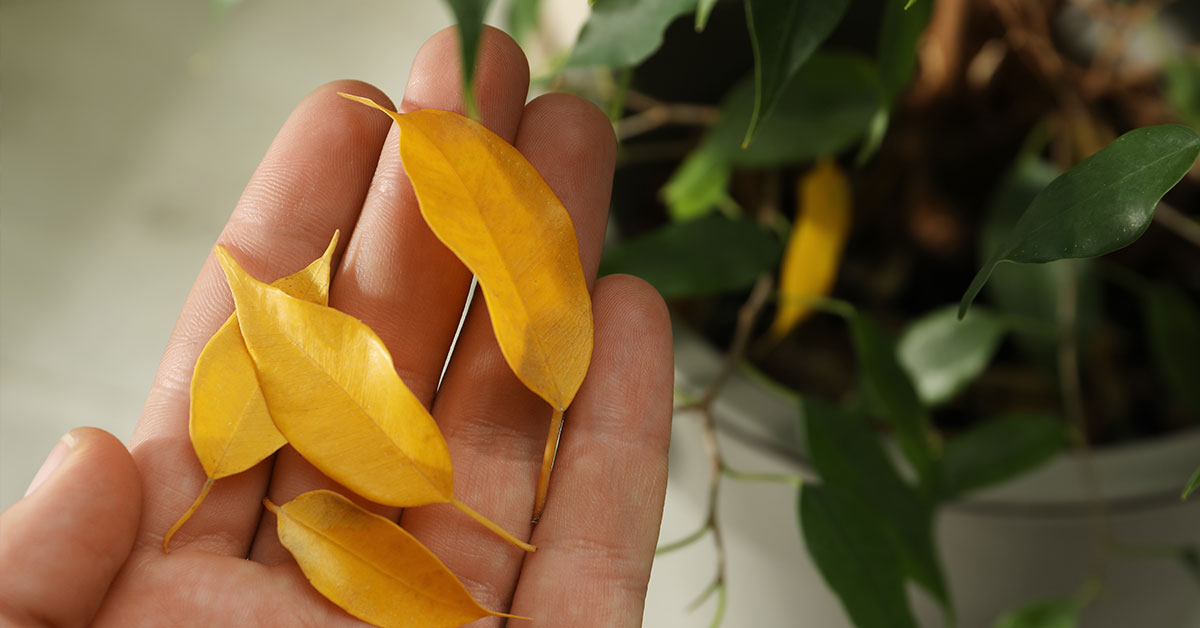
- Leaf discoloration: One of the earliest signs of a distressed ficus is leaf discoloration. Leaves may turn yellow, brown, or drop prematurely. Pay attention to the overall color and condition of the leaves, as it can indicate the plant’s health.
- Leaf wilting: If the leaves of your ficus appear limp, droopy, or excessively wilted, it could be a sign of underlying issues. Healthy ficus leaves should be taut and firm.
- Leaf drop: Excessive leaf drop, especially when it occurs throughout the plant, can be a clear indication of stress or disease. While some leaf drop is natural, a sudden and significant loss of foliage is cause for concern.
- Stunted growth: If your ficus fails to produce new growth or exhibits minimal growth over an extended period, it suggests an unhealthy condition. Ficuses are known for their rapid growth under favorable conditions, so stunted growth is an alarming sign.
Common Causes for a Ficus to Die
The reasons why a ficus dies tend to vary depending on how they’re treated.
- Overwatering or underwatering: Improper watering is a leading cause of ficus deterioration. Overwatering can lead to root rot, suffocating the plant’s roots, while underwatering can result in dehydration and nutrient deficiency.
- Insufficient light: Ficus plants thrive in bright, indirect light. Insufficient light can cause weakened growth and make the plant susceptible to disease and pest infestations.
- Poor drainage: Ficus plants require well-draining soil to prevent waterlogged roots. If the soil is heavy and doesn’t allow excess water to escape, it can lead to root rot and other root-related issues.
- Environmental changes: Sudden shifts in temperature, drafts, or exposure to extreme conditions can stress the ficus plant and cause its decline.
- Pest infestation: Ficus plants are vulnerable to pests such as mealybugs, scale insects, and spider mites. If left untreated, these pests can weaken the plant and lead to its demise.
How to fix your dying ficus
If your ficus is actively dying, it’s hard to say for sure if it can be rescued. It depends on how far gone your ficus is. Follow these steps to fix your dying ficus:
- Assess the watering routine: Ensure that you are providing adequate but not excessive water to your ficus. Check the moisture level of the soil before watering and adjust accordingly. Remember to let the top inch of soil dry out between watering sessions.
- Adjust lighting conditions: Place your ficus in a location that provides bright, indirect light. If necessary, supplement natural light with artificial grow lights to ensure the plant receives the light it needs.
- Improve drainage: Repot your ficus in a container with drainage holes and use a well-draining soil mix. This allows excess water to escape, preventing waterlogging and root rot.
- Check for pests: Inspect your ficus thoroughly for signs of pest infestations, such as webs, sticky residue, or tiny insects. Treat the plant with appropriate organic or chemical solutions to eliminate the pests.
- Prune and remove damaged foliage: Trim away any yellowed, brown, or diseased leaves to redirect the plant’s energy towards healthy growth. Be sure to use clean, sharp pruning tools to prevent the spread of diseases.
- Create a stable environment: Keep your ficus away from drafts and sudden temperature changes. Maintain consistent humidity levels and temperature within the plant’s preferred range to promote optimal growth.
- Provide proper nutrition: Fertilize your ficus with a balanced, water-soluble houseplant fertilizer during the growing season. Follow the manufacturer’s instructions and avoid overfertilization, as it can harm the plant.
Reviving a dying ficus requires patience, care, and attention to its specific needs. By addressing the underlying causes and implementing appropriate remedies, you can give your ficus the best chance for recovery. Remember that ficuses are resilient plants, and with the right care, they can bounce back to their former glory, adding beauty and greenery to your space once again.