

I’m so excited you’re diving into the delightful world of cornflowers (Centaurea cyanus) this season! These cheerful blue blooms, native to Europe’s grain fields, have charmed gardeners for centuries with their frilly petals and ease of self-seeding. They’re generally well-behaved in home gardens—volunteers may pop up here and there, but they rarely become invasive—yet they reward you with vibrant clusters that look like little skies dotting your borders. I know how frustrating it is to plant a batch of cornflower seeds only to see sparse or leggy plants, so let’s jump into these eleven in-depth tips to help you cultivate thick, show-stopping clusters!
From soil prep to harvest strategy, every step influences how densely these wildflower gems will bloom. I’ve learned through both triumphs and trial-and-error—one year my patch was a single-row flop until I tweaked my thinning technique! Whether you’re battling hungry birds at the seedling stage or hoping to attract nesting native bees among those petals, each insight here is drawn from years of hands-in-the-dirt experience. Let’s get started on turning your cornflower corner into a buzzing, unforgettable blue spectacle.
Prepare Well-Drained, Nutrient-Rich Soil

Cornflowers thrive in soil that’s fertile yet drains freely—too much water can lead to root rot or floppy stems. I begin by amending clay-heavy beds with generous amounts of compost and coarse sand or grit, creating a loamy mix that holds nutrients without becoming soggy. This foundation encourages strong root development, supporting the weight of dense flower clusters.
It’s such a bummer when compacted soil stunts young plants, so I loosen the bed to at least a foot deep before sowing. Adding a light layer of balanced granular fertilizer at planting time gives seeds the nourishment they need to emerge vigorously—and that translates directly into fuller bloom clusters later!
Ensure Full Sun Exposure

Cornflowers absolutely adore at least six hours of direct sun each day—anything less and you risk lanky, sparse displays. I look for the sunniest spot in my garden, often shifting container-grown seedlings into the brightest corner of the patio. The more sunlight they receive, the richer their blue hue and the sturdier their stems!
I know how frustrating it is when you plant a “sun-loving” flower in a shady nook only to see it sulk. If your garden area is dappled or partially shaded, consider growing cornflowers in pots you can wheel into full sun for most of the day—your clusters will thank you with more blooms and fewer floppy stalks.
Succession Planting for Continuous Clusters
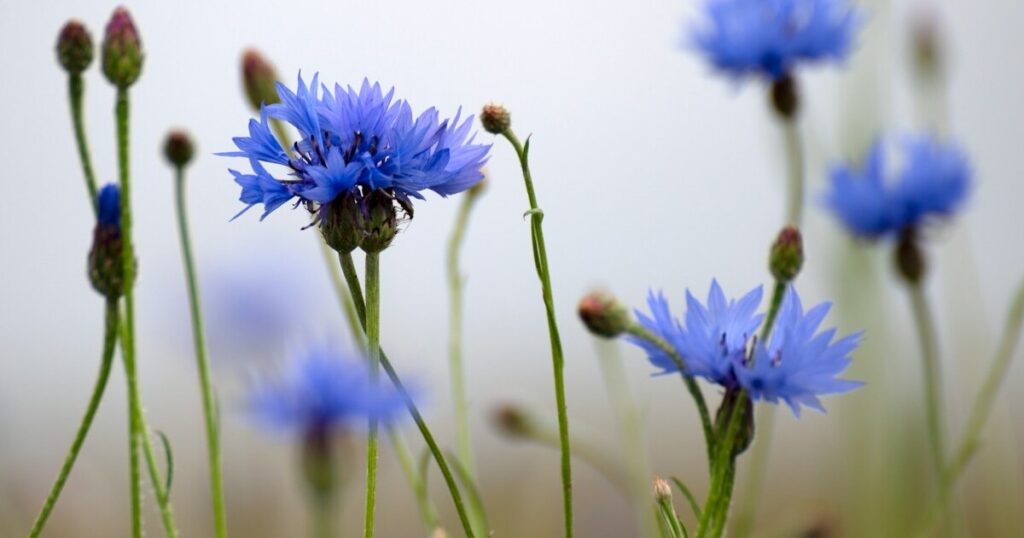
Rather than sowing all your seeds at once, I divide them into three staggered plantings spaced two to three weeks apart. This staggered approach prevents one short-lived flush of flowers and instead sustains rich clusters from early summer through autumn’s first frost! Plus, later plantings fill in gaps as earlier clusters fade, maintaining a consistent sea of blue.
It’s such a thrill to walk by and see new baby blossoms replacing spent blooms, keeping pollinators like honeybees and native mason bees busy all season. Succession planting also hedges against poor germination—if one batch underperforms due to weather or birds, the next sowing often picks up the slack.
Thin Seedlings for Airflow and Density
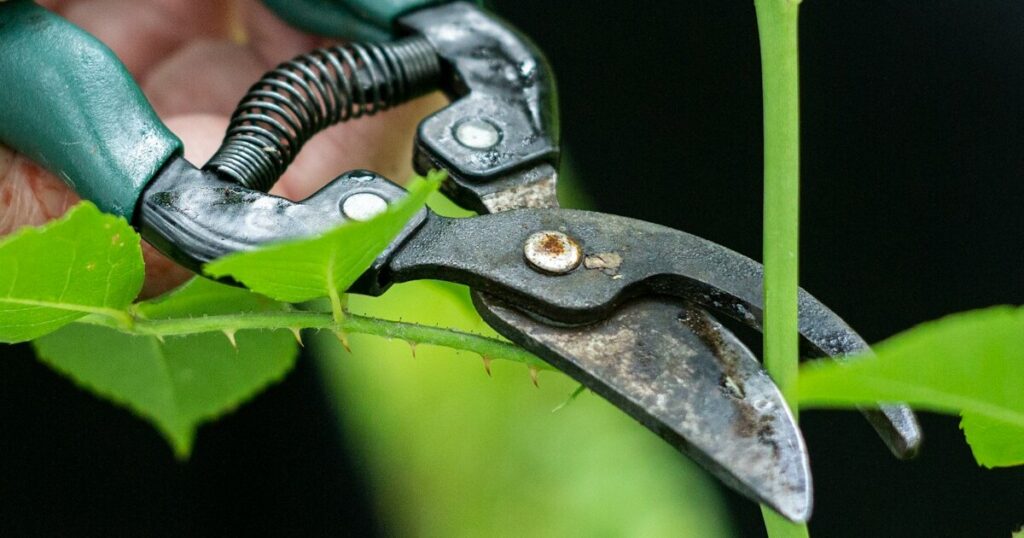
Once seedlings develop two true leaves, I thin them to about six inches apart, snipping the extras at soil level. This spacing might seem generous, but it prevents overcrowding, reduces mildew risk, and encourages each plant to branch out, creating fuller clusters of flowers. You’ll be amazed how much denser the blooms look when each plant has room to develop multiple side shoots!
I know it’s tempting to leave every tiny sprout, especially when seeds are precious, but overcrowding often leads to spindly stems that flop under flower weight. Thinning early gives the remaining plants the space they need to build thick foliage and robust flower heads.
Attract Pollinators with Companion Flowers
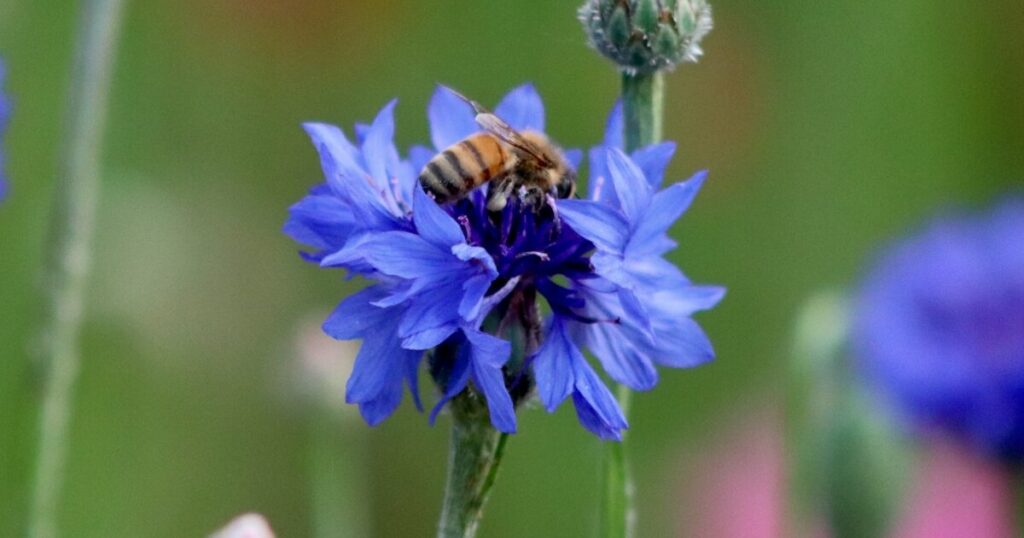
One of my favorite tricks is to interplant cornflowers with low-growing, pollinator-friendly companions like alyssum or calendula. These attract hoverflies, butterflies, and even small solitary bees that nest in bare patches of earth nearby. When those beneficial insects hang around, they don’t just pollinate your cornflowers—they also help keep aphid populations in check!
I’ve seen little mason bees carve out nesting tunnels right next to my cornflower clusters, emerging each morning to forage. Adding a tiny patch of bare soil or a bee block nearby enhances this behavior, turning your garden into a vibrant insect haven—and your cornflower clusters will thank you with more abundant, well-set blooms.
Provide Light Support for Tall Stems
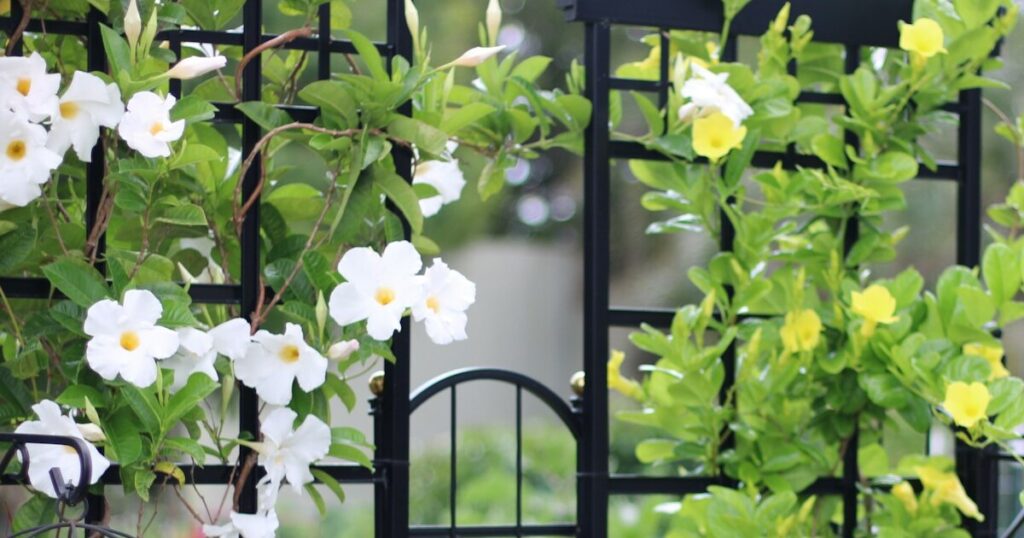
Some cornflower varieties can reach two to three feet tall, especially when clustered. I set up a loose grid of bamboo stakes or a low wire support before the plants grow too tall. As stems reach the grid, I gently weave them through, preventing wind-flopping and ensuring flower heads remain upright and densely packed.
It’s heartbreaking to see a sudden gust topple your proud clusters! This lightweight support system maintains airflow around each stem—cutting down on rot—and keeps clusters displaying at their full glory rather than sprawling across the ground.
Mulch to Retain Moisture and Suppress Weeds
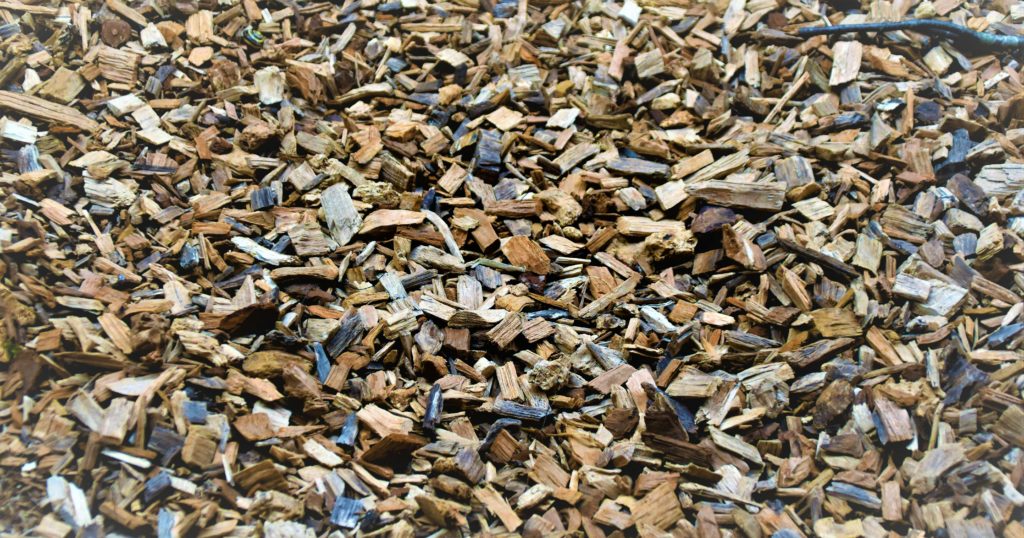
Although cornflowers tolerate some drought, consistent moisture helps seedlings establish and encourages vigorous branching. I apply a thin layer of shredded leaves or straw mulch after thinning—just enough to conserve water and smother weed seedlings that compete for nutrients and space. This keeps the bed focused on your cornflowers, not unruly weeds!
I know how frustrating it is to battle weeds in a flower patch—you pull one, and three more pop up. Mulching early means fewer weeds to tug at and more energy channeled into those beautiful, dense clusters instead of unwanted rivals.
Protect Young Plants from Birds and Pests

Birds often view fresh cornflower seedlings as a crunchy snack. I cover new sowings with lightweight garden mesh or a floating row cover until the plants reach two inches tall. This barrier keeps hungry titmice and sparrows at bay without blocking sunlight or airflow, ensuring seeds germinate successfully.
For slugs and caterpillars that nibble stems and leaves, I scout daily at dawn and dusk, hand-removing any unwelcome munchers into a bucket of soapy water. Early intervention means your young cornflowers can grow unchecked, leading to those showy, uninterrupted clusters we all admire!
Regular Deadheading to Promote New Blooms
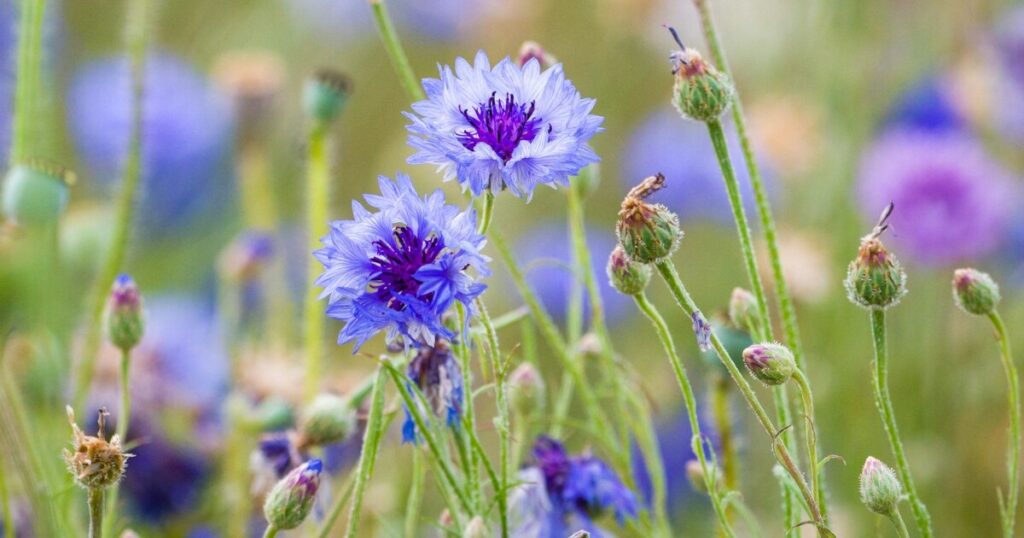
As mature flower heads fade, I snip them off just above the next leaf node. This simple chore redirects the plant’s energy into forming fresh side branches and new buds instead of seed production. The result? Denser, repeated clusters of cornflowers throughout the summer rather than one brief display!
I know it can feel tedious to deadhead, but picking a few minutes each week pays off in a lasting carpet of blue. And single stems you remove can become delightful vase arrangements—so it’s a win-win for your garden and your home décor.
Feed with Balanced Fertilizer at Key Stages

While cornflowers aren’t heavy feeders, a light side-dressing of a balanced organic fertilizer when plants are six inches tall and again at first bloom can boost cluster size. I sprinkle a handful of composted manure or a granular 10-10-10 around the drip line, gently working it into the soil without disturbing shallow roots.
It’s such a bummer when flowering stalls mid-season—this nutrient boost keeps the plants vigorous and flowers large. Just don’t overdo nitrogen; too much leafy growth can weaken stems and reduce bloom density!
Harvest Strategically to Encourage More Clusters
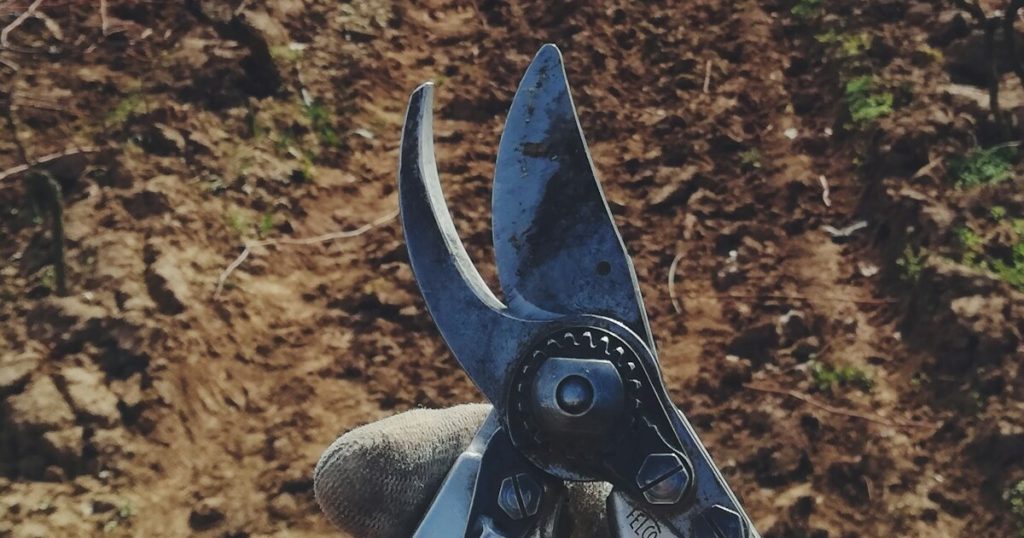
Cut stems for bouquets early in the morning when blooms are freshest. I choose the largest flower heads first, snipping above a set of leaves to leave the basal growth intact. Harvesting encourages side shoots to develop, producing more clusters in the same season.
I’ve found that a well-timed cut can yield three or four flushes of blooms from one planting. Plus, nothing brightens the house quite like a vase brimming with cornflower clusters you grew yourself!