

I’m absolutely thrilled you’re looking to bathe your patio in cool, calming blues this summer! Blue flowers add an unexpected depth to container gardens, lending a serene backdrop to bright cushions, warm woods, or crisp white furniture. Whether you’re nestled under an awning or soaking up full sun, there’s a blue bloomer ready to shine on your front porch or balcony. I know how frustrating it can feel when your pots look lackluster, so let’s dive into fifteen of my go-to plants that guarantee a gorgeous blue display all season long.
In this guide, we’ll explore each flower’s native origins, invasiveness (or lack thereof!), and even their wildlife–attracting behaviors—from fluttering pollinators to nesting beneficial insects. As a gardener who’s had my share of sun-scorched blooms and shaded flops, I’m sharing these picks and care tips to help you avoid the pitfalls and relish every petal. Ready to transform your patio into a blue oasis? Let’s start planting!
Agastache foeniculum ‘Blue Fortune’
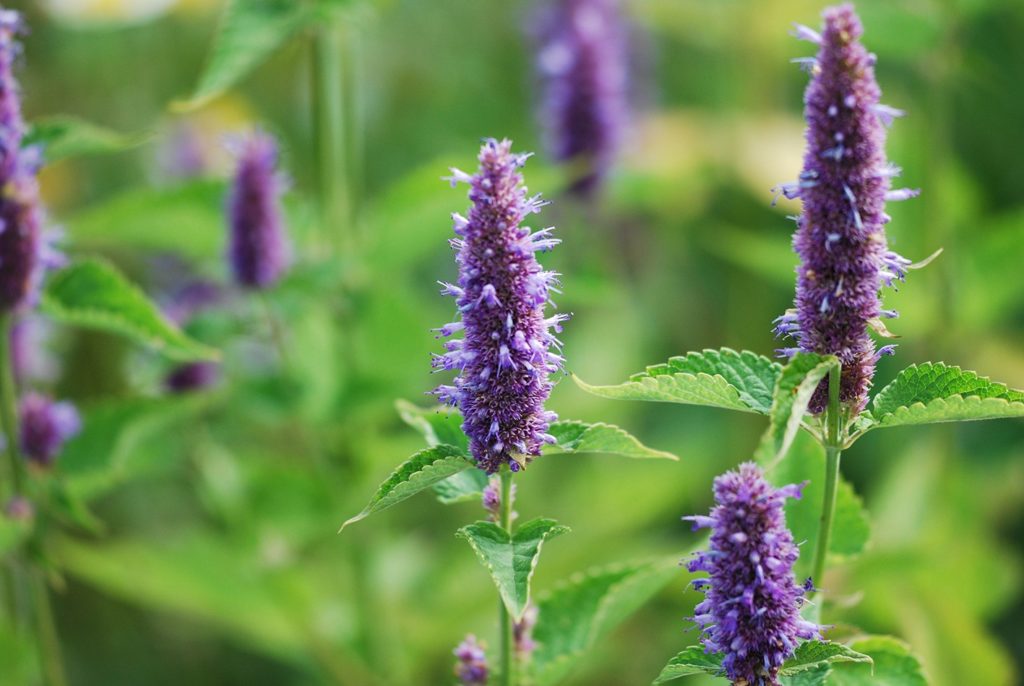
One of my absolute favorites, ‘Blue Fortune’ hyssop is native to North America and boasts towering spires of deep cornflower-blue blooms. It’s a magnet for hummingbirds and bees, which nest nearby in earthen banks or rock crevices, turning your patio into a buzzing little haven of pollinator activity. The licorice-scented foliage adds interest even before the flowers unfurl!
This perennial thrives in full sun and well-draining soil, making it non-invasive and drought-tolerant once established. I plant mine in large pots with gritty mix—if the potting medium stays too wet, the roots sulk. A deadheading halfway through summer can coax a second flush of blooms, ensuring your patio stays vibrant into fall!
Plumbago auriculata (Blue Plumbago)

Hailing from South Africa, plumbago brings clusters of sky-blue flowers that cascade gracefully over container rims. It’s evergreen in warm climates and can self-seed sparingly, but in pots it stays nicely contained. Pollinators adore plumbago’s nectar-rich blooms, and I’ve even spotted small butterflies resting on the foliage!
Plumbago tolerates both full sun and part shade, though more sun delivers heavier flowering. I feed mine monthly and trim back lightly after flowering to maintain a bushy shape. Just watch out for slugs hiding beneath those glossy leaves—they’re such a bummer when they munch young shoots!
Petunia hybrida ‘Heavenly Blue’

Nothing says summer patio like trailing blue petunias, and ‘Heavenly Blue’ delivers luminous, true-blue trumpets that open wide for hummingbirds and butterflies. Native petunia species come from South America, and hybrids like this aren’t invasive—just easy-care showstoppers! The vines drape beautifully from hanging baskets or cascade over pot edges.
To keep them blooming nonstop, I deadhead spent blooms every few days and water at the soil line to avoid wetting leaves (a recipe for mildew). In high heat, they appreciate afternoon shade—I discovered this the hard way when mine wilted under relentless sun!
Lobelia erinus (Edging Lobelia)
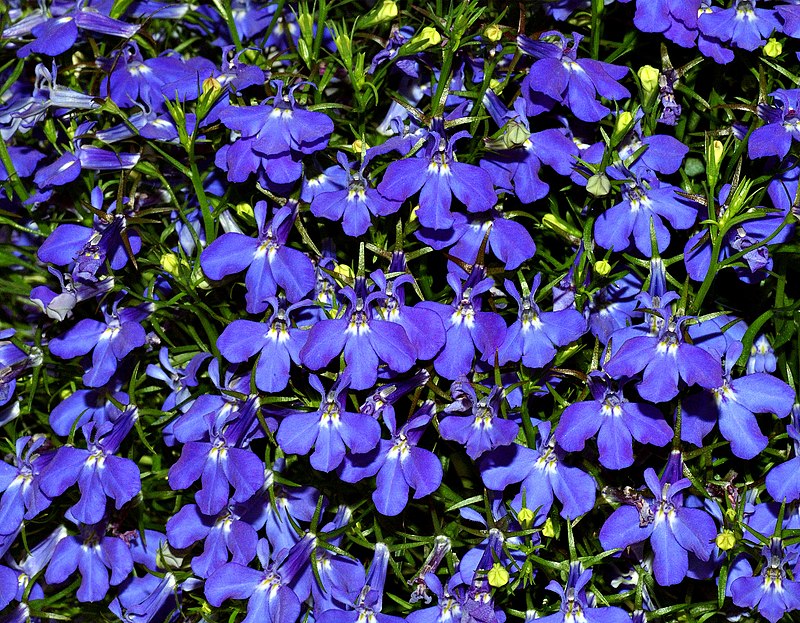
Edge lobelia, native to South Africa, forms dense mats of tiny, brilliant-blue blossoms that practically glow from below! These delicate flowers attract syrphid flies and small native bees, which often nest in hollow stems or crevices nearby. Lobelia is non-invasive but prefers cool conditions—if your patio gets scorching, try a shaded spot.
I learned to keep the soil evenly moist—too dry and those dainty petals shrivel up. A light, balanced fertilizer every two weeks keeps the plants lush. When blooms wane mid-summer, I shear back by one-third and they rebound with fresh flower flush!
Centaurea cyanus (Bachelor’s Button)
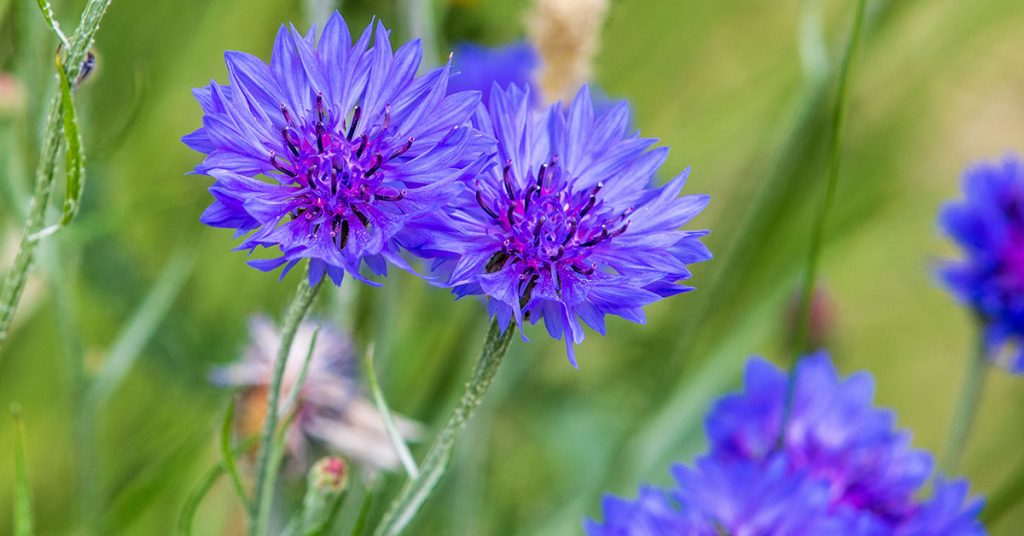
Bachelor’s buttons, aka cornflowers, hail from Europe and Asia and feature frilly, cornflower-blue blooms atop upright stems. They’re fantastic in pots, non-invasive, and reseed only modestly when left to dry on the plant. Bees adore them, often nesting in soil patches nearby, turning your patio into a mini pollinator retreat!
Sow seeds directly in shallow containers in early spring and thin to 6–8 inches apart. These plants tolerate light drought but appreciate consistent moisture during bloom. When the first flush fades, I cut back spent spikes to encourage a sweet second round of flowers!
Veronica spicata ‘Royal Candles’
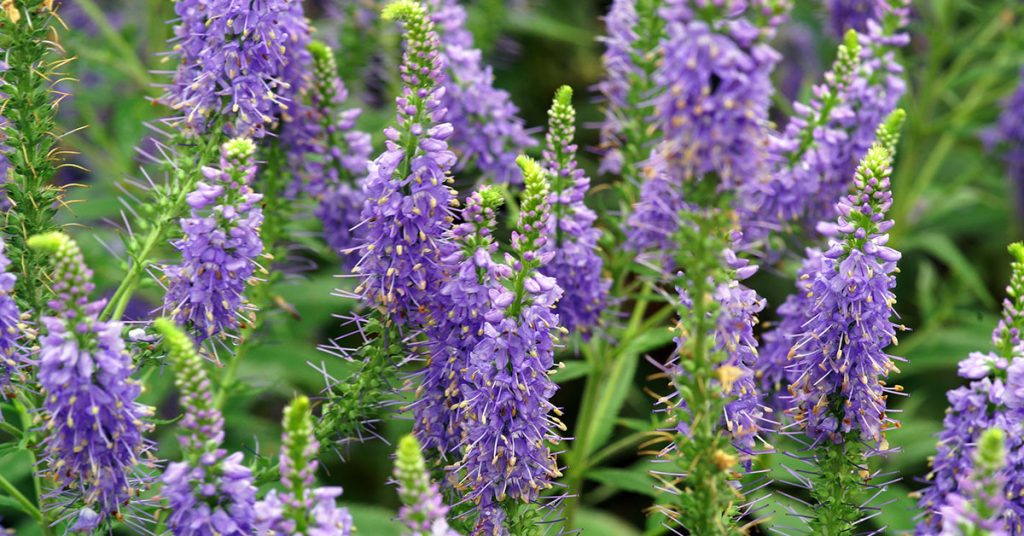
‘Royal Candles’ spike speedwell is a compact perennial from Europe that packs slender towers of violet-blue flowers. Bumblebees zip among the blooms, nesting in crevices at the pot’s edge or in nearby mulch. I love how its architectural form contrasts with mounding companions in mixed containers.
Veronica thrives in full sun and well-draining mix—too much wetness invites crown rot, so I plant in a gritty blend. A midseason trim of spent flowers encourages rebloom, and by autumn the foliage often sports a subtle reddish tint for fall interest!
Hydrangea macrophylla ‘Nikko Blue’
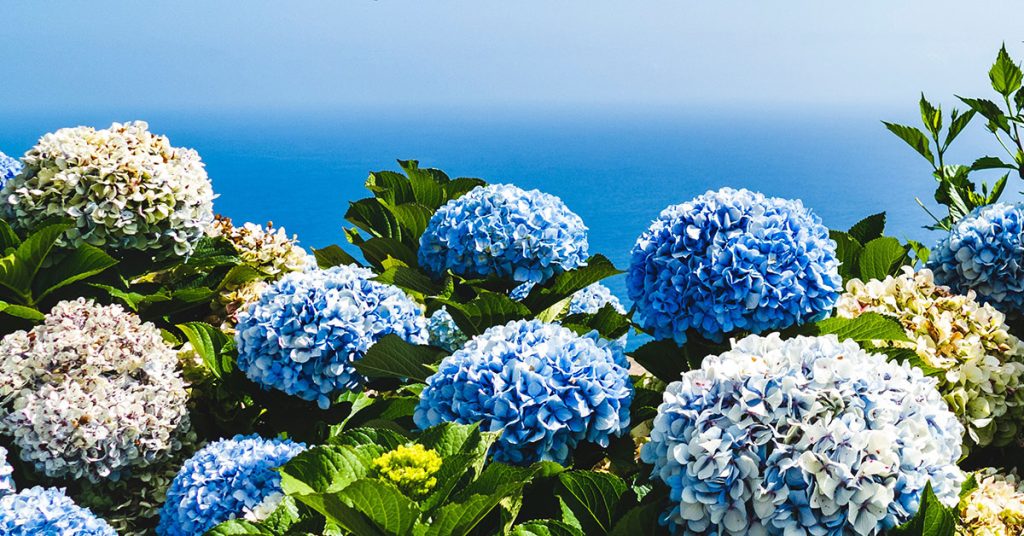
Classic mophead hydrangeas originated in Japan, where gardeners prized their massive blooms for centuries. ‘Nikko Blue’ is an iconic summer patio choice, yielding big, rounded clusters of true-blue flowers when soil pH stays on the acidic side. These shrubs aren’t invasive in containers and can produce blossoms for months!
I plant mine in a mixture of potting soil and peat to maintain acidity, and water deeply once or twice a week. As a bumblebee watcher, I especially enjoy lacecap forms—though ‘Nikko Blue’ is mophead, the sturdy stems stand up well in pots and make lovely cut arrangements!
Felicia amelloides (Blue Marguerite)
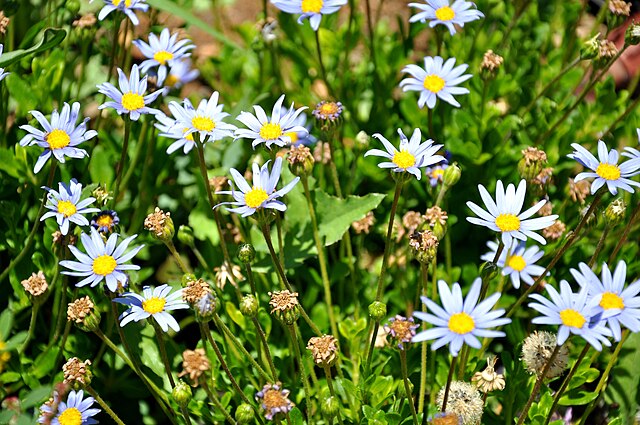
Native to South Africa, blue marguerite offers daisy-like sky-blue petals around a golden eye, blooming prolifically on low mounds. Non-invasive and sun-loving, it’s perfect for spilling over the front of a patio container. Small solitary bees and hoverflies visit frequently, sometimes nesting in the soil beneath!
Good drainage is key—Felicia sulks in heavy mix. I use a sandy loam blend and water sparingly once it’s established. If the plants look leggy late in summer, I shear them back by one-third to rejuvenate fresh blooms!
Ipomoea indica (Blue Morning Glory)
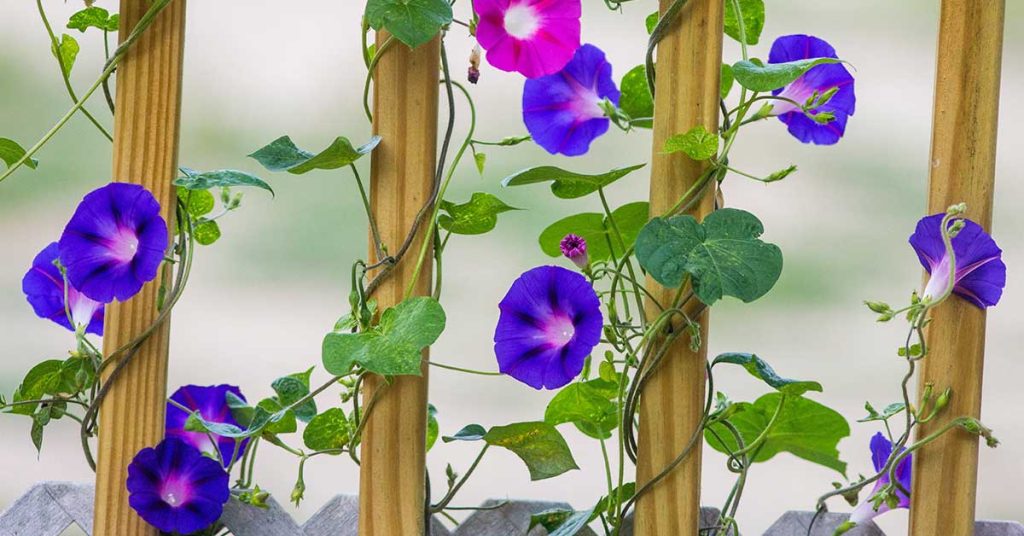
Also called seaside morning glory, this vine hails from tropical America and produces heart-shaped leaves with vibrant, indigo trumpet flowers that open each morning. It can be aggressive in the ground, but in a container it’s completely contained. Hummingbirds flock to the nectar-rich blooms, turning your trellis into a live bird show!
Morning glory thrives in full sun and minimal fuss—just provide a trellis or obelisk in your pot. I avoid overfertilizing, since too much nitrogen means lots of leaves but fewer flowers. When the blooms slow down, a mild dormancy with slightly cooler nights brings them back in full force!
Evolvulus glomeratus (Blue Daze)
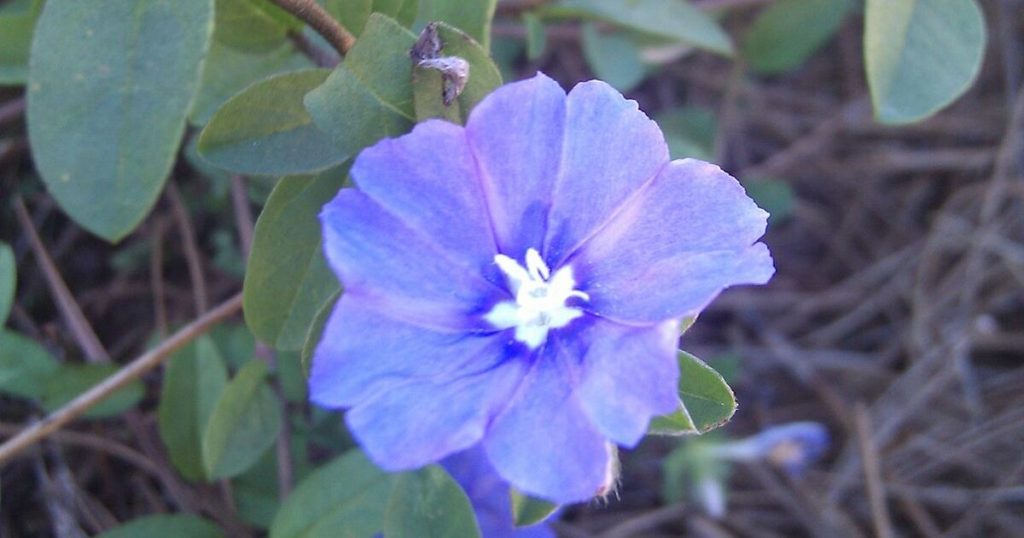
Blue daze is a sprawling subshrub from Brazil, smothered in pale-blue, five-petaled flowers all summer long. It’s blissfully non-invasive in pots and tolerates heat and drought—ideal for blazing patios. Its low, mat-forming habit also makes it a living groundcover in wide, shallow planters.
I learned that blue daze prefers well-draining, sandy soil and bright sun. Any extra feeding can lead to floppy growth, so I rely on compost at planting time and occasional light water-soluble feed. The result is a soft blanket of blue that feels like a cool ocean breeze!
Agapanthus africanus (African Lily)
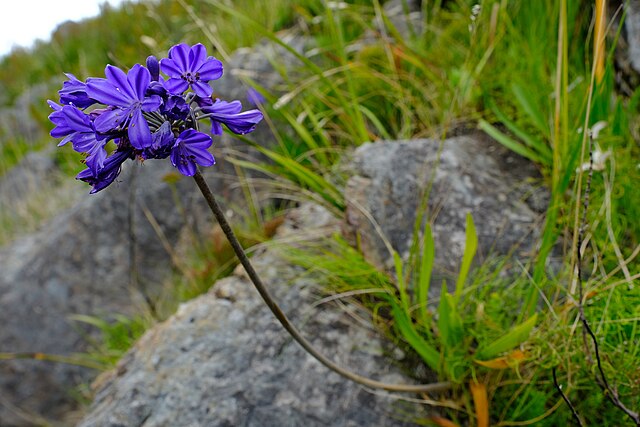
Agapanthus, native to South Africa, stands tall on strappy leaves with umbels of deep-blue, trumpet-shaped flowers. It’s a perennial that performs beautifully in large pots, non-invasive when potted, and will reflower year after year. Bumblebees adore the clustered flowers, and sometimes small wasps nest in the potting mix!
Plant in rich, well-draining soil and give bright sun. I feed with a balanced fertilizer post-bloom and cut back spent stems to encourage a tidy habit. During winter, move pots to a sheltered spot or wrap them in burlap if you’re in a cooler climate to protect the roots!
Delphinium ‘Blue Dwarf’
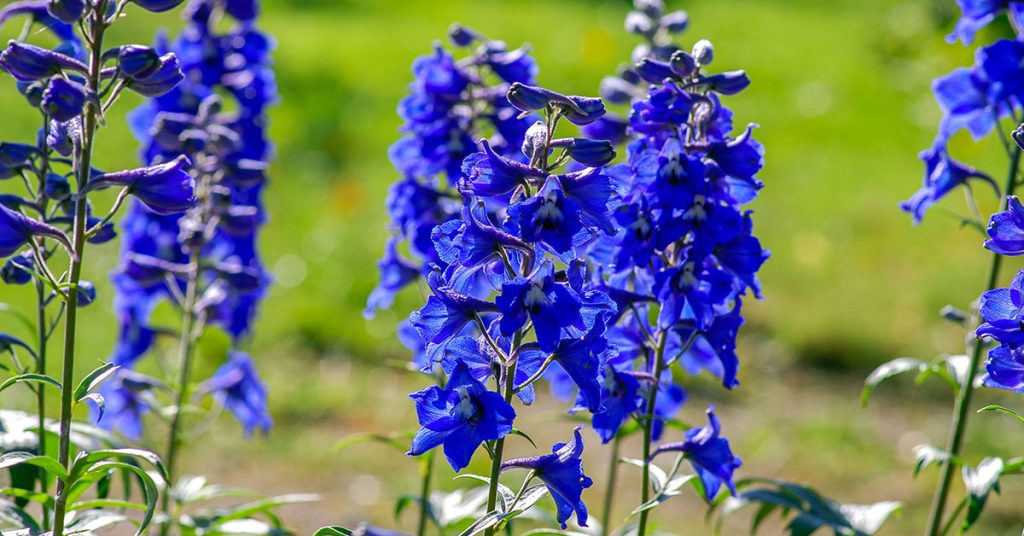
While many delphiniums can get tall, dwarf varieties (derived from Mediterranean species) provide cobalt-blue spikes in compact form—perfect for patio borders in containers. They aren’t invasive, and gardeners have grown them for centuries across Europe. The tall flower stalks are butterfly magnets, and I’ve seen small solitary bees taking refuge at the base!
Delphiniums need cool roots and ample sun for best color. I often set them on a bed of cool gravel in the pot and water deeply at intervals. After flowering, I shear spent stalks to encourage a lighter, late-summer rebloom!
Salvia farinacea (Mealycup Sage)
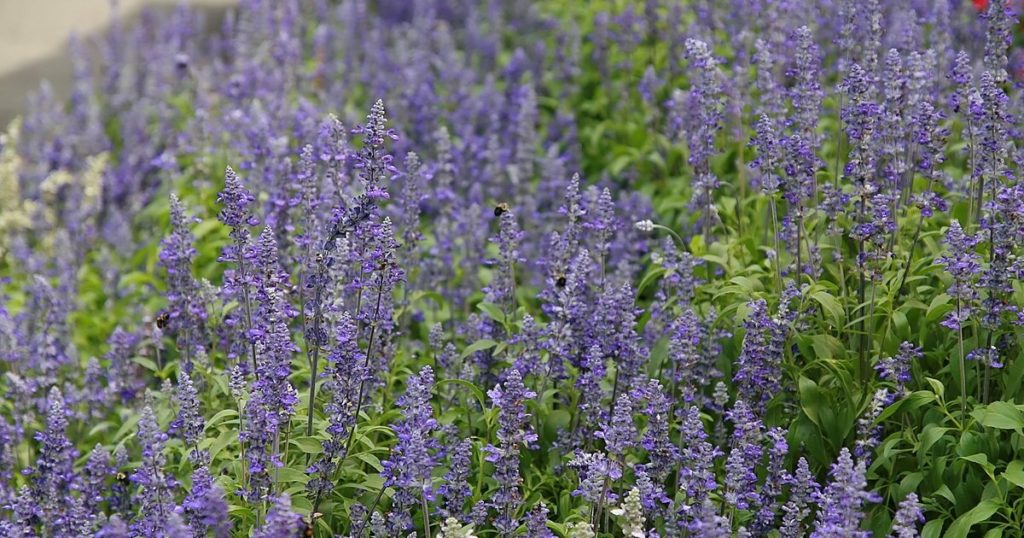
Native to Texas and Mexico, mealycup sage produces rigid wands of violet-blue flowers that stand up to heat and sun without flopping. It’s non-invasive in containers and a favorite of bees and hummingbirds, which sometimes nest in nearby patio furniture nooks!
This summer staple thrives in lean, well-draining soil—rich soils can lead to leggy growth. I deadhead regularly to maintain bloom and give it a light prune midseason. The silvery-green foliage contrasts beautifully with bold-leaved companions, making your patio pots pop!
Scaevola aemula (Fan Flower)
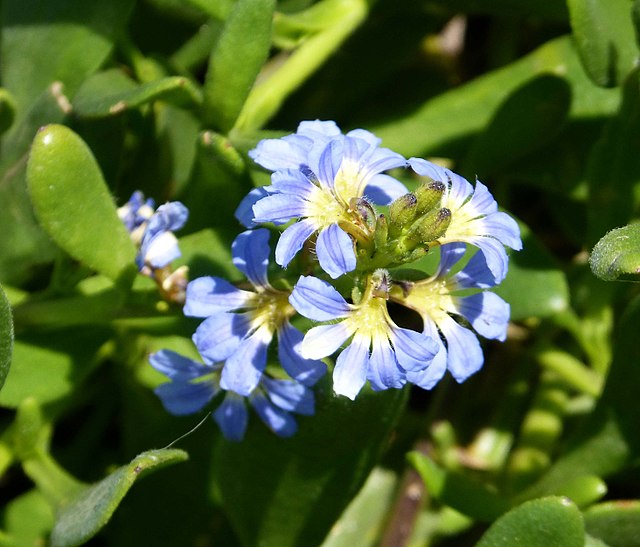
Fan flower hails from Australia and features unique, semi-circular royal-blue blooms that seem to fan out across the foliage. These low-growing plants are perfect for container edges, non-invasive, and loved by small native bees which nest in sheltered cracks nearby.
Scaevola demands excellent drainage and bright light—any soggy soil spells disaster. I mix perlite into my potting blend, water sparingly once established, and feed lightly every few weeks. The result is a dreamy, trailing carpet of blue that softens any patio edge!
Nemesia strumosa ‘Bluebird’
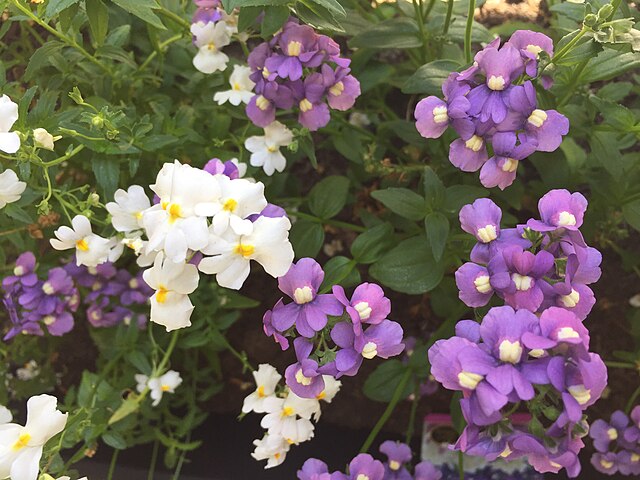
Native to South Africa, Nemesia ‘Bluebird’ dazzles with two-toned light and deep-blue blooms on bushy plants. It’s ideal for sunny to part-shade patios, non-invasive, and attracts hoverflies that help control aphids around other container plants!
I start mine in cool spring temperatures to get a head start, then transplant into pots after danger of frost. Consistent moisture keeps blooms prolific—if the soil dries out, flowers drop. With regular deadheading and a monthly feed, Nemesia rewards you with a long season of whimsical blooms!