
I’m so excited you’re looking to add a rosy pop of color to your entryway! There’s nothing more inviting than a burst of pink blooms greeting guests as they arrive. Pink flowers carry a sense of warmth and joy—whether it’s the delicate petals of impatiens or the bold clusters of bougainvillea—each plant brings its own unique personality. Plus, pink is universally flattering, harmonizing with stone, wood, or painted doors alike. I know how tricky it can be to find plants that look fabulous and thrive in varying light conditions, so I’ve rounded up fifteen of my top picks, complete with all the details you need to choose—and care for—the perfect front-door accents.
From shady porches to sun-drenched stoops, there’s a pink flower here for every spot and zone. I’ll talk about each plant’s native origins, whether it has invasive tendencies, and how it behaves—like which pollinators it attracts or if it forms cozy nesting spots for beneficial insects. As a gardener who’s celebrated both epic triumphs and face-palming failures, I empathize with the frustrations of wilting potted plants or blooms that flop before showing their best. So let’s dive in and find the pink stars that will make your front door shine all season long!
Pink Petunias
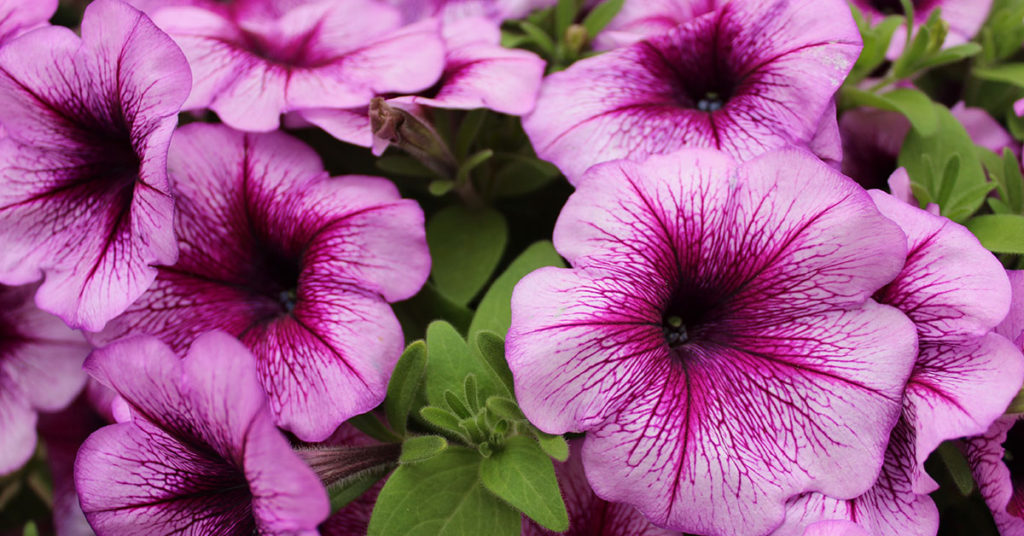
I absolutely adore petunias for their nonstop summer color and trailing habit! Native to South America, these cheerful annuals thrive in full sun and are perfect in hanging baskets or spilling over the edge of a container by your door. Their trumpet-shaped blooms come in everything from soft blush to vibrant magenta, and they open wide to welcome hummingbirds and butterflies, turning your entryway into a tiny wildlife magnet.
Care is straightforward: deadhead spent flowers regularly to keep those blossoms coming, and water consistently—petunias don’t mind a bit of heat as long as they stay moist. They’re non-invasive in most climates, but in warm regions you may find reseeding volunteers the following year. If you love a low-effort showstopper, petunias are that reliable best friend you can count on to brighten your doorstep!
Pink Begonias
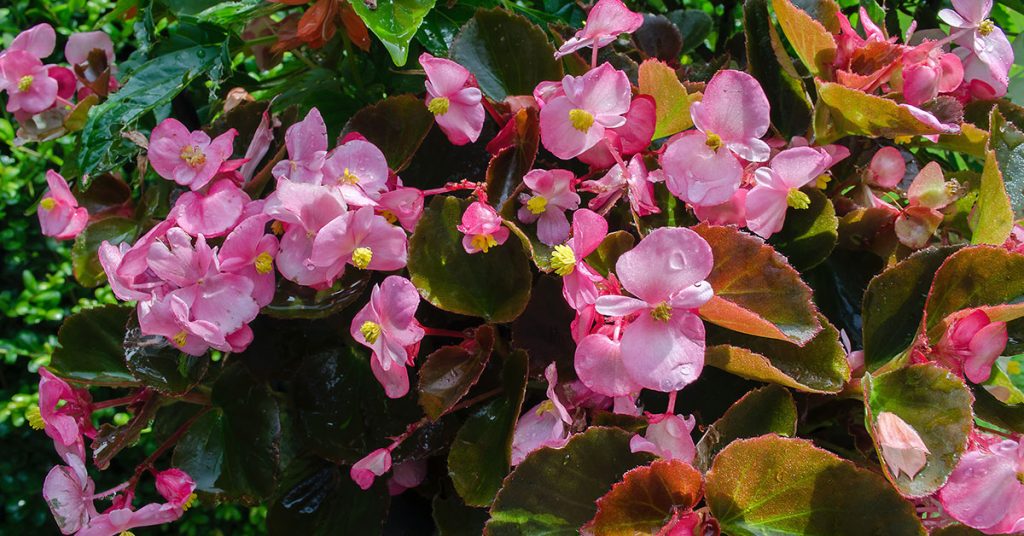
Begonias from the Semperflorens and Nonstop series are total show-offs in partial shade! Originally hailing from tropical Americas, these plants boast waxy foliage and clusters of delicate pink blooms. They handle shade better than many flowering annuals, making them perfect for north-facing porches or under overhangs where sun is scarce.
One of my favorite things about begonias is how they seem to nestle their flowers right above the leaves, creating a lush, full look in containers. They’re not at all invasive, but they dislike soggy soil—so aim for well-draining potting mix and water at the base to avoid crown rot. With minimal deadheading and monthly feeding, you’ll enjoy mounds of cotton-candy-colored petals all season!
Pink Hydrangeas
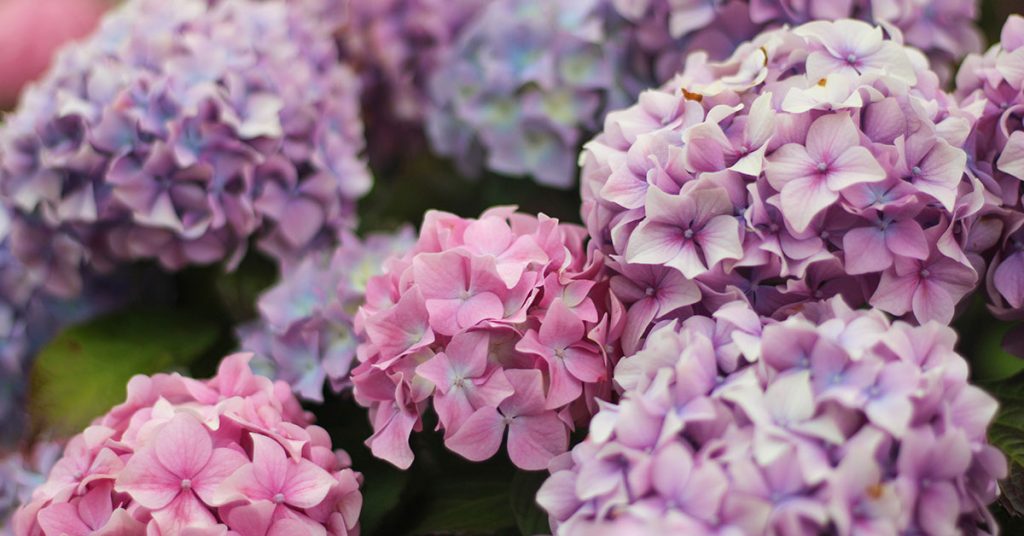
Hydrangea macrophylla, with its rounded mophead blooms, evokes old-world charm at any front entrance. Native to Japan, these shrubs flourish in moist, well-amended soil and morning sun with afternoon shade. ‘Blush Pink’ and ‘Pink Diamond’ are two stellar varieties that consistently produce large, pillow-like clusters in soft rose tones.
Hydrangeas can live for decades and never become invasive, though they do appreciate regular pruning and mulch to maintain moisture. Their sturdy stems make them excellent for cutting, so you can bring a few blooms inside for the table. Pollinators like bees adore the lacecap forms, where fertile flowers ring the showy petals—your porch can double as a tiny bee-friendly habitat!
Pink Impatiens
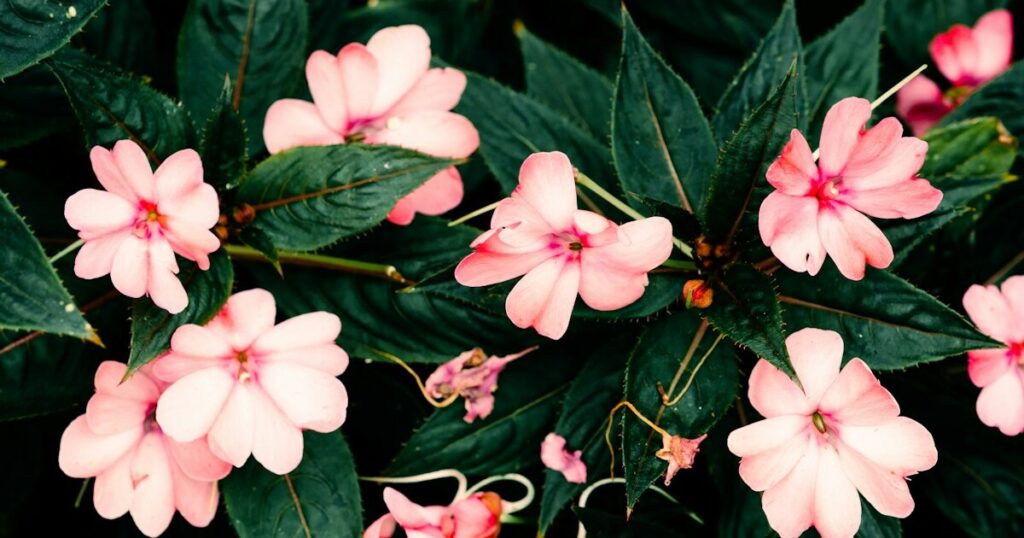
Sunpatiens® and classic bedding impatiens (Impatiens walleriana) are shade-loving wonders from East Africa. Their bright pink flowers carpet the foliage and pivot to face the sun, ensuring color from dawn till dusk. In my shady front entry, they’ve saved the day when heat-loving bloomers balked at the lack of sun!
Impatiens aren’t invasive, but they can struggle with downy mildew in humid climates—so pick resistant cultivars like SunPatiens®. Water them evenly, keeping soil moist but not waterlogged, and feed monthly with a balanced liquid fertilizer. It’s such a bummer when shade spots go bare, but impatiens fill in every nook with shimmering pink petals!
Pink Fuchsias

Fuchsias (Fuchsia × hybrida) bring an elegant, pendulous style with their two-tone, pink-and-teal blossoms. Originating from Central and South America, they thrive in part to full shade and look stunning cascading from hanging baskets by your door. Hummingbirds can’t resist weaving among their tubular flowers, making for delightful early-morning visits!
Though not invasive, fuchsias prefer cool nights and consistent moisture, so mist the foliage during heat waves. I pinch back growing tips early in the season to promote bushier plants with more flower spikes. You’ll feel proud every time you pass by—you’ve essentially created a miniature aviary buffet for hummingbirds!
Pink Miniature Roses

Who can resist miniature roses? These pint-sized charmers pack all the fragrance and form of full-size roses into a compact habit perfect for pots. Modern varieties bred from Rosa chinensis (native to Southwest China) often repeat bloom from spring through frost, showcasing clusters of soft pink blooms reminiscent of full-scale rose gardens.
Mini roses aren’t invasive, but good airflow prevents common rose diseases like black spot. I treat mine like divas: well-draining soil, consistent feeding, and deadheading spent blossoms keep them performing. When those sweet petals unfurl, you’ll feel like you’ve captured a bit of classic romance right at your doorstep!
Pink Cyclamen
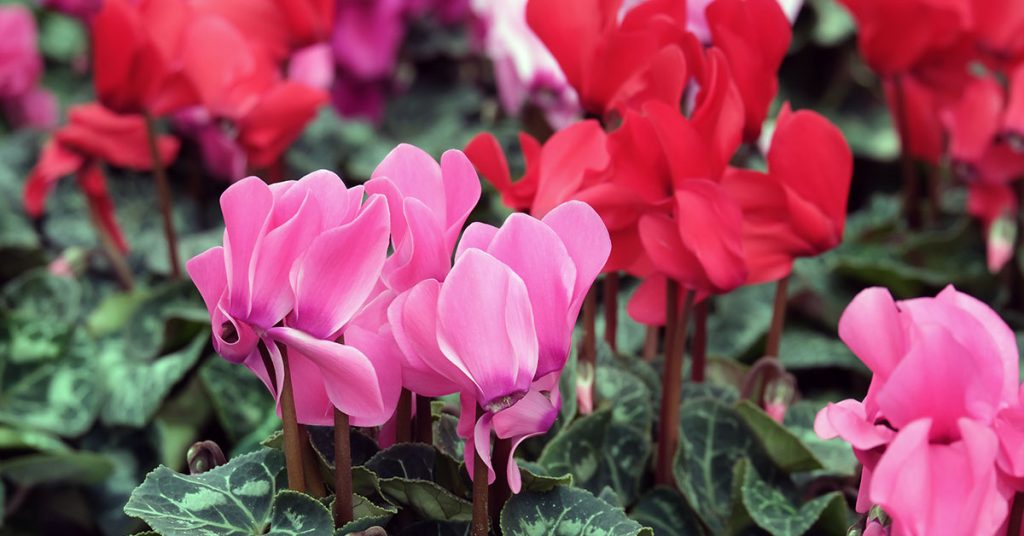
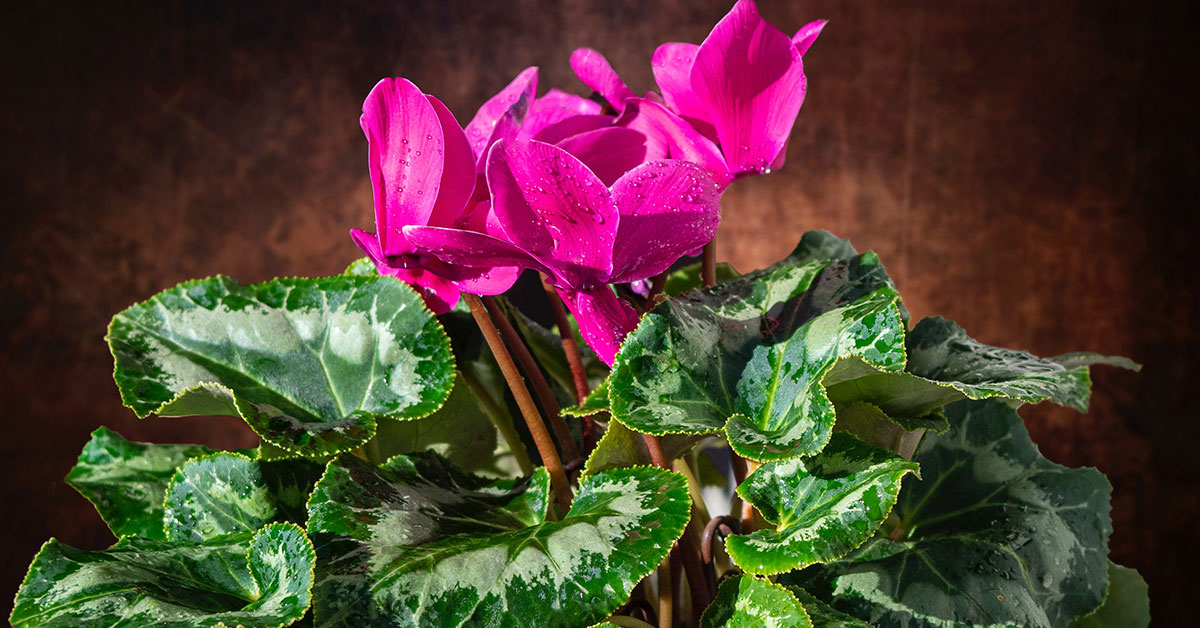
Cyclamen hederifolium and C. persicum, native to the Mediterranean basin, are true autumn and winter bloomers in mild climates. Their upturned, pink flowers dance above marbled foliage in decorative pots, extending your bloom season when most annuals are fading. They’re perfect for covered entries where frosts are light.
Cyclamens aren’t invasive but require bright, indirect light and even moisture during growth, followed by a dry rest after flowering. I tuck mine into shade-tolerant planters alongside evergreen ferns for a lush, long-lasting display. Watching those whimsical petals nod in the breeze is pure winter magic!
Pink Salvia
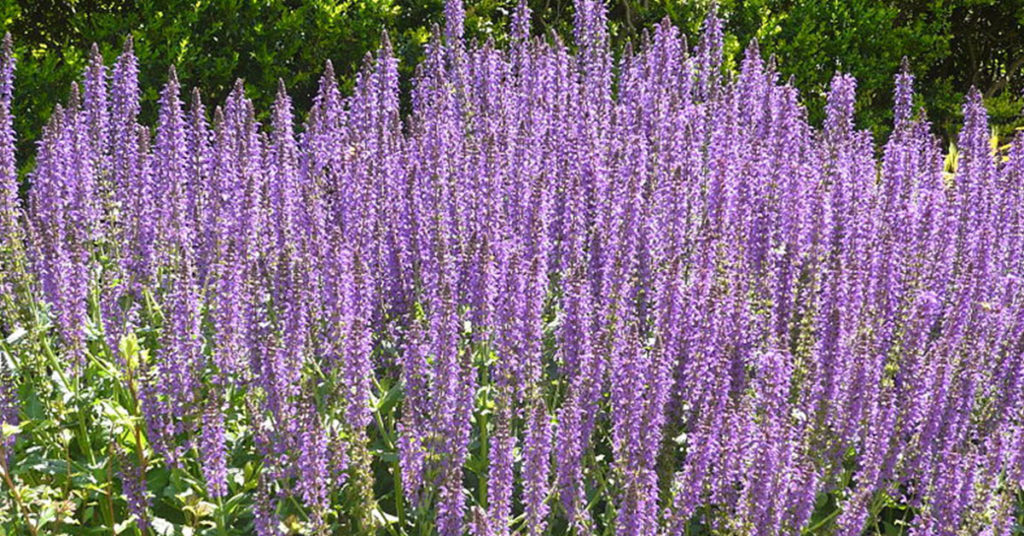
Salvia ‘Amistad Rose’ or S. ‘Pink Delight’ bring tall spires of rose-pink blooms that thrive in full sun. Native to the Americas, these perennials produce nectar-rich flowers adored by bees and butterflies. Their upright habit adds vertical interest beside your front steps, framing the entry beautifully.
Salvias are drought-tolerant once established and non-invasive, making them low-maintenance beauties. I cut back old flower stalks to encourage a second bloom flush, and in colder regions, add a winter mulch to protect the crowns. These statuesque salvia spikes give front-door containers a graceful, pollinator-friendly flourish!
Pink Bougainvillea
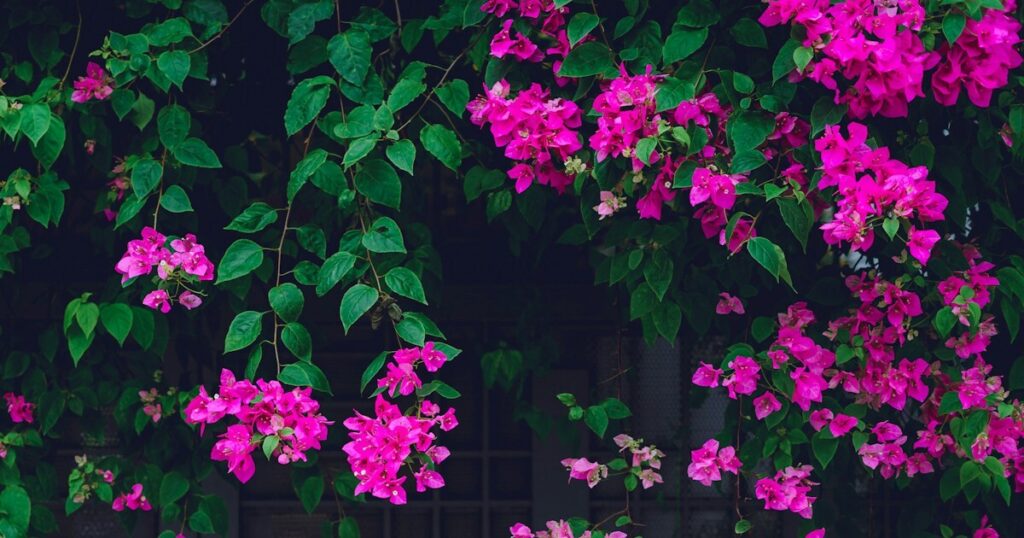
If you live in zones 9–11, bougainvillea is a show-stopping choice. Native to Brazil, its papery pink bracts form vibrant cascades when trained on a trellis or allowed to spill from a large container. The actual flowers are small and white, nestled at the center of each colorful bract—nature’s confetti!
Bougainvillea isn’t invasive in pots but can self-seed in warm climates if not contained. It loves full sun, minimal water once established, and occasional feeding for heavy blooming. Beware of thorns when pruning—those branches can hide the tiniest chickadee nests in mild areas, so watch for budding wildlife!
Pink Calibrachoa
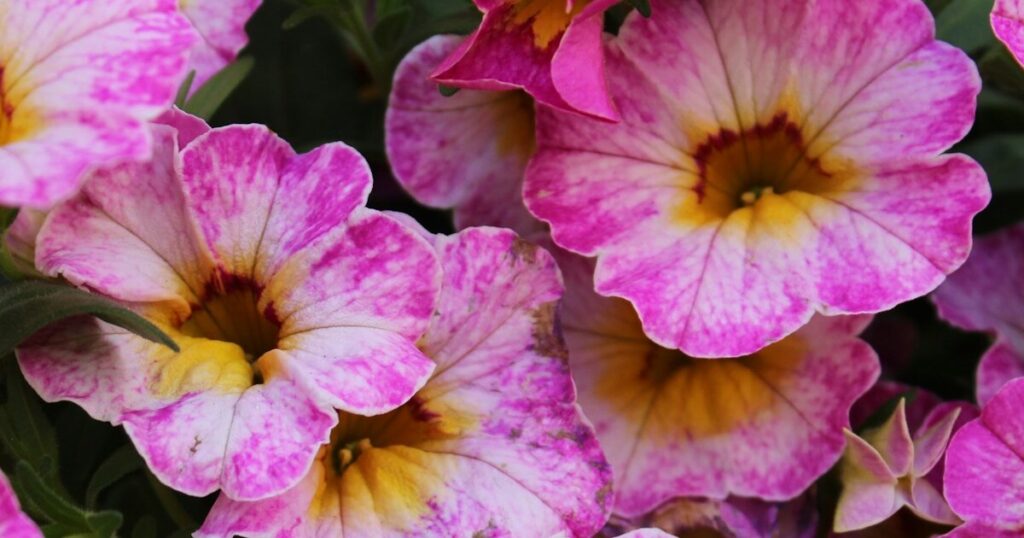
Calibrachoa, often called “million bells,” produces petite, petunia-like blooms in profusion. Many cultivars, like ‘Pink Chiffon’, form a carpet of bright pink cups perfect for spilling over hanging baskets or window boxes. Native to South America, they invite hummingbirds and butterflies for quick sips of nectar.
These plants prefer well-drained, slightly acidic soil and generous light—though they’ll tolerate partial shade with fewer blooms. Regular deadheading isn’t needed; just feed with a water-soluble fertilizer every two weeks. For sheer petal power and a soft pink waterfall effect, calibrachoa doesn’t disappoint!
Pink Kalanchoe
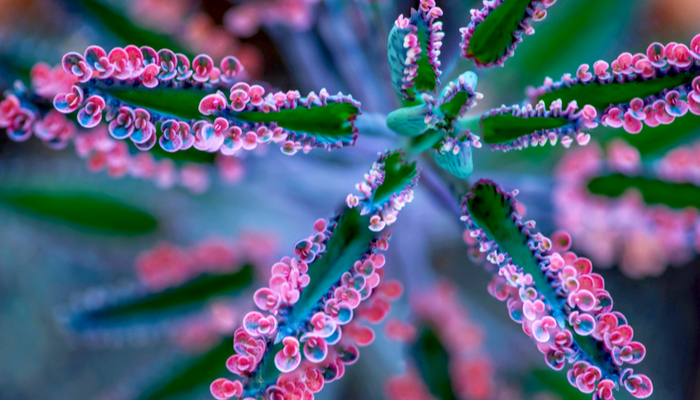
Kalanchoe blossfeldiana, a succulent from Madagascar, offers clusters of long-lasting, cup-shaped pink flowers atop fleshy green leaves. It’s ideal for a sunny spot on your front porch where it can soak up bright light but stay sheltered from frost. Plus, its drought tolerance means you can go on vacation without worrying!
Kalanchoe isn’t invasive—its seeds rarely escape contained pots—but it does need a rest period after bloom. I cut back flower stalks in late summer and give it bright light with minimal water to encourage another flowering cycle. When those glossy petals appear, you’ll be wowed by how long they last!
Pink Dianthus
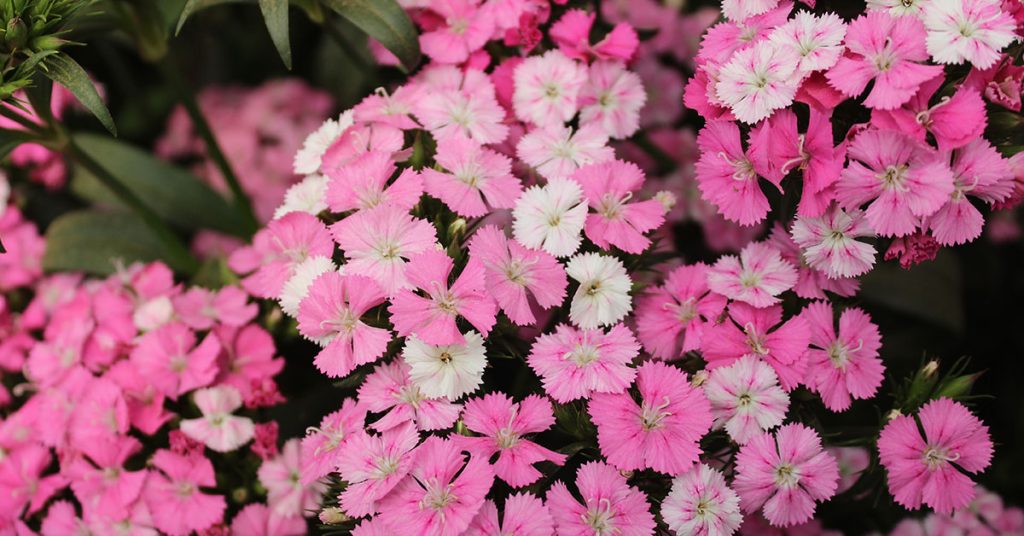
Dianthus ‘Sweet Romance’ and other carnations and pinks are classic cottage-garden favorites, native across Europe and Asia. Their frilly petals often have a darker eye at the center, adding depth to front-door planters. They thrive in full sun and well-draining soil, perfect for hot, dry spots.
Dianthus aren’t invasive but appreciate deadheading to prolong bloom. Their spicy, clove-like fragrance is a bonus when you brush past them—guests might mistake your entry for a florist’s display! I tuck them alongside evergreen foliage for year-round structure, then let the pink blooms take center stage in spring and early summer.
Pink Mandevilla

Mandevilla vines, native to tropical Americas, produce trumpet-shaped pink flowers that climb or trail—ideal for framing a doorway or entwining over a pergola. Their vivid blossoms open each morning, attracting hummingbirds and giving your entrance a lush, exotic vibe.
Mandevilla is non-invasive when grown in containers but must come indoors in colder zones. I train mine on a decorative trellis and feed monthly with a bloom-boosting fertilizer. Just imagine stepping through a rose-pink tunnel of flowers every time you come home!