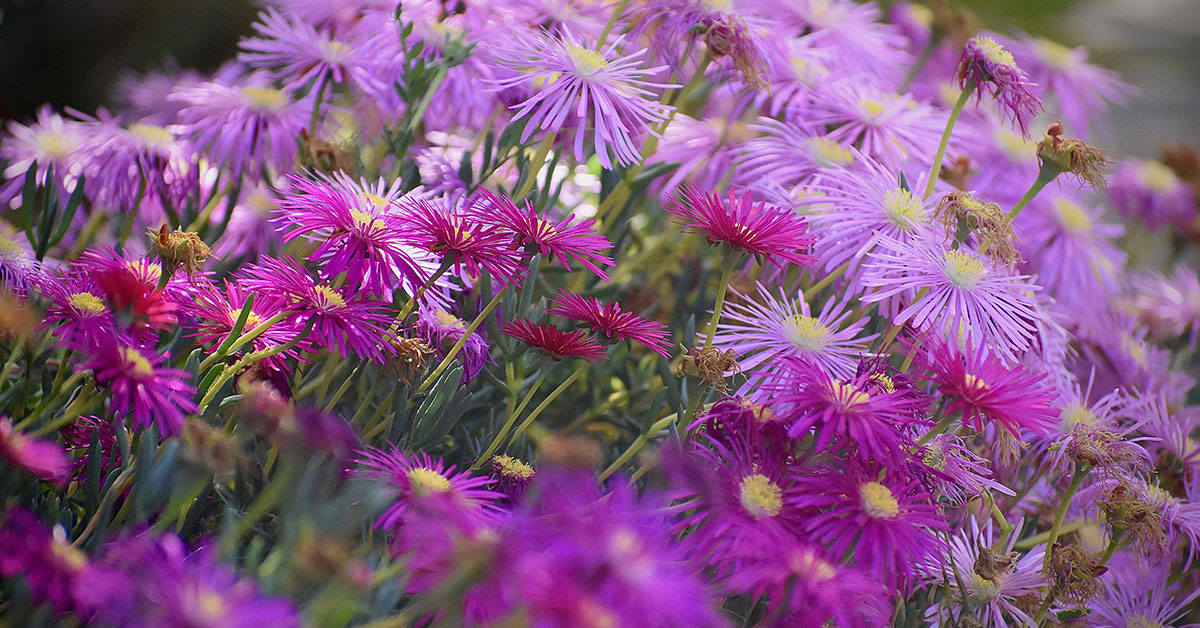

I absolutely adore asters (genus Symphyotrichum and Aster), those late-season gems native to meadows and woodlands across North America, Europe, and Asia. Their daisy-like flowers—ranging from pale lavenders to deep purples—light up the fall garden and beckon butterflies and bees preparing winter nests. Yet, even these hearty perennials can sulk if they lack the right care. It’s such a bummer when your asters put on a spindly show instead of a riot of clustered blooms!
Whether you’re aiming for towering New England asters or low-mounding Michaelmas types, these eleven tips will guide you to lush, bloom-packed clusters. I know how frustrating it is to water faithfully, mulch diligently, and still end up with a handful of flowers! Let’s dive in—complete with soil secrets, division wisdom, pest-management pointers, and a sprinkling of my own aster-growing triumphs—to ensure your asters steal the show all autumn long.
Provide Full Sun Exposure

Asters shine brightest in at least six hours of direct sun—especially morning light that dries dew and reduces fungal risks. When I first tucked my asters into a semi-shaded border, they produced tall stems with a scant scattering of flowers. It was a lesson in light importance!
Full sun not only boosts flower count but also strengthens stems, helping clusters stand firm against autumn winds. Plus, sunny blooms warm up quickly, turning into cozy landing pads for late-season pollinators like solitary bees nesting nearby in hollow stems and grubs seeking shelter in the leaf litter.
Prepare Rich, Well-Draining Soil

Although asters tolerate average garden soils, they truly thrive in loamy, humus-rich ground that holds moisture without staying soggy. I once grew asters in heavy clay and watched them wilt midseason despite regular watering—roots were gasping for air!
Amending planting beds with aged compost or well-rotted manure improves structure, drainage, and nutrient availability. That fertile environment encourages robust root systems that anchor clusters of stems, making your asters less prone to flopping and more attractive to beneficial fungi and bacteria that aid nutrient uptake.
Choose Varieties Suited to Your Climate
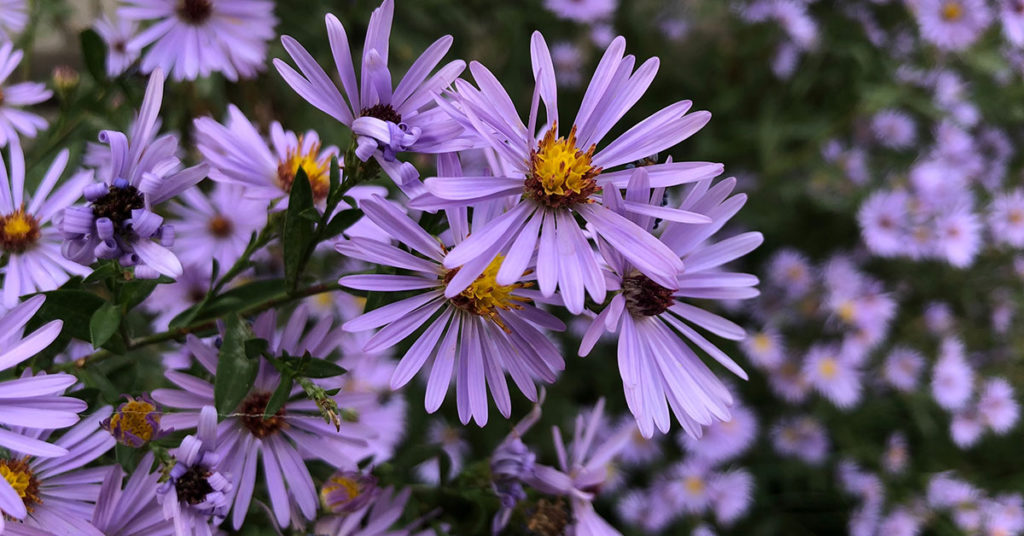
With over 180 species—plus countless hybrids—asters range from cold-tolerant natives like Symphyotrichum novae-angliae to tender Asian introductions. Planting the wrong type can mean poor bloom or frost damage. I once selected a heat-loving cultivar for my cooler zone and ended up with sad, late-blooming stems!
Check USDA hardiness ratings and chill-hour requirements before purchasing. Cold-hardy New England and Smooth asters reliably rebloom even after light frosts, while compact Michaelmas types work beautifully in containers. Matching plant to place is the first step to those unforgettable clusters!
Space Plants for Showy Clusters

Crowding too tightly can invite mildew and competition, but spacing asters too far apart means each plant stands alone rather than blending into lush groupings. I discovered this when my first row had big gaps—and looked more like lonely soldiers than a federation of flowers!
Aim for about 12–18 inches between plants, depending on the variety’s mature width. This gives roots room to expand and stems room to knit together above, creating a seamless tapestry of blooms that’s irresistible to fluttering butterflies seeking nectar-rich clusters.
Water Deeply but Infrequently

Asters appreciate consistent moisture, especially during bud formation, but shallow, daily watering encourages weak roots. I used to water my asters every evening only to find them drooping by afternoon—roots were staying near the surface and baking in the sun!
Switch to a deep soak once or twice a week, letting water penetrate at least six inches down. That practice sends roots deeper, forging sturdy anchors for the weight of clusters of blossoms, and creates moist pockets ideal for ground beetles and earthworms that aerate the soil naturally.
Feed with Balanced, Low-Nitrogen Fertilizer

Too much nitrogen leads to lush foliage at the expense of flowers—and spindly stems prone to collapse. Asters need a gentle boost of phosphorus and potassium for bud set and bloom longevity. I once overfertilized and ended up with giant, floppy leaves but only a smattering of flowers!
Use a balanced 5-10-10 or a bloom-focused organic fertilizer in early spring and again at first bud. Proper feeding fortifies stems and enriches nectar production, tempting hummingbirds and native bees to linger among tight clusters instead of moving on to richer sites.
Deadhead Spent Blooms
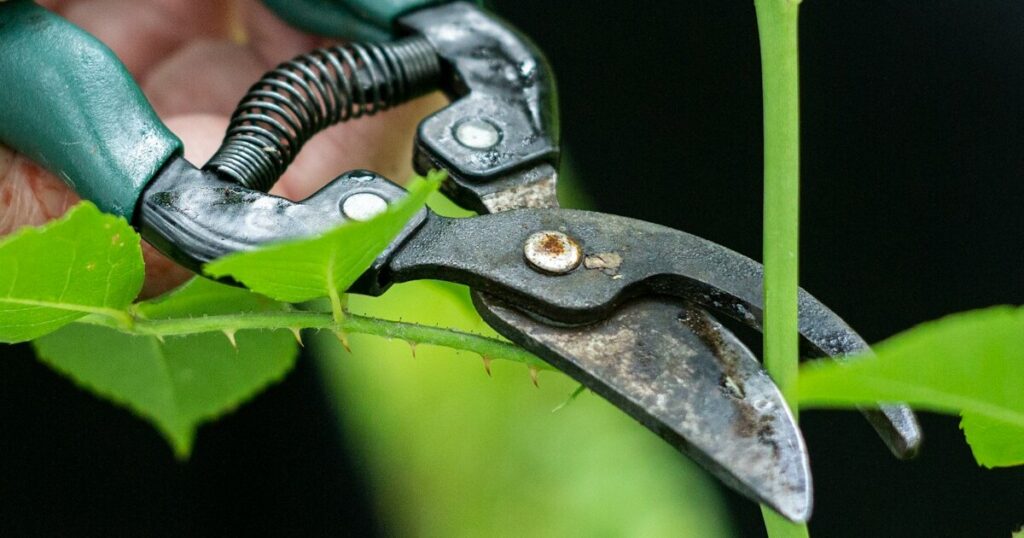
Snipping off faded flowers not only tidies the bed but also encourages your asters to produce more blooms rather than setting seed. I know how disheartening it is to see seed heads dotting what should be a sea of flowers!
Regular deadheading—about once a week—redirects the plant’s energy back into growth and bud formation. Over time, you’ll notice later clusters popping out along stems that would otherwise have stopped flowering, extending that gorgeous show well into fall’s chill.
Divide Clumps Every Two to Three Years

Asters can become woody and congested if left un-divided, often leading to interior die-back and fewer blooms in the center. I watched a once-vibrant patch hollow out in its third year until I dug it up and discovered heart-rot in the oldest sections!
Spring division revitalizes plants by renewing root vitality and controlling spread. Simply lift the clump, split it into healthy sections with sharp spades, and replant. You’ll end up with more blooming clusters in new spots—and prevent asters from escaping into wild areas where they can sometimes naturalize aggressively.
Stake or Support Tall Varieties
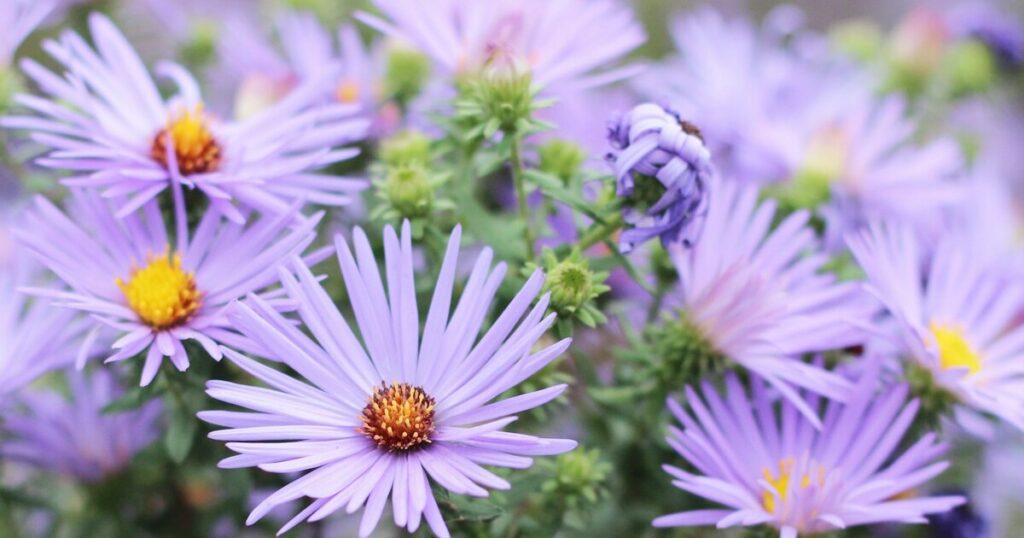
Some New England and Tall New York asters reach five feet or more—spectacular heights that can flop under rain or wind. If you’ve ever stared at toppled stems after a storm, you know the chore of propping them up again!
Use bamboo stakes or surround asters with short tomato cages to cradle the stems. Support systems let clusters form naturally without bending, creating a vertical backdrop that invites nesting goldfinches to roost on sturdy branches and perch amid the blooms.
Mulch to Suppress Weeds and Conserve Moisture
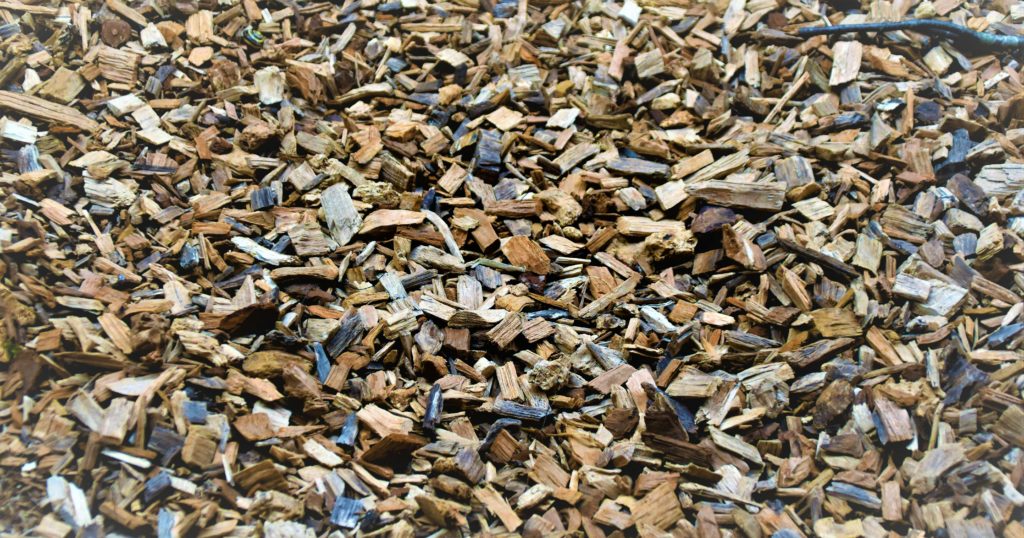
A two-inch layer of shredded bark or leaf compost keeps competing weeds at bay and maintains steady soil moisture. I once left the area bare and spent hours yanking bindweed that smothered my asters’ base!
Mulch also moderates soil temperature, protecting roots from summer heat and early-season frost heave. As it breaks down, it feeds soil life—earthworms, predatory mites, and microbes—that improve aeration and nutrient cycling for healthier clusters.
Monitor and Manage Pests and Diseases
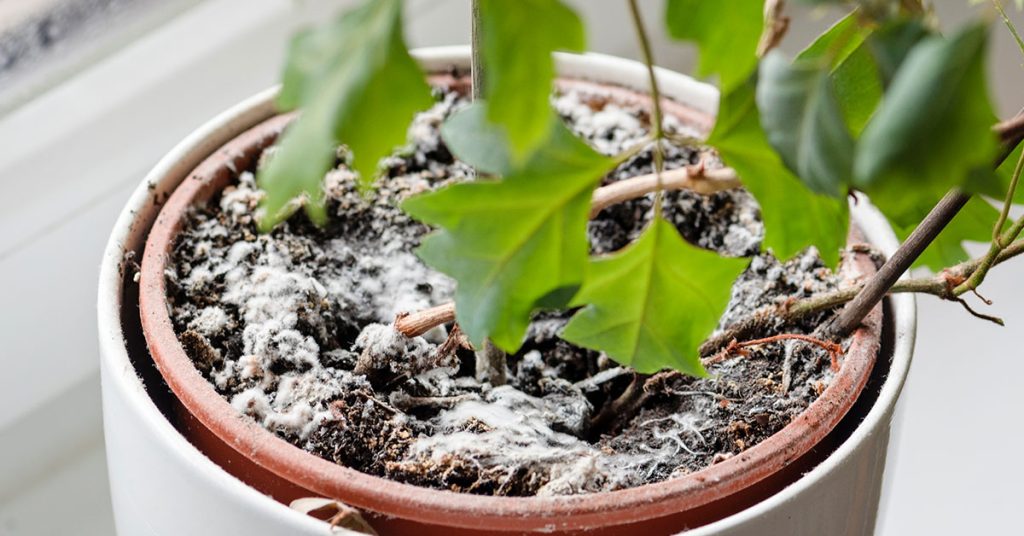
Asters can attract aphids, spider mites, and fungal foes like powdery mildew—especially in humid gardens. Ignoring the first yellow-speckled leaves is a quick path to reduced blooms and patchy clusters!
Inspect plants weekly, remove infested foliage, and promote airflow by thinning crowded stems. Introduce beneficial insects—ladybugs, lacewings, and predatory thrips—by planting companion flowers. A healthy ecosystem keeps asters focused on flowering, not on fighting off pests.