Gardening Tips

Having a garden is a key aspect of a sustainable lifestyle. When you go to the grocery store to buy produce like fruits and vegetables, as well as eggs, each of those items comes with a carbon footprint and other environmental complications. Unfortunately, a lot of industrial-level farming practices aren’t good for the environment and they aren’t sustainable either. Growing your own fruits and vegetables reduces the negative impact that industrial farming has.
We are strong proponents of living a sustainable lifestyle, both by having a garden and by making environmentally friendly choices that put you on a more sustainable path. That includes using less single-use plastic, conserving energy and water, gardening using organic methods, avoiding synthetic chemicals inside and outside of the home, driving less, living off the grid, and other sustainable efforts.

Sustainable living isn’t just good for the planet but it’s good for you too. Often times, living sustainably means simplifying your life – you get more out of life with less. Sustainable living helps avoid unnecessary consumerism, save money, save the earth, and save your sanity all along the way.

Our gardening tips will help guide you to a greener lifestyle that benefits the planet, your pocket, your community, and yourself too. If all of us did just a little bit to be more sustainable, we could have a massive positive impact and change our world.

So let’s explore these gardening tips together and work toward a greener future for our kids and grandkids.

6 min read Fruits And Vegetables

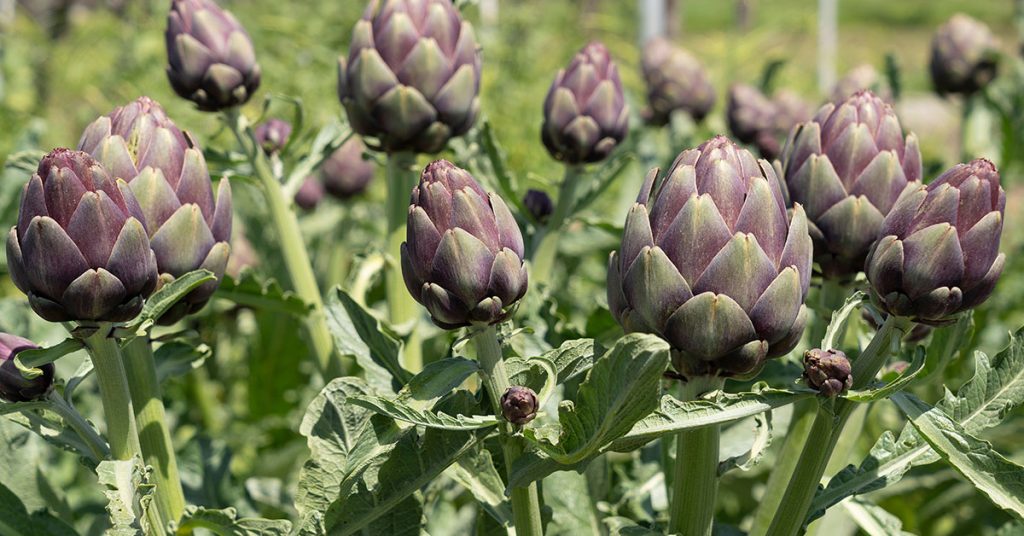
Artichokes are such a show‑stopper in the garden, with their dramatic silvery foliage and thistle‑like flower heads promising a delicious harvest! Native to the Mediterranean basin, Cynara cardunculus var. scolymus thrives in mild climates and, when managed properly, won’t overrun your beds. I know how frustrating it is to eye those promising buds only to...

5 min read Fruits And Vegetables

Asparagus is one of my favorite perennial vegetables—those tender, jade-green spears emerging in spring feel like nature’s own delicacy! Native to Europe, northern Africa, and western Asia, Asparagus officinalis has been cultivated for centuries and, when cared for responsibly, won’t overrun your beds. I know how thrilling it is to anticipate that first harvest, yet...

8 min read Fruits And Vegetables

Perennial vegetables are the unsung heroes of a low‑maintenance, eco‑friendly garden. Once established, these resilient plants return year after year, reducing soil disturbance from annual tilling and fostering rich, biodiverse habitats. I know how tempting it is to sow endless rows of tender annuals, but there’s something deeply satisfying about a garden bed that thrives...

7 min read Fruits And Vegetables

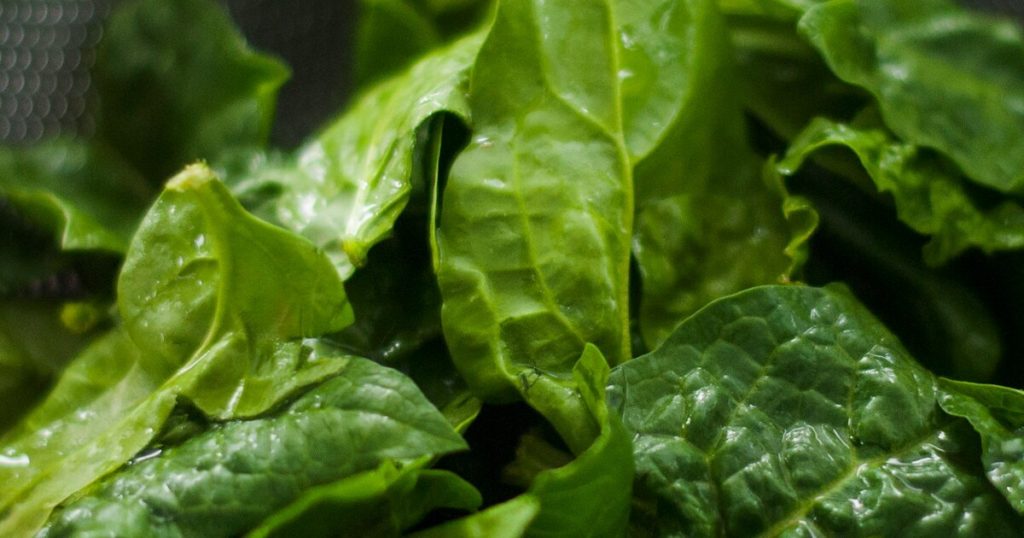
Growing spinach can be incredibly rewarding—those tender, emerald-green leaves fresh from the garden taste nothing like store-bought! Yet, it’s such a bummer when seedlings falter or mature plants bolt before you’ve barely had a chance to taste your efforts. Spinach (Spinacia oleracea) hails from central Asia and isn’t considered invasive in home gardens, but it...

7 min read Flowers And Houseplants

There’s something deeply satisfying about clipping off spent rose blooms and revealing fresh, vibrant growth beneath! Deadheading—removing faded flowers before they set seed—not only keeps your garden looking tidy but also taps into the plant’s innate drive to produce more blooms. If you’ve ever felt frustrated when your rose bush seems to peter out after...

6 min read Gardening Tips

String of pearls (Senecio rowleyanus) is one of my favorite trailing succulents—those glistening “pearls” cascading from a hanging pot are pure magic! Native to the arid regions of southwestern Africa, this whimsical plant thrives when you mimic its natural habitat: bright light, excellent drainage, and infrequent water. If you’ve ever felt the sting of soggy...

6 min read Flowers And Houseplants

Geraniums (Pelargonium spp.) are beloved for their vibrant blooms, attractive foliage, and remarkable resilience, making them a top pick for brightening up patios and outdoor living spaces. Native primarily to South Africa, these perennials have adapted to a variety of climates worldwide and seldom become invasive when grown in containers or well‑managed beds. It’s such...