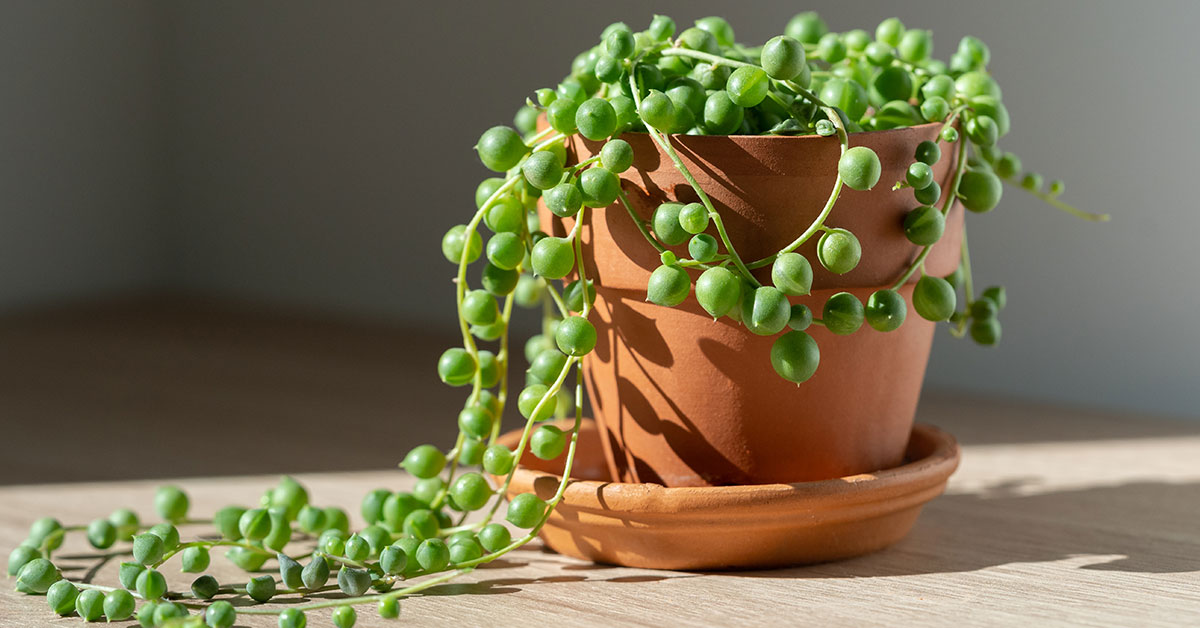

String of pearls (Senecio rowleyanus) is one of my favorite trailing succulents—those glistening “pearls” cascading from a hanging pot are pure magic! Native to the arid regions of southwestern Africa, this whimsical plant thrives when you mimic its natural habitat: bright light, excellent drainage, and infrequent water. If you’ve ever felt the sting of soggy soil or leggy, pale strands, I totally get it. But fear not—these ten tips will help you nurture a lush, healthy string of pearls that delights you and even attracts tiny pollinators when it blooms!
I know how frustrating it is to fuss over a plant only to see pearls shrivel or roots rot. String of pearls isn’t invasive in most climates, but it can suffer if you misread its needs. From the perfect soil blend to strategic pruning for fuller growth, each step matters. Ready to turn your hanging basket into a green cascade of pearls? Let’s dive into the essentials!
Repot When Necessary
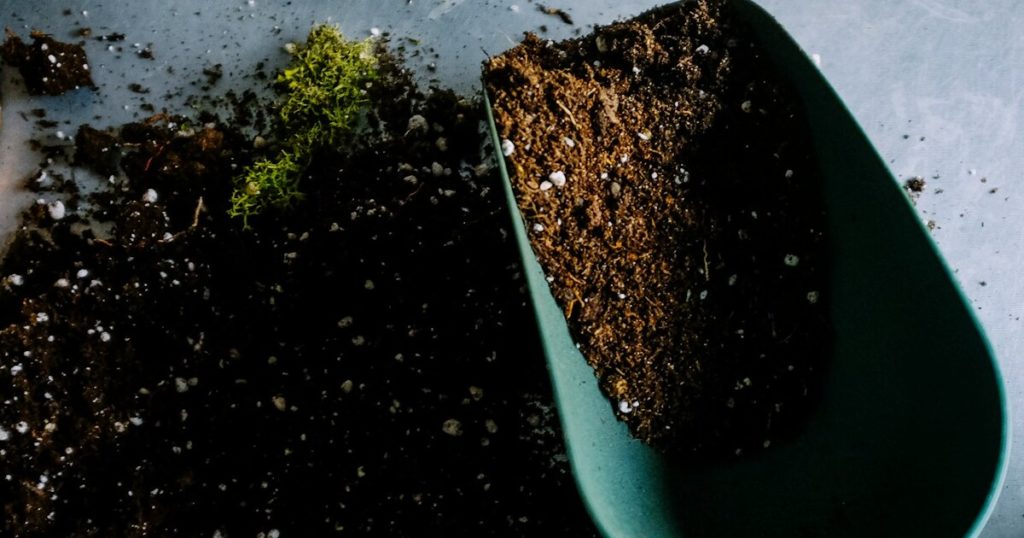
Over time, your pearls’ roots will fill the pot—leading to rushed drying and stunted growth. I usually repot every two years or when I see roots poking through drainage holes. Gently tease apart the root ball and choose a pot just one size larger; too big and excess soil retains moisture, inviting rot!
When you repot, it’s a golden opportunity to refresh the soil and inspect roots for signs of rot or pests. In their native dunes, these succulents grow in lean, sandy substrates—so think about adding coarse sand or perlite to keep conditions dusty and dry. A refreshed pot allows tiny beneficial insects to nest in the porous soil, helping aerate and enrich it naturally.
Water Sparingly and Properly
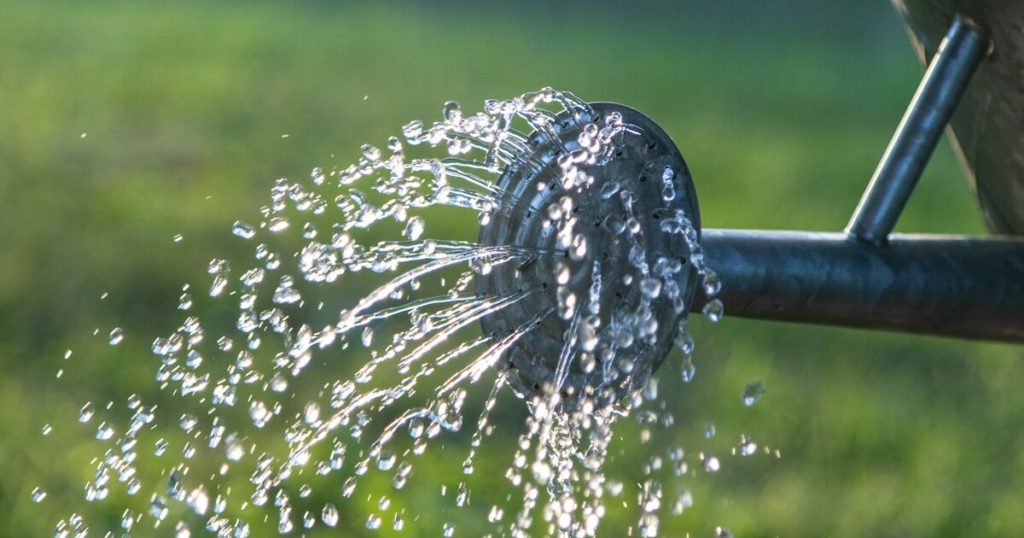
String of pearls hates “wet feet.” I’ve learned to follow the soak‑and‑dry method: water thoroughly until it drains, then wait until the soil is completely dry before the next soak. During active growth (spring and summer), that might mean every two to three weeks; in winter, once a month often suffices!
Because these pearls evolved under African sun and sparse rains, their leaves store moisture—overwatering leads to split beads and root rot. Dry soil also keeps fungus gnats at bay, preventing them from nesting in damp mix. If you see tiny flies around your pot, ease back on watering and let the top two inches of soil dry longer.
Provide Bright, Indirect Light

In the wild, string of pearls basks in bright but filtered sunlight from rocky outcrops. Indoors, I place mine near an east- or west-facing window where it catches morning or late afternoon rays. Too little light, and the strands will stretch, losing that charming pearl‑like form!
Should you spot elongated, pale beads, it’s a clear SOS for more light. However, scorching midday sun can scorch the pearls, leaving translucent patches. Proper light levels also encourage those irresistible tiny white flowers that attract hoverflies and other beneficial insects, setting up little nesting spots in your succulent display.
Monitor for Pests and Support Beneficial Insects

Though not invasive itself, string of pearls can fall prey to mealybugs and spider mites in dry indoor air. I give my plant weekly check‑ups, peeking under leaves and along stems for cottony nests or fine webbing. A quick wipe with diluted neem oil often does the trick!
When my pearls bloom, hoverflies and tiny solitary bees sometimes visit the fragrant blossoms, seeking nectar and setting up micro‑nests in the pot’s crevices. Encouraging these guests by keeping blooms intact helps control aphids and keeps the little ecosystem vibrant.
Use a Well‑Draining Potting Mix

A cactus or succulent mix forms the core of my soil recipe, but I always boost drainage with extra perlite or pumice. If your mix holds onto moisture too long, those pearls will shrivel—and not in a cute way!
In nature, Senecio rowleyanus roots snake through rocky, gritty substrates, rarely touching waterlogged earth. By recreating that environment, you protect against root rot and invite ground-dwelling beetles or springtails to nest in the tiny gaps—natural allies in decomposing old organic bits and keeping your soil lively.
Maintain Ideal Temperature

String of pearls prefers temperatures between 70–80 °F by day and no lower than 50 °F at night. I keep mine away from drafty windows in winter and avoid placing it near heating vents in summer. Sudden temperature swings can shock the plant, causing leaf drop or stalled growth.
In its native habitat, these pearls experience warm days and cool nights—a cycle that triggers robust growth. Neither invasive nor overly delicate, they’ll thrive when you mimic that rhythm, rewarding you with fuller strands and seasonal blooms.
Ensure Good Air Circulation
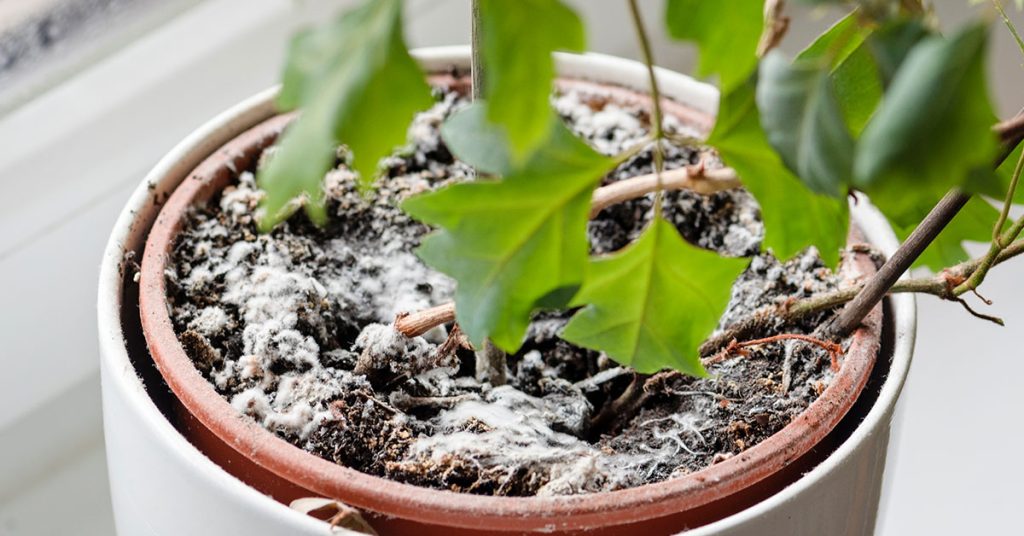
Stagnant air around a dense trail of pearls can invite mold and fungal diseases. I rotate my pot periodically and occasionally place it near a gentle fan to simulate the desert breeze it craves. This helps excess moisture evaporate and keeps the foliage fresh!
Adequate airflow also dissuades pests from settling in. Those little mealybugs and mites prefer still, humid corners—so a bit of circulation is like an invisible bouncer, making it harder for them to nest and multiply on your plant.
Feed Lightly During the Growing Season

Though string of pearls is frugal, a diluted cactus fertilizer once a month in spring and summer gives a gentle boost. I mix at half strength to avoid salt buildup and flush the soil with water occasionally to prevent residue that could burn roots.
These succulents evolved in nutrient‑poor soils, so overfertilizing can be more harmful than helpful. A light feed encourages denser pearl formation and more frequent blooms—perfect for attracting those little hoverfly helpers to your indoor garden party.
Manage Humidity Levels
String of pearls prefers low to moderate humidity—too much and leaf rot knocks on the door. In humid climates, I position mine where air moves and avoid grouping it with tropical, moisture-loving plants. You want a dry microclimate, just like its African home!
If your home is very dry, occasional misting around (not on) the pearls can benefit nearby moisture‑loving companions without sogging your succulent. The balance helps maintain a healthy indoor ecosystem where beneficial insects feel comfortable nesting nearby, yet rot‑causing fungi stay away.
Prune and Propagate for Fuller Growth

To keep your pearls lush, I trim leggy strands back to just above a node, then tuck the clipped sections into fresh soil for propagation. Not only does this create a busier look in the original pot, but you’ll also end up with new plants to share!
Pruning also encourages branching—those missing links allow the plant to focus energy on side shoots, resulting in a denser cascade. Plus, you’re removing any old or damaged beads, reducing places where pests might hide or nest, and giving the healthy pearls room to shine.