Gardening Tips

Having a garden is a key aspect of a sustainable lifestyle. When you go to the grocery store to buy produce like fruits and vegetables, as well as eggs, each of those items comes with a carbon footprint and other environmental complications. Unfortunately, a lot of industrial-level farming practices aren’t good for the environment and they aren’t sustainable either. Growing your own fruits and vegetables reduces the negative impact that industrial farming has.
We are strong proponents of living a sustainable lifestyle, both by having a garden and by making environmentally friendly choices that put you on a more sustainable path. That includes using less single-use plastic, conserving energy and water, gardening using organic methods, avoiding synthetic chemicals inside and outside of the home, driving less, living off the grid, and other sustainable efforts.

Sustainable living isn’t just good for the planet but it’s good for you too. Often times, living sustainably means simplifying your life – you get more out of life with less. Sustainable living helps avoid unnecessary consumerism, save money, save the earth, and save your sanity all along the way.

Our gardening tips will help guide you to a greener lifestyle that benefits the planet, your pocket, your community, and yourself too. If all of us did just a little bit to be more sustainable, we could have a massive positive impact and change our world.

So let’s explore these gardening tips together and work toward a greener future for our kids and grandkids.

6 min read Gardening Tips

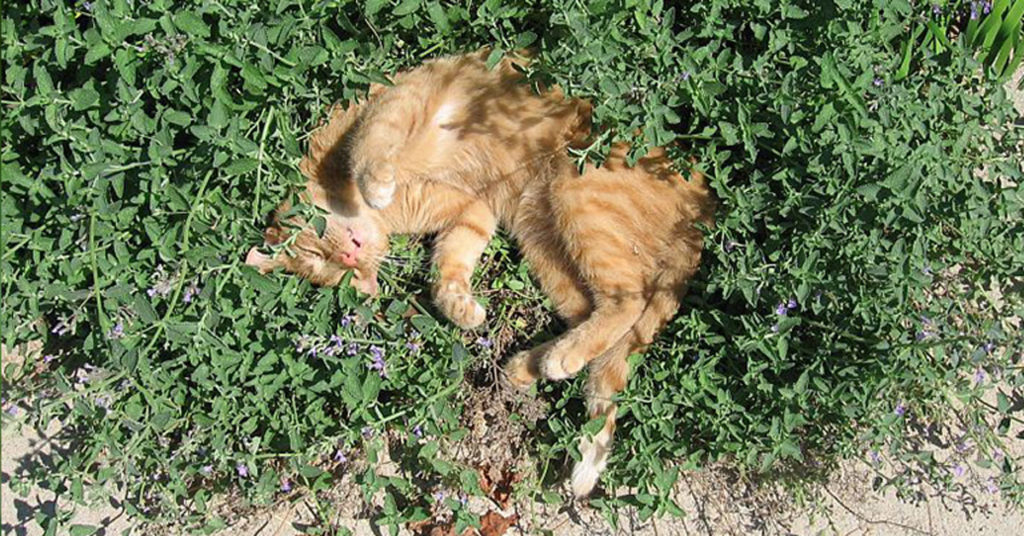
Creating a garden that’s safe for your furry pals doesn’t mean sacrificing color or fragrance—it’s about choosing plants that welcome curious noses and wandering paws without toxic risks. I know how worrying it can be when your dog bounds through a border or your cat tiptoes amid flowers, and you pause, heart in throat, hoping...

5 min read Gardening Tips

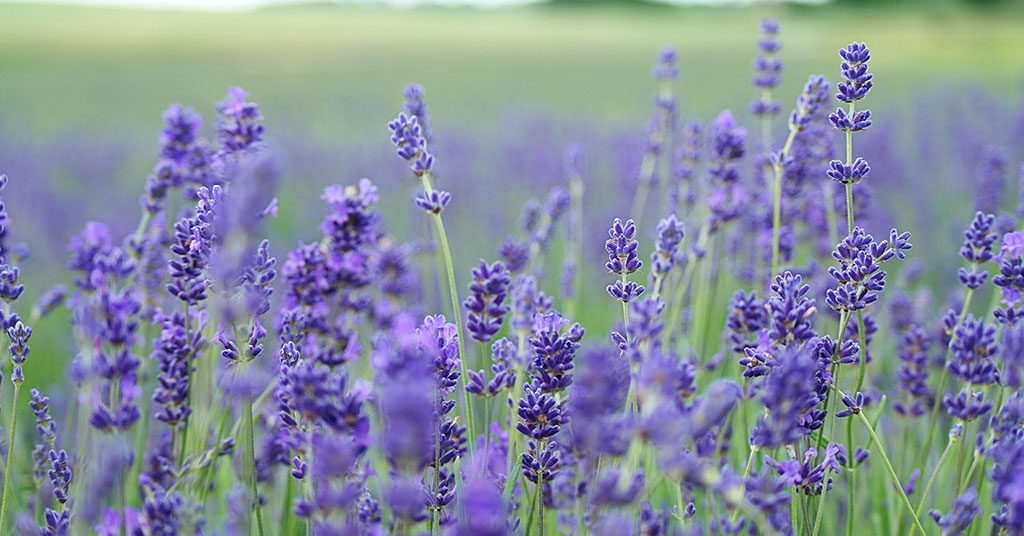
Lavender (Lavandula angustifolia) and rosemary (Rosmarinus officinalis) both originate from the sun‑baked hills of the Mediterranean, where they’ve thrived in rocky, drought‑prone soils for centuries. Neither is typically invasive when grown in containers or managed beds, but lavender benefits from good drainage while rosemary relishes slightly moister conditions. Placing them together by your front door...

7 min read Gardening Tips

Borage (Borago officinalis) and lavender (Lavandula angustifolia) both hail from the sun‑baked hills of the Mediterranean, where they’ve coexisted in fragrant harmony for centuries. Borage’s sky‑blue starflowers and fuzzy leaves attract an army of pollinators, while lavender’s silvery foliage and purple blooms perfume the air. Neither tends toward true invasiveness in a well‑managed garden, but...

6 min read Gardening Tips

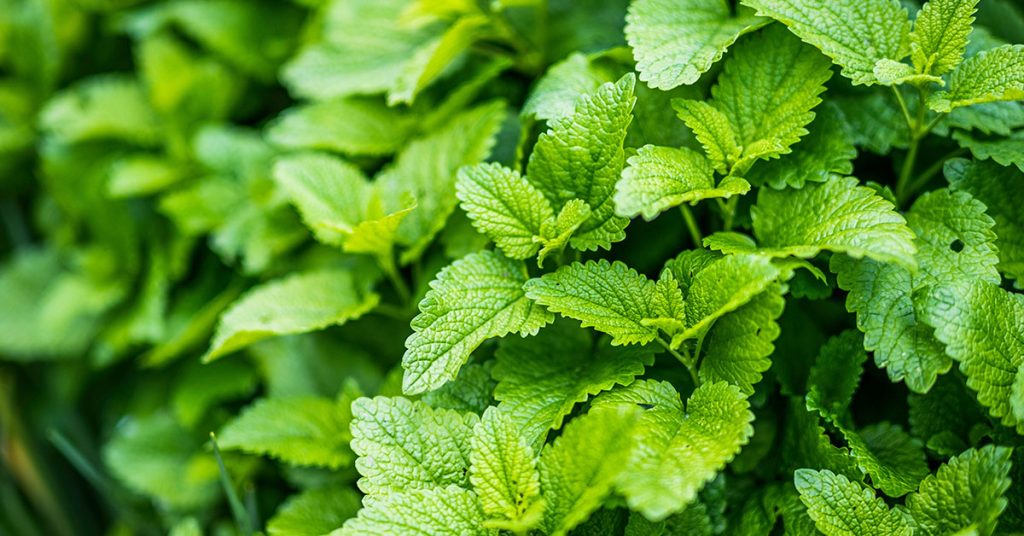
Welcome to the world of lemon balm (Melissa officinalis), a delightful mint family member native to the Mediterranean and western Asia. This cheerful herb has bright green, heart‑shaped leaves that perfume the air with a soft lemony zing—perfect for greeting guests as they approach your home. It’s not considered truly invasive in most gardens, but...

5 min read Fruits And Vegetables

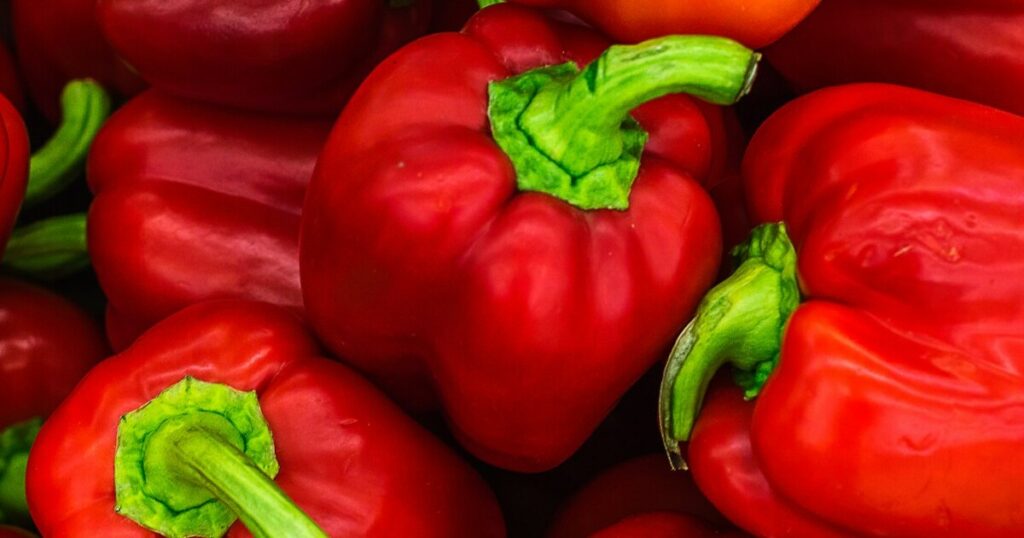
Bell peppers (Capsicum annuum) boast a rich heritage dating back to the tropical and subtropical regions of Central and South America. Over centuries, they’ve traveled the globe, adapting to varied climates without threatening ecosystems—thankfully, their cultivation hasn’t tipped into invasiveness. One of my favorite things about pepper flowers is how they draw in tiny sweat...