Gardening Tips

Having a garden is a key aspect of a sustainable lifestyle. When you go to the grocery store to buy produce like fruits and vegetables, as well as eggs, each of those items comes with a carbon footprint and other environmental complications. Unfortunately, a lot of industrial-level farming practices aren’t good for the environment and they aren’t sustainable either. Growing your own fruits and vegetables reduces the negative impact that industrial farming has.
We are strong proponents of living a sustainable lifestyle, both by having a garden and by making environmentally friendly choices that put you on a more sustainable path. That includes using less single-use plastic, conserving energy and water, gardening using organic methods, avoiding synthetic chemicals inside and outside of the home, driving less, living off the grid, and other sustainable efforts.

Sustainable living isn’t just good for the planet but it’s good for you too. Often times, living sustainably means simplifying your life – you get more out of life with less. Sustainable living helps avoid unnecessary consumerism, save money, save the earth, and save your sanity all along the way.

Our gardening tips will help guide you to a greener lifestyle that benefits the planet, your pocket, your community, and yourself too. If all of us did just a little bit to be more sustainable, we could have a massive positive impact and change our world.

So let’s explore these gardening tips together and work toward a greener future for our kids and grandkids.


7 min read Fruits And Vegetables

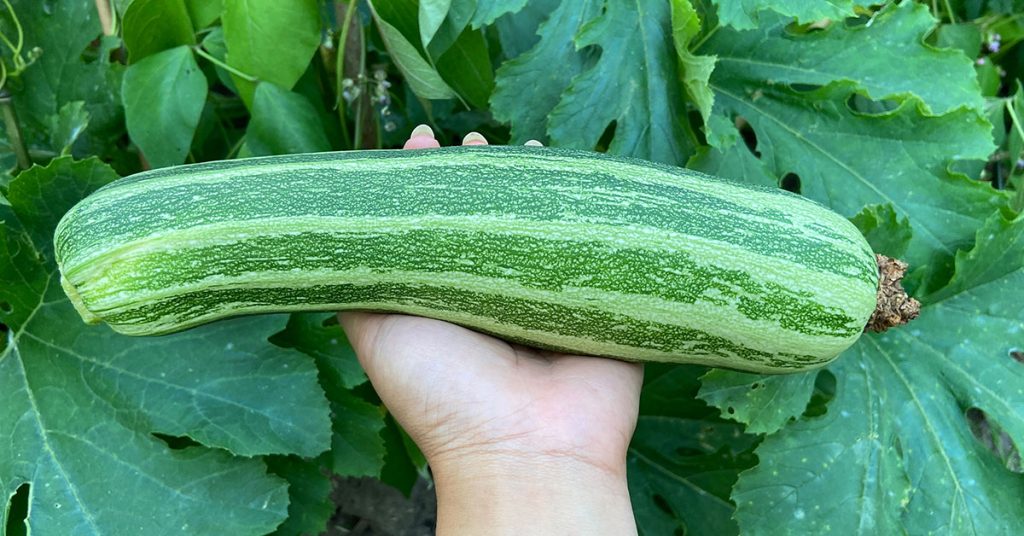
Late summer is the crescendo of the gardening season, when the warm days coax lush growth and vibrant fruit—but it’s also when timing and technique matter most. I know how heartbreaking it can be to walk out at dawn only to find overripe tomatoes split on the vine or zucchini that’s ballooned beyond tender. With...

6 min read Flowers And Houseplants

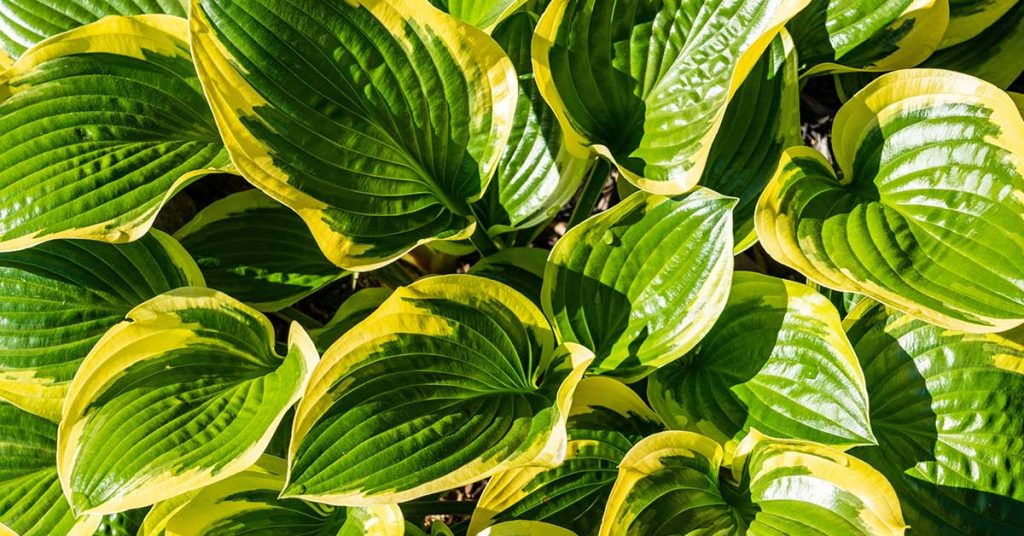
Hostas are the unsung heroes of the shade garden, offering lush foliage and delightful textures that transform dark corners into verdant retreats. Native to the woodlands of East Asia—particularly Japan, Korea, and parts of China—these hardy perennials thrive under tree canopies and along north‑facing borders. It’s such a bummer when your hostas emerge pale or...

5 min read Gardening Tips

Watching young seedlings emerge in the spring is one of the greatest joys of gardening—until you spot telltale signs of slimy invaders. Native to Europe but now widespread (and invasive) in many regions, slugs feed on a wide variety of plants, from tender basil (Ocimum basilicum, native to India) to ornamental hostas (native to northeast...

8 min read Fruits And Vegetables

August is peak tomato season, and there’s nothing like strolling into the garden at dawn to find clusters of ripe, sun‑warmed fruits bursting with flavor. Tomatoes (Solanum lycopersicum) hail from western South America, where their wild relatives still thrive in Andean foothills. Cultivated varieties have spread around the globe, sometimes escaping into waste places—but that...

6 min read Flowers And Houseplants

There’s nothing quite as disheartening as stepping into your vibrant flower bed only to find nibbled foliage and flattened blooms where your beloved daylilies once stood proud. Native to parts of Asia, daylilies (Hemerocallis spp.) have become staples in gardens worldwide thanks to their hardiness and dazzling flowers—but their lush growth and succulent shoots can...

6 min read Fruits And Vegetables

Planning your cucumber harvest timing can make all the difference between crisp, refreshing slices and disappointingly tough, bitter monsters! Native to South Asia, cucumbers (Cucumis sativus) have been delighting gardeners for millennia with their cool, hydrating flesh, but letting them grow beyond peak size often leads to a less-than-stellar eating experience. It’s such a bummer...