Aromatherapy harnesses the natural fragrances of herbs to uplift the spirit, soothe the mind, and create an inviting atmosphere in your home or garden. It’s such a bummer when store‑bought oils fall flat, missing the nuance and freshness that only homegrown plants can provide! Growing your own aromatherapy herbs means you control the quality, harvest...
Gardening Tips
Having a garden is a key aspect of a sustainable lifestyle. When you go to the grocery store to buy produce like fruits and vegetables, as well as eggs, each of those items comes with a carbon footprint and other environmental complications. Unfortunately, a lot of industrial-level farming practices aren’t good for the environment and they aren’t sustainable either. Growing your own fruits and vegetables reduces the negative impact that industrial farming has.
We are strong proponents of living a sustainable lifestyle, both by having a garden and by making environmentally friendly choices that put you on a more sustainable path. That includes using less single-use plastic, conserving energy and water, gardening using organic methods, avoiding synthetic chemicals inside and outside of the home, driving less, living off the grid, and other sustainable efforts.
Sustainable living isn’t just good for the planet but it’s good for you too. Often times, living sustainably means simplifying your life – you get more out of life with less. Sustainable living helps avoid unnecessary consumerism, save money, save the earth, and save your sanity all along the way.
Our gardening tips will help guide you to a greener lifestyle that benefits the planet, your pocket, your community, and yourself too. If all of us did just a little bit to be more sustainable, we could have a massive positive impact and change our world.
So let’s explore these gardening tips together and work toward a greener future for our kids and grandkids.
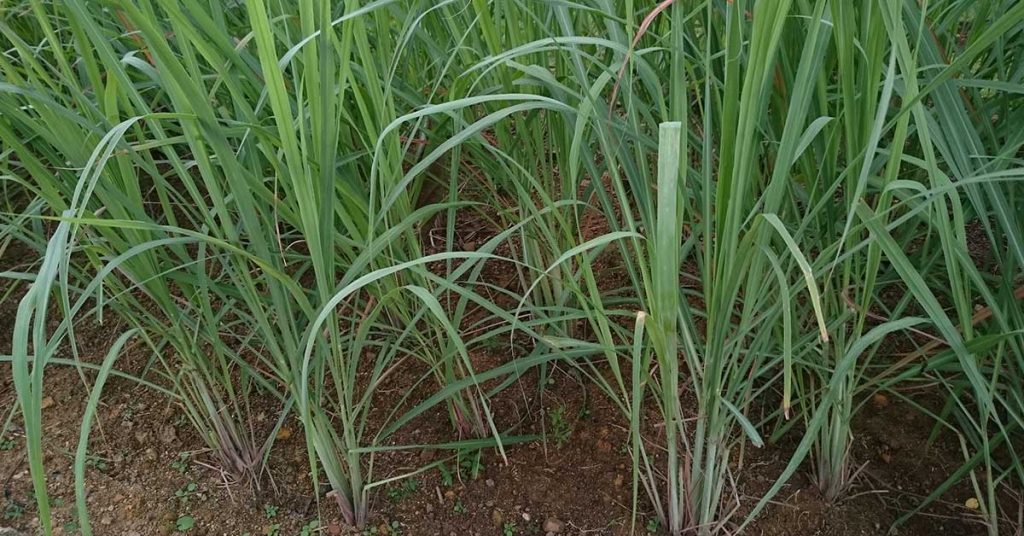
Citronella grass (Cymbopogon nardus and Cymbopogon winterianus) is a must-have for gardeners seeking a fragrant, pest‑deterring champion on their patios and borders. Native to the tropical regions of Southeast Asia—particularly Sri Lanka, Indonesia, and Malaysia—this perennial grass thrives in warm, humid environments and offers a lush, architectural presence. I know how frustrating it can be...
Finding solace in the garden can be a balm for the soul when life feels heavy, and certain flowers do more than just brighten a space—they lift the mood with their color, scent, and the gentle rhythms of their growth. It’s such a bummer when worries crowd your mind and you can’t find a moment...
Coneflowers (Echinacea spp.) are more than just vibrant additions to a flower border—they’re powerhouse allies when interplanted among your vegetables. Native to the prairies of North America, these rugged perennials have evolved to thrive in sunny, well-drained soils, making them perfectly compatible with many edibles. It can be such a bummer when your tomato blossoms...
Jasmine (Jasminum spp.) is a beloved garden treasure, instantly transforming any entrance into a fragrant haven. Native to tropical and subtropical regions of Asia, Africa, and Australia, these twining shrubs and vines have captivated gardeners for centuries. Yet, it’s such a bummer when you plant one and never see it bloom—trust me, I’ve been there!...
Lemongrass (Cymbopogon citratus) is a versatile, aromatic grass that instantly adds a touch of tropical flair to any entrance. Native to Southeast Asia, it brings a refreshing citrusy scent that greets guests with a burst of freshness. I know how frustrating it is when your front porch feels dull or uninviting—lemon grass transforms that space...
Summer is in full swing, and July brings long, warm days that your garden craves—but it can be such a bummer when the heat saps your soil or pests move in! Whether you’re battling scorching sun, thirsty plants, or hungry insects, these twelve essentials will set you up for a thriving late-season display. I know...
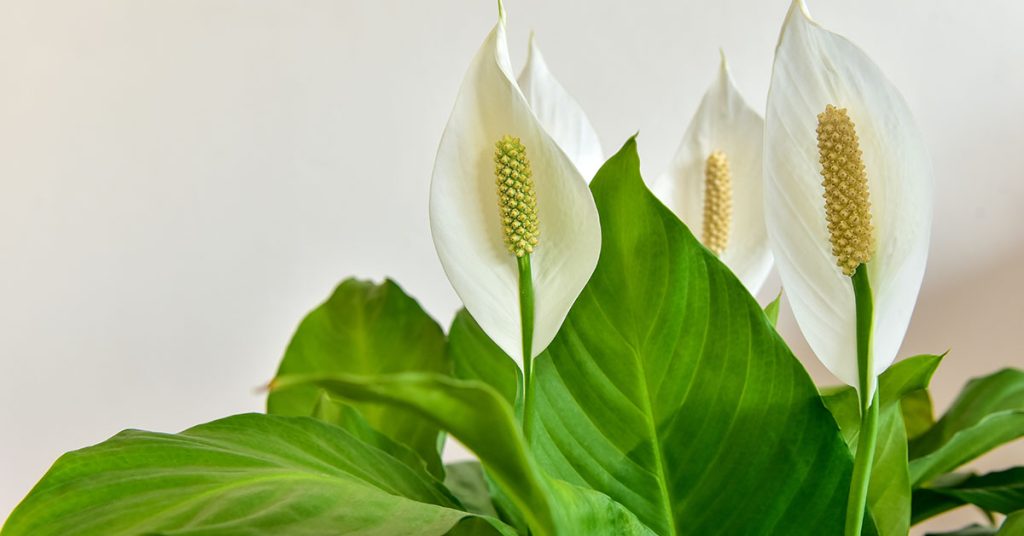
Peace lilies (Spathiphyllum spp.) are celebrated for their glossy, dark green foliage and elegant white spathes that light up any room. Native to the tropical rainforests of Central and South America, these perennials thrive under a canopy of dappled light, where humidity is high and competition for pollinators is fierce. It can be so disheartening...
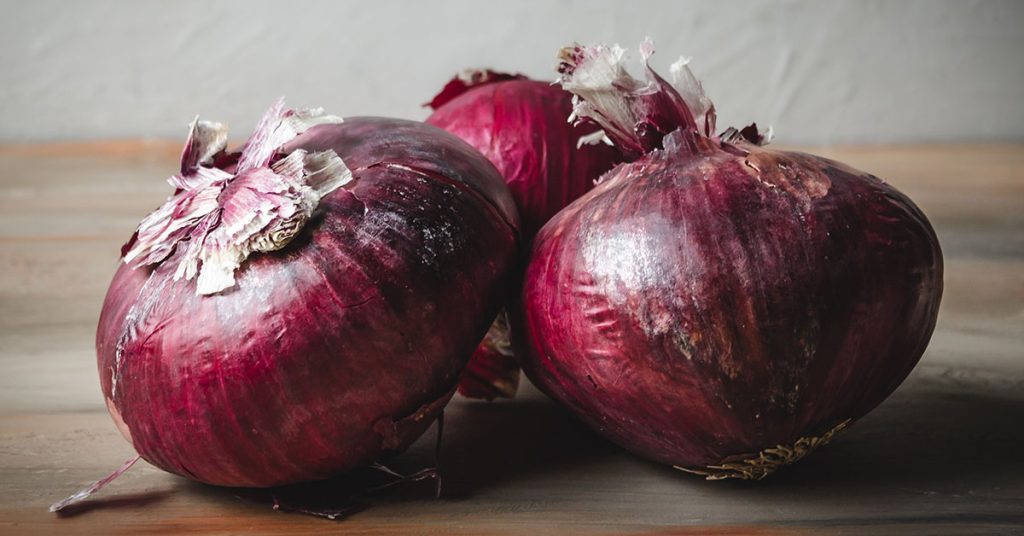
Red onions (Allium cepa) trace their lineage to the foothills of Central Asia, where early farmers cultivated them for their mild, sweet flavor. Over centuries, they’ve adapted to diverse climates without becoming invasive, thriving in well‑drained soils rich in organic matter. One of my favorite things about red onions is how, when allowed to bolt,...
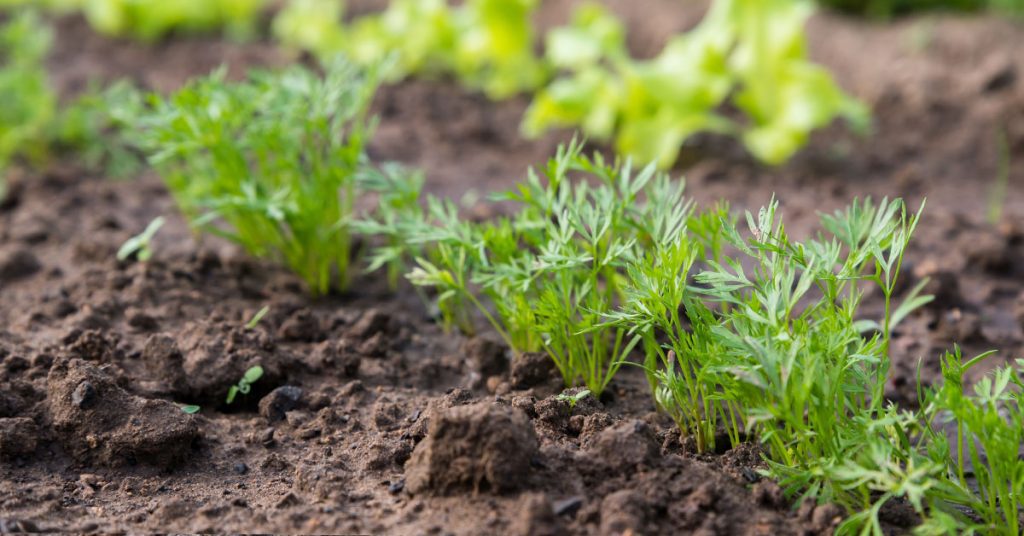
Growing carrots (Daucus carota) and parsnips (Pastinaca sativa) side by side is a classic garden combo—both hail from temperate Europe and Asia and share similar soil and moisture needs without becoming invasive. Yet even the most enthusiastic gardener can hit snags, like forked roots from compacted soil or seedlings crowded out by their neighbors. I...
Tomatoes (Solanum lycopersicum) hail from the western slopes of the Andes in South America, while potatoes (Solanum tuberosum) originated in the highlands of modern‑day Peru and Bolivia. Despite sharing a family tree and similar cultural needs, it’s such a bummer when gardeners lump them together without considering nuances—leading to stunted growth or disease flare‑ups. I...
Growing plants in water isn’t just a fun experiment—it can turn your home or patio into a lush, low‑maintenance oasis. Whether you’re a busy gardener or someone who’s just starting, you’ll love how these water‑loving species adapt their roots to aquatic life, forming silvery tangles that bring a hint of wilderness indoors. It’s such a...