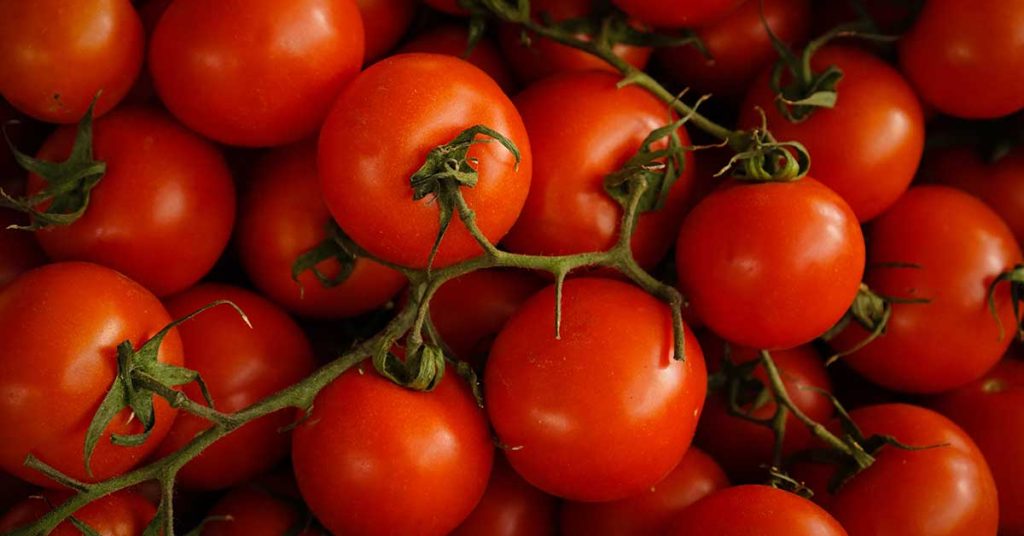
I love growing tomatoes. When it comes to tomatoes, I find that container gardening works best for me. And the results are the best! Fresh-picked tomatoes are one of the most delicious vegetables out there, but if you’re anything like me, you find that you just can’t eat all the tomatoes you grow before they...
Gardening Tips
Having a garden is a key aspect of a sustainable lifestyle. When you go to the grocery store to buy produce like fruits and vegetables, as well as eggs, each of those items comes with a carbon footprint and other environmental complications. Unfortunately, a lot of industrial-level farming practices aren’t good for the environment and they aren’t sustainable either. Growing your own fruits and vegetables reduces the negative impact that industrial farming has.
We are strong proponents of living a sustainable lifestyle, both by having a garden and by making environmentally friendly choices that put you on a more sustainable path. That includes using less single-use plastic, conserving energy and water, gardening using organic methods, avoiding synthetic chemicals inside and outside of the home, driving less, living off the grid, and other sustainable efforts.
Sustainable living isn’t just good for the planet but it’s good for you too. Often times, living sustainably means simplifying your life – you get more out of life with less. Sustainable living helps avoid unnecessary consumerism, save money, save the earth, and save your sanity all along the way.
Our gardening tips will help guide you to a greener lifestyle that benefits the planet, your pocket, your community, and yourself too. If all of us did just a little bit to be more sustainable, we could have a massive positive impact and change our world.
So let’s explore these gardening tips together and work toward a greener future for our kids and grandkids.
Scientists believe that, around the world, there could be as many as 200,000 different species of pollinators currently in existence. These pollinators range from honeybees and bumblebees, which many of us are quite familiar with, to more obscure flying insects. Many pollinators build nests out of raw materials found in their immediate environment. And one...
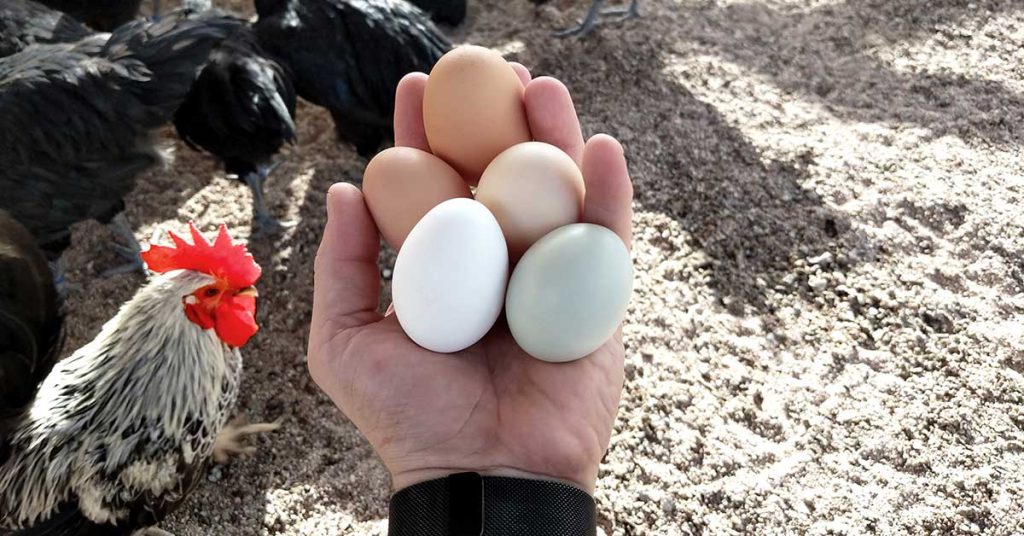
Raising chickens can be a rewarding experience, not only for the fresh eggs but also for the joy of caring for these feathered friends. However, sometimes your hens may lay more eggs than your family can consume. Selling the extra eggs can be a great way to offset feed costs and share your farm-fresh eggs...
Hummingbirds are enchanting visitors to any garden, known for their iridescent feathers and rapid, darting flight. Many gardeners plant specific flowers and set up feeders to attract these delightful birds. However, certain common mistakes can unintentionally drive hummingbirds away. Understanding these pitfalls and how to avoid them can help ensure your garden remains a hummingbird...
Plants hold significant cultural, spiritual, and medicinal importance for Indigenous peoples around the world. Many of these plants have been used for centuries in traditional practices and continue to be revered today. Understanding the deep connections between Indigenous communities and these plants can enrich our appreciation of both the flora and the cultures that hold...
Wild Bergamot, also known as Monarda fistulosa, is a native perennial that offers multiple benefits to both gardeners and the environment. Not only is it a stunning addition to any garden with its vibrant purple blooms and aromatic foliage, but it also serves as a wonderful herb for digestive health. Moreover, this versatile plant attracts...
As summer starts to wind down, August becomes a critical month for preparing your tomato plants for a bountiful September harvest. Tomatoes, native to western South America and Central America, thrive in warm weather but require specific care to maximize fruit production as the season progresses. By giving your tomatoes the right attention now, you...
Yarrow (Achillea millefolium) is a remarkable plant that boasts a wide range of benefits and uses. Native to all 50 states, this hardy perennial is celebrated for its resilience, versatility, and myriad applications in gardening, medicine, and even cuisine. Yarrow’s adaptability to various climates and soil types makes it a favorite among gardeners, and its...
Using eggshells in the garden is a common tip shared among gardeners looking for natural ways to improve their soil and deter pests. Eggshells are often touted for their calcium content and supposed ability to keep slugs and snails at bay. However, while this method may seem straightforward and eco-friendly, it has several drawbacks that...
Growing your own vegetables can be incredibly rewarding, not just for the fresh produce but also for the satisfaction of cultivating your own food. But what if you have a surplus? Can you sell the vegetables you grew? The answer depends on various regulations that differ from state to state. Understanding these rules is crucial...
Toads are wonderful additions to any garden. They are natural pest controllers, consuming vast quantities of insects, slugs, and other garden pests. Having a healthy population of toads can significantly reduce the need for chemical pesticides, promoting a more balanced and eco-friendly garden environment. Plus, watching these fascinating amphibians can bring a touch of magic...
August might seem like the tail end of the gardening season, but it’s actually a crucial month for preparing your garden for a robust spring start. Taking the time now to tend to your garden will pay off with lush, healthy plants and bountiful harvests come spring. Here are several essential tasks to tackle in...