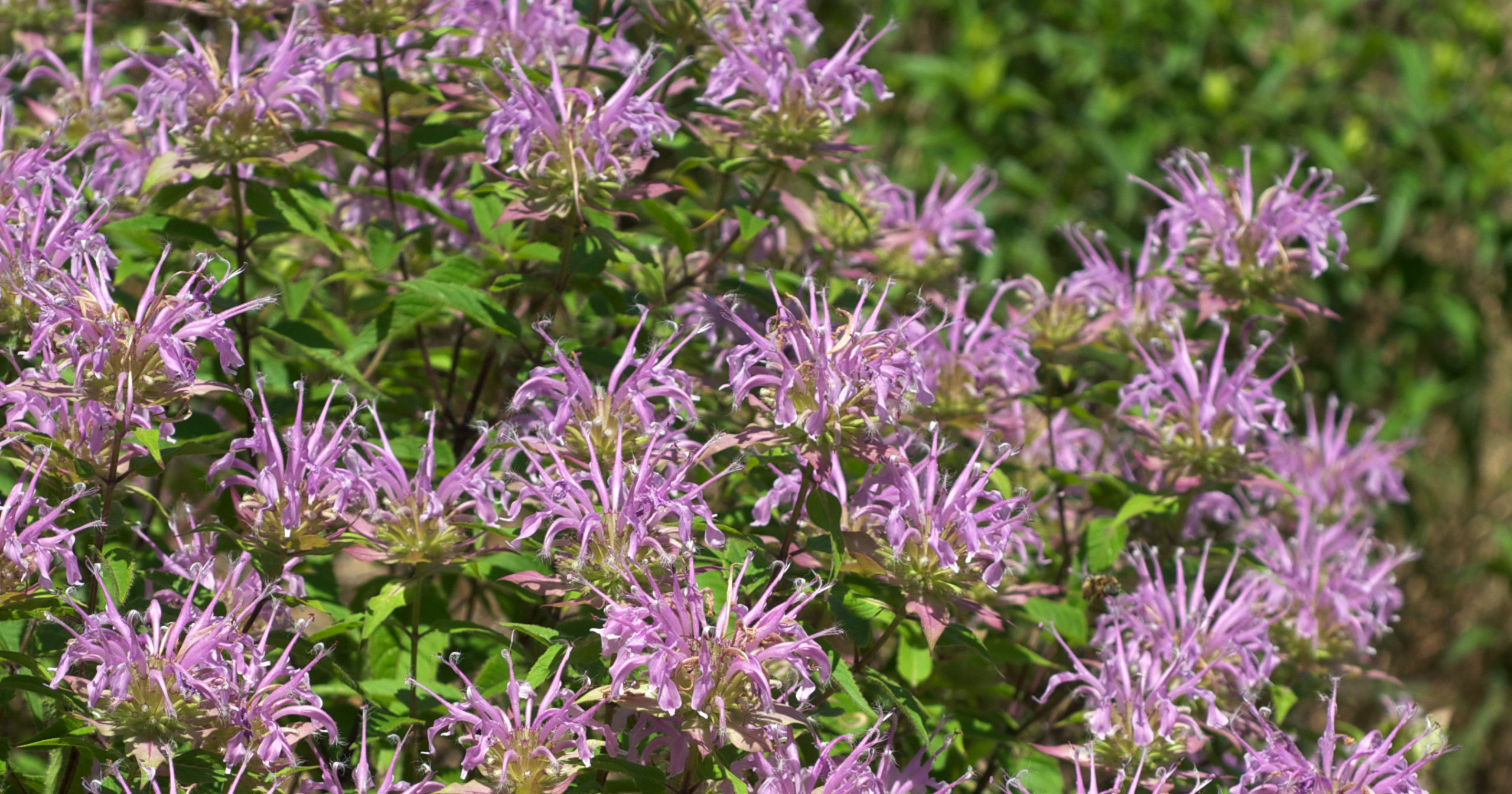

Wild Bergamot, also known as Monarda fistulosa, is a native perennial that offers multiple benefits to both gardeners and the environment. Not only is it a stunning addition to any garden with its vibrant purple blooms and aromatic foliage, but it also serves as a wonderful herb for digestive health. Moreover, this versatile plant attracts a variety of pollinators, making it an essential component of a healthy, thriving garden ecosystem.
In this article, we will explore the many reasons why Wild Bergamot deserves a place in your garden. From its medicinal properties and benefits as a digestive tea to its role in supporting pollinators, Wild Bergamot is truly a remarkable plant. Let’s dive into the details and discover how you can make the most of this incredible native flower.
Medicinal Properties of Wild Bergamot

Wild Bergamot has been used for centuries by Native American tribes for its medicinal properties. One of its most notable benefits is its ability to aid digestion. The leaves and flowers of Wild Bergamot can be used to make a soothing tea that helps alleviate digestive issues such as bloating, gas, and stomach cramps. The plant contains compounds that have carminative properties, which means they help expel gas from the digestive tract, providing relief from discomfort.
To make Wild Bergamot tea, simply steep fresh or dried leaves and flowers in hot water for about 10 minutes. The resulting tea has a pleasant, slightly minty flavor and can be enjoyed hot or cold. Drinking this tea regularly can help support a healthy digestive system and improve overall gut health. Additionally, Wild Bergamot tea has antimicrobial properties, which can help prevent infections and support a healthy immune system.
Attracting Pollinators
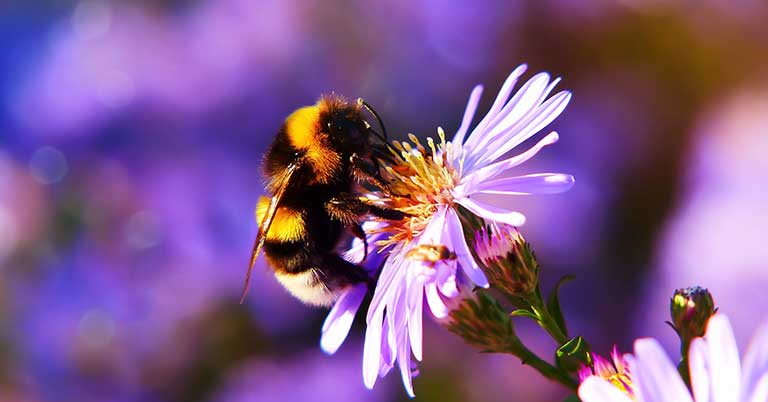
One of the standout features of Wild Bergamot is its ability to attract a wide range of pollinators. Bees, butterflies, and hummingbirds are particularly drawn to its vibrant purple flowers, which bloom from mid-summer to early fall. The plant’s nectar-rich blooms provide an essential food source for these pollinators, helping to support their populations and promote biodiversity in your garden.
Planting Wild Bergamot in your garden can create a lively and dynamic environment buzzing with activity. Pollinators play a crucial role in the ecosystem by helping to fertilize plants, leading to the production of seeds and fruit. By attracting these beneficial insects and birds, Wild Bergamot not only enhances the beauty of your garden but also contributes to its health and productivity.
Growing Wild Bergamot
Wild Bergamot is native to North America and thrives in a variety of growing conditions. It prefers full sun to partial shade and well-drained soil. This hardy perennial is relatively low-maintenance, making it an excellent choice for both novice and experienced gardeners. Once established, Wild Bergamot is drought-tolerant and can withstand periods of dry weather, although it will benefit from regular watering during prolonged dry spells.
To plant Wild Bergamot, sow seeds directly in the garden in the spring or fall, or start them indoors several weeks before the last frost. Space plants about 18 to 24 inches apart to allow for good air circulation, which helps prevent powdery mildew, a common issue with this plant. Regularly deadhead spent flowers to encourage continuous blooming and to keep the plant looking tidy.
Companion Planting

Wild Bergamot makes an excellent companion plant in the garden. Its strong fragrance can help repel pests such as aphids, cabbage worms, and tomato hornworms, protecting nearby plants from damage. Additionally, its presence in the garden can enhance the growth and flavor of certain vegetables, such as tomatoes and peppers, by attracting pollinators that aid in their fertilization.
Planting Wild Bergamot alongside other native perennials, such as coneflowers, black-eyed Susans, and milkweed, can create a vibrant and visually appealing garden bed that supports a diverse range of pollinators. This practice of companion planting not only improves the health and productivity of your garden but also fosters a more resilient and balanced ecosystem.
Culinary Uses

In addition to its medicinal properties, Wild Bergamot can also be used in the kitchen. The leaves and flowers have a slightly minty, oregano-like flavor that can be used to enhance a variety of dishes. Fresh leaves can be added to salads, soups, and stews, while dried leaves can be used as a seasoning for meats, vegetables, and sauces.
One of my favorite ways to use Wild Bergamot is to infuse it in vinegar or oil. Simply add fresh or dried leaves and flowers to a jar of vinegar or oil and let it steep for a few weeks. The resulting infusion can be used in salad dressings, marinades, and other culinary creations, adding a unique and flavorful twist to your meals.
Aesthetic Appeal
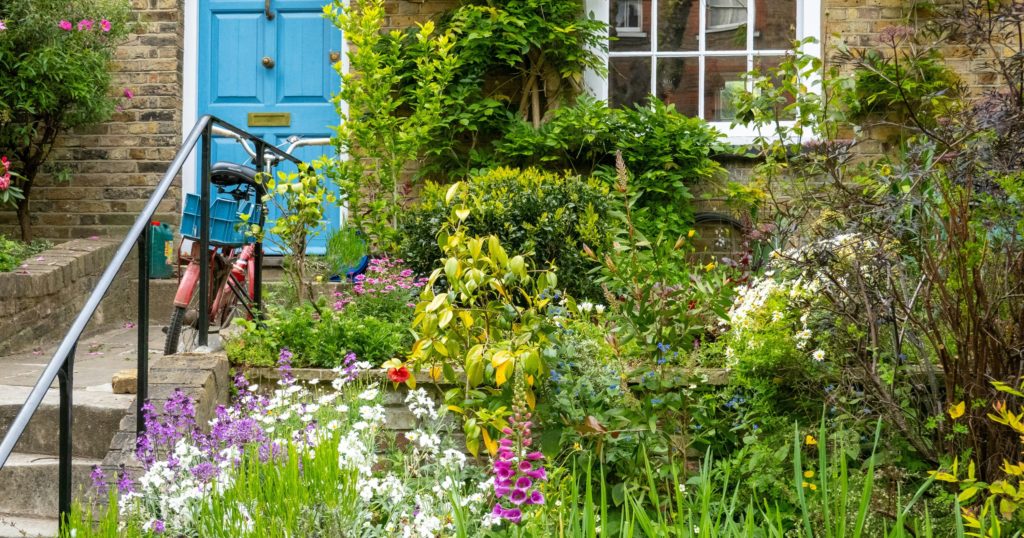
Wild Bergamot is not only functional but also adds significant aesthetic value to the garden. Its tall, sturdy stems and clusters of tubular flowers create a striking visual display that can serve as a focal point in garden beds or borders. The plant’s aromatic foliage and vibrant blooms can enhance the sensory experience of your garden, making it a delightful place to spend time.
In addition to its beauty, Wild Bergamot’s long blooming period ensures that your garden remains colorful and attractive throughout the summer months. The flowers can also be cut and used in floral arrangements, bringing a touch of the garden’s beauty indoors. By incorporating Wild Bergamot into your garden design, you can enjoy both its practical benefits and its visual appeal.
Historical Significance

Wild Bergamot holds historical significance as well. Native American tribes, including the Oswego and Blackfoot, used this plant for its medicinal and culinary properties. The plant was also used in traditional ceremonies and rituals, highlighting its cultural importance. Understanding the historical and cultural context of Wild Bergamot can deepen your appreciation for this remarkable plant and its role in the natural world.
By growing Wild Bergamot in your garden, you are also preserving a piece of this rich cultural heritage. This connection to history adds another layer of meaning to your gardening experience, making it even more rewarding. Embracing native plants like Wild Bergamot helps to honor and sustain the traditions and knowledge of indigenous cultures.
Environmental Benefits
Planting Wild Bergamot in your garden offers numerous environmental benefits. As a native plant, it is well-adapted to local growing conditions and requires less water and maintenance than non-native species. This makes it an eco-friendly choice that helps conserve water and reduce the need for chemical fertilizers and pesticides.
Wild Bergamot also plays a vital role in supporting local wildlife. In addition to attracting pollinators, it provides habitat and food for beneficial insects, birds, and other wildlife. By incorporating Wild Bergamot into your garden, you are contributing to the preservation of local biodiversity and helping to create a more sustainable and resilient ecosystem.