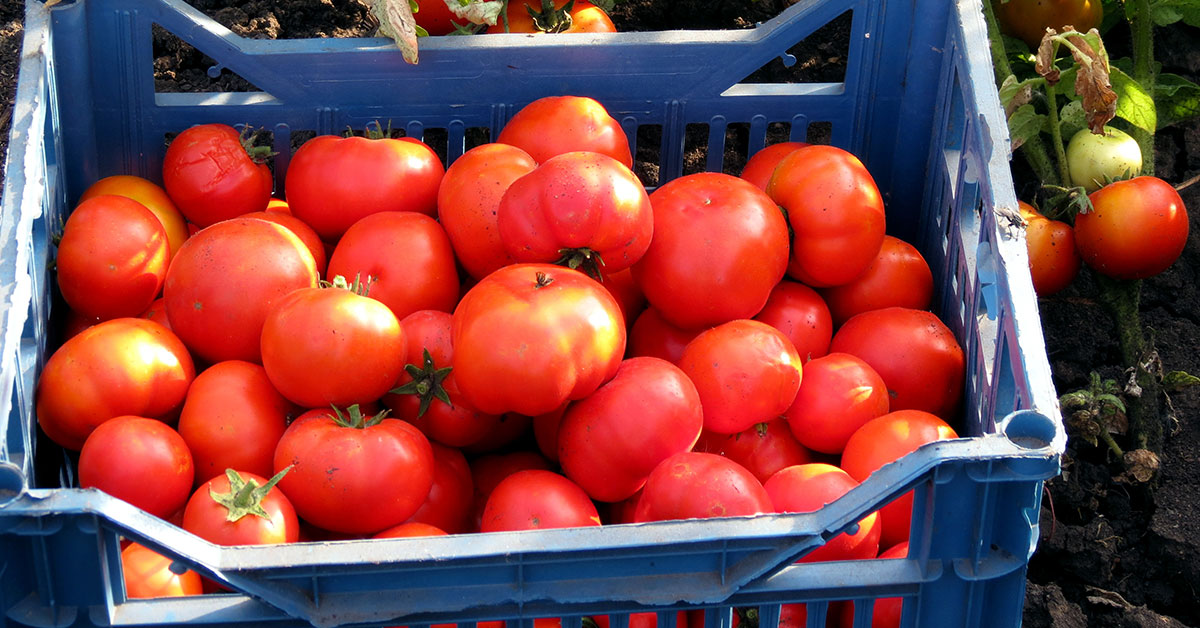

As summer starts to wind down, August becomes a critical month for preparing your tomato plants for a bountiful September harvest. Tomatoes, native to western South America and Central America, thrive in warm weather but require specific care to maximize fruit production as the season progresses. By giving your tomatoes the right attention now, you can ensure they produce a generous, delicious crop next month.
In this guide, we’ll explore essential tips and practices that will help your tomato plants flourish. From pruning techniques to feeding schedules, these methods are designed to boost fruit growth and improve the overall health of your plants. Let’s dive into the details and get your tomatoes ready for a fantastic September harvest.
Prune and Remove Suckers
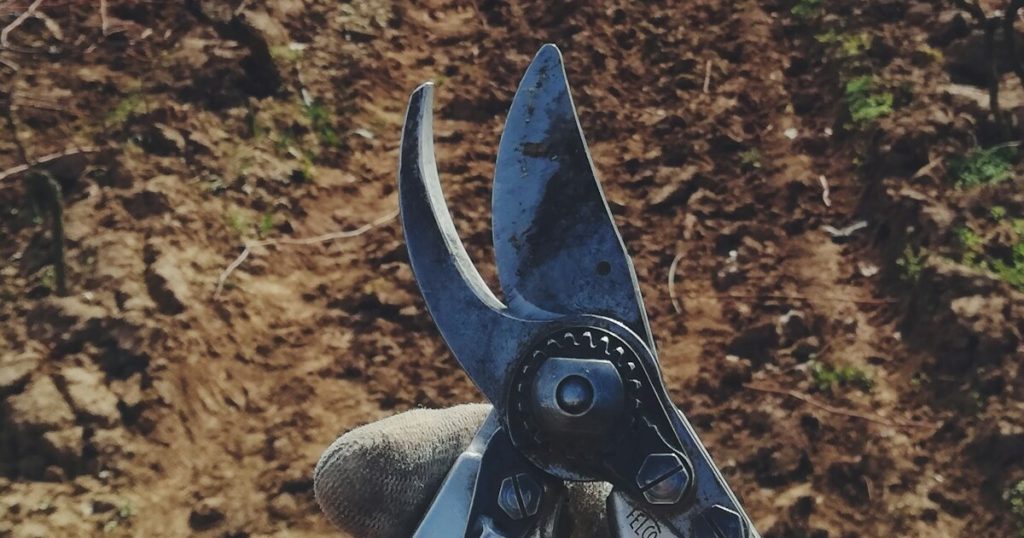
One of the best ways to boost your tomato harvest is by pruning and removing suckers. Suckers are the small shoots that grow in the leaf axils, the point where the leaf stem meets the main stem. While it might be tempting to let them grow, these suckers can divert energy away from fruit production. By removing them, you allow the plant to focus more energy on developing larger, more flavorful tomatoes.
To prune effectively, use clean, sharp scissors or pruning shears. Regularly inspect your plants for suckers and gently pinch or cut them off. This practice also improves air circulation, reducing the risk of diseases like blight and mildew. Better airflow around the plant ensures that leaves and fruits dry quickly after rain or watering, further promoting a healthy, productive plant.
Fertilize Appropriately
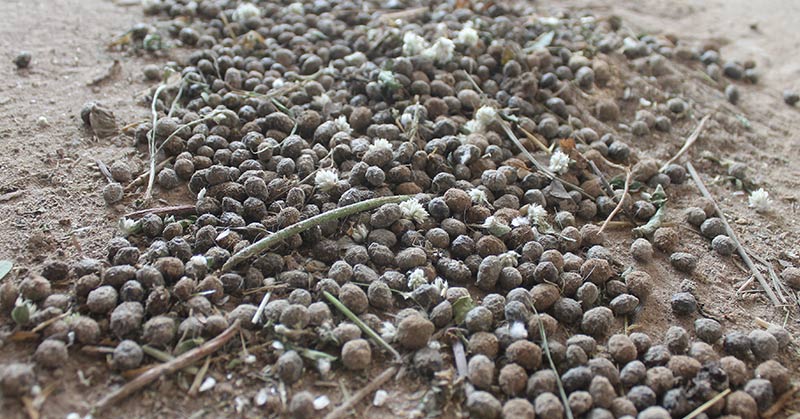
In August, it’s crucial to provide your tomato plants with the right nutrients to support fruit development. Switch to a fertilizer that is lower in nitrogen and higher in phosphorus and potassium. Nitrogen promotes leafy growth, which is less important at this stage. Phosphorus aids in root development and fruit set, while potassium enhances overall plant health and fruit quality.
Apply a balanced, water-soluble fertilizer every two weeks, following the manufacturer’s instructions. Be careful not to over-fertilize, as too much can cause nutrient imbalances and negatively impact fruit production. Providing the right nutrients helps your plants produce larger, juicier tomatoes, setting the stage for a bountiful harvest in September.
Water Consistently
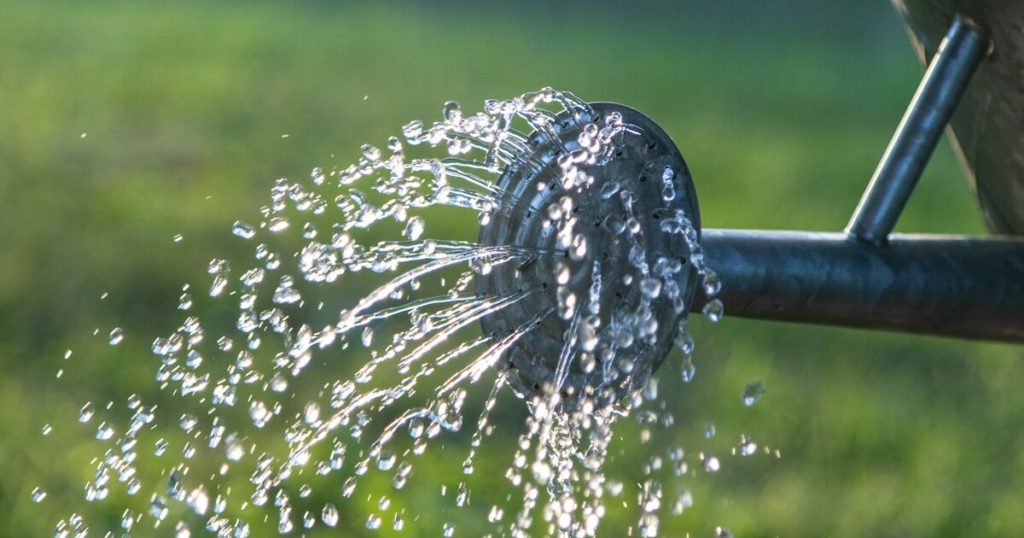
Consistent watering is key to ensuring your tomato plants produce a large harvest. Tomatoes need about 1-2 inches of water per week, delivered in a steady, deep watering rather than frequent, shallow watering. This encourages deeper root growth, which helps the plants access moisture during dry periods and improves overall plant stability.
Water your tomatoes early in the morning to allow leaves to dry out during the day, which helps prevent diseases. Using a soaker hose or drip irrigation system can be very effective, as it delivers water directly to the roots while keeping foliage dry. Consistent moisture levels prevent issues like blossom end rot and cracking, both of which can spoil your fruit.
Mulch to Retain Moisture
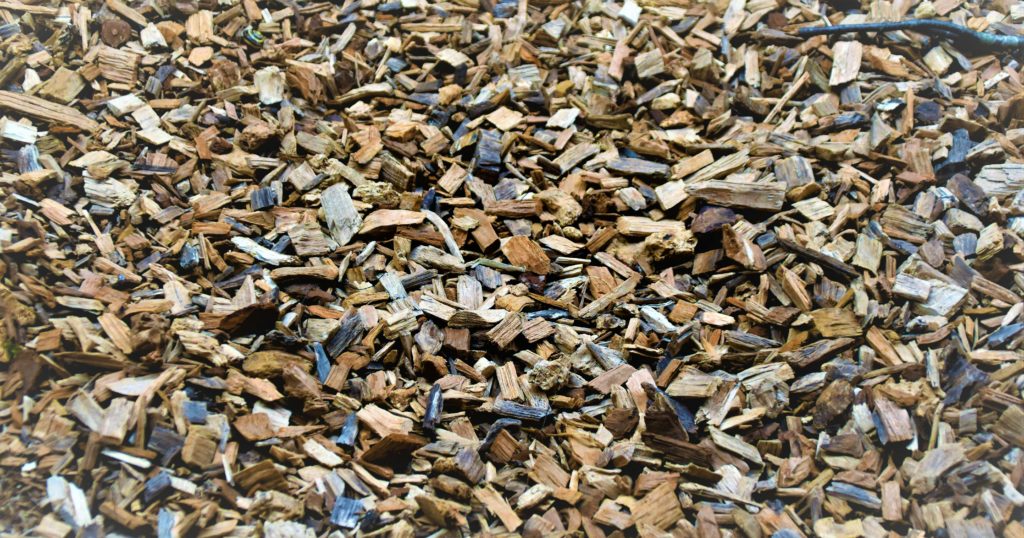
Applying mulch around your tomato plants is an excellent way to retain soil moisture and regulate soil temperature. Organic mulches, such as straw, grass clippings, or compost, also add nutrients to the soil as they decompose. A 2-3 inch layer of mulch helps prevent water evaporation, keeping the soil consistently moist and cool.
Mulch also suppresses weeds, reducing competition for nutrients and water. By maintaining even soil moisture levels, mulch helps prevent problems like blossom end rot and improves the overall health of your tomato plants. Plus, it can protect the fruit from soil-borne pathogens by providing a barrier between the soil and the fruit.
Support and Stake Plants
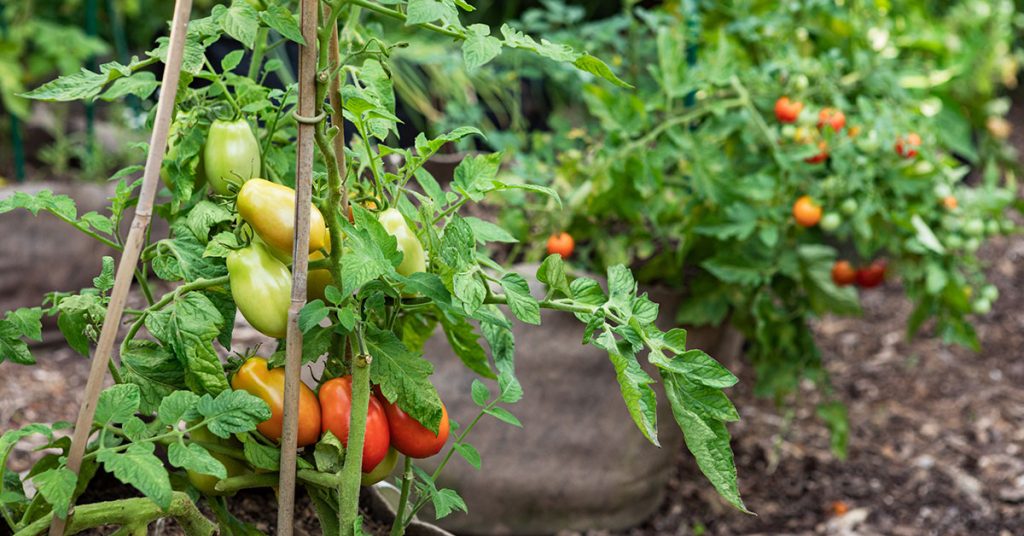
Providing adequate support for your tomato plants is essential to keep them upright and off the ground. Staking or using tomato cages can help prevent diseases and make harvesting easier. Supported plants also receive better air circulation and more sunlight, which are crucial for fruit development.
When staking, tie the plants loosely with soft ties to avoid damaging the stems. Regularly check the ties and adjust them as the plants grow. For indeterminate varieties, which continue growing throughout the season, make sure the support system can accommodate their height and weight. Keeping your plants well-supported helps maximize fruit exposure to sunlight, promoting better ripening and higher yields.
Remove Diseased Leaves

In August, it’s common for tomato plants to start showing signs of disease, especially if the weather has been humid. Early blight, late blight, and septoria leaf spot are common issues that can impact your harvest. Regularly inspect your plants for any diseased leaves and remove them immediately to prevent the spread of disease.
Dispose of the affected leaves in the trash rather than composting them to avoid spreading pathogens. Keeping your plants healthy and disease-free is crucial for ensuring they can focus their energy on producing a bountiful crop. Maintaining good garden hygiene and monitoring for signs of disease will help you catch issues early and keep your plants productive.
Control Pests

August can bring a host of pests that love to munch on tomato plants, including aphids, tomato hornworms, and whiteflies. Regularly inspect your plants for signs of pest activity and take action as soon as you notice any issues. Handpick larger pests like hornworms, and use insecticidal soap or neem oil for smaller insects.
Encouraging beneficial insects, such as ladybugs and predatory wasps, can also help keep pest populations in check. Planting companion plants like marigolds, basil, and nasturtiums can attract these beneficial insects. Keeping pests under control ensures that your tomato plants can focus on producing fruit rather than battling infestations.
Adjust Sunlight Exposure
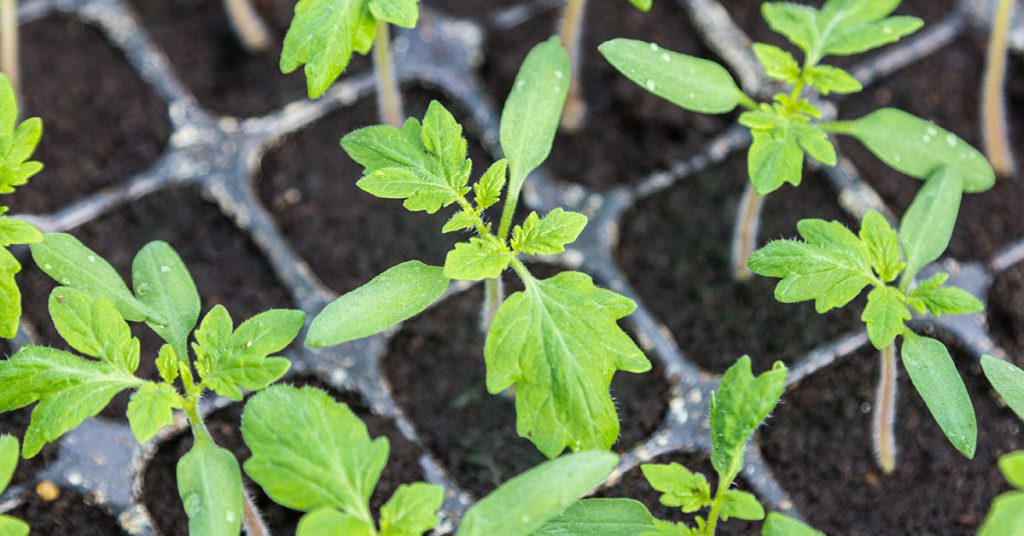
Tomato plants need plenty of sunlight to produce fruit, but in the intense heat of August, too much direct sun can cause sunscald on the fruit. If your plants are in full sun all day, consider providing some shade during the hottest part of the day. Use shade cloth or plant taller companion plants nearby to provide intermittent shade.
Ensuring your tomato plants receive about 6-8 hours of sunlight each day helps them produce high-quality fruit while preventing damage from excessive heat. Proper sunlight management can lead to more even ripening and better overall fruit production.
Pinch Off Flowers
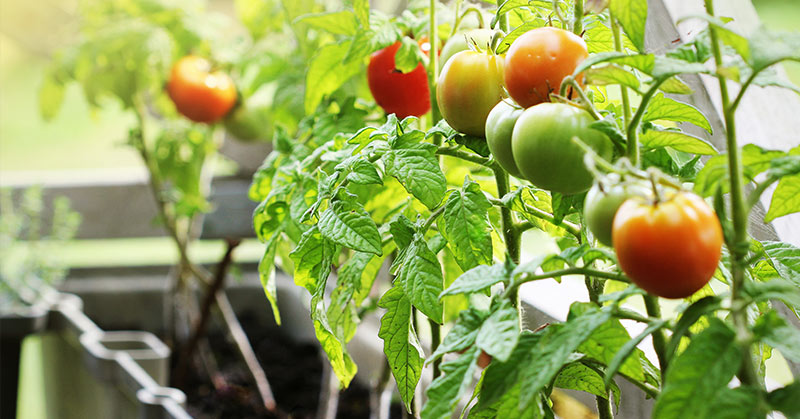
As August progresses, it’s a good idea to pinch off new flowers that form on your tomato plants. This allows the plant to direct its energy toward ripening existing fruit rather than producing new ones that may not have time to mature before the end of the growing season.
Pinching off new flowers ensures that the plant focuses on maximizing the size and quality of the tomatoes already on the vine. This simple step can lead to a more abundant and flavorful harvest in September, as the plant channels its resources more efficiently.
Harvest Regularly

Regular harvesting encourages your tomato plants to produce more fruit. As tomatoes ripen, pick them promptly to prevent overripening and attract pests. Harvesting also signals the plant to continue setting fruit, extending your harvest period.
Check your plants every few days and gently twist or cut ripe tomatoes from the vine. Enjoy the fresh flavors immediately, or preserve them by canning or freezing for later use. Regular harvesting keeps your plants productive and ensures you get the most out of your tomato crop.